Quepos began its modern life as a banana-export port for the United Fruit Company in the 1930s, its docks bustling with the commerce of Central American agriculture. When banana blight decimated the plantations in the 1950s, the town pivoted to African palm oil — and then, as the surrounding rainforest began attracting naturalists and adventurers from around the world, to ecotourism. Today, this small Pacific coast town serves as the gateway to Manuel Antonio National Park, one of the most biodiverse patches of land on the planet, where sloths doze in cecropia trees, white-faced capuchin monkeys raid beach bags with impunity, and scarlet macaws paint the jungle canopy in streaks of crimson and gold.
The town of Quepos itself has a rough-edged charm that more polished resort destinations lack. Fishing boats crowd the harbor, sodas (local eateries) serve casado — the quintessential Costa Rican plate of rice, beans, plantain, salad, and your choice of protein — for a few dollars, and the sunset from the malecón is a nightly communal event. The road from Quepos to Manuel Antonio winds along a jungle-clad ridgeline, past boutique hotels, artisan shops, and viewpoints that survey the Pacific and its scatter of rocky islets. This seven-kilometer stretch has become one of Costa Rica’s most desirable addresses, yet it retains a relaxed, unpretentious atmosphere that reflects the country’s famous commitment to pura vida.
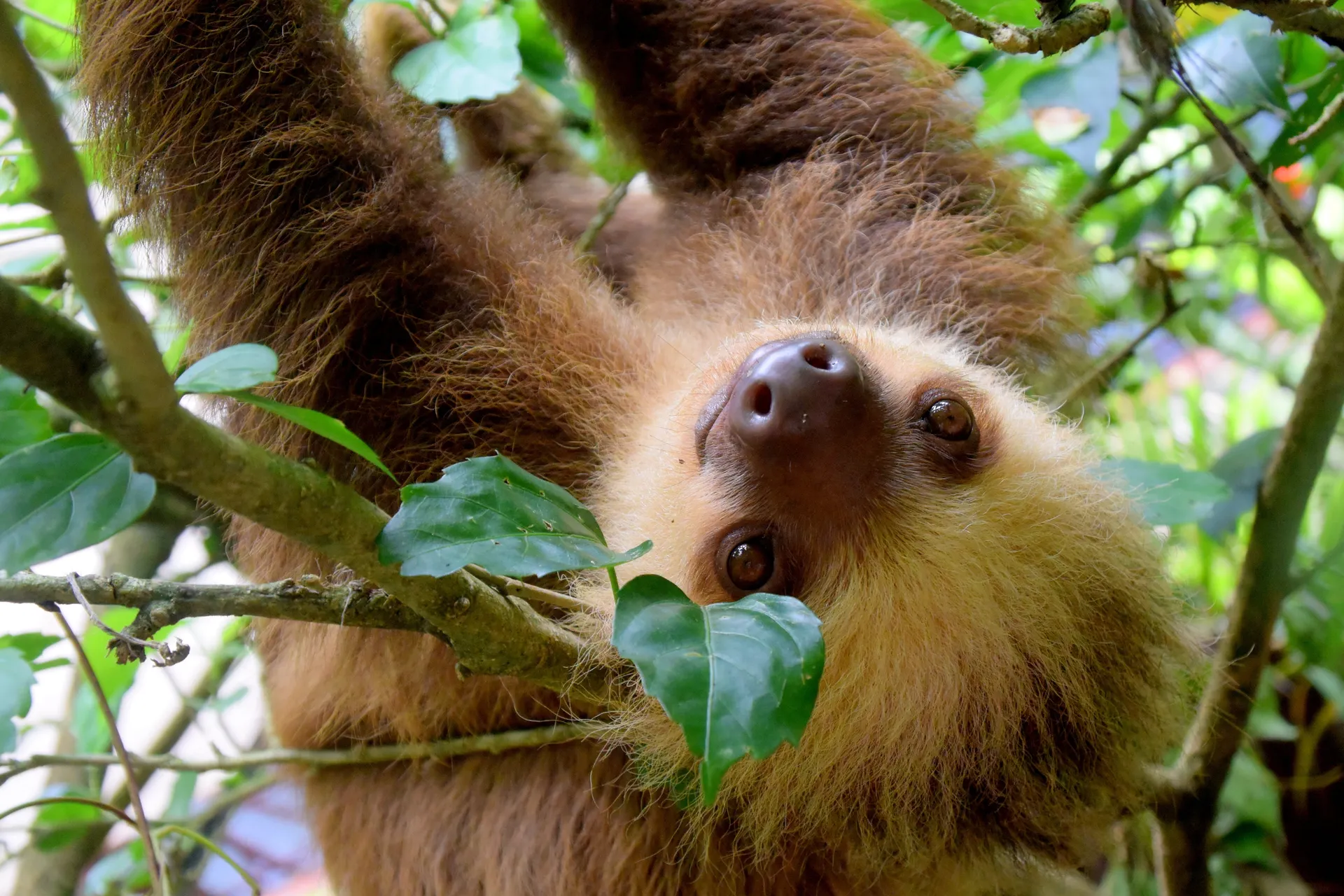
Manuel Antonio National Park may be Costa Rica’s smallest, but it packs an extraordinary density of life into its 683 hectares of rainforest, mangrove, and beach. Four species of monkey — white-faced capuchin, howler, spider, and the endangered squirrel monkey — inhabit the park’s trails, along with two- and three-toed sloths, iguanas, coatis, and more than 350 species of birds. The beaches within the park are among the most beautiful on the Pacific coast: Playa Manuel Antonio and Playa Espadilla Sur arc in perfect crescents of white sand between headlands of lush forest, their waters warm, calm, and ideal for swimming and snorkeling. The coral reefs off the park’s rocky points support colorful tropical fish and occasional visits from olive ridley sea turtles.
The culinary offerings of the Quepos area have grown well beyond the humble soda. A new generation of chef-driven restaurants along the Manuel Antonio road serves inventive Costa Rican cuisine — think ceviche with tropical fruit and habanero, grilled mahi-mahi with yuca purée and chimichurri, or tres leches cake infused with Costa Rican coffee. The region is also prime territory for sportfishing: billfish tournaments draw anglers from around the world, and the offshore waters yield sailfish, marlin, yellowfin tuna, and roosterfish in impressive numbers. For adrenaline seekers, whitewater rafting on the nearby Río Savegre and canopy zipline tours through the forest crown offer pulse-raising diversions.
Ponant, Tauck, and Windstar Cruises include Quepos on their Costa Rica and Panama itineraries, with ships typically anchoring in the bay and tendering passengers to the marina. The town’s compact layout means that the national park, the waterfront, and the restaurant strip are all within easy reach. The best time to visit is December through April, the dry season, when sunny mornings give way to warm, clear afternoons — though even the green season (May through November) has its rewards, with fewer visitors, lush vegetation, and dramatic afternoon thunderstorms that clear as quickly as they arrive.

