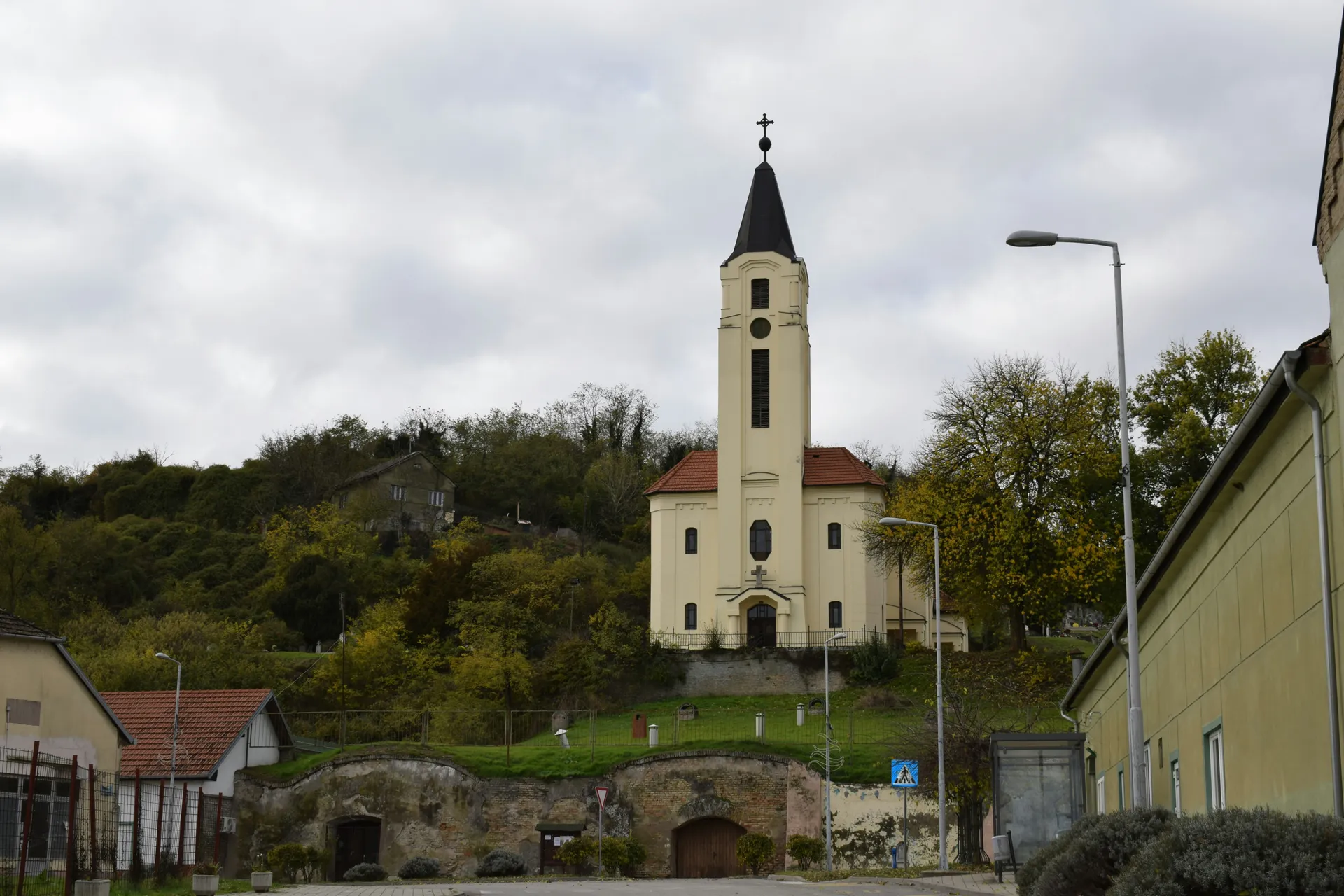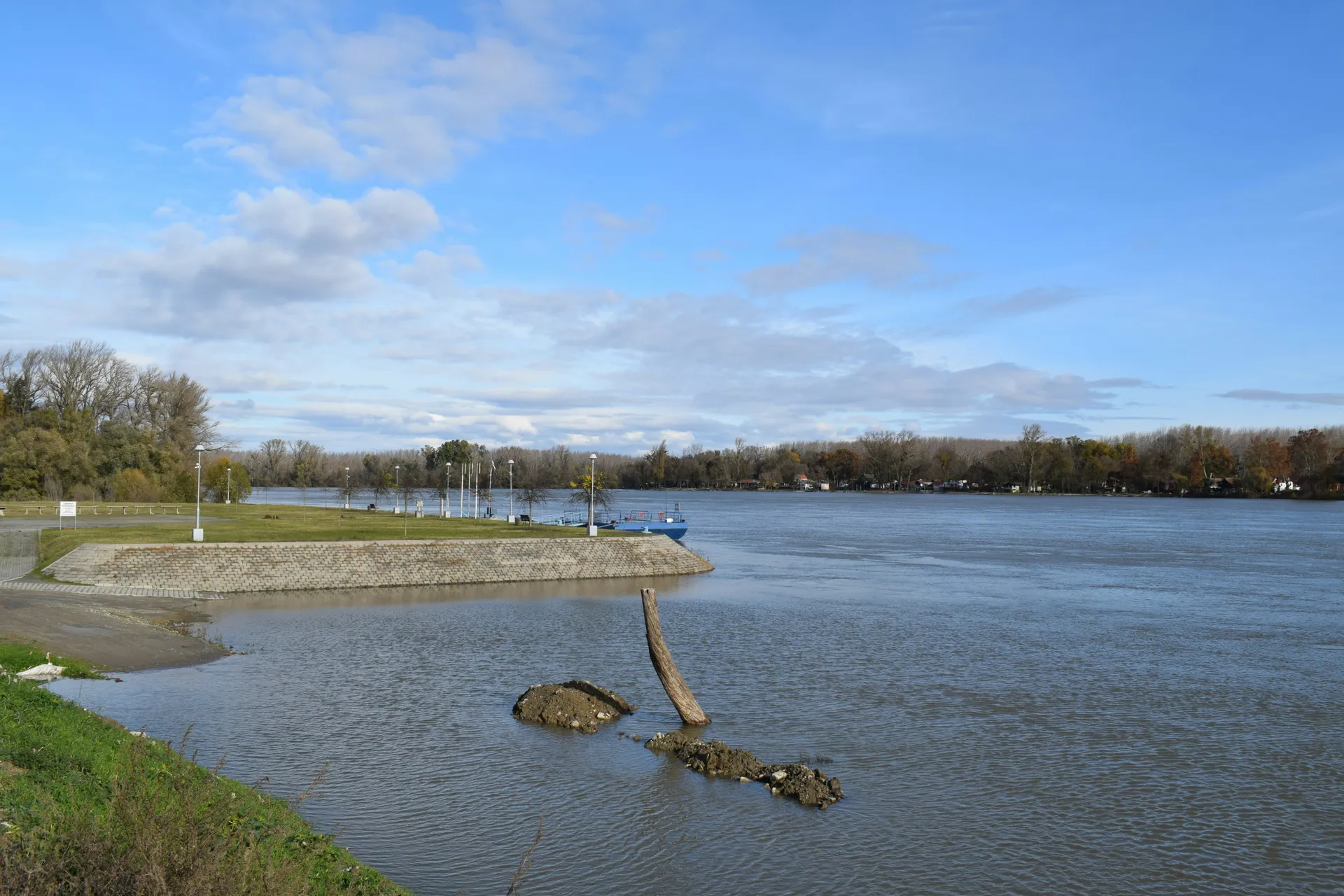
Batina is a small village perched on the bluffs above the Danube in the far northeast corner of Croatia, at the point where the borders of Croatia, Hungary, and Serbia converge. This unassuming settlement of barely a few hundred souls occupies a position of outsized historical significance: it was here, in November 1944, that Soviet and Yugoslav Partisan forces crossed the Danube in a bloody amphibious assault that broke the German defensive line and opened the way for the liberation of Yugoslavia. The Monument to the Battle of Batina, a striking socialist-realist sculpture atop a 90-metre hill, commemorates the battle with a visual drama that commands attention for miles across the Danubian plain.
The landscape around Batina is the flat, fertile Baranja region — a triangle of land between the Danube and Drava rivers that is one of Croatia's most agricultural and least touristed areas. Sunflower fields, wheat, and vineyards stretch to the horizon, punctuated by small villages where Hungarian, Croatian, and Serbian communities have coexisted for centuries. Kopacki Rit Nature Park, one of Europe's most important wetland areas, lies just downstream — a vast floodplain where the Drava joins the Danube in a labyrinth of channels, oxbow lakes, and flooded forests that shelter white-tailed eagles, black storks, and one of Europe's largest populations of red deer.
The cuisine of Baranja is a hearty, paprika-rich fusion of Croatian and Hungarian culinary traditions. Fiš paprikaš — a thick, spicy freshwater fish stew made with river carp or catfish, onions, and generous quantities of the sweet red paprika that defines the region's cooking — is the signature dish, traditionally prepared in a cauldron over an open fire. Kulen, a robust, paprika-spiced sausage cured in the cold Pannonian winds, is Baranja's most prized charcuterie. The local wines, particularly the Graševina (Welschriesling) whites and the increasingly respected Frankovka reds from the Baranja wine region, are excellent and largely unknown outside Croatia.
Osijek, the regional capital and Slavonia's largest city, lies an hour's drive south and offers a contrasting urban experience. The Tvrda fortress, an eighteenth-century Habsburg military complex that is one of the best-preserved baroque fortified towns in Europe, houses museums, cafes, and a lively student scene centred on the Josip Juraj Strossmayer University. The riverside promenade along the Drava offers evening strolls and views of the elegant Austro-Hungarian architecture that lines the waterfront. For nature enthusiasts, the Kopacki Rit wetland is accessible by boat, canoe, or guided walking tour, offering birdwatching opportunities that rank among the finest in southeastern Europe.
Batina is a port of call for Uniworld River Cruises on its Danube itineraries. Ships dock along the Danube below the monument, from which the battlefield memorial, the village, and the views across the confluence of three nations are all within easy reach. The best time to visit is April through October, with spring and autumn offering the most pleasant temperatures and the best birdwatching conditions at Kopacki Rit.