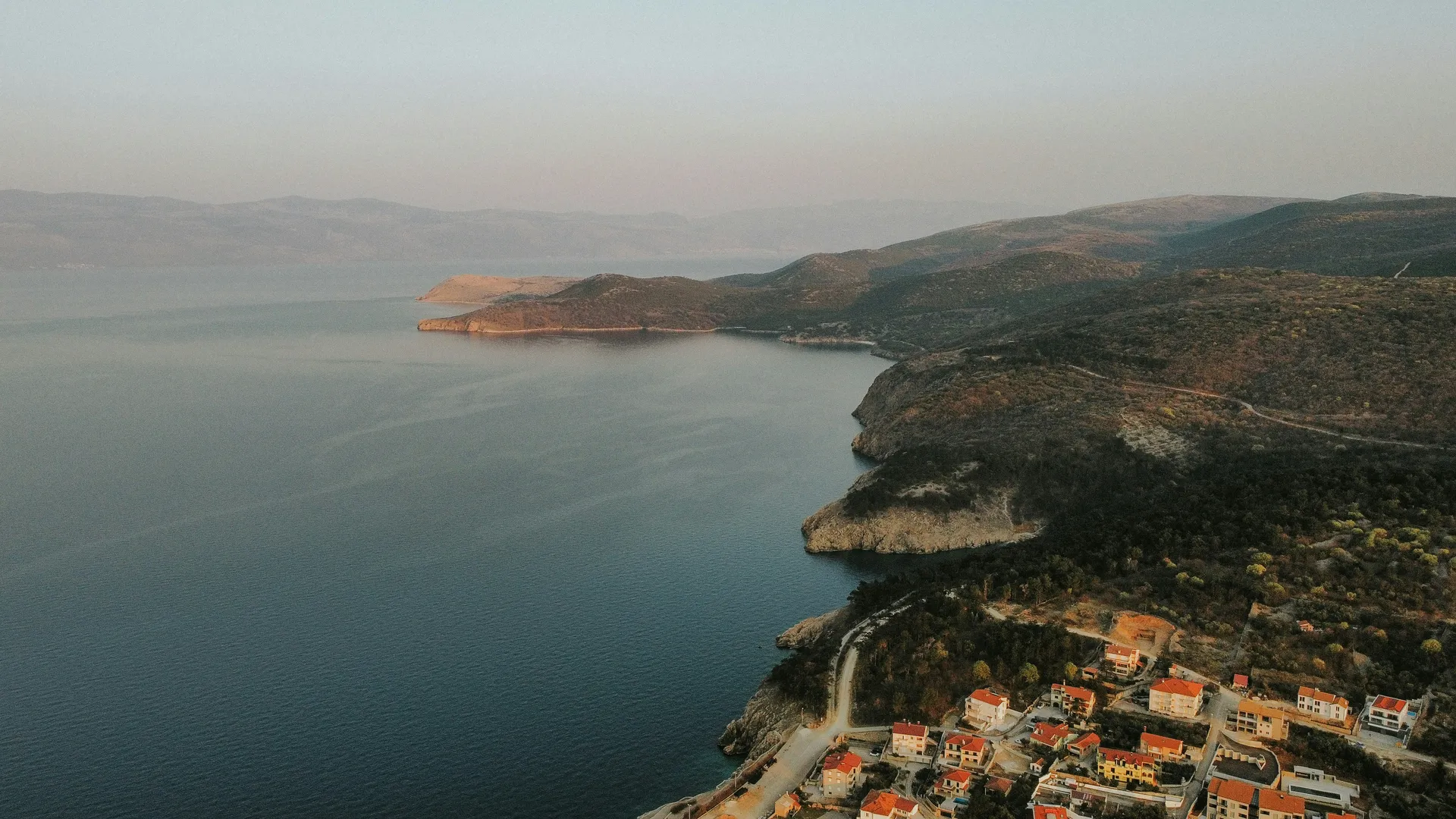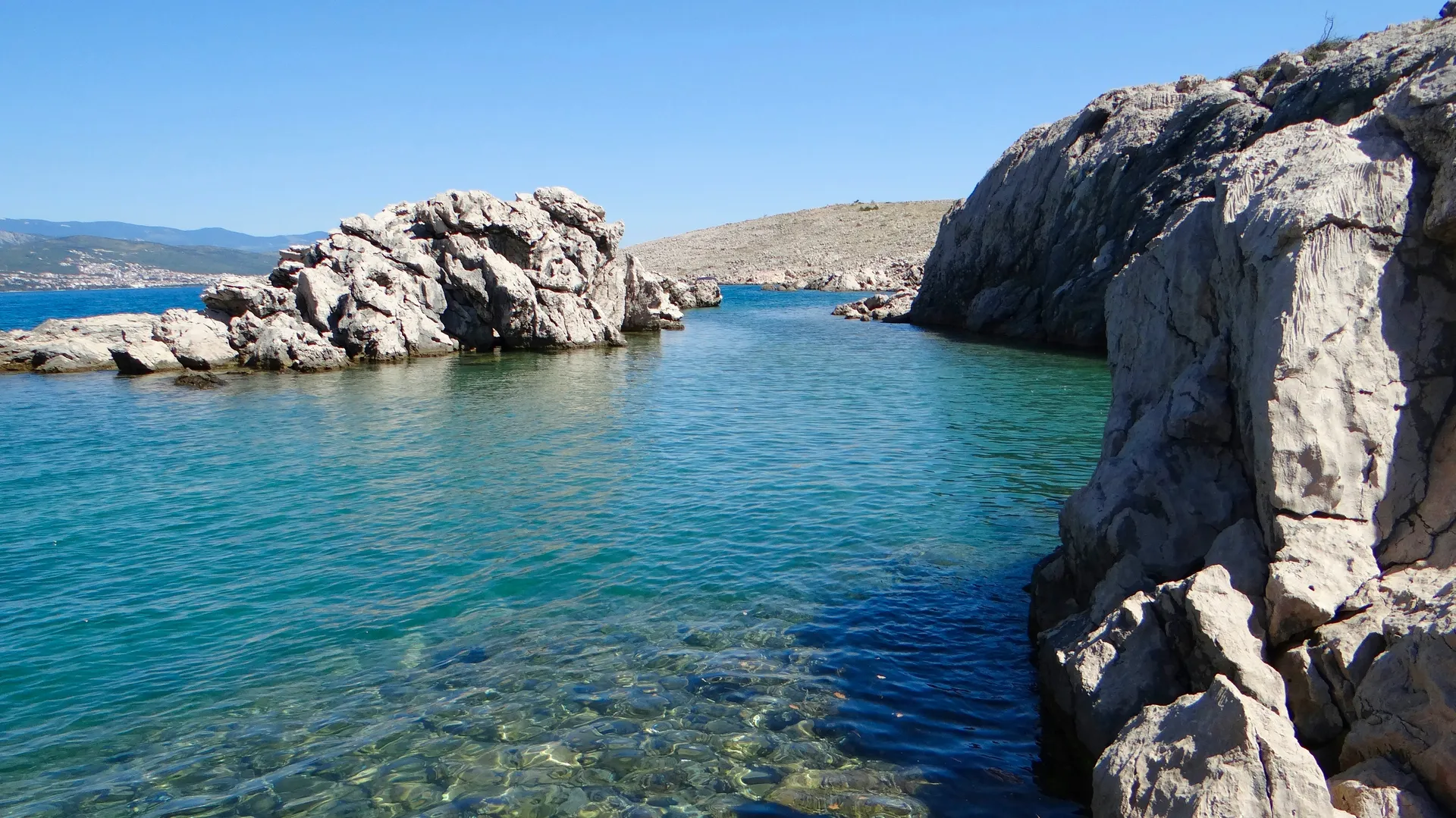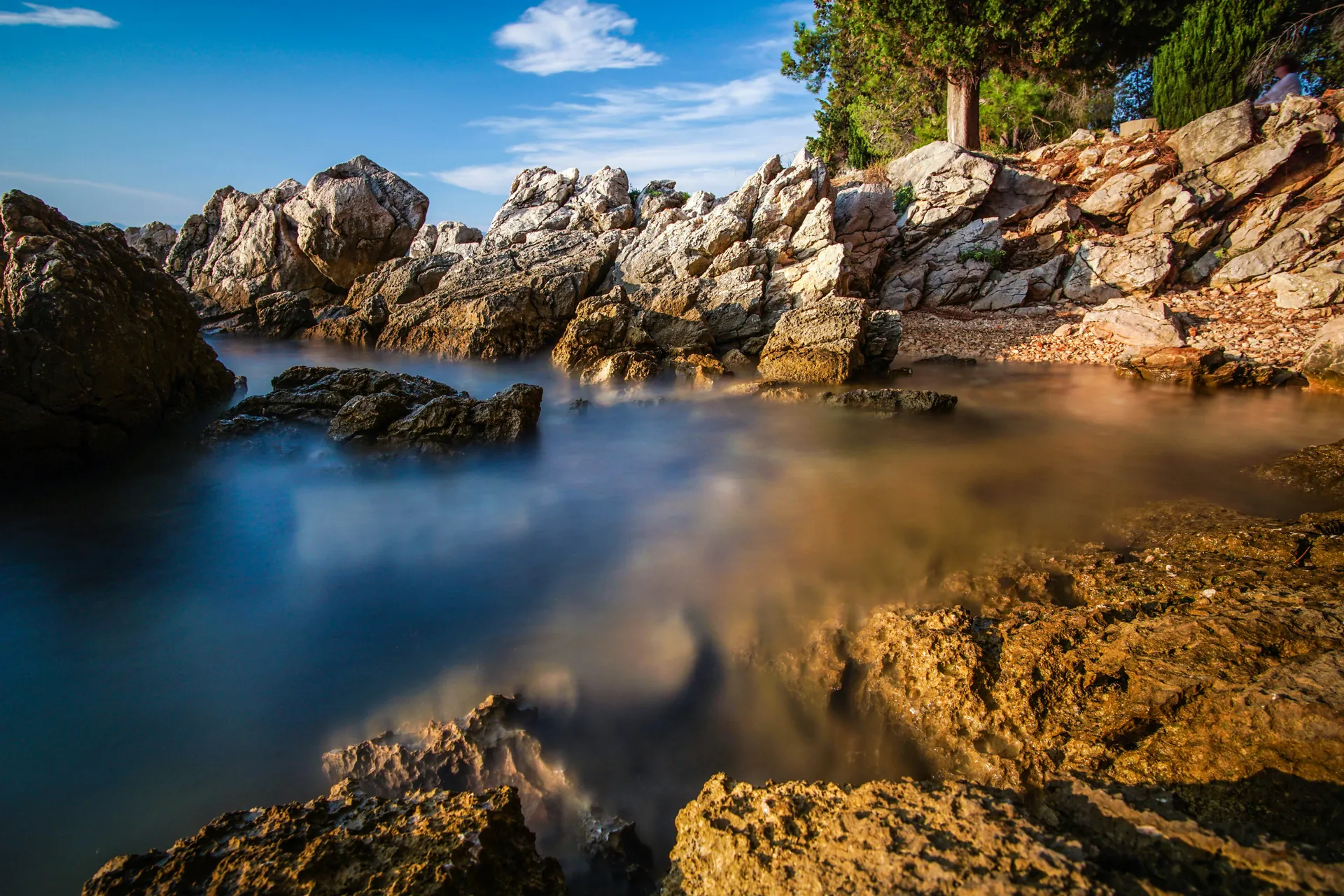
The island of Krk has been a crossroads of Mediterranean civilizations for over two millennia, its cobblestoned streets bearing witness to Roman senators, Venetian merchants, and Frankopan princes who once shaped the Adriatic's political landscape. Nestled at the northern tip of Croatia's Kvarner Gulf, Krk Town rises from a compact fortified peninsula, its Romanesque cathedral and twelfth-century castle walls framing views across cerulean waters that have drawn seafarers since antiquity.
The town itself is an intimate labyrinth of honey-colored stone, where narrow alleys open unexpectedly onto sun-drenched piazzas adorned with café terraces. The Cathedral of the Assumption, built upon the foundations of a Roman bathhouse, stands as a layered monument to Krk's many lives—its columns repurposed from ancient temples, its nave echoing with centuries of devotion. The adjacent Frankopan Castle, with its round Venetian tower, offers a panoramic terrace where the interplay of island greenery and Adriatic blue feels almost theatrical in its perfection.
Krk's culinary identity is rooted in the austere beauty of its landscape. The island's renowned Vrbnička Žlahtina, a crisp white wine grown exclusively in the dramatic terraced vineyards of nearby Vrbnik, pairs beautifully with freshly caught scampi prepared in the local buzara style—simmered with garlic, white wine, and breadcrumbs. Lamb raised on salt-sprayed pastures carries a distinctive mineral quality, best savored at family-run konobas tucked behind medieval walls. For the adventurous palate, the island's olive oils rival anything produced across the Italian border.
Beyond the town walls, the island rewards exploration. The stunning Baška beach, a crescent of pale pebbles backed by dramatic karst mountains, regularly features among Croatia's finest. The village of Vrbnik, perched on a cliff sixty meters above the sea, offers wine tastings in cellars carved from living rock. The Biserujka Cave near Rudine reveals underground chambers glittering with stalactites, while the ancient Glagolitic inscriptions found across the island—including the famous Baška Tablet—connect visitors to a uniquely Croatian cultural heritage.
Cruise ships typically anchor in the bay with tender service to the compact harbor, placing passengers within immediate walking distance of all major attractions. The town's manageable scale makes it ideal for independent exploration on foot. Spring and early autumn offer the most pleasant conditions, with fewer crowds and temperatures perfect for wandering the old town. The island's position in the sheltered Kvarner Gulf generally ensures calm waters, making it a reliably comfortable port of call.