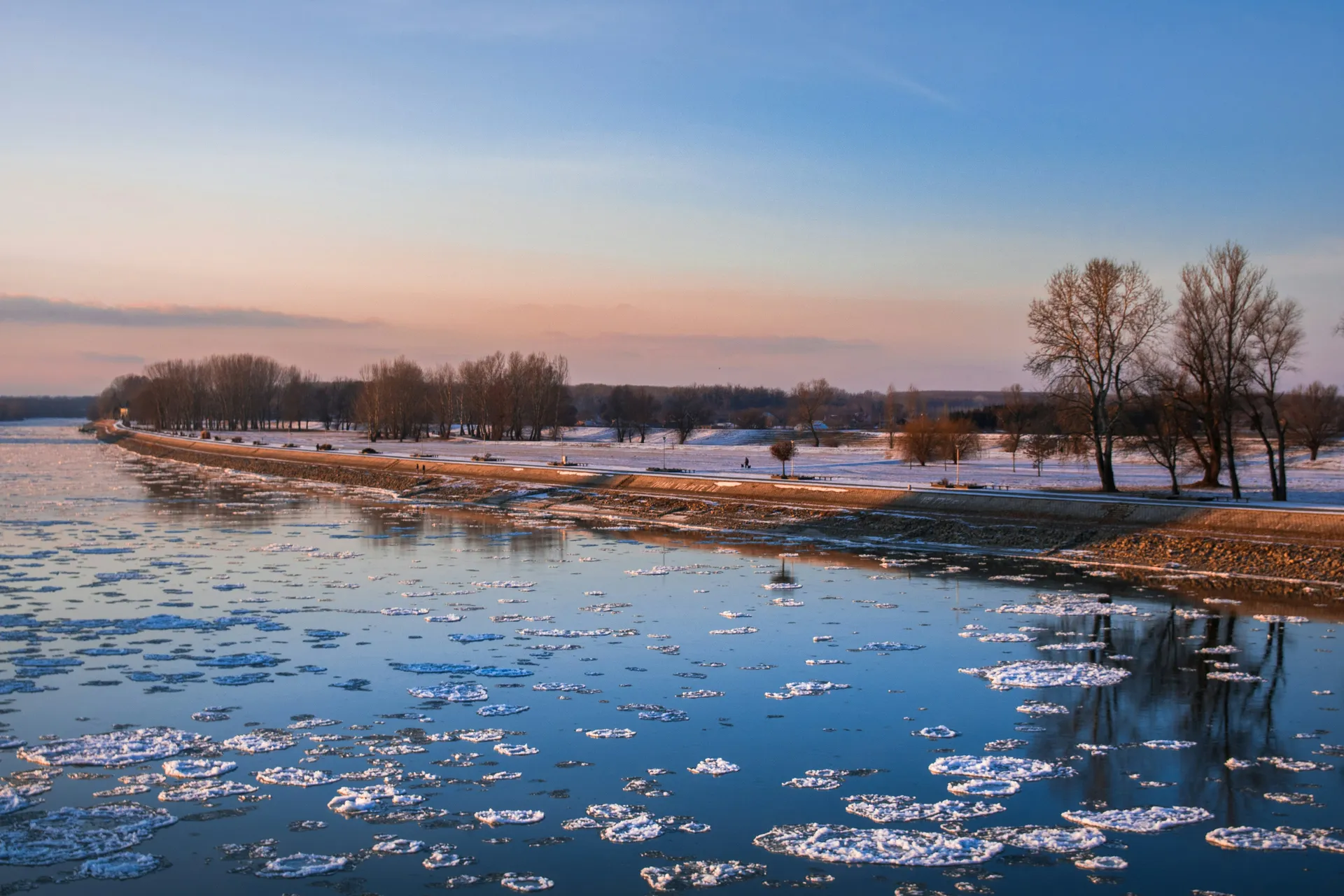
Where the Drava River bends through the vast Slavonian plain, Osijek reveals itself as a city shaped by centuries of imperial ambition and quiet resilience. Founded as the Roman colony of Mursa in the first century AD — site of one of antiquity's bloodiest battles in 351 AD between the forces of Constantius II and the usurper Magnentius — this riverfront settlement later flourished under Habsburg rule, its baroque fortress quarter rising in the early eighteenth century as a bulwark against Ottoman expansion. Today, that same Tvrđa fortress stands as one of the finest preserved baroque ensembles in all of Central Europe, its ochre facades and cobblestone squares whispering of a grandeur that predates Vienna's own architectural golden age.
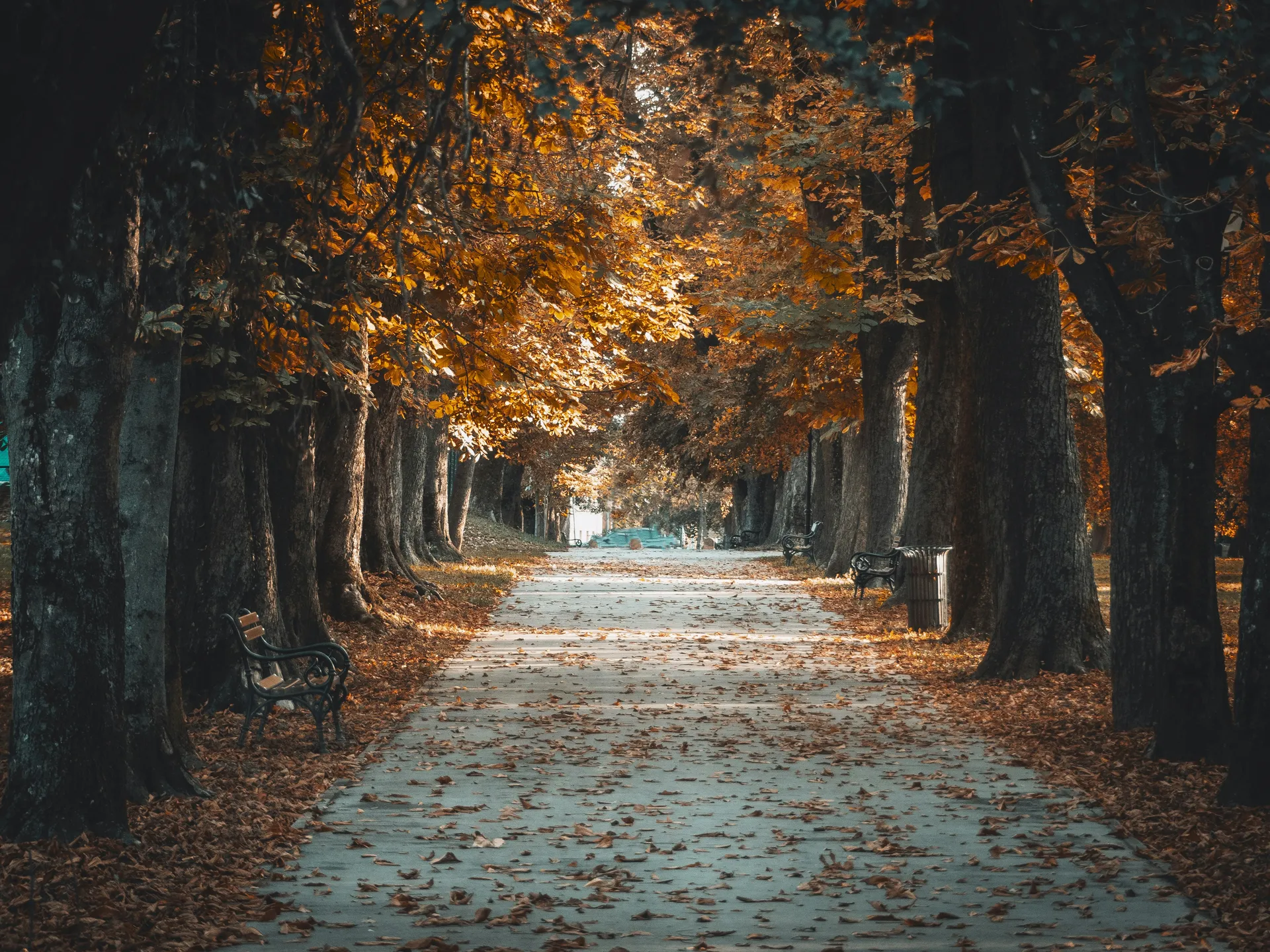
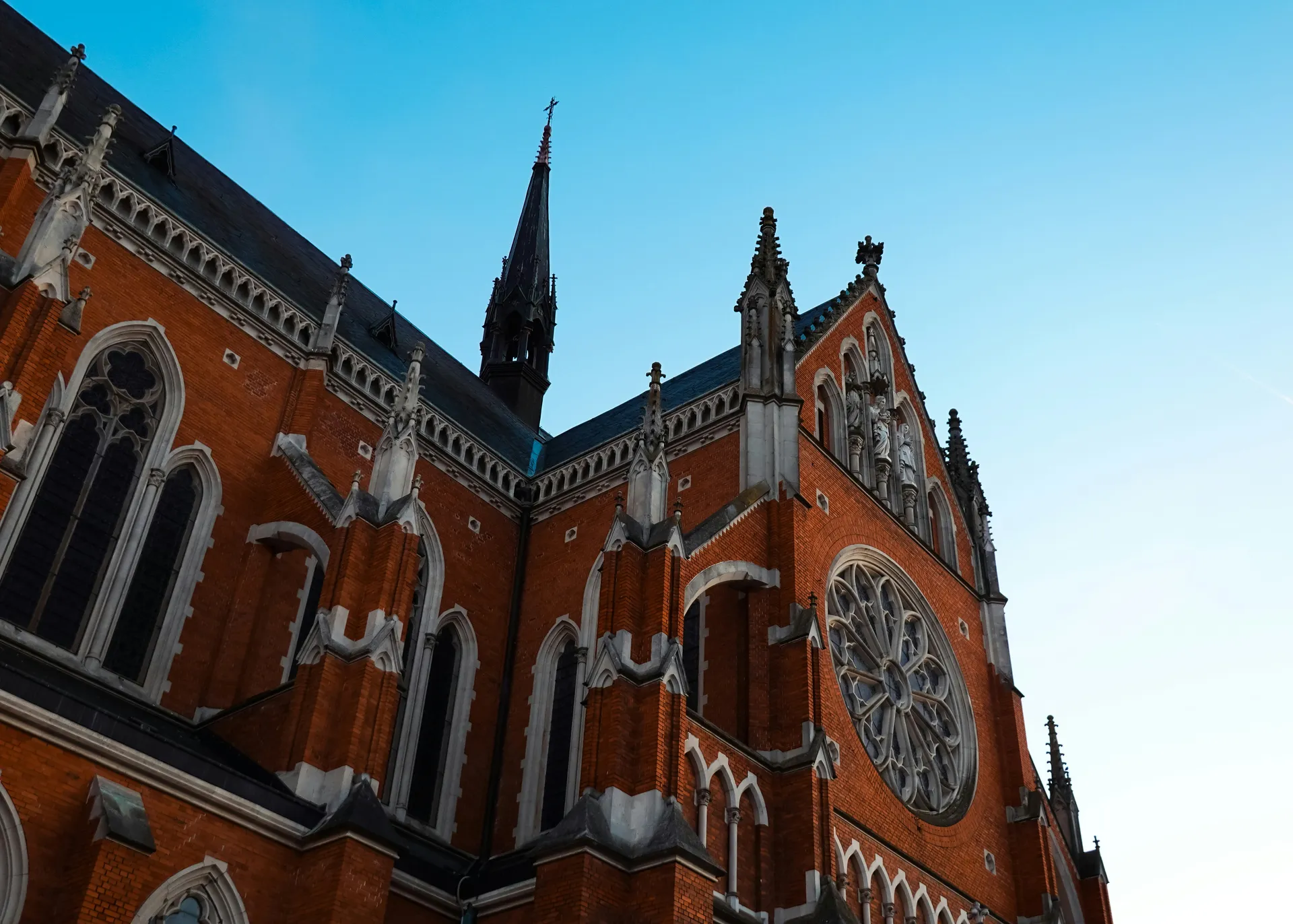
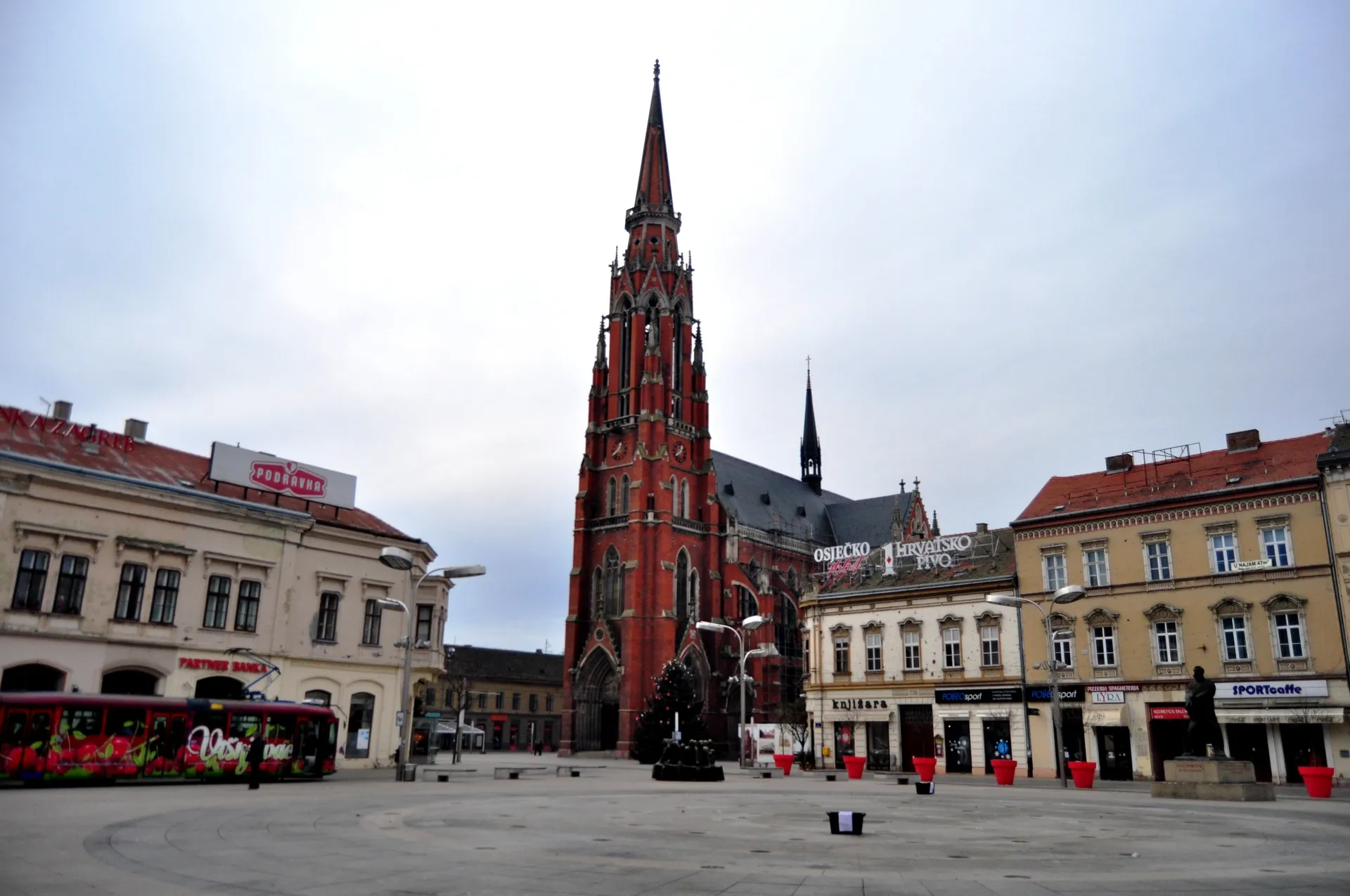
There is a particular quality of light in Osijek that belongs to river cities alone — soft, diffused, catching the surface of the Drava in sheets of silver and amber. The pedestrian promenade along the waterfront unfolds with an unhurried elegance, lined with art nouveau buildings whose ornamental ironwork speaks to the prosperity of the city's turn-of-century merchant class. The iconic suspension footbridge, a graceful arc of steel cables connecting the old town to the opposite bank, has become as much a symbol of Osijek as the fortress itself. In the evening hours, when the cathedral spires of Saints Peter and Paul — Croatia's second tallest structure at ninety metres — catch the last light, the city assumes a contemplative beauty that rewards those who linger rather than rush.
Slavonian cuisine operates on a principle of abundance and depth that distinguishes it from the lighter coastal fare most travellers associate with Croatia. Begin with kulen, the noble paprika-laced sausage cured in the cold Slavonian wind — a slow art perfected over generations, earning it EU protected designation status. The fiš paprikaš, a cauldron-simmered river fish stew dense with sweet paprika and served over handmade dumplings, is nothing short of elemental, a dish that captures the terroir of the Drava floodplain in every spoonful. Pair it with a glass of Graševina from the nearby Baranja wine region, where the golden-hued varietal achieves a mineral complexity that surprises even seasoned oenophiles. For something sweeter, seek out šaran u rašljama — whole carp roasted on a wooden fork over an open flame — a ritual as much as a recipe, best experienced at one of the countryside farmsteads that dot the surrounding plains.
While Osijek itself captivates with its understated continental charm, its position within Croatia's broader geography opens doors to remarkable coastal detours. The ancient ruins of Solin, where the mighty Diocletian's Palace complex finds its historical roots in the neighbouring settlement of Salona, offer an archaeological pilgrimage of the highest order. The medieval stone labyrinth of Trogir, a UNESCO World Heritage town seemingly frozen in Venetian splendour, lies further along the Dalmatian coast. For those drawn to island light and lavender-scented air, the aristocratic elegance of Hvar and the untouched coves of Rab present two distinct expressions of Adriatic perfection — one cosmopolitan, the other contemplative.
Osijek's emergence as a distinguished river cruise destination reflects a growing appetite among discerning travellers for the quieter revelations of inland Europe. Princess Cruises features the city within its broader European itineraries, while Scenic River Cruises showcases Osijek as a centrepiece of its intimate Danube and Drava voyages, with all-inclusive shore excursions into the Tvrđa quarter and Baranja wine country. Uniworld River Cruises brings its signature boutique sensibility to the Slavonian stretch, pairing fortress walks with private culinary experiences that illuminate the region's gastronomic heritage. Viking, whose longships have done more than perhaps any fleet to redefine river travel, positions Osijek within journeys that trace the waterways of Central Europe with scholarly curiosity and understated refinement. For each of these lines, Osijek represents something increasingly rare — a destination that has not yet learned to perform for tourists, offering instead the genuine article.