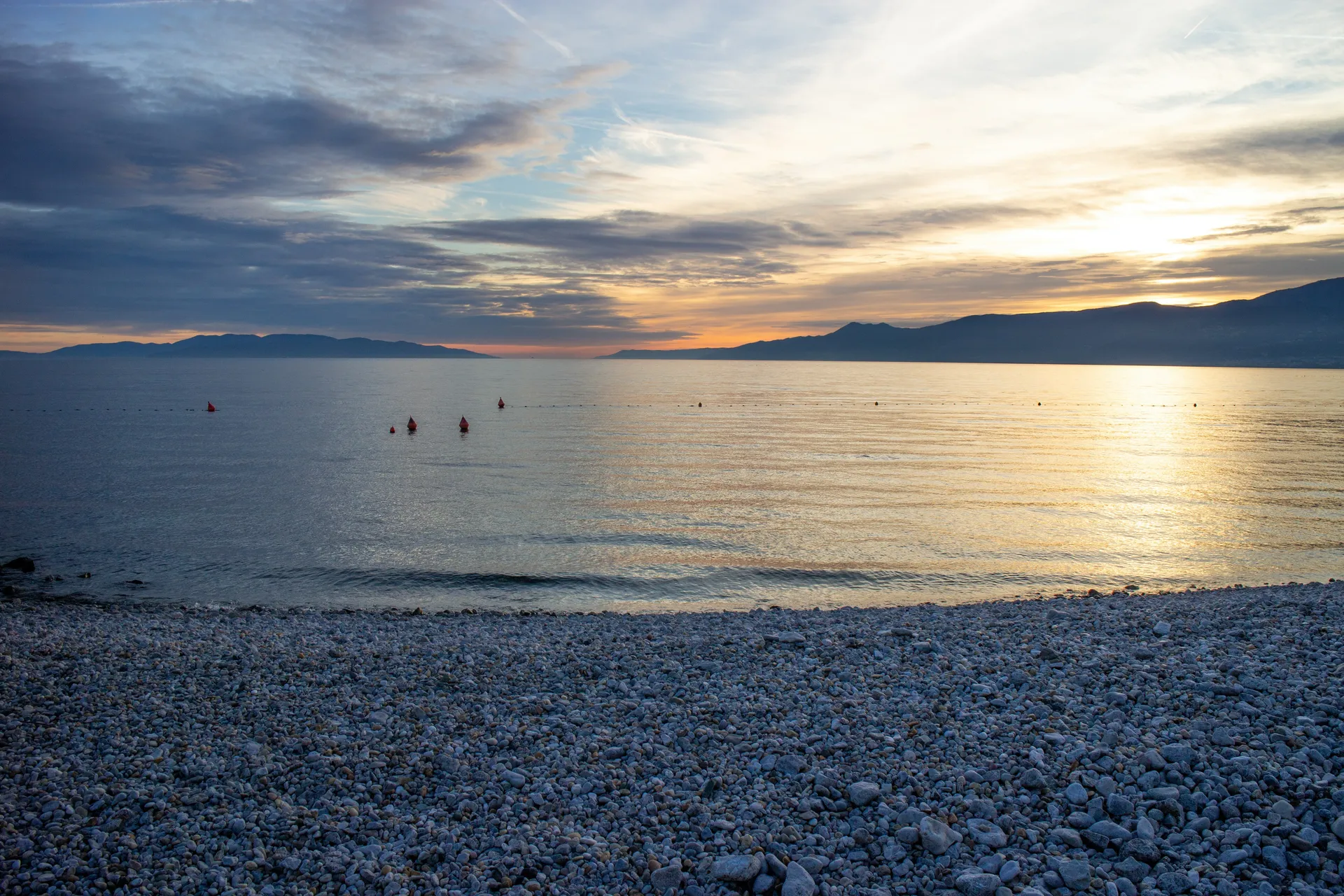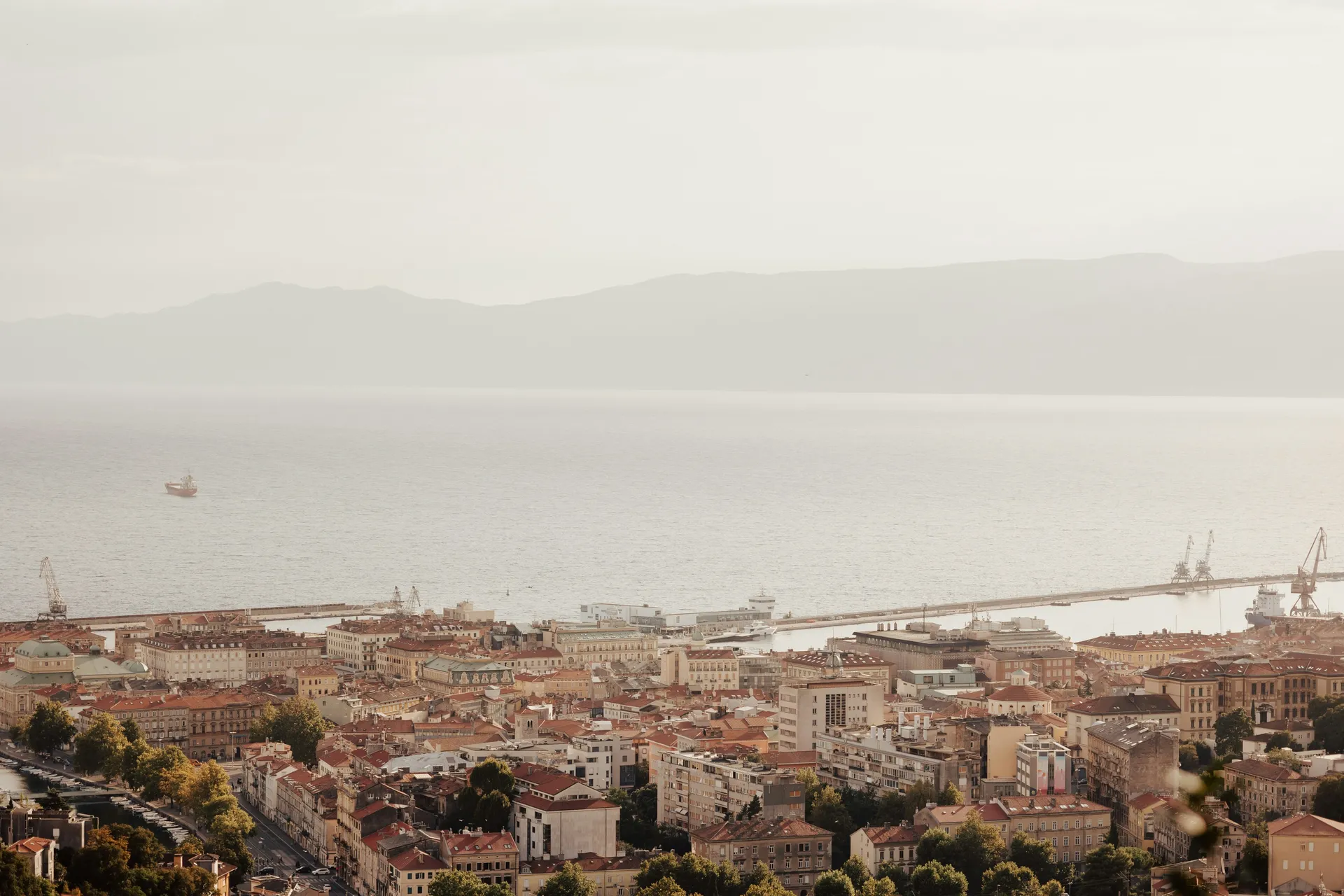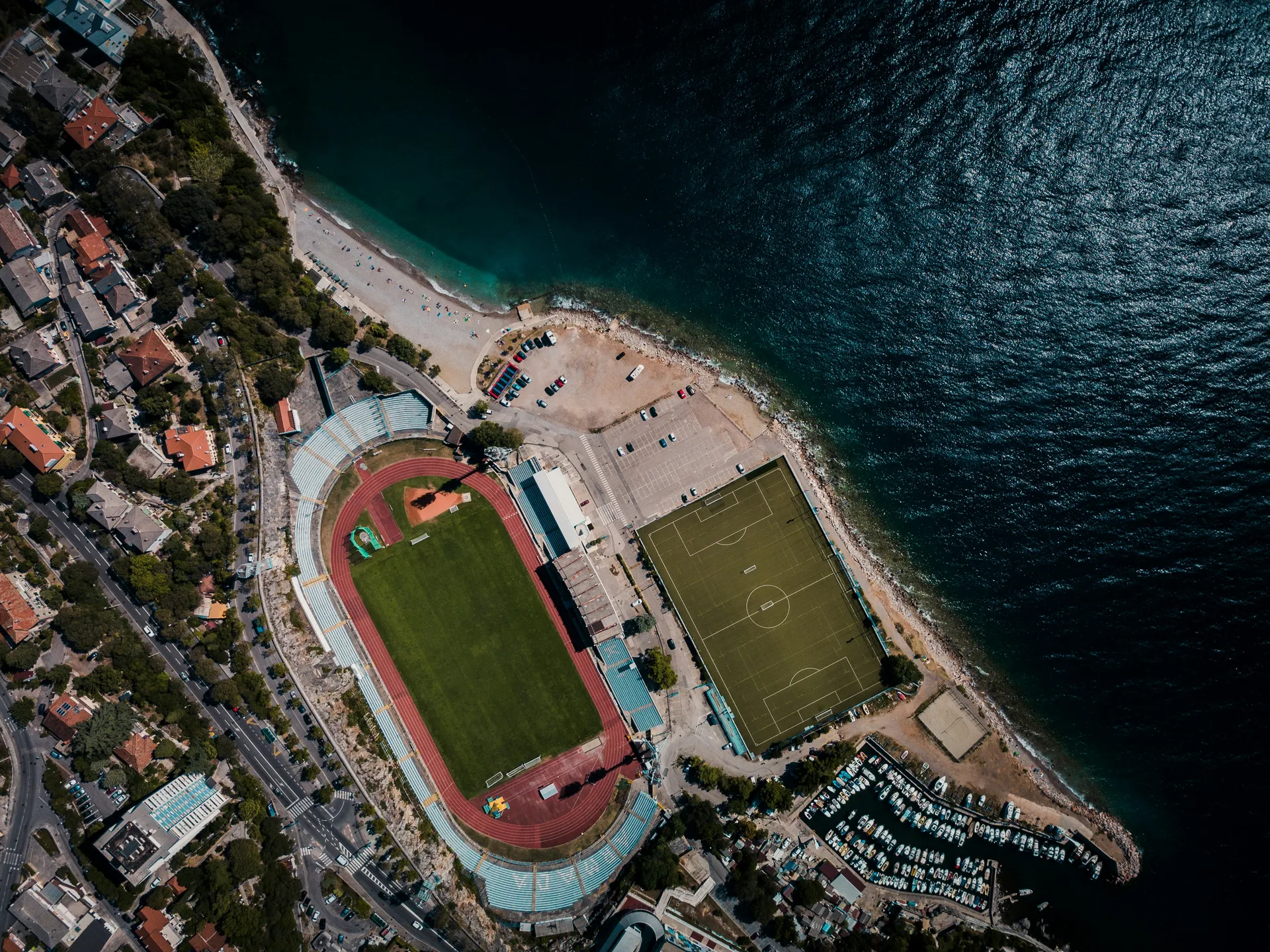
Where the mountains of the Dinaric Alps plunge into the deep waters of Kvarner Bay, Rijeka has been reinventing itself with the restless energy of a port city that has never been content with a single identity. Croatia's third-largest city served as the 2020 European Capital of Culture, a recognition that formalized what residents had long known: this is a city of unexpected cultural depth, where Habsburg grandeur, industrial heritage, and contemporary creativity converge along a waterfront that has welcomed vessels from across the Mediterranean and beyond for over two millennia. While Dubrovnik and Split claim the touristic spotlight, Rijeka offers something rarer — an authentic working city that happens to possess extraordinary architecture, a vibrant arts scene, and one of Croatia's most distinctive culinary traditions.
The Korzo, Rijeka's elegant pedestrian boulevard, channels the energy of Viennese Ringstraße through Croatian temperament. Lined with Austro-Hungarian buildings whose ornate facades speak of the city's century as one of the Habsburg Empire's principal ports, the Korzo serves as Rijeka's social spine — cafés spill onto the pavement, street performers compete for attention, and the evening passeggiata transforms the boulevard into a theatre of social ritual. The City Clock Tower, the Korzo's most recognized landmark, bridges the old town above and the commercial center below, while the nearby fish market — a magnificent Art Nouveau pavilion — sells the day's catch from Kvarner Bay with the theatrical flair that Croatian markets do better than almost anywhere.
Trsat Castle, crowning the hill above the city, provides both the finest views and the deepest historical connections. From its medieval battlements, the panorama encompasses the entire Kvarner Bay — the islands of Cres and Krk floating on the Adriatic horizon, the city cascading down the hillside, and the shipyards that once made Rijeka a naval powerhouse lining the waterfront. The castle's history stretches back to Celtic and Roman fortifications, and the adjacent Church of Our Lady of Trsat has been a pilgrimage destination since the thirteenth century, when legend holds that the Holy House of Nazareth rested here on its miraculous flight to Loreto in Italy.
Rijeka's cultural renaissance has transformed former industrial spaces into creative hubs. The Benčić cultural quarter, occupying a complex of nineteenth-century tobacco factory and sugar refinery buildings, houses the Museum of Modern and Contemporary Art and the City Museum in spaces where industrial architecture meets contemporary exhibition design. The Carnival of Rijeka, the largest in Croatia and one of the most exuberant in Europe, fills the streets each February with masked processions that blend Venetian elegance with the pagan traditions of the zvončari — bell-ringers from surrounding villages whose sheep-skinned, bell-laden costumes are recognized by UNESCO as intangible cultural heritage.
AIDA, Explora Journeys, and Ponant include Rijeka in their Adriatic itineraries, with the port accommodating cruise vessels at the waterfront within walking distance of the Korzo. The season runs from April through October, with summer bringing the warmest weather and the most active cultural programming. Rijeka serves as an excellent gateway to the northern Adriatic — the islands of the Kvarner archipelago, the medieval gem of Trogir, and the historic towns of Istria all lie within easy reach, while the city itself offers enough architectural splendor, gastronomic distinction, and cultural energy to reward a full day of exploration.