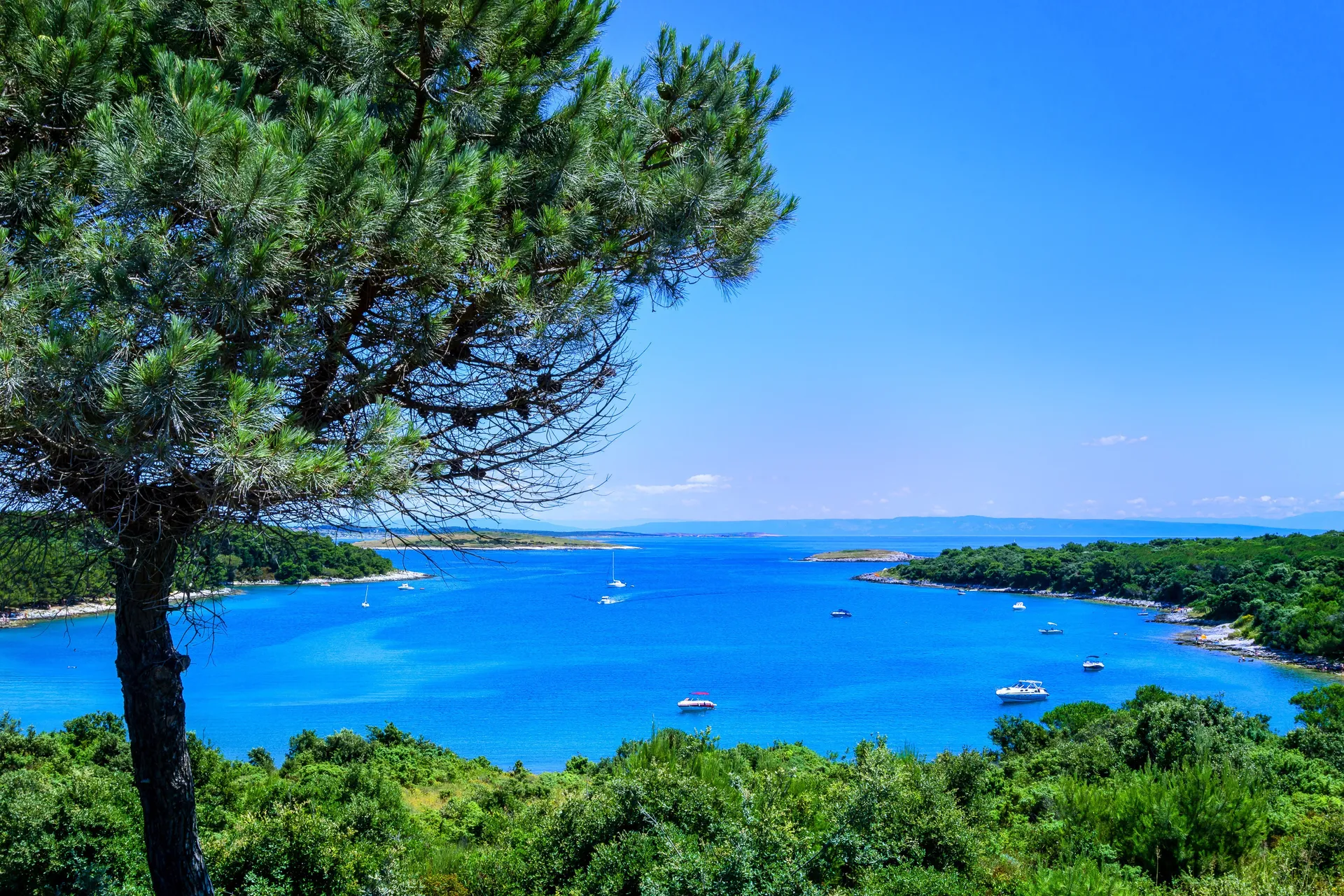
In the Šibenik archipelago of central Dalmatia, the small island of Zlarin floats in the Adriatic like a green jewel set in blue enamel — a car-free island of barely three hundred permanent residents that has been famous for a single, extraordinary product for over five centuries: red coral. The coral divers of Zlarin harvested the precious Corallium rubrum from the Adriatic seabed for generations, transforming the raw material into jewellery and decorative objects that were traded across Europe and the Ottoman Empire. This tradition, though diminished by overharvesting and environmental change, remains central to Zlarin's identity.
The Coral Museum, housed in a historic building near the harbour, tells the story of the island's coral industry with a collection of carved coral pieces, diving equipment, and historical photographs that document the dangerous work of the koraljaši (coral divers). The museum explains the biology of Mediterranean red coral — a slow-growing organism that takes decades to reach harvestable size — and the conservation challenges that have made traditional coral diving unsustainable. Modern Zlarin artisans still work with coral, creating jewellery that is sold in the island's small shops, though the raw material now comes primarily from certified sustainable sources.
Zlarin's charm extends well beyond its coral heritage. The island is entirely car-free — the only motorized vehicles belong to essential services — creating an atmosphere of profound tranquility. The single settlement, clustered around the harbour, presents a streetscape of stone houses, flowering gardens, and narrow lanes that lead to olive groves and pine forests. The island's churches — particularly the Baroque Church of the Assumption, with its ornate altarpiece — reflect the piety and aesthetic sensibility of a community that has been rooted in this landscape for centuries.
The waters surrounding Zlarin are exceptionally clear, offering swimming and snorkelling from rocky coves and small pebble beaches around the island's perimeter. The harbour itself provides calm swimming, and the waterfront restaurants serve the Dalmatian specialties that define Croatian coastal cuisine: grilled fish of impeccable freshness, black risotto with cuttlefish ink, pašticada (slow-braised beef in a sweet-sour sauce), and the local olive oils and wines from vineyards that benefit from the island's sunny microclimate.
Zlarin is reached by regular ferry service from Šibenik (approximately twenty-five minutes), making it an easy day trip or a peaceful overnight escape. The medieval city of Šibenik, with its UNESCO-listed Cathedral of St. James, provides a compelling cultural complement. Expedition cruise ships and yachts anchor in the harbour. The best visiting season is May through October, with June and September offering warm weather without peak-summer crowds. Zlarin represents the Dalmatian island experience at its most intimate — a place where the absence of cars, the presence of history, and the beauty of the Adriatic combine to create a refuge of extraordinary quality.

