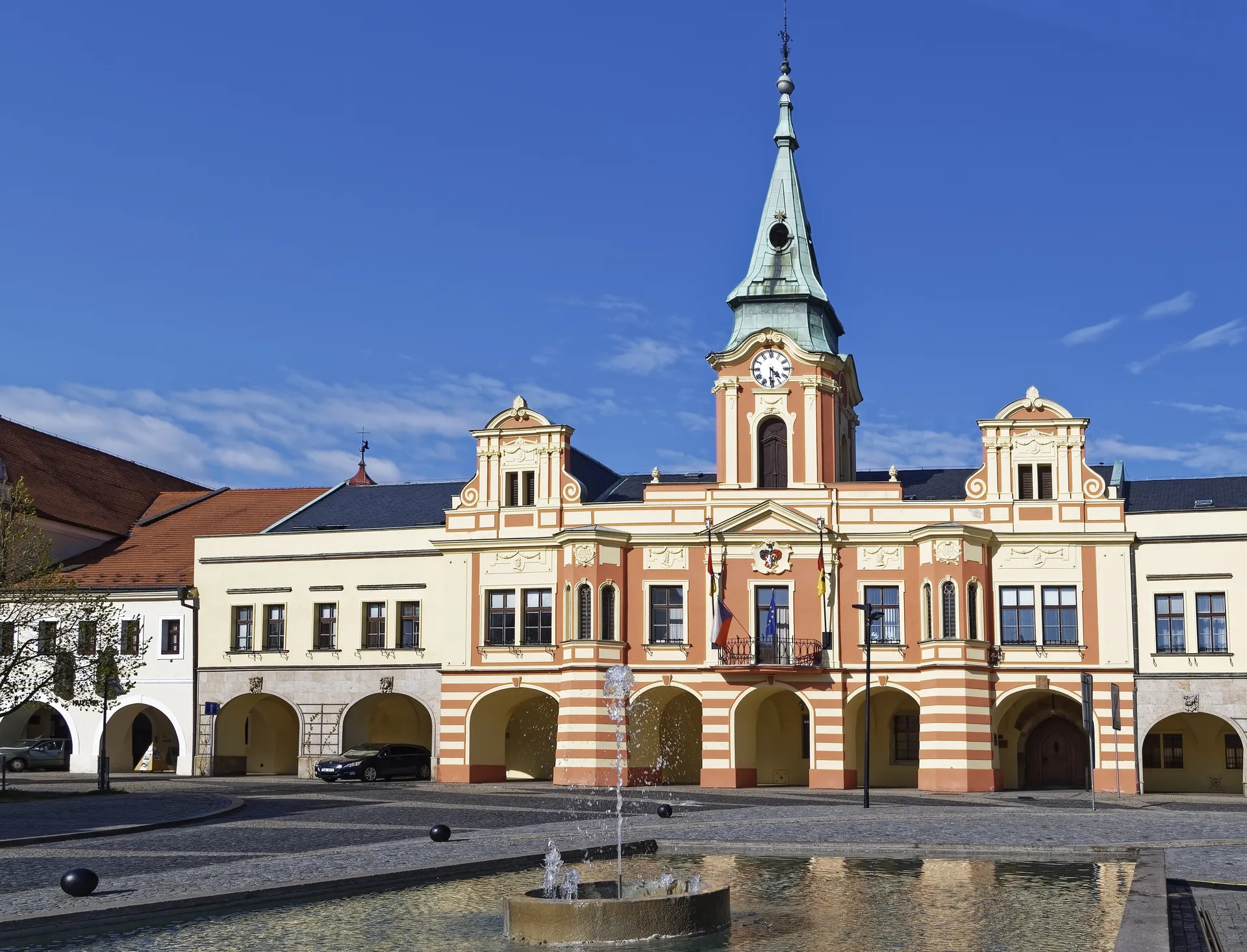
Mělník sits at the confluence of the Vltava and Elbe rivers in a position of almost poetic geographical significance—the point where Bohemia's most famous river surrenders its identity to the greater Elbe, which will carry these combined waters through Germany to the North Sea at Hamburg. This small Czech town, perched on a vine-covered bluff above the confluence, has been the center of Bohemian winemaking for over a thousand years, producing wines from grapes first planted by the ninth-century Czech saint Ludmila.
The Mělník Château, crowning the bluff above the rivers, has been home to the Lobkowicz family—one of Bohemia's most prominent noble houses—since the seventeenth century. The château combines Gothic, Renaissance, and Baroque elements in a complex that reflects the successive ambitions of its aristocratic owners, and its wine cellars continue to produce and sell wines from the surrounding vineyards. The château terrace offers one of the Czech Republic's most memorable views: the broad sweep of the Elbe Valley, the red rooftops of the town below, and the green expanse of the Polabí lowlands stretching north toward Germany.
Mělník's viticultural history is central to its identity. The Burgundy grape varieties that Charles IV introduced to these hillsides in the fourteenth century—he had studied in Paris and wanted to improve Bohemian wine—established a tradition that continues today, with local winemakers producing distinctive Pinot Noir (locally called Rulandské modré), Müller-Thurgau, and Traminer from the sun-warmed slopes above the river. The wine festival held each September fills the town's narrow streets with tastings, music, and the buoyant atmosphere of a community celebrating its defining cultural product.
The Church of Saints Peter and Paul, adjacent to the château, conceals one of the Czech Republic's most unusual attractions—an ossuary containing the bones of an estimated 10,000 to 15,000 individuals, arranged in geometric patterns that reflect a Central European memento mori tradition. While less famous than the Sedlec Ossuary near Kutná Hora, Mělník's bone house is impressively arranged and considerably less crowded, allowing for a more contemplative encounter with this distinctive expression of Baroque-era spirituality.
River cruise vessels dock at Mělník on Elbe and Vltava itineraries, with the town accessible by a short walk from the river. The château, church, and ossuary can be visited in two to three hours, with wine tasting adding pleasant additional time. The town serves as a natural excursion point for Prague-bound river cruises, with the Czech capital approximately thirty kilometers upstream on the Vltava. The continental climate produces warm summers and cold winters; May through October provides the most pleasant visiting conditions, with September's wine harvest adding seasonal festivities and the opportunity to taste the year's new vintage.

