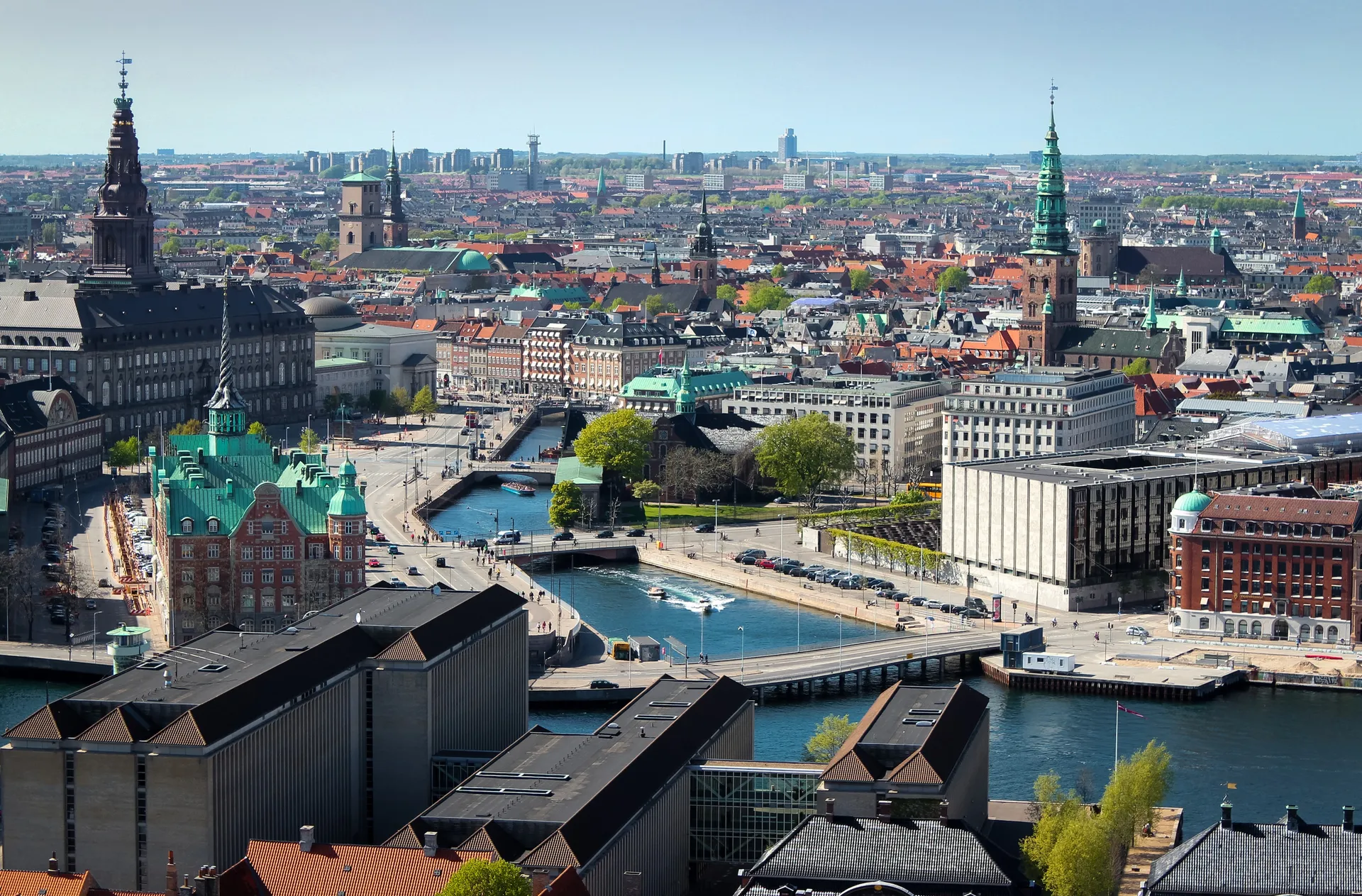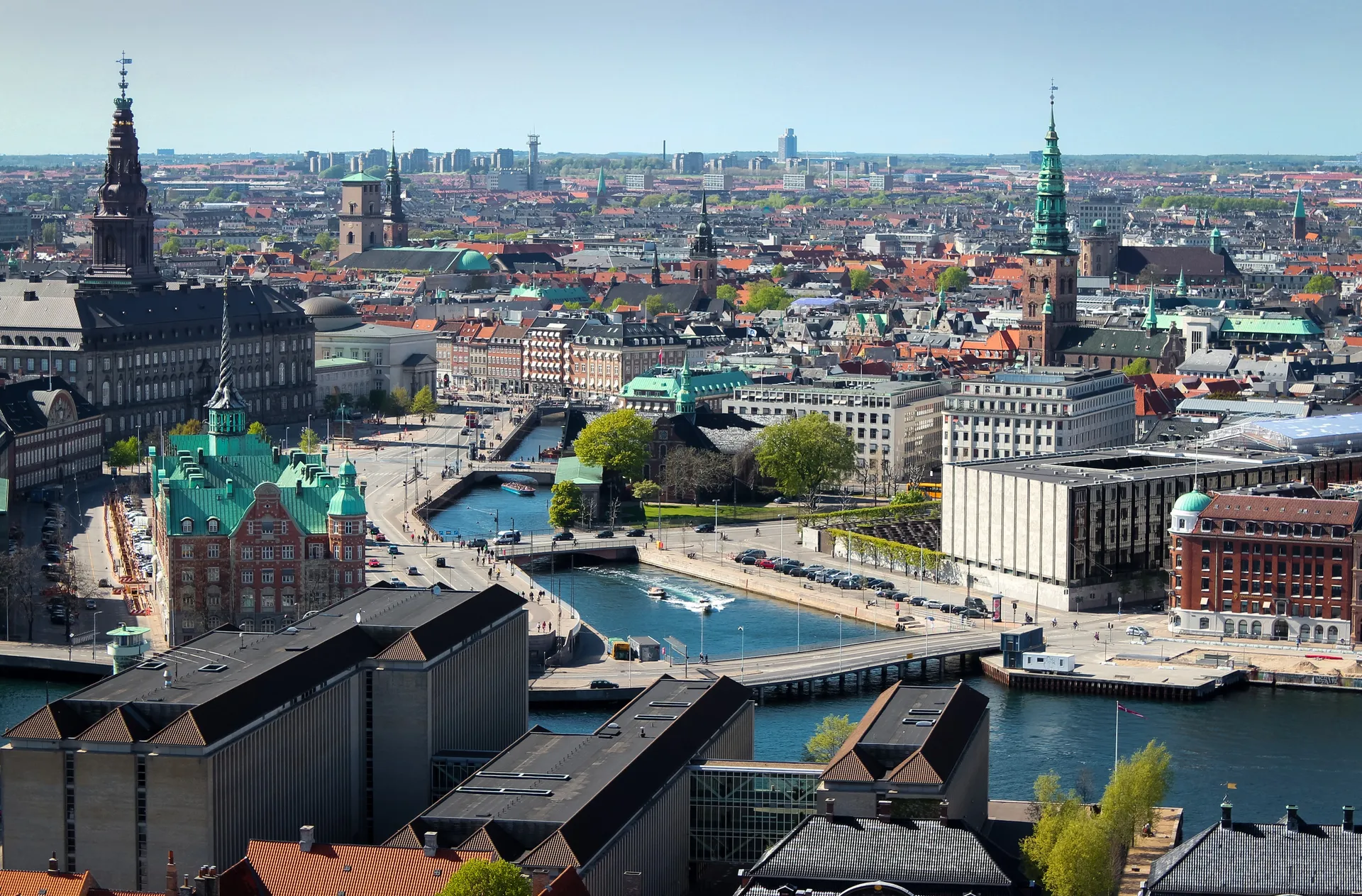
Copenhagen's origins are deceptively humble: a small fishing hamlet called Havn — simply "the harbour" — that Viking chieftain Absalon fortified with a modest castle on the island of Slotsholmen in 1167. From that rocky islet, the city grew into Scandinavia's most powerful capital, its harbour controlling the lucrative Sound Toll levied on every vessel passing between the Baltic and the North Sea for three centuries. Today the ruins of Absalon's castle lie beneath the foundations of Christiansborg Palace, where the Danish Parliament still convenes above the medieval stones of its founding.
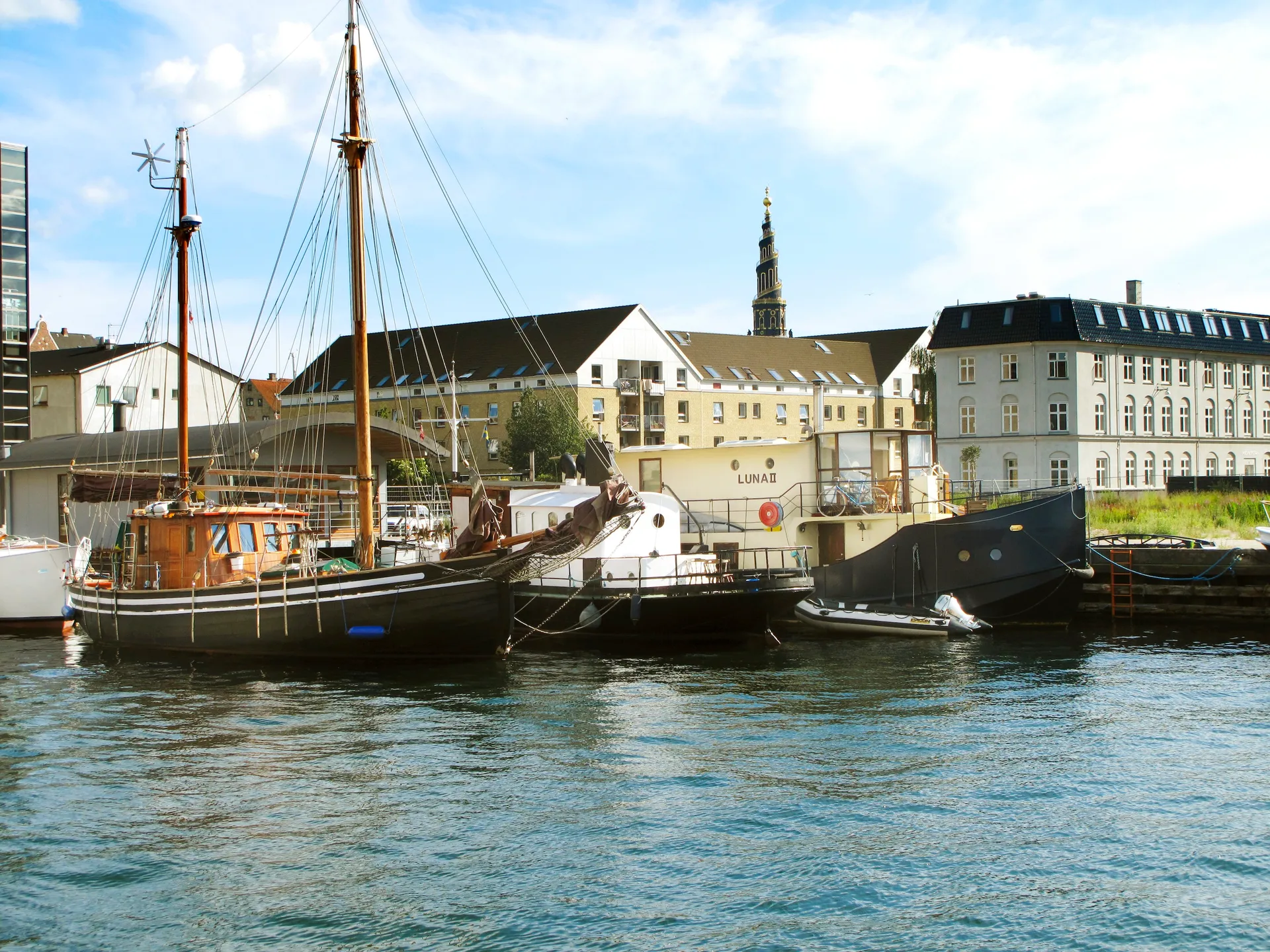
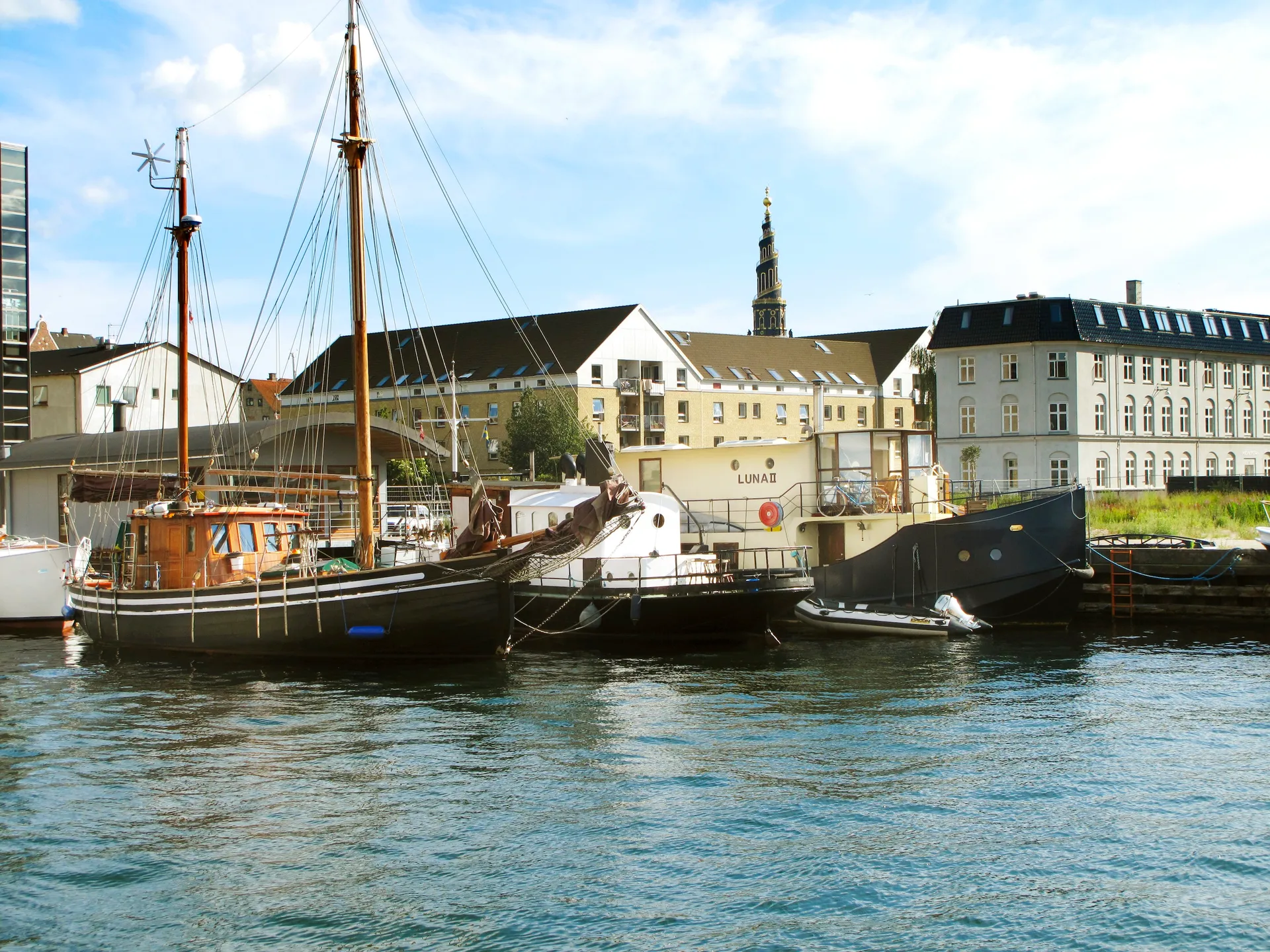
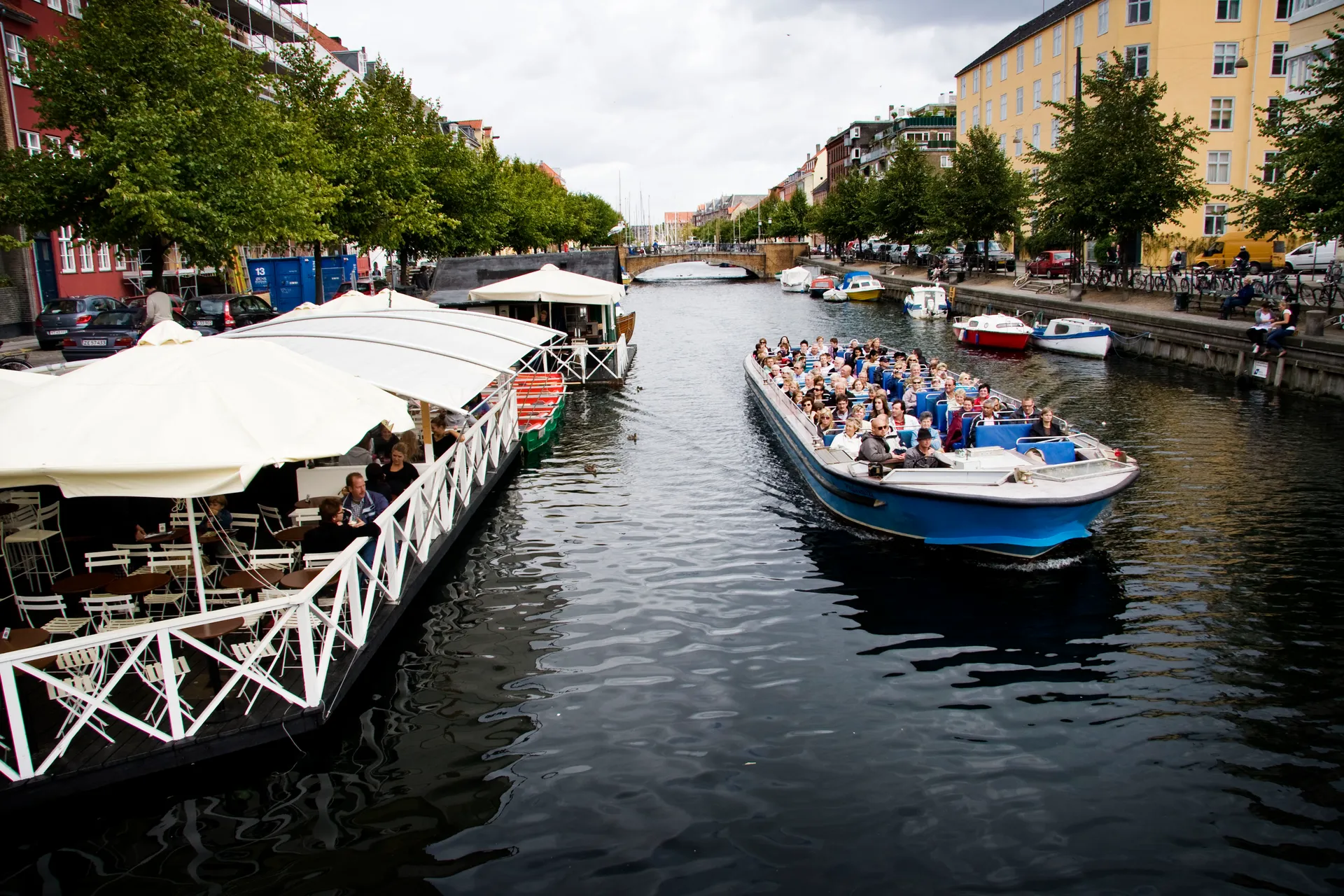
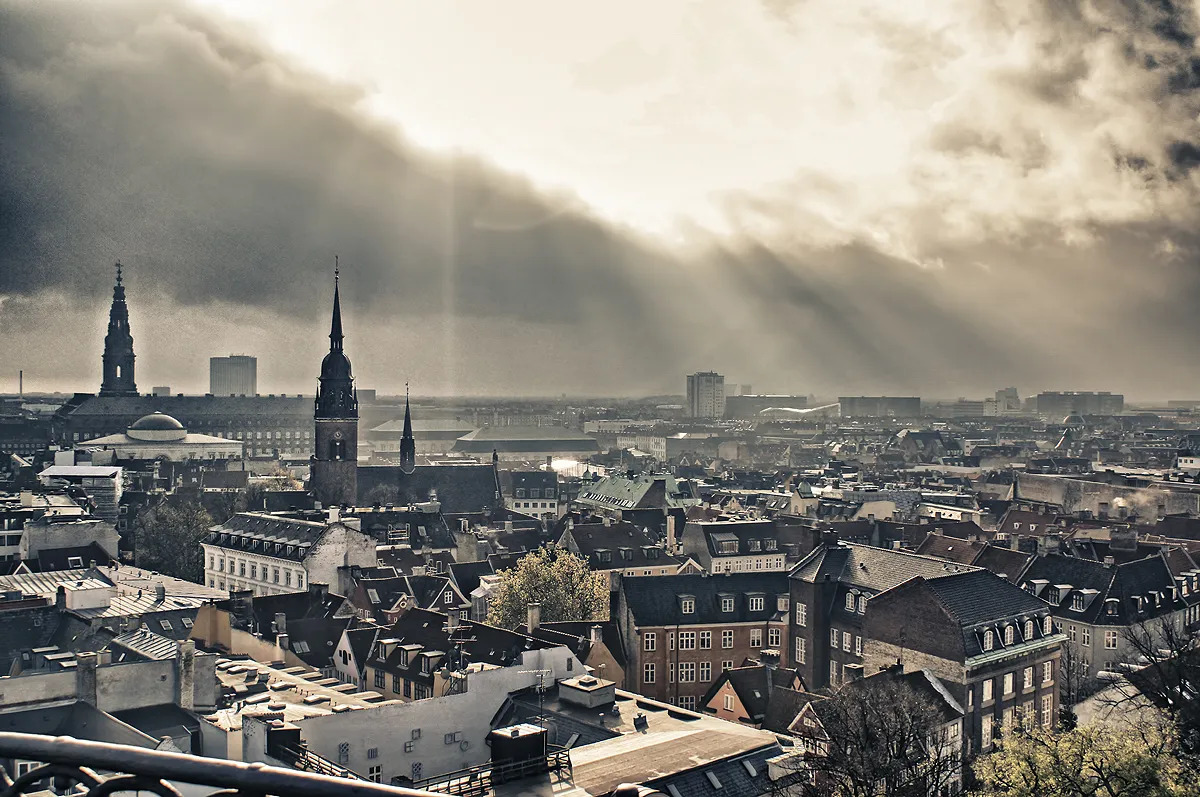
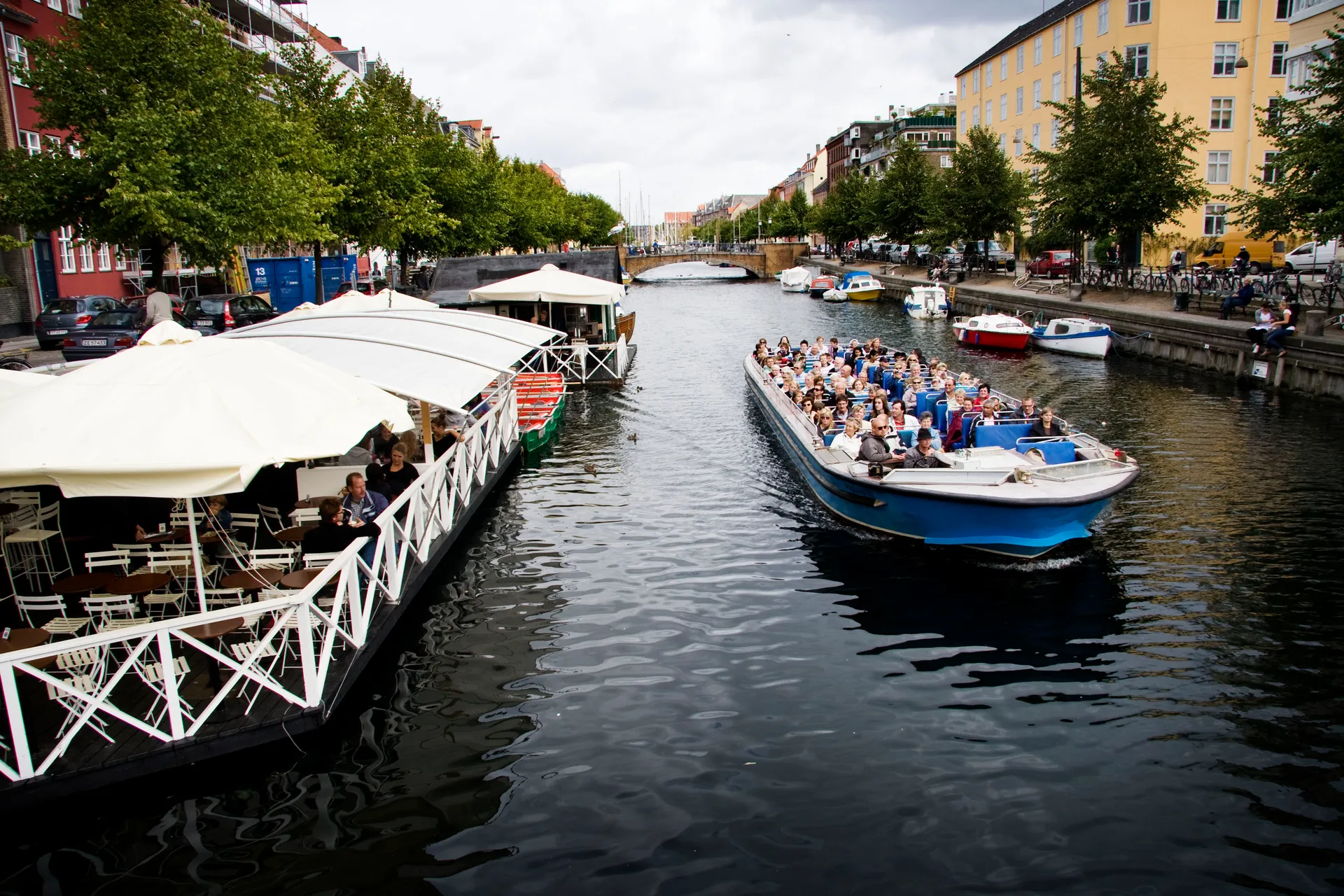
Modern Copenhagen is a city in perpetual, graceful reinvention. The copper spires of the 17th-century Børsen, the Renaissance turrets of Rosenborg Castle, and the baroque facades of Frederiksstaden stand in easy conversation with Bjarke Ingels Group's sinuous new architecture and the glittering glass of the Copenhagen Opera House across the harbour. The harbour itself has undergone a remarkable transformation: once an industrial waterway, it is now clean enough for residents to swim off wooden platforms in summer, and the Cykelslangen — a sinuous elevated bicycle bridge — carries thousands of commuters over the water daily in a city where bicycles outnumber cars.
New Nordic cuisine was born in Copenhagen's kitchens, and its philosophy — celebrating the hyper-local, the fermented, the foraged — has irrevocably changed the global restaurant conversation. The Torvehallerne market in Nørreport presents the edible foundation of that movement: stalls piled with smoked herring, pickled vegetables, wild mushrooms, and cloud-like æbleskiver pastries. The open-faced smørrebrød at traditional lunch spots like Schønnemann, operating since 1877, remains the city's most democratic pleasure — dark rye bread crowned with pickled herring, roast beef, or crisp shrimp. Meanwhile, Nørrebro's café culture and the Meatpacking District's wine bars reveal the Copenhagen that locals actually inhabit after dark.
Beyond the city, the Louisiana Museum of Modern Art in Humlebæk — 35 kilometres north along the Øresund coast — pairs world-class Giacometti sculptures and Warhols with sweeping views over the strait toward Sweden. Kronborg Castle in Helsingør, the fortress immortalised as Elsinore in Shakespeare's Hamlet, stands another 15 kilometres further north and rewards the short rail journey handsomely. Day-trippers can also cross the Øresund Bridge into Malmö, Sweden — a city of strikingly different Nordic character reachable in just 35 minutes by train. Nearby cruise ports of call include Aalborg, Ronne on Bornholm island, and Kalundborg.
Copenhagen is one of Northern Europe's most significant cruise homeports, served by an extraordinary range of lines: AIDA, Ambassador Cruise Line, Azamara, Carnival Cruise Line, Costa Cruises, CroisiEurope, Crystal Cruises, Disney Cruise Line, Emerald Cruises, Explora Journeys, Explorations by Norwegian, Hapag-Lloyd Cruises, Holland America Line, MSC Cruises, Norwegian Cruise Line, Oceania Cruises, Ponant, Princess Cruises, Regent Seven Seas Cruises, Ritz-Carlton Yacht Collection, Royal Caribbean, Scenic Ocean Cruises, Scenic River Cruises, Seabourn, Silversea, Tauck, TUI Cruises Mein Schiff, Viking, VIVA Cruises, and Windstar Cruises all include Copenhagen on Baltic and Northern European itineraries. May through September offers the longest daylight hours and the city's most vibrant street life.