Where the waters of the Kattegat and the Skagerrak converge in a restless embrace, Skagen has stood sentinel at Denmark's northernmost reach since Viking-age fishermen first hauled their catches ashore over a thousand years ago. By the fourteenth century, the town had grown into one of Scandinavia's most prosperous herring markets, its wealth drawing merchants from the Hanseatic League and beyond. Yet it was the extraordinary quality of light — that luminous, almost ethereal glow reflected between two colliding seas — that would ultimately define Skagen's destiny, summoning a colony of painters in the 1880s whose canvases now hang in museums from Copenhagen to Paris.
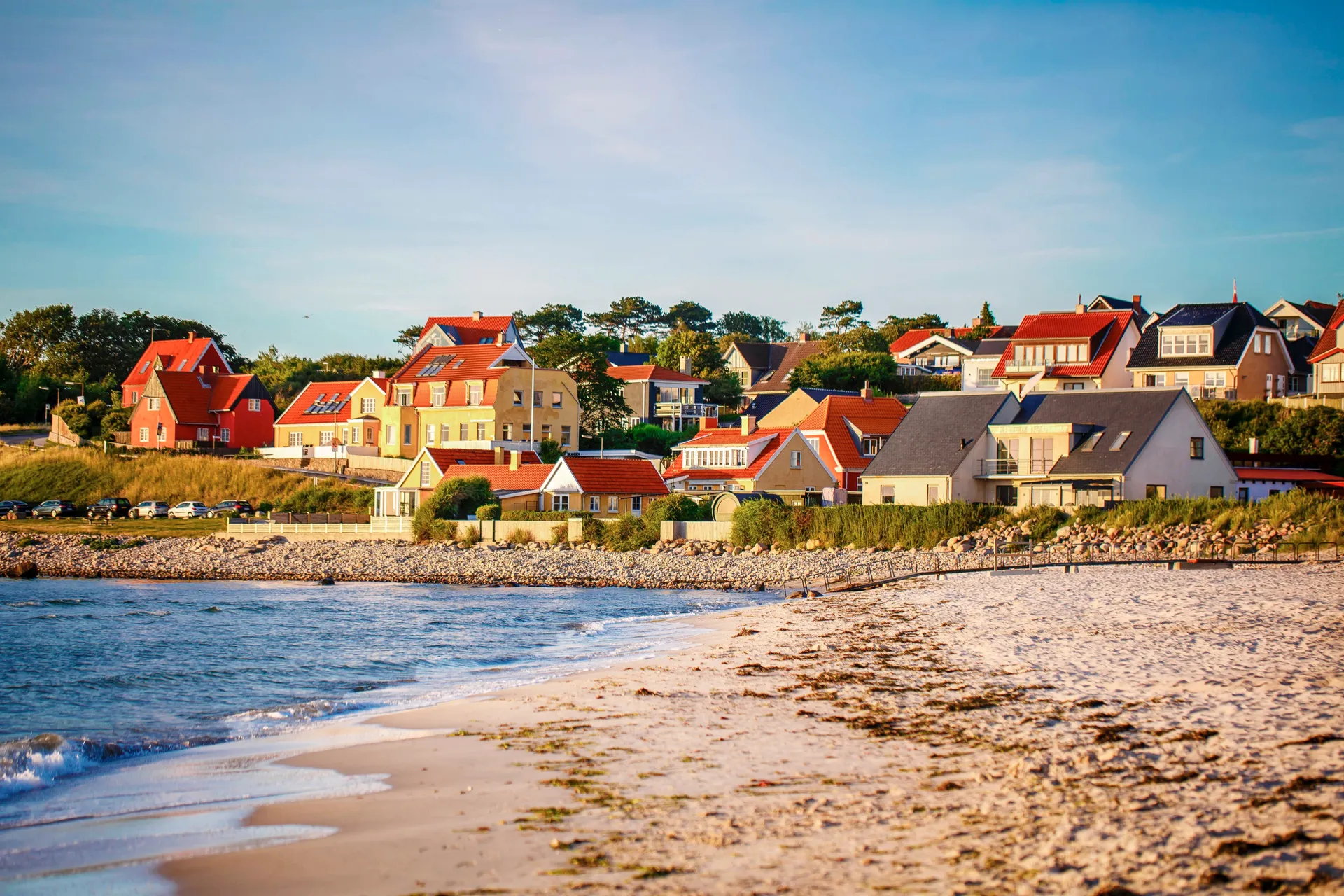
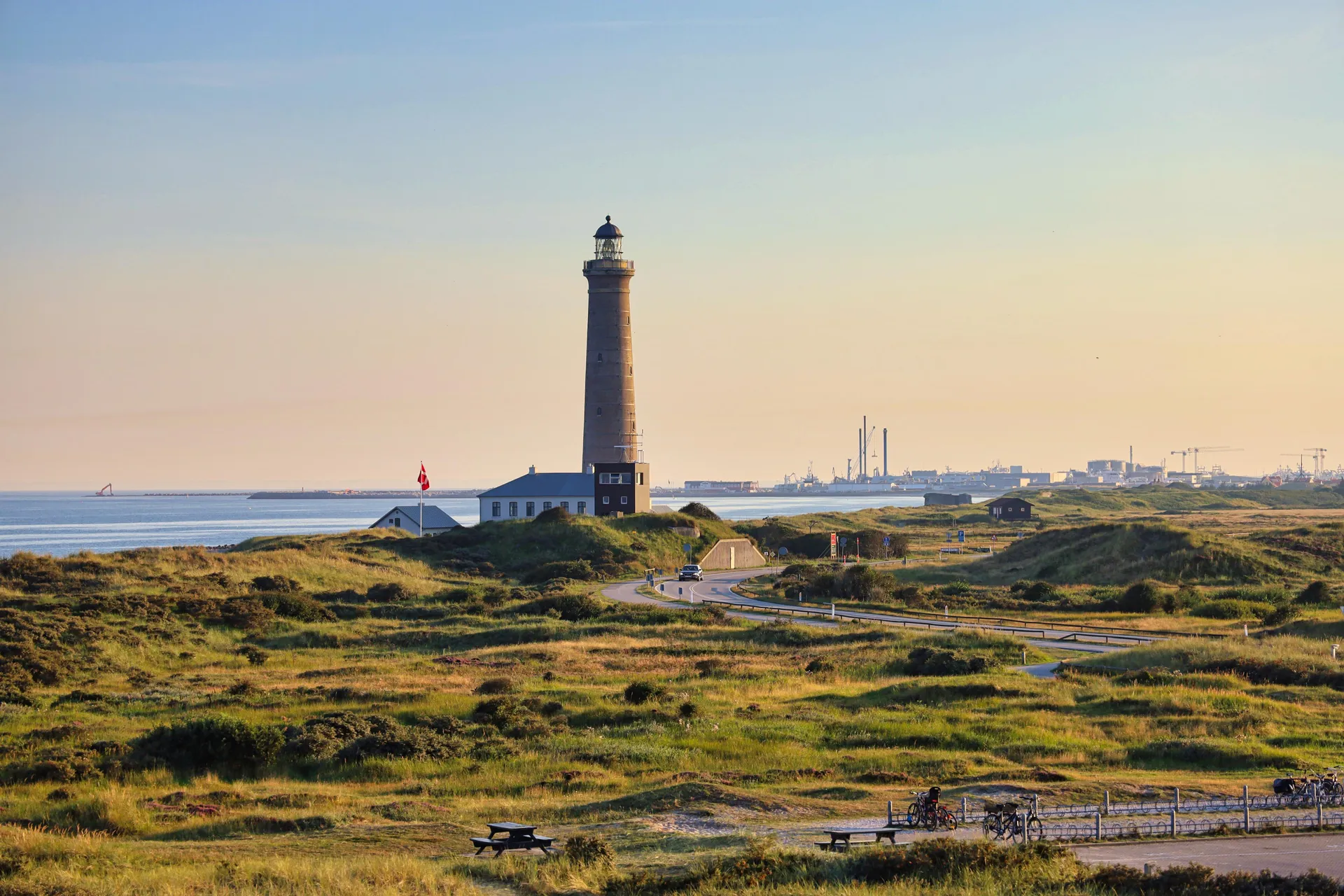
Today, Skagen wears its heritage with the quiet confidence of a place that has never needed to announce itself. Mustard-yellow houses with red-tiled roofs line cobbled lanes that open suddenly onto sweeping vistas of dune grass and pale sky. The harbour remains a working one, its fishing boats returning each morning with the day's catch, while galleries and artisan studios occupy the old merchant quarters with an unhurried grace. At Grenen, the very tip of the Jutland peninsula, visitors stand with one foot in each sea — a geographical rarity that feels almost ceremonial in its simplicity.
The culinary identity of Skagen is inseparable from the ocean. Begin with *stegt rødspætte*, the pan-fried plaice that arrives golden and butter-crisped at harbourside restaurants, served alongside new potatoes and a crown of hand-peeled shrimp. The iconic *toast Skagen* — open-faced and heaped with sweet Nordic prawns, crème fraîche, dill, and a whisper of lemon — originated in Swedish kitchens but finds its most authentic expression here, where the shellfish travel mere metres from net to plate. Pair these with a glass of Danish craft aquavit from one of the region's small-batch distillers, and finish with *hindbærsnitte*, the raspberry slice that has graced Danish bakery windows for generations. For the adventurous palate, the local smokehouses offer *røget makrel* — hot-smoked mackerel with a mahogany glaze — best eaten outdoors with dark rye bread and the salt wind as seasoning.
Skagen also serves as a refined gateway to northern Denmark's wider treasures. The university city of Aalborg, just ninety minutes south, offers the striking Utzon Center designed by the architect of the Sydney Opera House, alongside a waterfront that rivals any in Scandinavia. Copenhagen, Denmark's cosmopolitan capital, awaits further afield with its Michelin-starred restaurants and the cool geometry of Nyhavn's canal houses. The medieval fortress town of Kalundborg and the Baltic island charm of Rønne on Bornholm each reward the traveller who lingers beyond the obvious — one with Romanesque five-towered churches, the other with round fortified churches and artisan smokehouse traditions that date back centuries.
A growing constellation of distinguished cruise lines now includes Skagen on their Northern European and Baltic itineraries, recognising the town's singular appeal. Silversea and Explora Journeys bring their intimate, ultra-luxury vessels to these waters, while Cunard and Princess Cruises offer the grandeur of larger ships with the polish of white-glove service. Celebrity Cruises and Viking both feature Skagen as a highlight on their Scandinavian voyages, complementing it with calls at Norwegian fjords and Baltic capitals. P&O Cruises and AIDA round out the offerings, ensuring that whether one's preference runs to British tradition or contemporary German-market cruising, this luminous corner of Denmark is within reach. Most itineraries call during the summer months, when the light that so captivated the Skagen painters stretches well past ten in the evening, turning the dunes and seascapes into living canvases of gold and violet.