Santo Domingo: The First City of the Americas
Santo Domingo is where the European story of the Americas began. Founded in 1496 by Bartholomew Columbus — brother of Christopher — on the eastern bank of the Ozama River, this is the oldest continuously inhabited European settlement in the Western Hemisphere. The Zona Colonial (Colonial Zone), a UNESCO World Heritage Site since 1990, preserves the first cathedral, the first university, the first hospital, and the first paved street built by Europeans in the New World, all within a walkable grid of cobblestone streets lined with coral-stone buildings that have stood for over five centuries. The weight of this history — and the complex legacy of colonialism, slavery, and cultural synthesis that it encompasses — makes Santo Domingo one of the most intellectually rewarding destinations in the Caribbean.
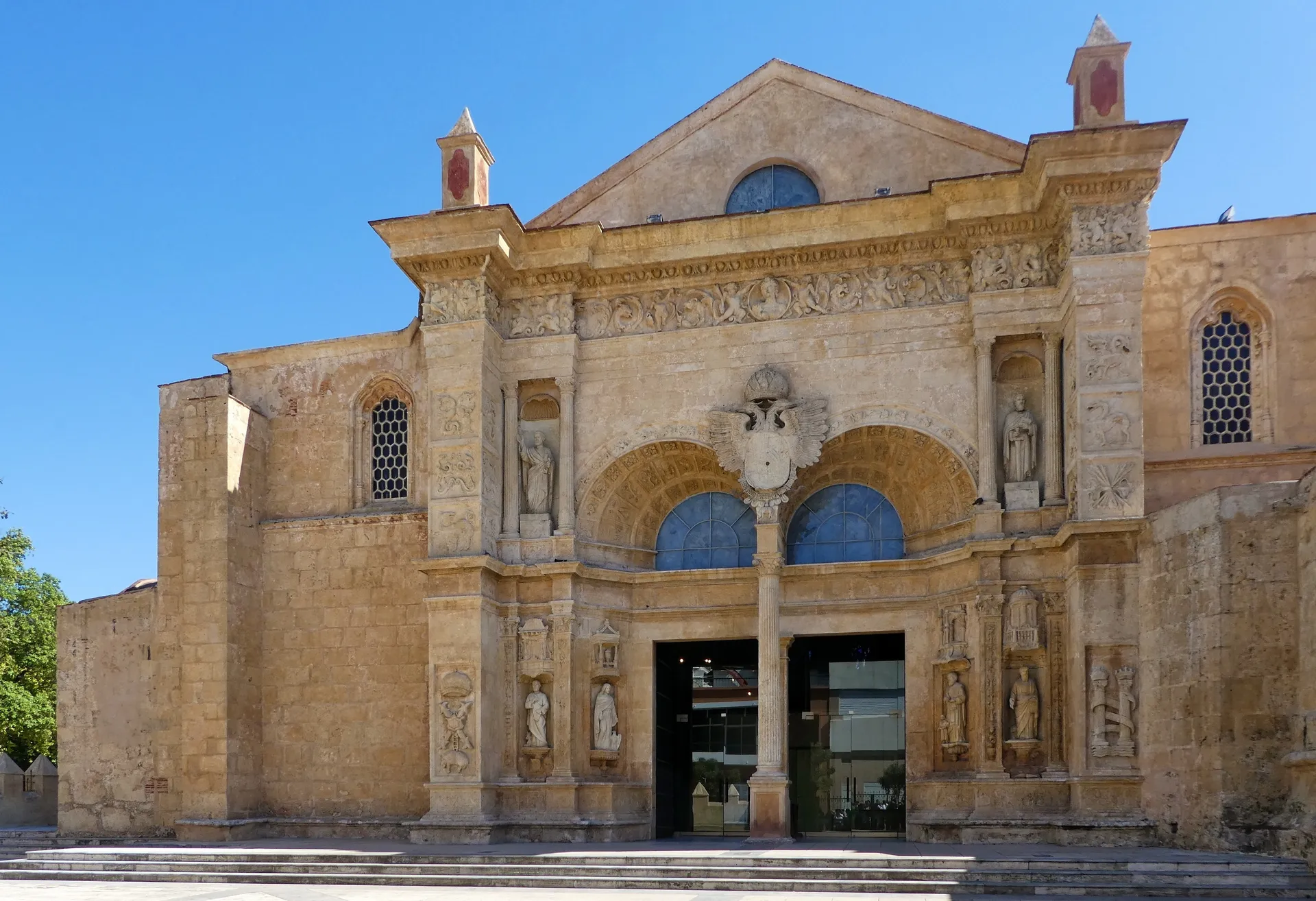
The character of Santo Domingo's Zona Colonial is one of faded grandeur undergoing thoughtful restoration. The Catedral Primada de América, completed in 1540, combines late Gothic and Renaissance elements in a building whose coral limestone facade glows amber in the afternoon light. The Alcázar de Colón — the palace built by Diego Columbus, son of the explorer — overlooks the Ozama River from a commanding bluff and now houses a museum of colonial-era furnishings and artefacts. The Fortaleza Ozama, the oldest European military construction in the Americas, has guarded the river mouth since 1502. The streets connecting these monuments — Calle las Damas, Calle El Conde, Calle Hostos — are lined with boutique hotels, galleries, and restaurants that have transformed formerly crumbling colonial houses into some of the Caribbean's most atmospheric destinations.
Dominican cuisine is the soul food of the Caribbean — bold, generous, and deeply satisfying. La bandera dominicana (the Dominican flag) — a plate of rice, red beans, stewed meat, and fried plantains — is the national lunch, eaten by virtually everyone regardless of social status. Mangú — mashed green plantain with sautéed red onion — is the essential breakfast, often accompanied by fried cheese and salami. The Mercado Modelo, a covered market in the Zona Colonial, is the place to sample chicharrón de pollo (crispy fried chicken), empanadas, and fresh tropical fruit juices. For more refined dining, the Zona Colonial's restaurant scene has matured considerably: Mesón de Bari serves elevated Dominican cuisine in a colonial courtyard, while Pat'e Palo combines European techniques with Caribbean ingredients in a building that dates to 1505.
Beyond the Zona Colonial, modern Santo Domingo is a sprawling, energetic Caribbean metropolis of three million people. The Malecón — the oceanfront boulevard — stretches for kilometres along the Caribbean shore, lined with hotels, casinos, and the open-air bars where merengue and bachata provide the soundtrack to the city's nightlife. The Jardín Botánico Nacional, one of the largest botanical gardens in the Caribbean, provides a green escape from the urban intensity, with collections of palms, orchids, and endemic species. The Faro a Colón (Columbus Lighthouse), a controversial but architecturally striking monument, projects a cross-shaped beam of light into the sky that is visible from miles away.
Costa Cruises, Ponant, and Windstar Cruises call at Santo Domingo, using the port facilities at Sans Souci on the Ozama River, within walking distance of the Zona Colonial. For Caribbean cruise itineraries that typically emphasise beaches over history, Santo Domingo offers something rare and valuable — a genuine city with five centuries of layered history, a vibrant contemporary culture, and a culinary tradition that is among the most characterful in the Americas. November through April is the driest and most comfortable season, though Santo Domingo's tropical warmth makes it welcoming year-round.

