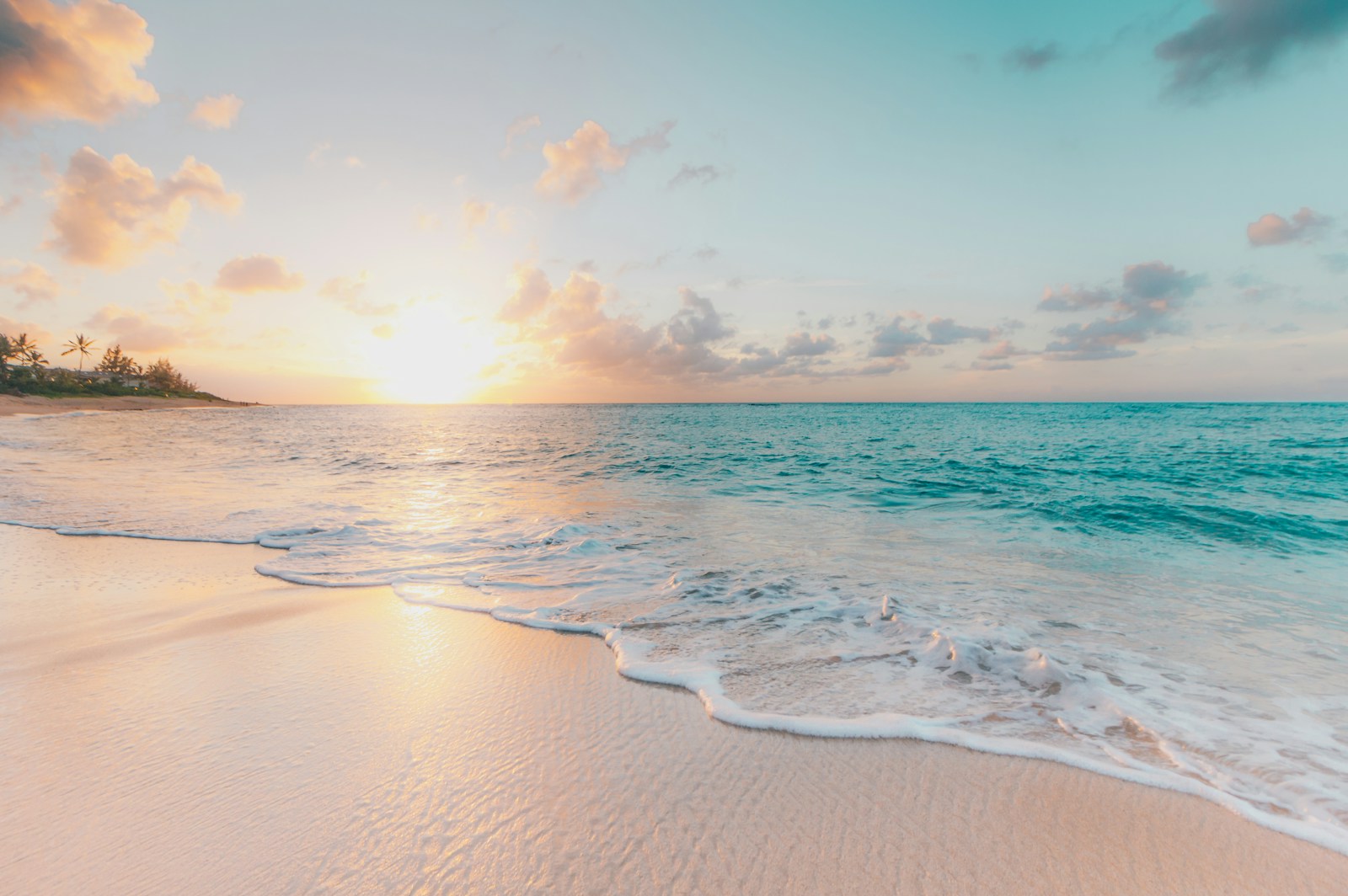
Bahia Bowditch, on the southwestern coast of Santa Cruz Island, is one of the less-visited landing sites in the Galapagos archipelago — and its relative obscurity is precisely its appeal. While the iconic visitor sites of the Galapagos draw the largest numbers, Bowditch Bay offers an intimate encounter with the volcanic landscape and marine life that defines these enchanted islands, without the company of multiple other expedition groups. The bay is named after the American navigation mathematician Nathaniel Bowditch, whose practical tables of celestial navigation were the standard reference for Pacific mariners throughout the 19th century.
Santa Cruz is the most populated island in the Galapagos and home to Puerto Ayora, the archipelago's largest town, but Bahia Bowditch lies on the island's wild, uninhabited southwestern coast — a landscape of recent lava flows, palo santo forest, and the arid coastal scrub that characterises the lower elevations of the larger Galapagos islands. The shoreline alternates between rocky lava platforms and small sandy beaches where marine iguanas bask in overlapping piles, their dark bodies absorbing the equatorial sun between feeding dives into the cold, nutrient-rich waters of the Cromwell Current that sweeps past the western islands.
The snorkelling at Bahia Bowditch can be exceptional. The underwater landscape mirrors the volcanic terrain above — lava tunnels, arches, and boulder fields provide habitat for an astonishing diversity of marine life. Green sea turtles are commonly encountered, grazing on algae-covered rocks with a serenity that seems specifically evolved to enchant visitors. White-tipped reef sharks rest on sandy patches between the rocks, eagle rays glide past in formation, and schools of king angelfish, surgeonfish, and the endemic Galapagos damselfish create shifting clouds of colour against the dark volcanic backdrop. The Cromwell upwelling enriches these waters with nutrients that support the food chain from phytoplankton to the Galapagos penguins that occasionally hunt in the bay's cold currents.
Ashore, the palo santo forest — ghostly white trees that leaf out only during the brief wet season — provides habitat for Darwin's finches, Galapagos mockingbirds, and the yellow land iguanas that forage among the cacti and fallen fruit. Galapagos giant tortoises, whose populations on Santa Cruz are managed through the breeding program at the Charles Darwin Research Station in Puerto Ayora, represent the evolutionary icon that gave these islands their Spanish name — galapa being the saddle shape of the tortoise shell that the early sailors noticed. The volcanic landscape itself is geological storytelling at its most immediate — lava flows of different ages lie side by side, their surfaces ranging from rough, jagged aa to smooth, ropey pahoehoe, each texture recording the conditions under which it cooled.
Bahia Bowditch is visited by Silversea on Galapagos expedition itineraries, with wet or dry landings by Zodiac depending on conditions. As with all Galapagos sites, visits are regulated by the Galapagos National Park Service and accompanied by certified naturalist guides. The warm, dry season from June through November tends to offer the best snorkelling visibility and the most active marine life, while the warm, wet season from December through May brings warmer water and calmer seas.

