El Barranco on the northern coast of Genovesa Island is one of the most thrilling wildlife experiences in the Galápagos—a site where visitors walk among nesting seabirds in such density and at such proximity that the boundary between observer and observed effectively dissolves. Known also as Prince Philip's Steps after a royal visit in the 1960s, this landing site on the rim of a collapsed volcanic caldera offers an encounter with avian abundance that is extraordinary even by Galápagos standards.
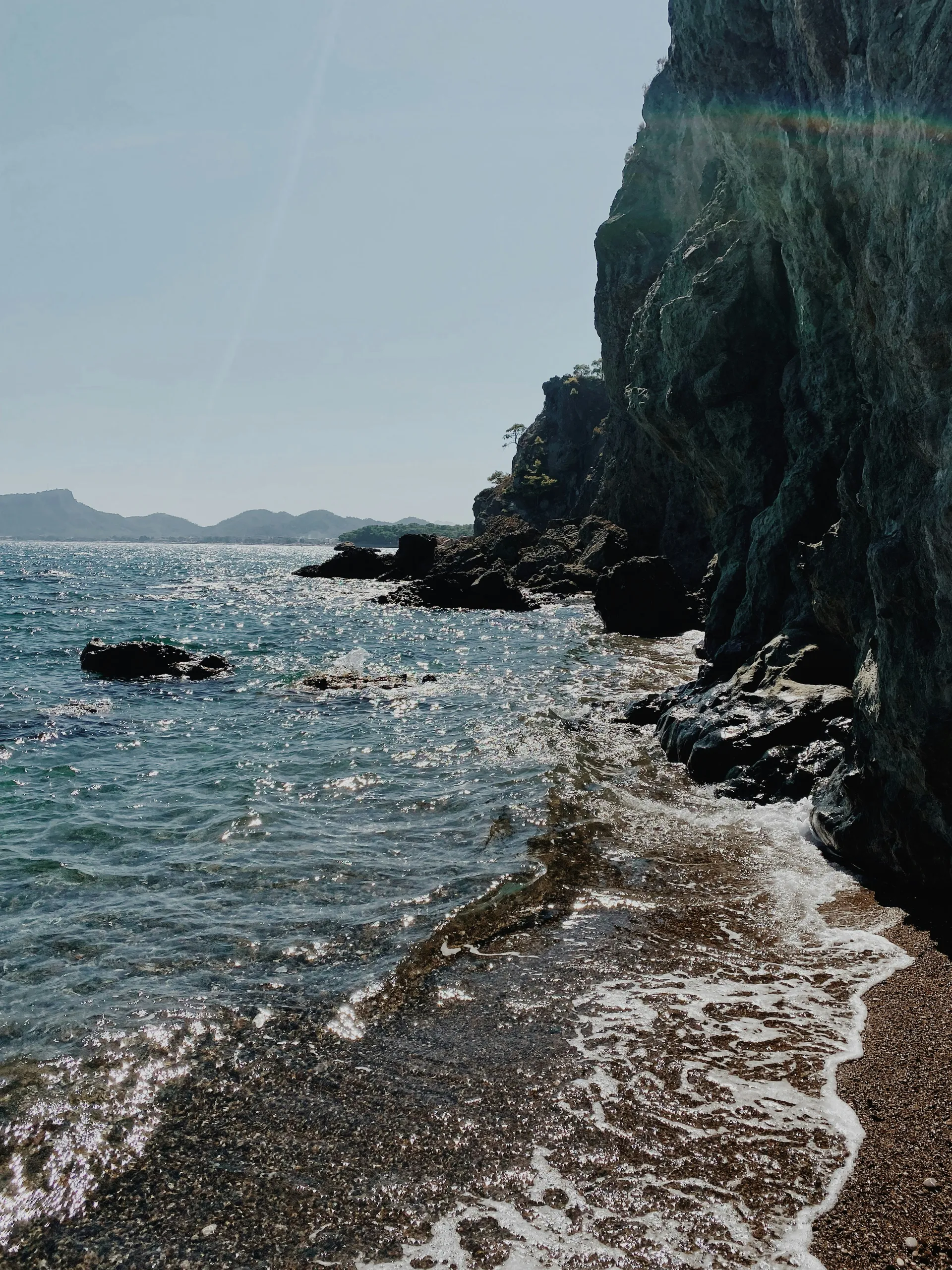
The approach to El Barranco begins with a dramatic Zodiac ride along the base of towering volcanic cliffs, where red-billed tropicbirds nest in crevices, fur seals shelter in lava grottoes, and Nazca boobies perch on ledges barely above the spray. The landing itself involves ascending a natural staircase of rocky ledges to the cliff top—the "steps" of Prince Philip's Steps—where the landscape opens into a flat expanse of palo santo forest and low scrub stretching to the island's interior.
The trail across the cliff top passes through one of the most significant seabird colonies in the tropical Pacific. Red-footed boobies—the only Galápagos booby species that nests in trees—perch in the palo santo branches at eye level, their brilliant blue bills and red feet creating startling color against the grey-green foliage. Nazca boobies nest directly on the ground beside the trail, their fluffy white chicks showing no more concern at human passage than at a passing cloud. Great frigatebirds soar overhead, their males inflating enormous red throat pouches during the breeding display—nature's most extravagant balloon sculpture.
The trail's climax lies at the eastern edge of the plateau, where a broad lava field provides hunting ground for the Galápagos short-eared owl—one of the few owls in the world that hunts by day. These remarkable predators have adapted to daylight hunting because the Galápagos has no competing hawks on Genovesa, and they specialize in preying on the storm petrels that nest in the crevices of the lava field. Watching an owl glide silently across the lava, drop into a crevice, and emerge with a petrel is one of the most dramatic predator-prey encounters visitors are likely to witness anywhere in the islands.
Genovesa Island lies in the northeastern corner of the Galápagos archipelago, requiring an overnight sailing from the central islands. Visits to El Barranco are conducted exclusively with licensed naturalist guides, following a marked trail that protects both visitors and wildlife. The dry season from June through November brings cooler temperatures and more active seabird breeding, while the warm season from December through May sees different species nesting. The site's remote location and limited daily visitor quotas ensure that every visit retains the intimate, uncrowded quality that makes El Barranco one of the Galápagos' most treasured experiences.

