Elizabeth Bay on the western coast of Isabela, the largest island in the Galápagos archipelago, offers one of the most serene and ecologically rich marine experiences in the entire island chain. This shallow, mangrove-fringed bay is accessible only by panga (small boat), and its protected waters serve as a nursery for marine life that makes every visit feel like drifting through a living aquarium of extraordinary clarity and abundance.
The bay's defining feature is its extensive red mangrove forest, whose tangled prop roots extend into the clear, shallow water like a natural cathedral of twisted wood. These mangroves serve a critical ecological function, providing sheltered habitat for juvenile marine species including green sea turtles, white-tipped reef sharks, golden rays, and seahorses. Navigating slowly through the mangrove channels by panga, the water below so transparent that every detail of the sandy bottom is visible, ranks among the Galápagos' most meditative experiences.
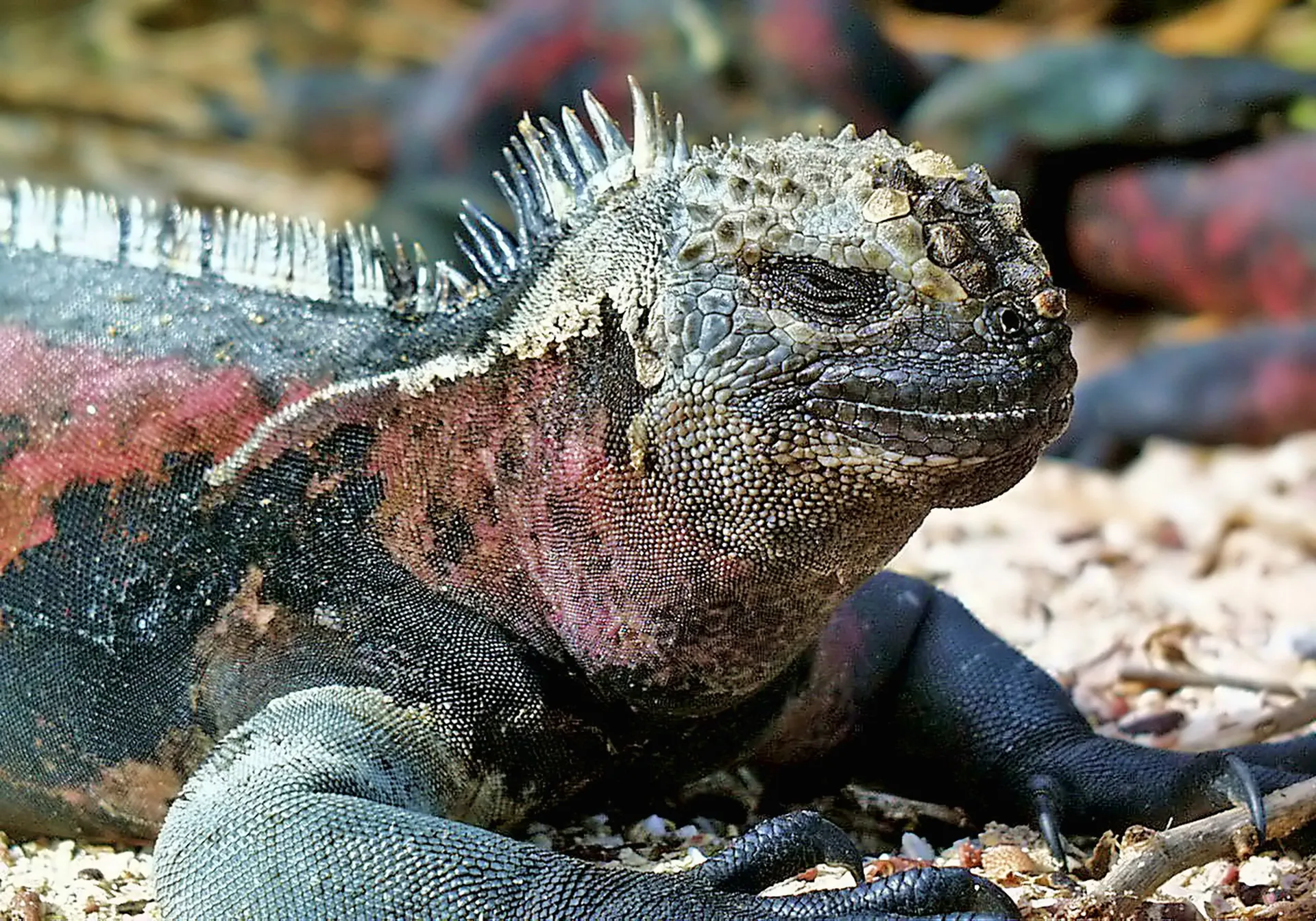
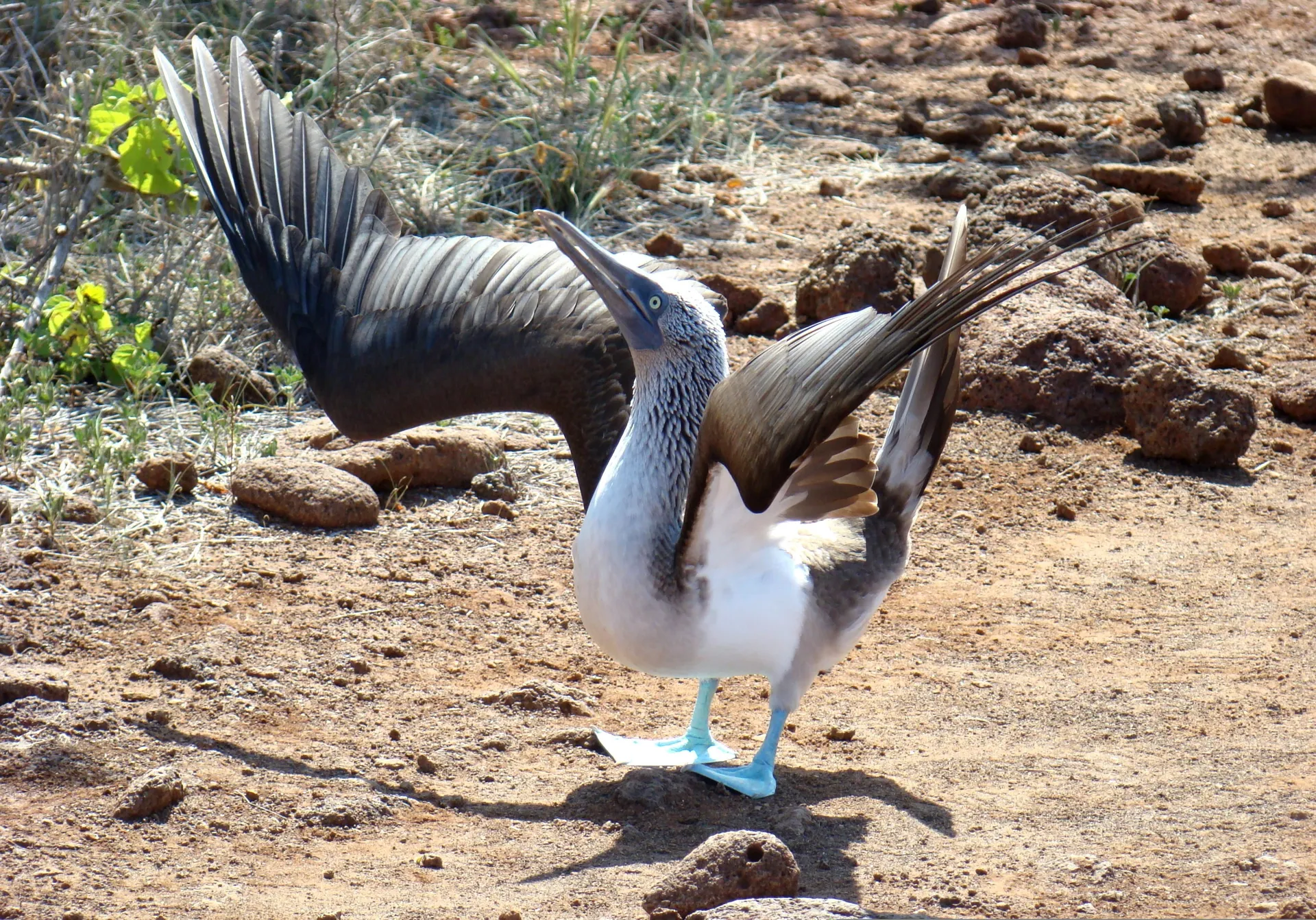
The rocky islets scattered across Elizabeth Bay host small colonies of Galápagos penguins—the only penguin species found north of the equator—and flightless cormorants, whose evolutionary abandonment of flight in favor of superior diving ability makes them one of Darwin's most compelling examples of adaptation. Marine iguanas bask on the sun-warmed rocks between feeding dives, their dark forms absorbing heat with prehistoric patience. Blue-footed boobies perch on rocky outcrops, their comically bright feet visible from considerable distance.
The deeper waters of the bay and its approaches are frequented by larger marine species. Sea turtles surface to breathe with gentle exhalations, their algae-dappled shells glinting in the equatorial sun. Spotted eagle rays glide through the water column with the effortless grace of underwater birds. During the cool season, the nutrient-rich Cromwell Current wells up along Isabela's western coast, attracting marine mammals including dolphins and occasionally even whales to the surrounding waters.
Elizabeth Bay is visited as part of Galápagos cruise itineraries, with all exploration conducted by panga—no landing is permitted to protect the fragile mangrove ecosystem. Naturalist guides navigate the channels, identifying species and explaining the ecological relationships that make this bay a microcosm of Galápagos marine biology. The cool season from June through November brings enhanced marine life activity, while the warm season from December through May offers calmer seas and clearer skies. Regardless of season, the intimate scale of a panga ride through the mangroves—just a small group, a knowledgeable guide, and the silent company of ancient creatures—makes Elizabeth Bay one of the most contemplative stops in the Galápagos.