Gardner Bay, Española: The Galápagos at Its Most Pristine
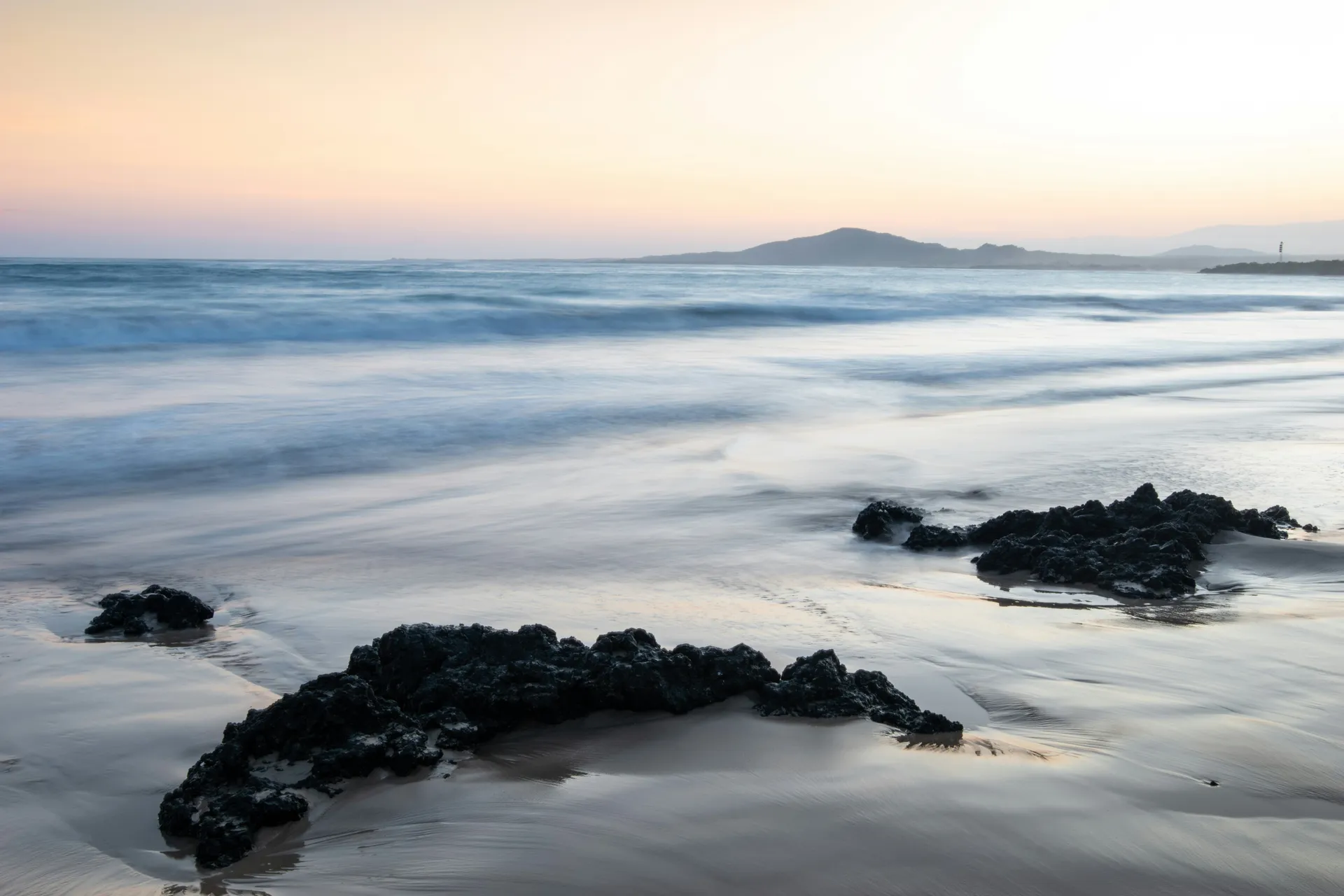
Gardner Bay occupies the northeastern shore of Española (Hood) Island, the oldest and most southerly island in the Galápagos archipelago — a crescent of white coral sand that is, by any measure, one of the most beautiful and ecologically extraordinary beaches on earth. Española is estimated to be over three million years old, and its isolation at the archipelago's southern edge has produced species found nowhere else: the waved albatross, which breeds exclusively here, the Hood mockingbird, and a subspecies of marine iguana that displays vivid red and teal colouration during mating season. Charles Darwin visited Española aboard HMS Beagle in 1835, and the island's distinctive wildlife played a direct role in shaping his theory of natural selection.
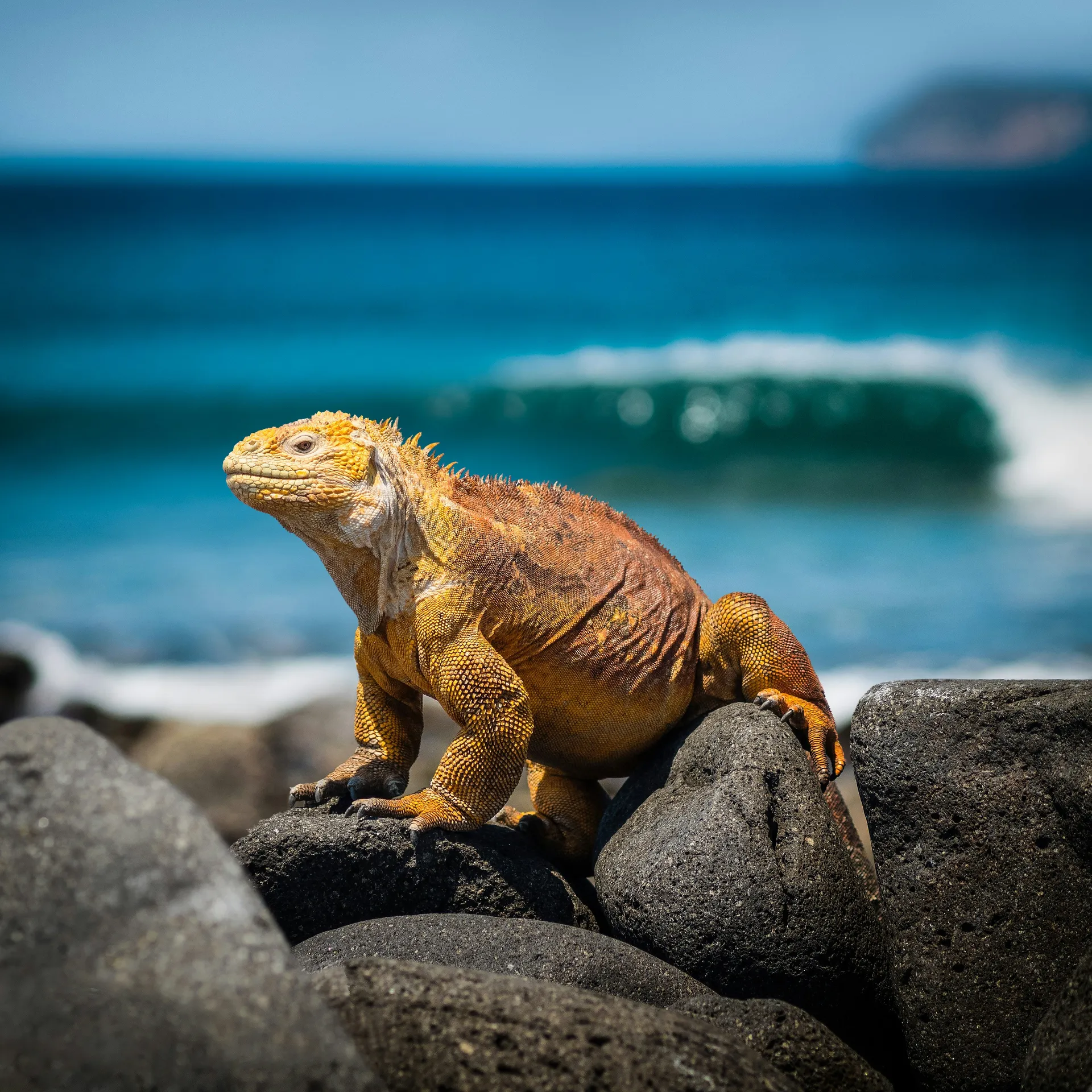
The character of Gardner Bay is defined by the astonishing tameness of its wildlife. Galápagos sea lions sprawl across the beach in harems of a dozen or more, their pups nursing, playing in the shallows, and approaching snorkellers with a curiosity that borders on the comedic. The beach is accessed by wet landing — stepping from a panga directly onto sand — and the absence of any human infrastructure reinforces the sense of arriving in a world that belongs entirely to the animals. Hood mockingbirds, having evolved without terrestrial predators, land on shoulders and investigate backpacks with impudent familiarity. Marine iguanas sun themselves in clusters on the lava rock at the beach's edges, their prehistoric silhouettes unchanged since the Mesozoic.
The snorkelling at Gardner Bay ranks among the finest in the Galápagos. Just offshore, the islets of Gardner and Tortuga provide sheltered waters where the visibility regularly exceeds twenty metres. Sea turtles glide through gardens of coral. Schools of king angelfish, surgeonfish, and parrotfish move in coordinated formations. Galápagos sharks patrol the deeper edges, their presence a reminder that this is a genuinely wild marine ecosystem. The playful sea lion pups — darting and spiralling around snorkellers — create encounters that visitors consistently describe as life-changing. The marine iguana, uniquely in the animal kingdom, feeds underwater on algae, and watching one dive and graze on the seabed is a privilege available almost nowhere else.
Española's other major visitor site, Punta Suárez on the island's western tip, complements Gardner Bay with some of the most dramatic wildlife spectacles in the archipelago. The waved albatross colony — present from April through December — transforms the clifftop into a theatre of elaborate courtship dances, bill-fencing, and the extraordinary moment when these massive birds launch themselves from the cliff edge to ride the trade winds. The blowhole at Punta Suárez sends seawater jetting thirty metres into the air, backlit by afternoon sun into rainbows. Nazca boobies, blue-footed boobies, and swallow-tailed gulls nest along the trail, entirely unperturbed by human observers walking within arm's reach.
Celebrity Cruises, HX Expeditions, and Tauck include Gardner Bay on their Galápagos itineraries, with strict visitor management ensuring that no more than a hundred passengers visit the beach at any time. The Galápagos National Park requires all visitors to be accompanied by a certified naturalist guide, whose expertise transforms wildlife encounters into deep learning experiences. For travellers who have dreamed of the Galápagos, Gardner Bay delivers the quintessence of the archipelago's promise: a place where evolution is visible, where animals regard humans as irrelevant curiosities, and where the beauty of the natural world is so immediate and overwhelming that it recalibrates your understanding of what is possible. January through May offers warmer water for snorkelling, while April through December brings the waved albatross to Española.