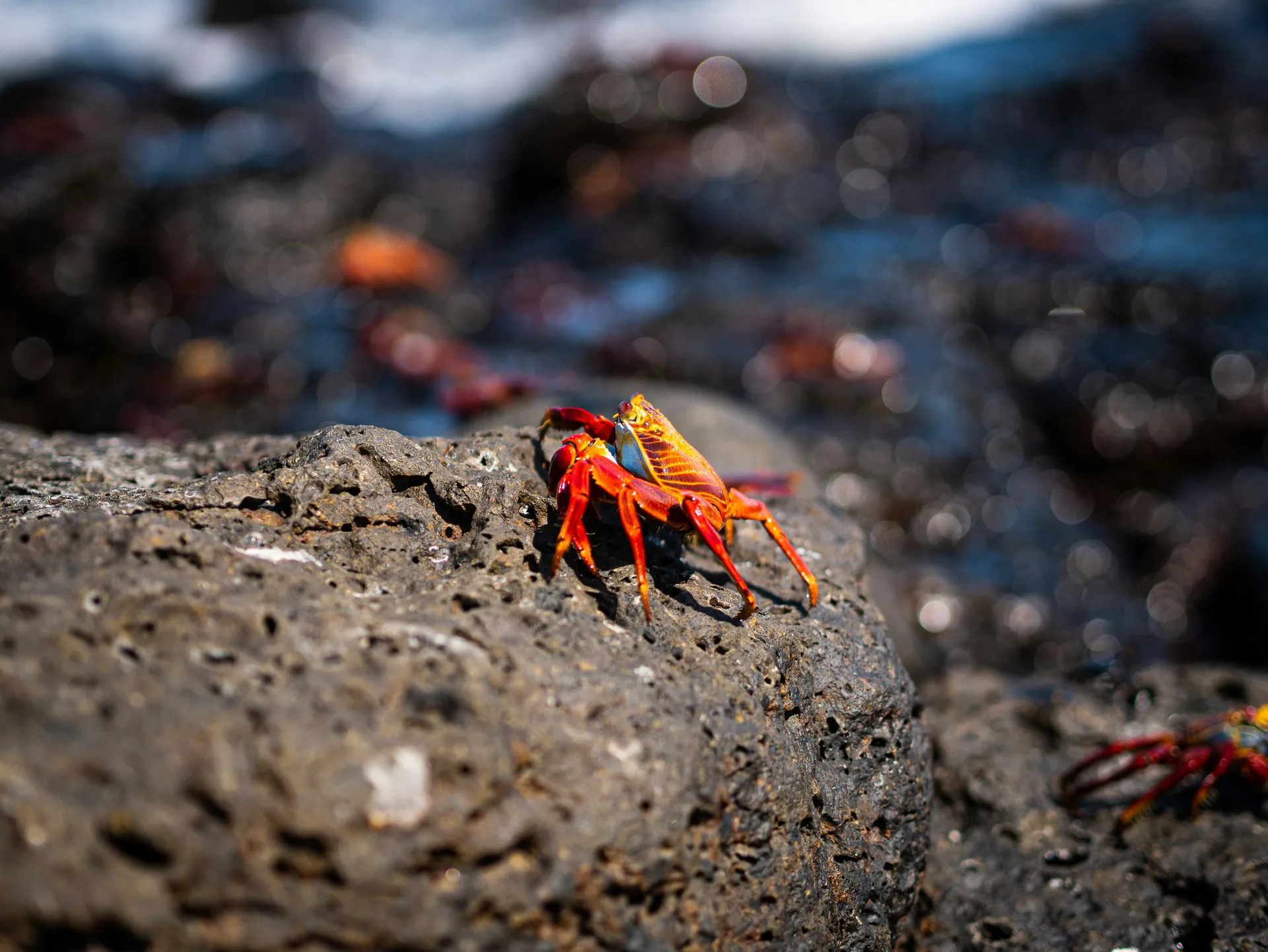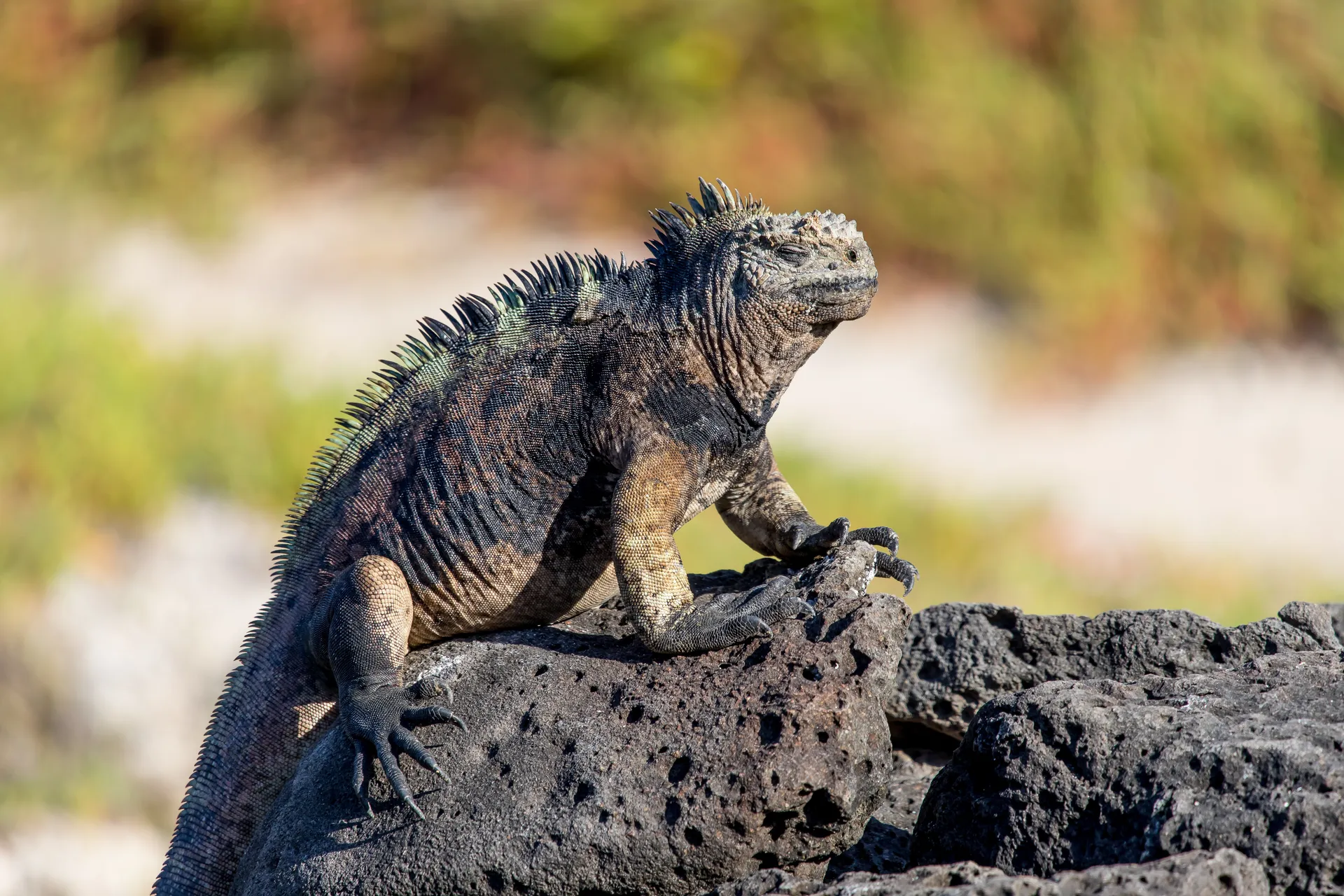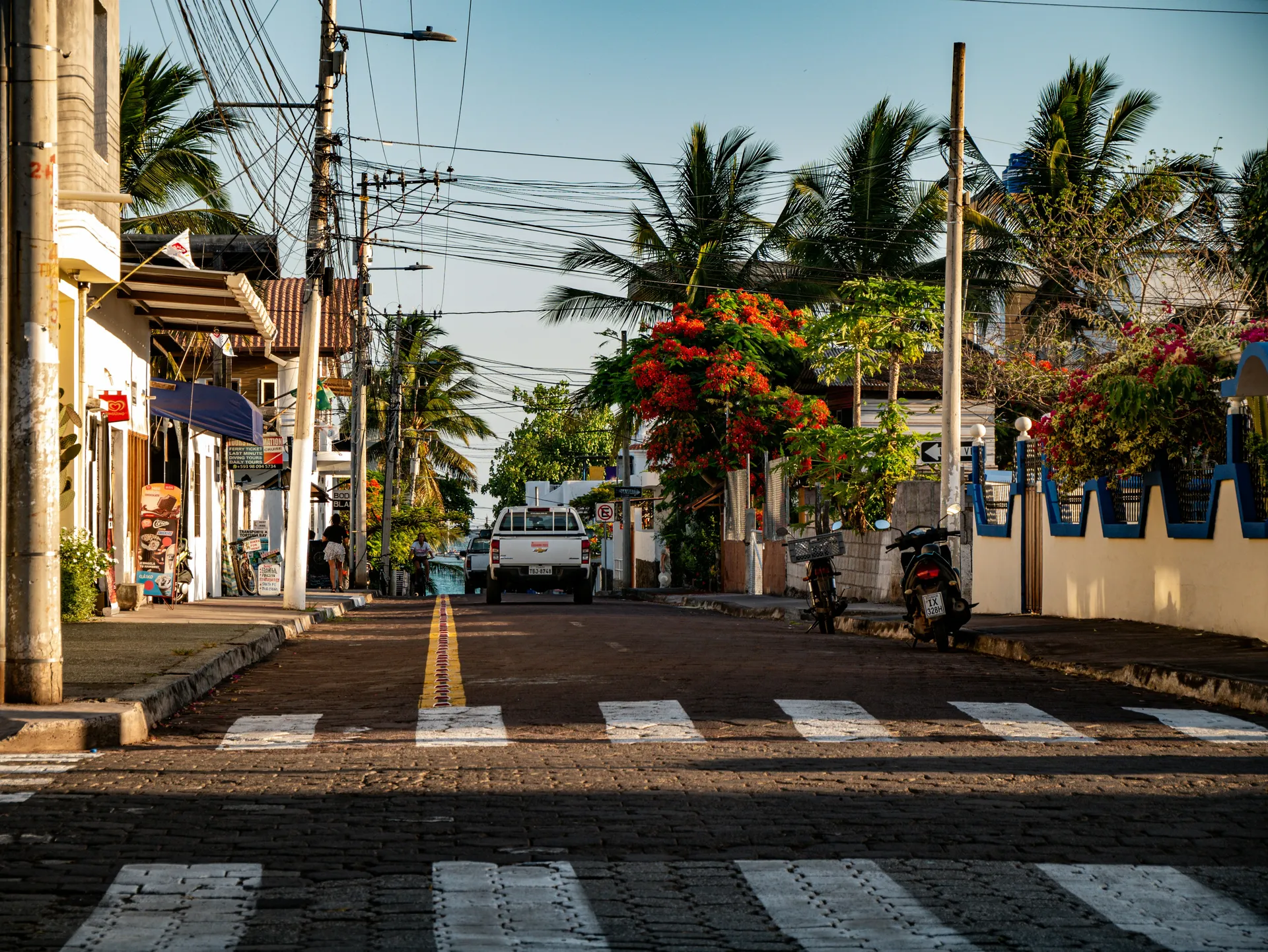
Puerto Ayora is the beating heart of the Galápagos Islands—the largest town in the archipelago and the base from which most visitors explore the extraordinary wildlife and volcanic landscapes of Santa Cruz Island and beyond. With a population of roughly 15,000, Puerto Ayora is the most developed settlement in the Galápagos, yet it retains the fundamental character of a frontier town built on the edge of one of the world's most significant natural laboratories. Sea lions lounge on the fish market dock, marine iguanas bask on the waterfront rocks, and pelicans patrol the harbor with the proprietorial confidence of animals that have never learned to fear humans.
The Charles Darwin Research Station, situated at the eastern edge of town, is the scientific nerve center of the Galápagos conservation effort. Founded in 1964, the station conducts research on the archipelago's unique species and operates breeding programs for the giant tortoises that give the islands their name. The tortoise enclosures allow visitors to observe these extraordinary animals at close range—some individuals exceeding 200 kilograms and estimated to be well over 100 years old. The station's interpretive center provides essential context for understanding the ecological significance of the Galápagos and the ongoing challenges of conservation in a place where human settlement, tourism, and introduced species threaten the evolutionary laboratory that inspired Darwin's theory of natural selection.
The culinary scene in Puerto Ayora has evolved considerably from the basic fare of a fishing village. The fish market at the harbor, locally known as the "lobería" for the sea lions that patrol for scraps, is the starting point for any food-focused visit—fishermen sell the morning's catch of tuna, wahoo, and lobster directly from their pangas (small boats) while pelicans and frigatebirds conduct aerial reconnaissance overhead. Restaurants along Avenida Charles Darwin serve fresh ceviche, encocado (fish in coconut sauce), and grilled lobster at prices modest by international standards. The highlands of Santa Cruz produce coffee and local produce, while the seafood restaurants on the waterfront—particularly those at the fish kiosks where you choose your fish and preparation style—offer some of the freshest, most simply delicious dining in South America.
Santa Cruz Island's landscapes range from the arid coastal scrub of Puerto Ayora to the lush, cloud-forest highlands of the interior, where giant tortoises roam freely in their natural habitat. The Rancho Primicias and El Chato reserves offer the opportunity to walk among wild tortoises—an experience of startling intimacy as these gentle giants graze, wallow in muddy pools, and regard visitors with ancient, unhurried eyes. The lava tunnels near Santa Rosa, formed by ancient volcanic flows, provide a geological adventure, their dark, cathedral-like passages extending for hundreds of meters underground. Tortuga Bay, accessible by a 2.5-kilometer paved trail from town, is a stunning white-sand beach where marine iguanas, pelicans, and the occasional shark share the shore with swimmers in water of remarkable clarity.
Celebrity Cruises, Silversea, and Tauck include Puerto Ayora on their Galápagos itineraries, with ships anchoring in Academy Bay and tendering passengers to the town dock. The Galápagos' equatorial climate means wildlife is active year-round, though the two seasons offer different experiences: the warm, wet season (January–May) brings warmer water, more dramatic skies, and the breeding season for many land birds; the cool, dry season (June–December) brings calmer seas, the garúa mist, and the most active marine wildlife including penguins, sea lions, and waved albatrosses. National park entry fees and guided visit requirements apply to all visitors. Puerto Ayora is where the human and natural worlds of the Galápagos most visibly intersect—a town that exists within one of the planet's most precious ecosystems and must constantly negotiate the tension between the needs of its growing community and the irreplaceable wildlife that made these islands famous.