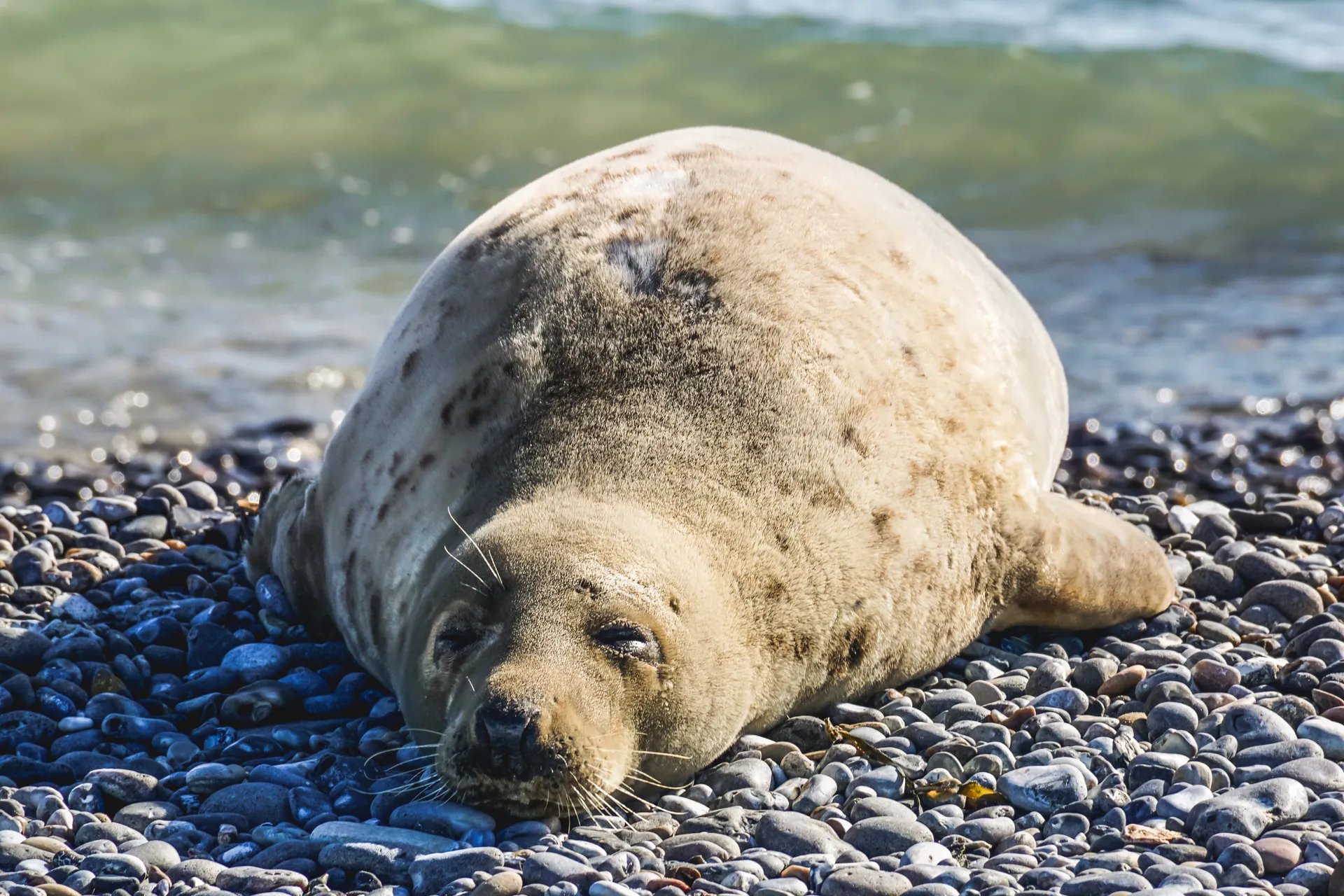
Puerto Baquerizo Moreno is the administrative capital of the Galápagos Islands and the main settlement on San Cristóbal, the easternmost island of the archipelago and, by compelling geological evidence, the oldest. It was here, on this very island, that Charles Darwin first set foot in the Galápagos on September 16, 1835—an arrival that would ultimately produce On the Origin of Species and reshape humanity's understanding of life on Earth. Unlike the more touristed Santa Cruz, San Cristóbal retains a quieter, more authentic Galápagos character: sea lions drape themselves across park benches and boat docks with proprietary indifference, marine iguanas sun themselves on the harbor wall, and frigatebirds circle overhead in a daily demonstration of the fearlessness that astonished Darwin nearly two centuries ago.
The town itself is small—roughly 8,000 residents—and centered on a waterfront malecón where fishermen clean their catch while pelicans and sea lions jostle for scraps in a scene of comic interspecies negotiation. The Galápagos Interpretation Center, built into the hillside above town, provides an outstanding introduction to the archipelago's geology, ecology, and human history—from the volcanic origins of the islands to the conservation challenges of the present day. A short walk from the center leads to Frigatebird Hill, where both great and magnificent frigatebirds nest in low scrub, their males inflating brilliant red throat pouches during mating season in one of the Galápagos' most photogenic wildlife displays. The Charles Darwin statue on the waterfront marks the approximate landing point of HMS Beagle, connecting the modern town to its singular moment in scientific history.
San Cristóbal's marine environment is among the richest in the Galápagos. La Lobería, a beach just south of town, hosts a breeding colony of Galápagos sea lions accessible by a short walk or taxi ride. Kicker Rock (León Dormido), a dramatic pair of volcanic rock formations rising 140 meters from the ocean two hours offshore, offers what many consider the archipelago's finest snorkeling and diving—Galápagos sharks, hammerheads, sea turtles, rays, and schools of tropical fish patrol the channel between the two formations in water of remarkable clarity. Punta Pitt, at the island's eastern tip, is the only site in the Galápagos where all three species of booby—blue-footed, red-footed, and Nazca—can be observed nesting in the same location. Cerro Brujo, a white coral beach on the island's northeast coast, provides swimming alongside sea lions and marine turtles in one of the archipelago's most serene settings.
The terrestrial landscapes of San Cristóbal reveal the Galápagos' volcanic origins with particular clarity. El Junco, the only permanent freshwater lake in the archipelago, occupies an ancient volcanic crater in the island's highlands, its shores frequented by endemic Galápagos pintail ducks and white-cheeked pintails. The Galapaguera, a breeding center for giant tortoises, supports the recovery of the San Cristóbal subspecies through captive breeding and reintroduction programs. The island's highlands, accessible by taxi or guided tour, transition from arid coastal scrub through transitional forest to lush scalesia woodland—the same ecological zonation that prompted Darwin's insights about adaptation and speciation.
Celebrity Cruises and Holland America Line include Puerto Baquerizo Moreno on their Galápagos and South American itineraries. Ships anchor in Wreck Bay and tender passengers to the town pier. The Galápagos experiences two seasons: the warm, wet season (January–May) brings warmer water temperatures ideal for snorkeling and more dramatic skies, while the cool, dry season (June–December) brings calmer seas, the garúa mist that feeds the highland vegetation, and the most active marine wildlife. There is no bad time to visit—the Galápagos' equatorial position ensures compelling wildlife encounters year-round. Strict national park regulations limit daily visitor numbers at each site, ensuring that the wildlife encounters that made Darwin's reputation remain as intimate and transformative as they were in 1835.

