The Santa Cruz Highlands rise above the coastal town of Puerto Ayora on Santa Cruz Island — the most populated island in the Galápagos archipelago — providing a lush, misty counterpoint to the arid lowlands and volcanic coastline that dominate most visitors' impressions of these extraordinary islands. The transition from dry coastal scrub to humid highland forest happens with dramatic rapidity as the road climbs from sea level to approximately 600 meters, the vegetation changing from cactus and palo santo trees to dense scalesia forest, tree ferns, and the epiphyte-draped thickets that thrive in the garúa — the persistent mist that blankets the highlands from June to December, nourishing a microclimate dramatically different from the sun-baked coast below.
The highland's most celebrated residents are the Galápagos giant tortoises — the animals that gave the archipelago its name (galápago being an old Spanish word for a type of saddle that the tortoise shells resemble). Several private ranches in the Santa Cruz Highlands — most notably Rancho El Chato and Rancho Primicias — harbor large populations of wild tortoises that roam freely through the grasslands and mud wallows, their massive domed shells and ancient, wrinkled faces creating encounters that feel like audiences with prehistoric wisdom. These are among the longest-lived vertebrates on Earth, with documented lifespans exceeding 175 years — the oldest individuals alive today were likely hatched before Darwin's visit in 1835. Watching a 250-kilogram tortoise emerge from a mud bath with ponderous dignity, or hearing the surprisingly forceful hiss of a startled male, is one of the most primal wildlife experiences in the Galápagos.
The Charles Darwin Research Station, in the coastal town of Puerto Ayora below the highlands, complements the wild tortoise encounters with the scientific story of Galápagos conservation. The station's breeding program has been instrumental in rescuing several tortoise subspecies from the brink of extinction — most famously through the decades-long efforts to breed from Lonesome George, the last Pinta Island tortoise, who died in 2012. The station also conducts research on the invasive species — goats, rats, blackberries, guava — that threaten the islands' endemic ecosystems, and its visitor center provides essential context for understanding the conservation challenges that the Galápagos face despite their protected status.
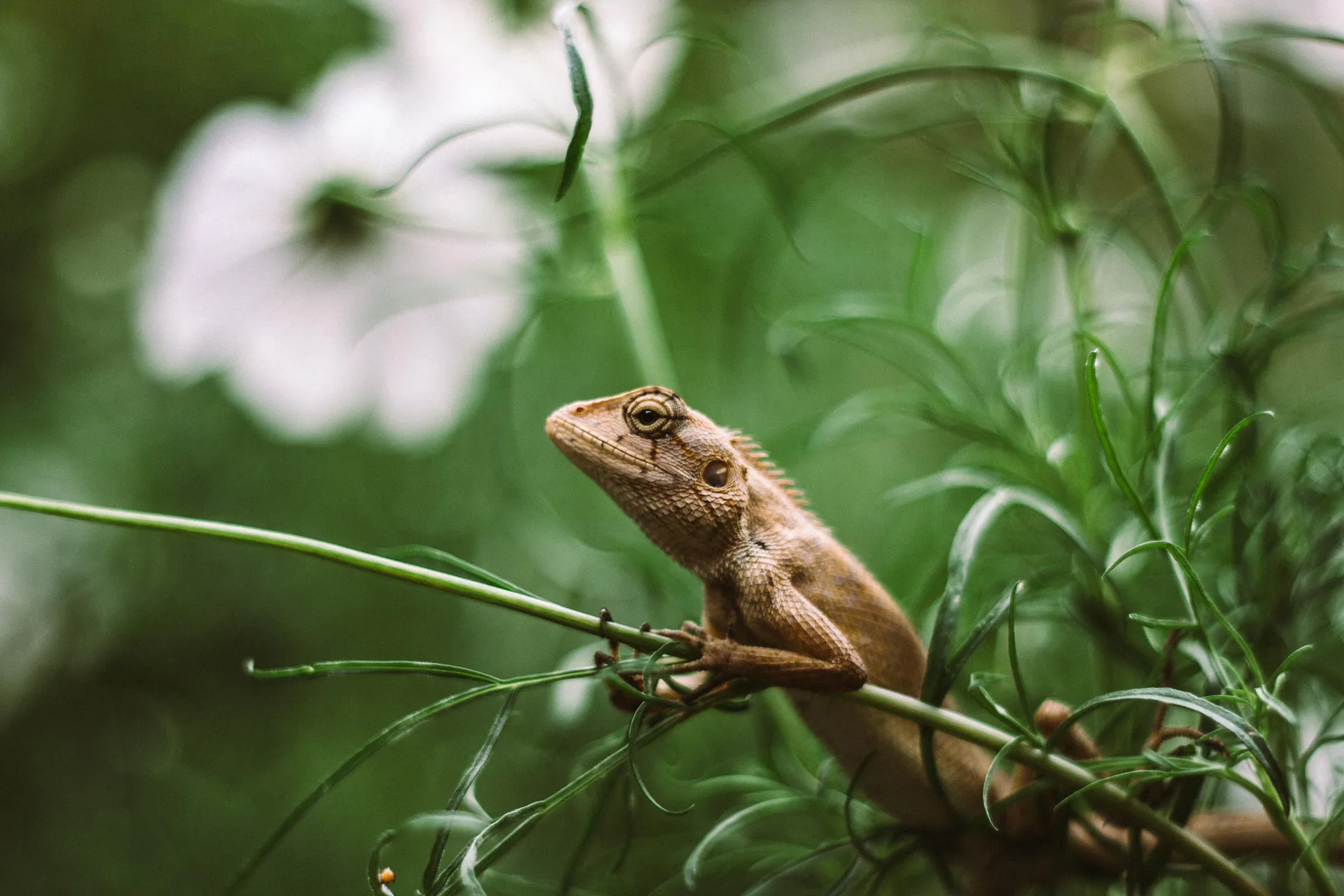
The highland ecosystem supports wildlife beyond the tortoises. The scalesia forest — composed of trees in the daisy family that have evolved into full-sized trees through the island gigantism phenomenon — is home to several of Darwin's finches, the small birds whose beak variations inspired his theory of evolution by natural selection. The vermilion flycatcher, a small bird of startling red plumage, perches on fence posts and scalesia branches. Short-eared owls hunt in the grasslands, and the Galápagos rail — a small, secretive bird found nowhere else on Earth — skulks through the undergrowth. Lava tunnels — formed when the surface of a lava flow cooled while the molten interior continued to flow, leaving hollow tubes up to several hundred meters long — provide a geological attraction unique to the volcanic highlands.
The Santa Cruz Highlands are accessible from Puerto Ayora by taxi (approximately thirty minutes), guided tour, or as part of cruise ship excursions that include highland visits alongside coastal activities. Most Galápagos itineraries include at least one highland visit, typically combined with a stop at the Darwin Research Station. The highlands can be visited year-round, though the garúa season (June–December) makes the landscape greenest and the tortoises most active in the wallows. The warm season (January–May) brings more sunshine to the highlands but also heavier rainfall. Rubber boots are recommended for the muddy trails, and a light rain jacket is essential — the garúa can descend without warning, transforming sunshine to mist in minutes.

