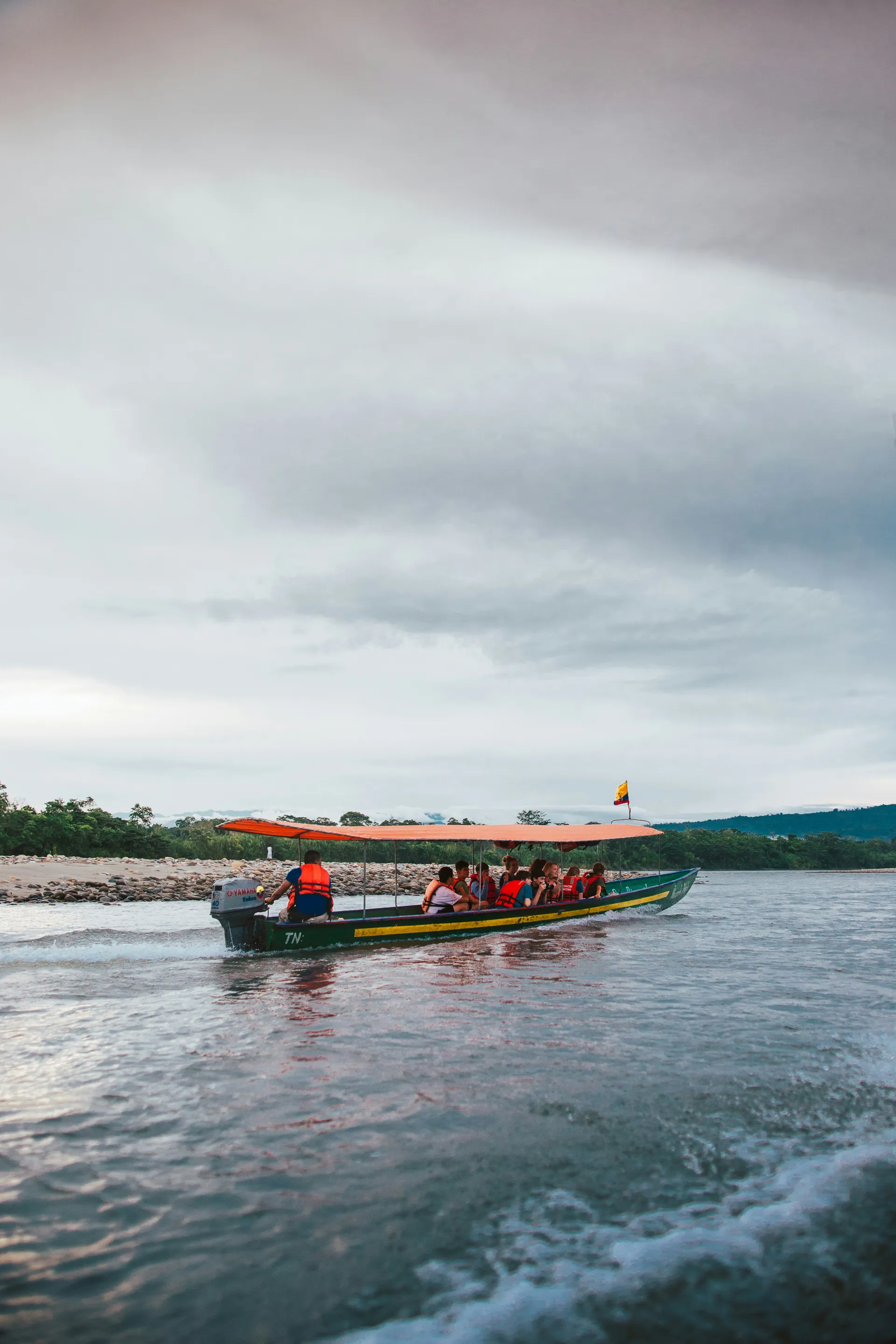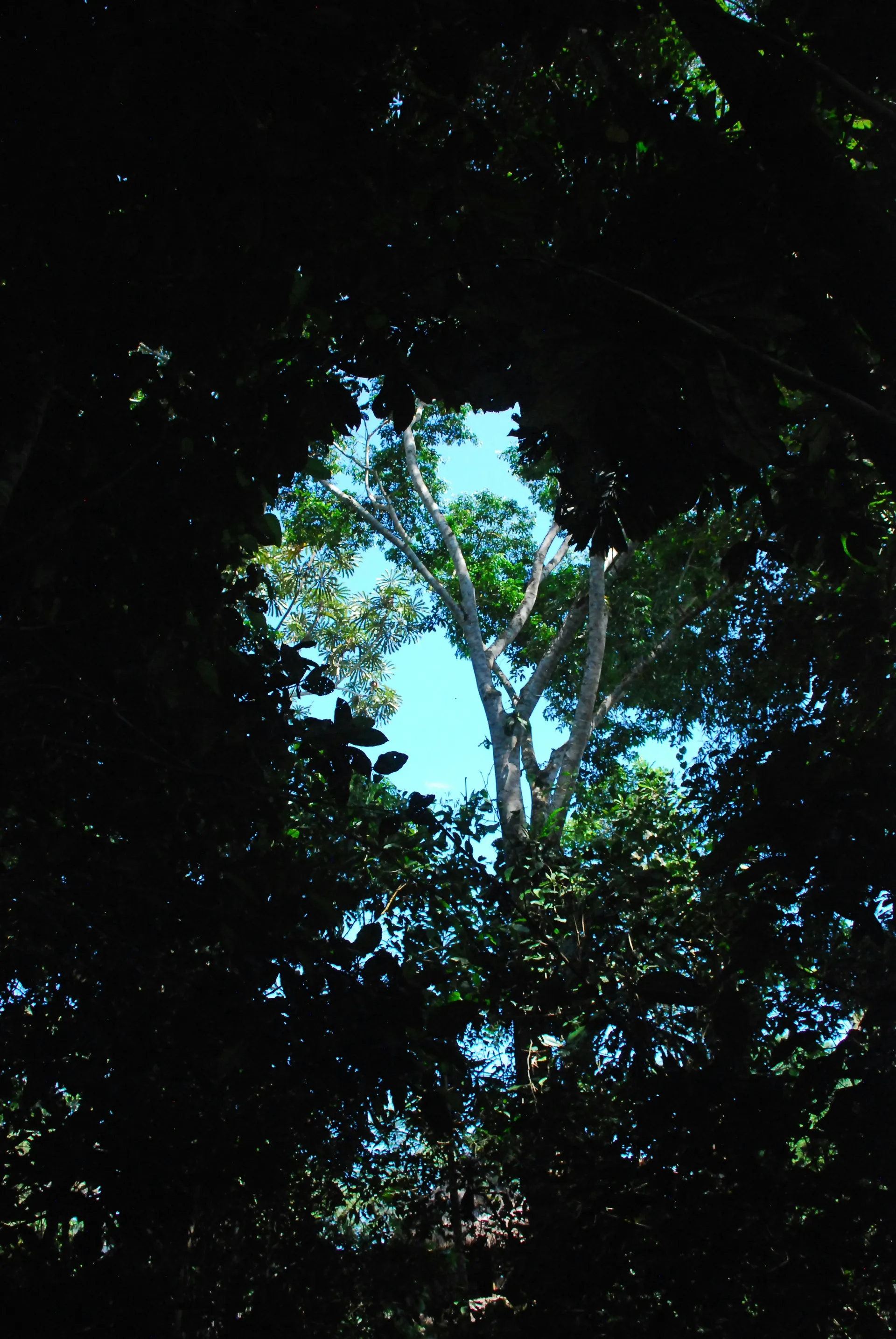
In the emerald folds of Ecuador's upper Amazon basin, where the Andes shed their final altitude and dissolve into the world's greatest rainforest, the town of Tena has served as the gateway between highland and lowland civilisations for centuries. Capital of the Napo Province and self-proclaimed "cinnamon capital of Ecuador," Tena sits at the confluence of the Tena and Pano rivers — a watery crossroads that has drawn Kichwa communities, Spanish missionaries, and modern adventurers to one of the most accessible entry points into the Amazonian world.
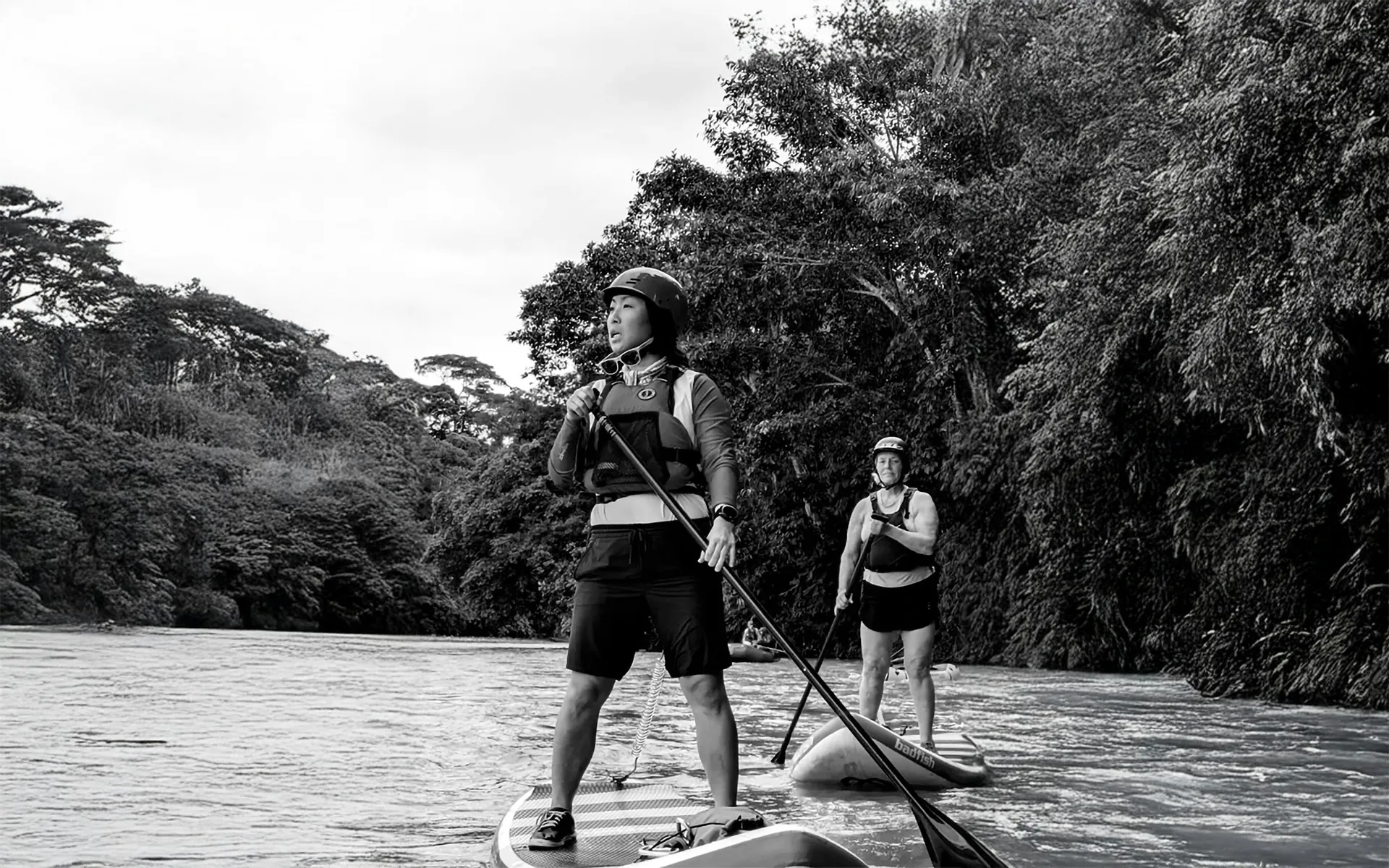
Tena's character is defined by its rivers. The town straddles two of them, connected by a pedestrian bridge that offers views of jade-green water flowing between banks of tropical vegetation. White-water rafting and kayaking on the upper Napo and its tributaries have made Tena South America's premier river sport destination, with rapids ranging from gentle Class II runs suitable for beginners to ferocious Class IV+ stretches that attract competitive paddlers from around the world. The Jatunyacu River — "big water" in Kichwa — is the classic run, a full day of rapids through pristine forest.
The Kichwa communities surrounding Tena offer immersive cultural experiences that avoid the performative awkwardness of some indigenous tourism ventures. Village visits include demonstrations of chocolate making — cacao has grown wild in this region for millennia — from pod to finished product, using traditional stone-grinding techniques. The resulting drinking chocolate, thick and only lightly sweetened, is a revelation of flavour that bears no resemblance to the processed versions sold in supermarkets. Chicha — fermented yuca beer — is offered as a gesture of hospitality; refusing is considered impolite.
The food of Tena reflects its position between two worlds. Market stalls overflow with jungle produce — enormous avocados, fragrant guayaba, bunches of tiny sweet bananas — alongside highland staples like potatoes and corn. Maito — river fish wrapped in bijao leaves and grilled over charcoal — is the region's signature dish, the leaf imparting a subtle herbaceous flavour to the tender flesh. Chontacuro — fat palm weevil larvae, roasted or fried — is a local protein source that adventurous eaters discover to be nutty, rich, and genuinely delicious.
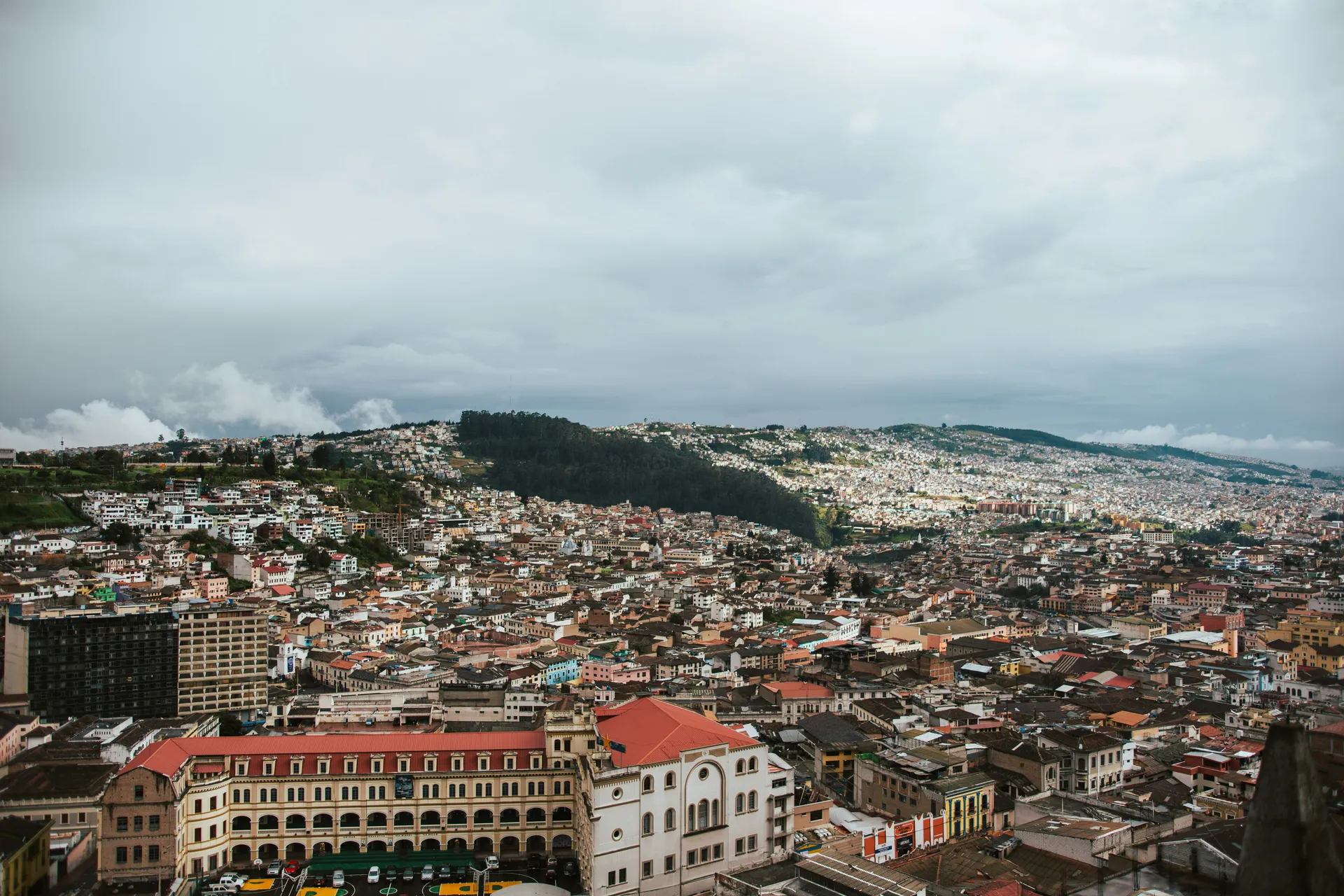
Tena is accessible by bus from Quito (approximately five hours via the spectacular Baeza road) or by short flight to the nearby Jumandy airport. The town serves as a base for multi-day jungle excursions into the Cuyabeno or Yasuní reserves, though single-day experiences are equally rewarding. The best time to visit is September through December, when water levels are ideal for rafting and rainfall is slightly lower — though in the Amazon, "drier" is a relative concept.