Luxor stands on the site of ancient Thebes, capital of Egypt during the New Kingdom (1550–1070 BC), a period that produced some of the greatest pharaohs in history — Hatshepsut, Tutankhamun, and Ramesses II among them. The Nile divides the city into the East Bank, domain of the living with its temples of Karnak and Luxor, and the West Bank, realm of the dead where the Valley of the Kings conceals sixty-three royal tombs carved deep into limestone cliffs.
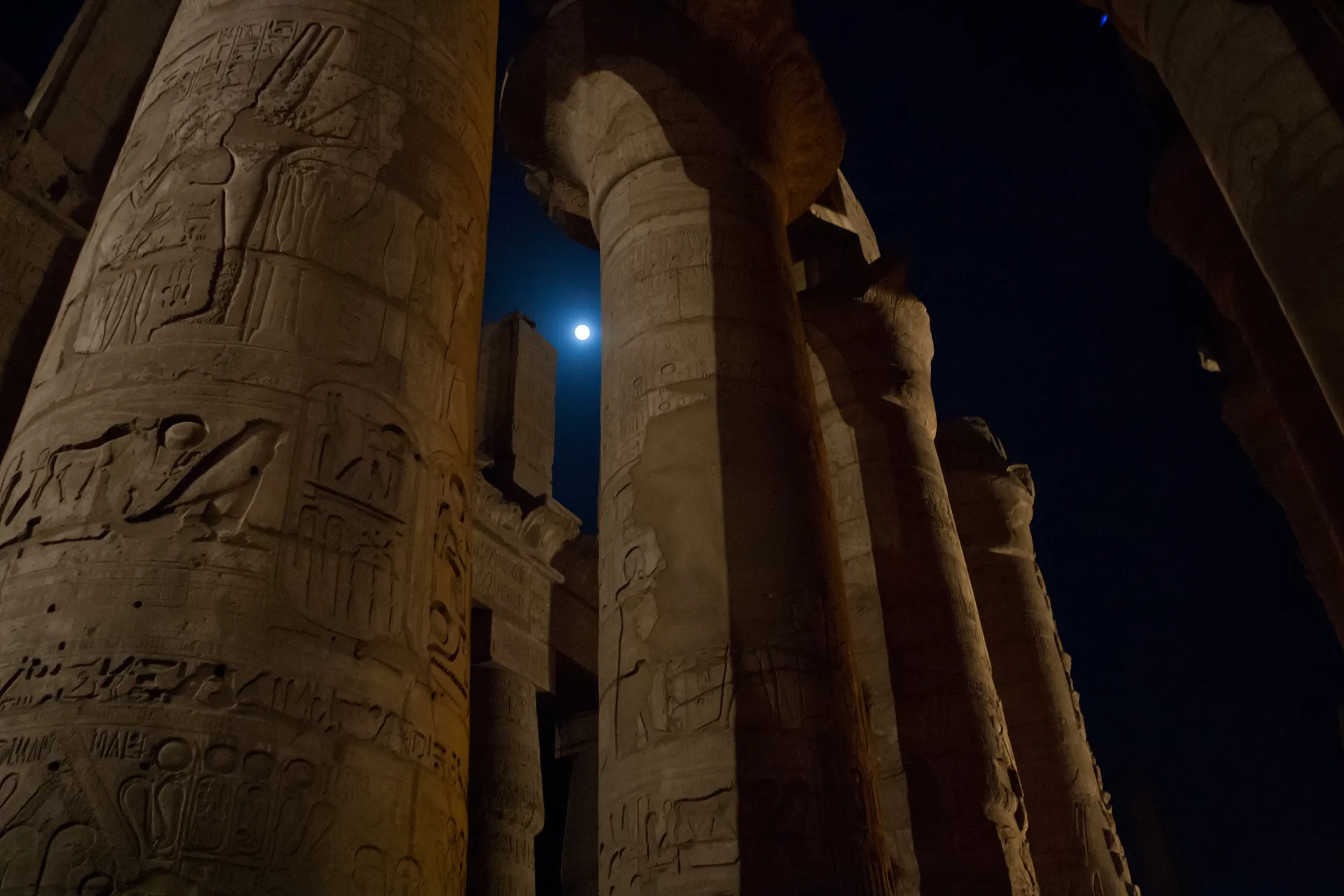
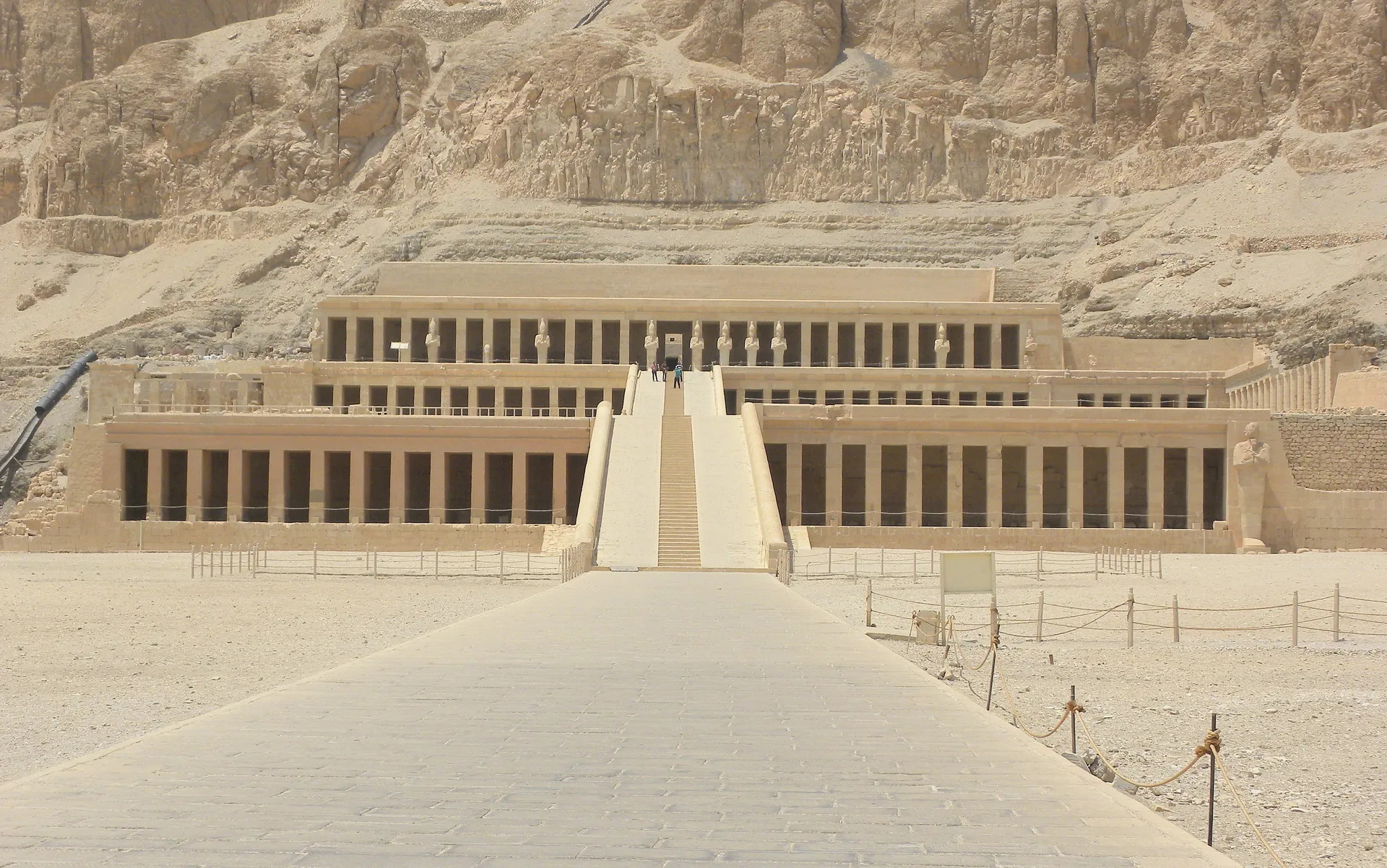
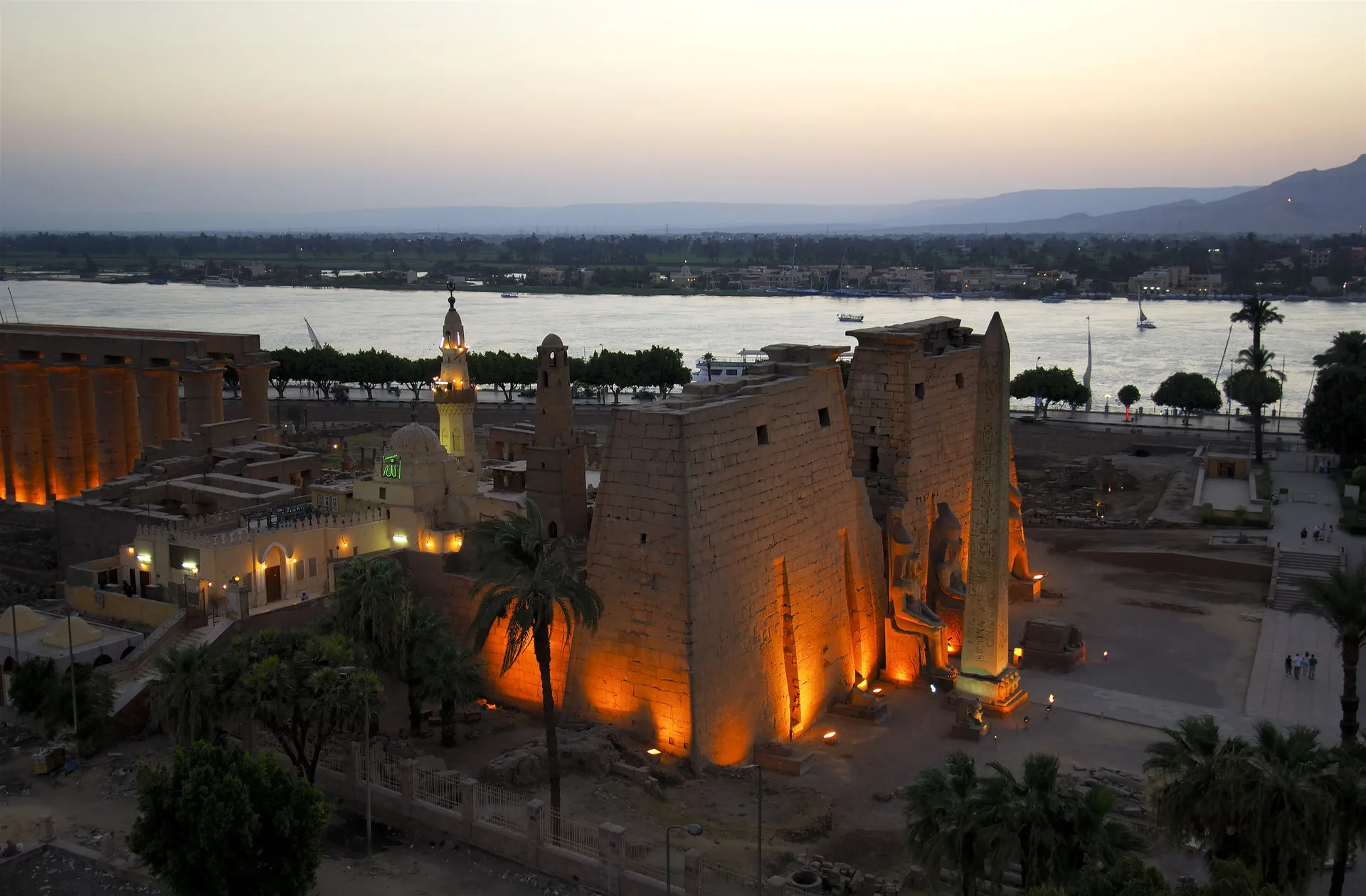
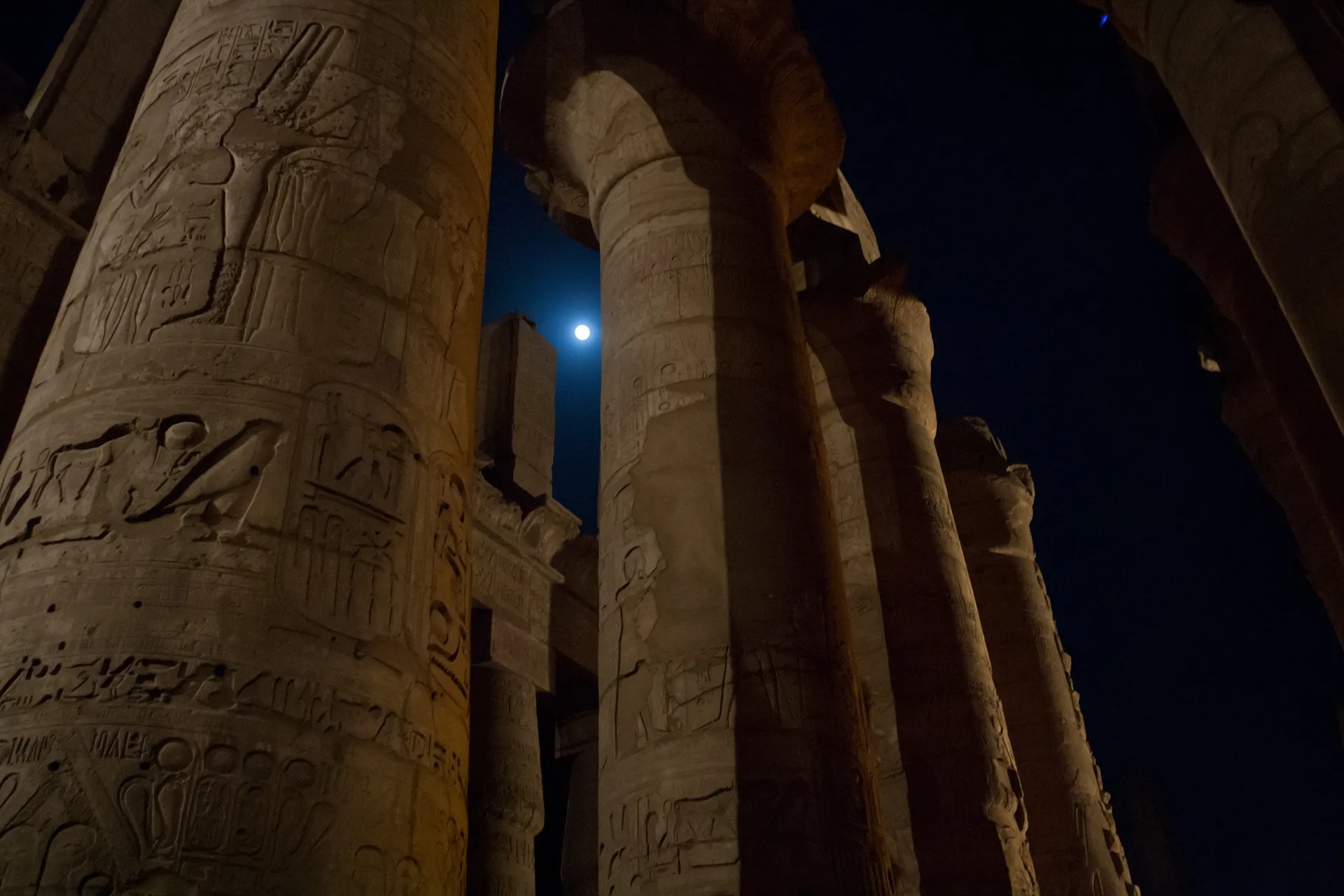
The sheer scale of antiquity in Luxor is overwhelming. The Karnak Temple Complex, the largest religious building ever constructed, covers over two hundred acres and features the Great Hypostyle Hall — a forest of 134 towering columns covered in hieroglyphic carvings that took over two thousand years to complete. The Luxor Temple, connected to Karnak by a recently restored Avenue of Sphinxes stretching 1.7 miles, is particularly magical at night when dramatic lighting reveals every carved detail. Across the river, the mortuary temple of Hatshepsut at Deir el-Bahari rises in three colonnaded terraces against sheer golden cliffs.
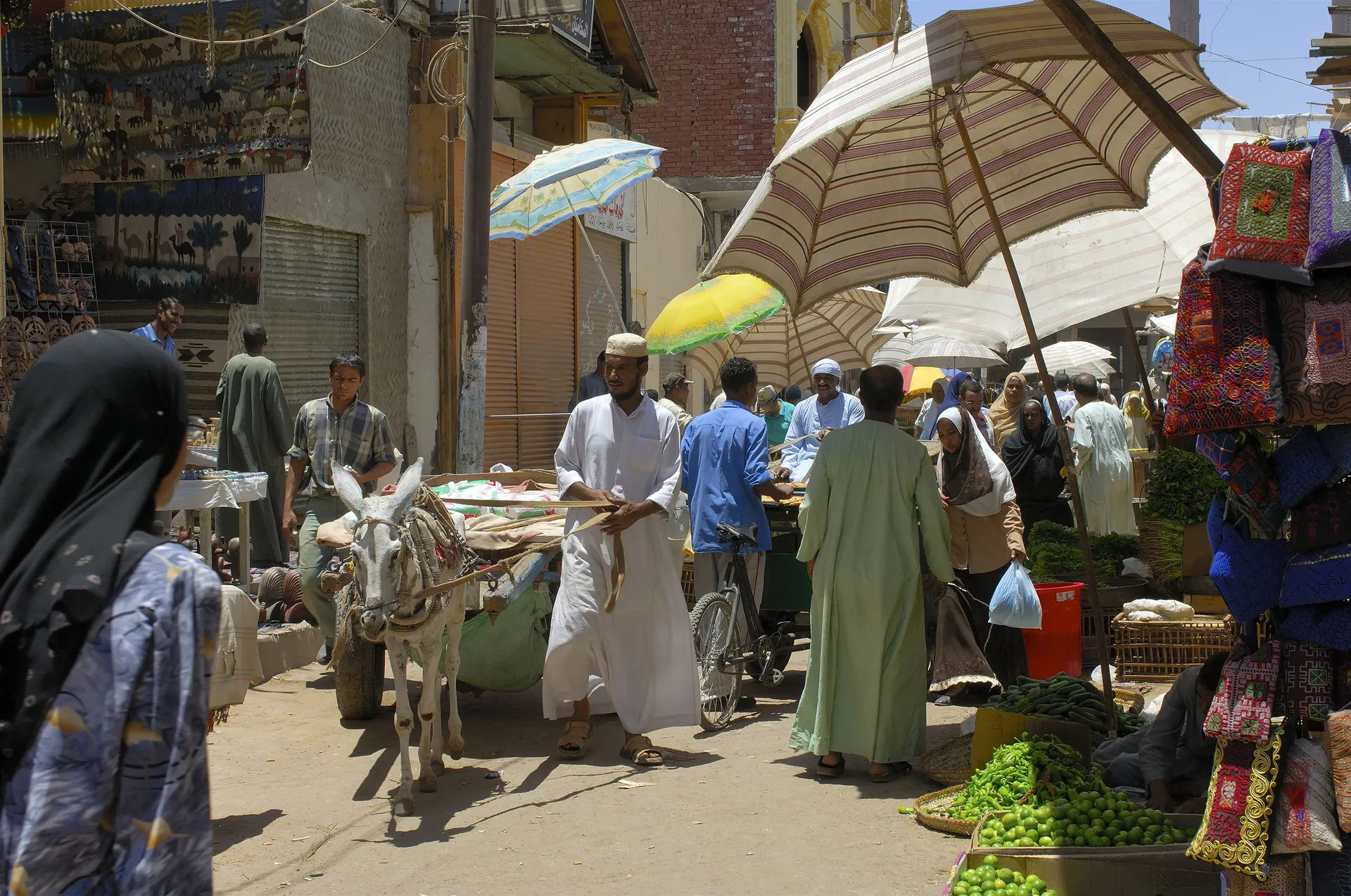
Dining in Luxor offers both simplicity and richness. Ful medames and ta'ameya (Egyptian falafel made from fava beans rather than chickpeas) fuel market-side breakfasts along the Corniche. Grilled Nile perch and tilapia, served with tahini and fresh flatbread, are lunchtime staples. For an atmospheric evening meal, rooftop restaurants overlooking the Nile serve slow-roasted pigeon, kofta, and baba ganoush while feluccas glide past in the fading light. Fresh sugarcane juice, pressed at streetside stalls, is the quintessential Luxor refreshment.
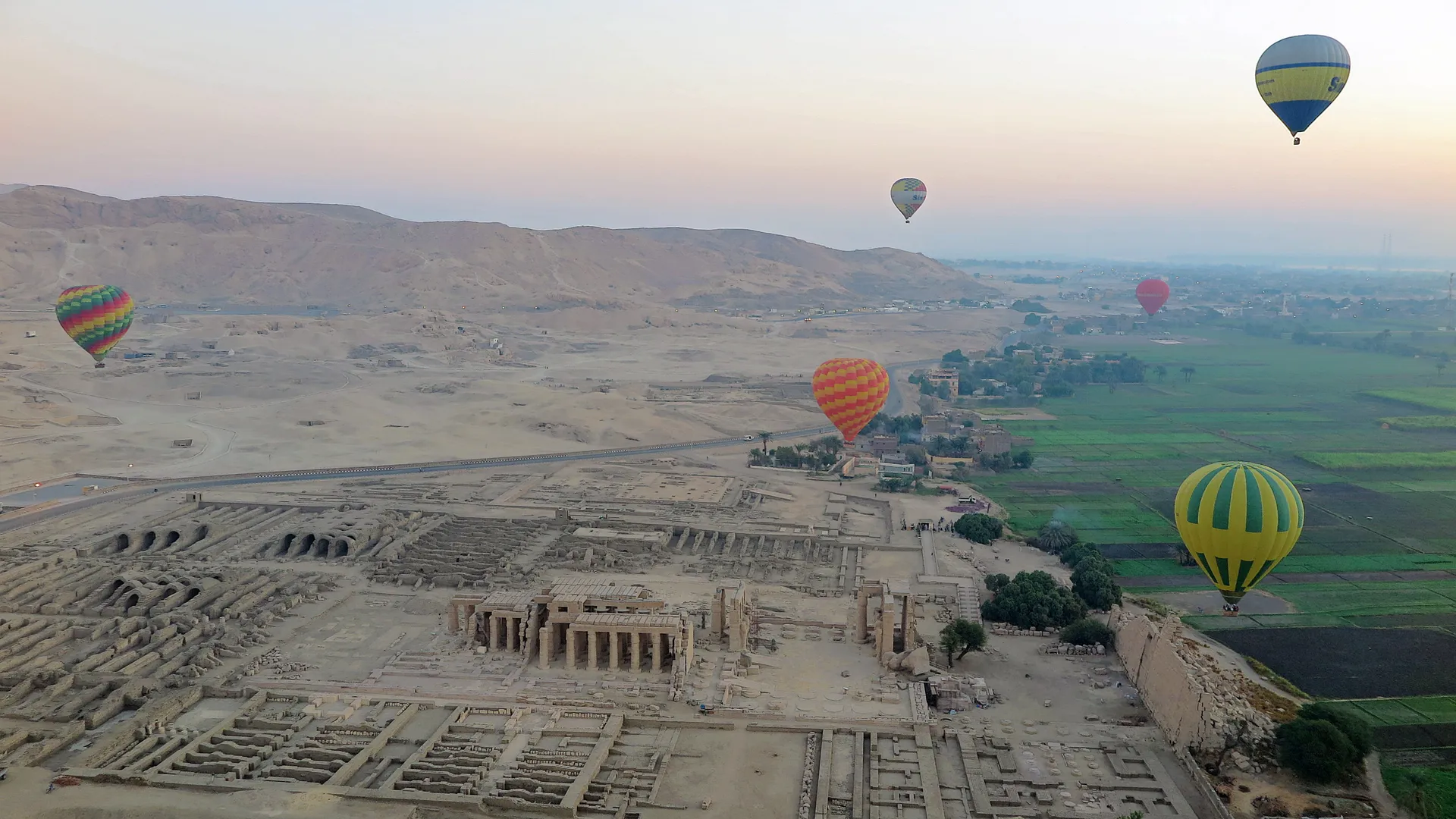
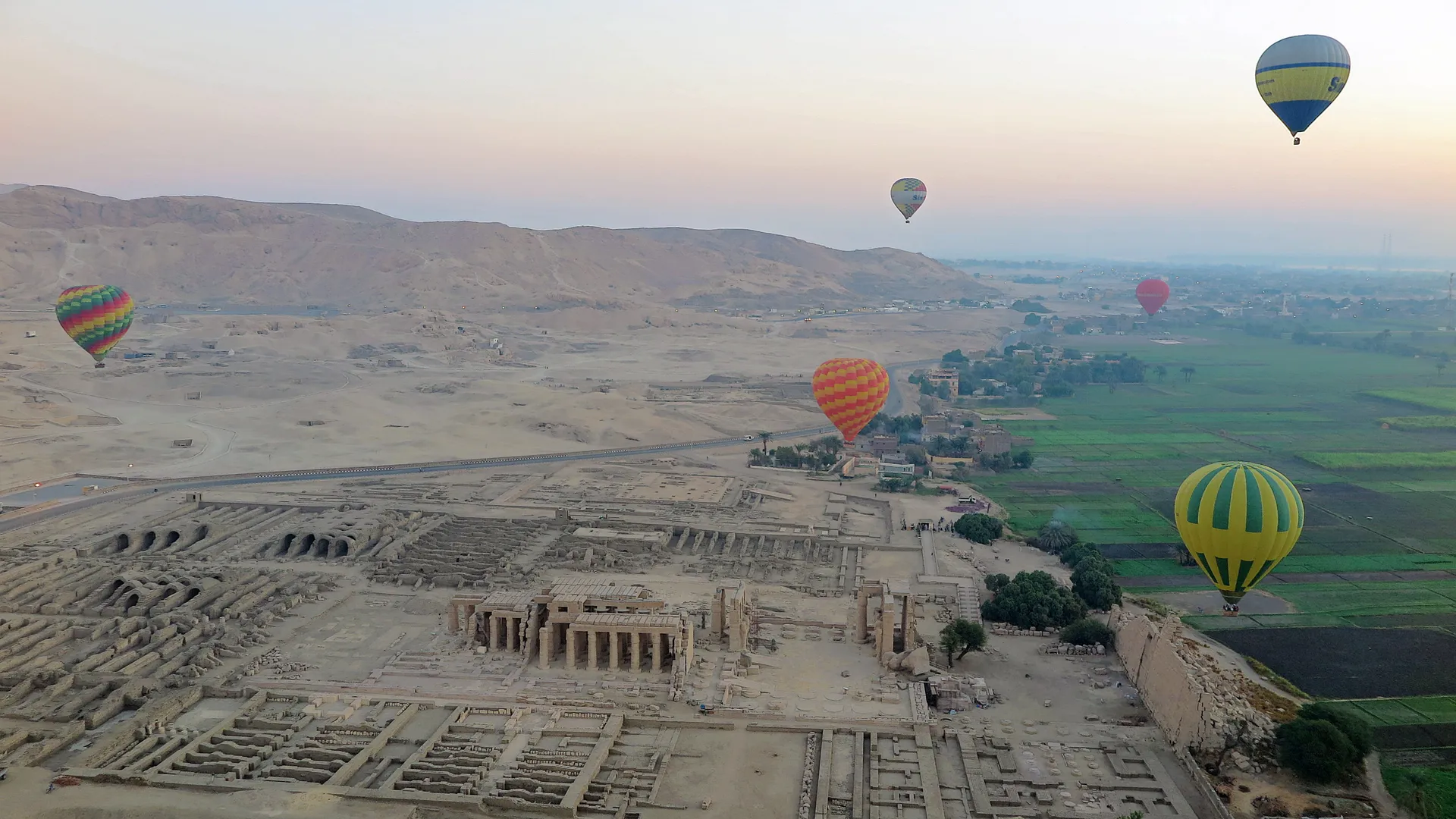
The West Bank's treasures extend well beyond the Valley of the Kings. The Valley of the Queens, the temple of Medinet Habu, and the Colossi of Memnon — twin sixty-foot statues that have stood sentinel over the Theban plain for 3,400 years — can all be visited in a single morning by bicycle or taxi. A hot-air balloon ride at dawn, floating silently over the temples and farmland with the Habu mountain behind, ranks among Egypt's most unforgettable experiences.
Luxor is a centrepiece of Nile river cruise itineraries, visited by AmaWaterways, APT Cruising, Avalon Waterways, Explora Journeys, Lindblad Expeditions, Oceania Cruises, Riviera Travel, Uniworld River Cruises, and Viking. Most cruises sail the four or five-day journey between Luxor and Aswan, stopping at Edfu and Kom Ombo temples en route. October through April provides the most comfortable temperatures, with December through February ideal for temple visits without the intense summer heat.