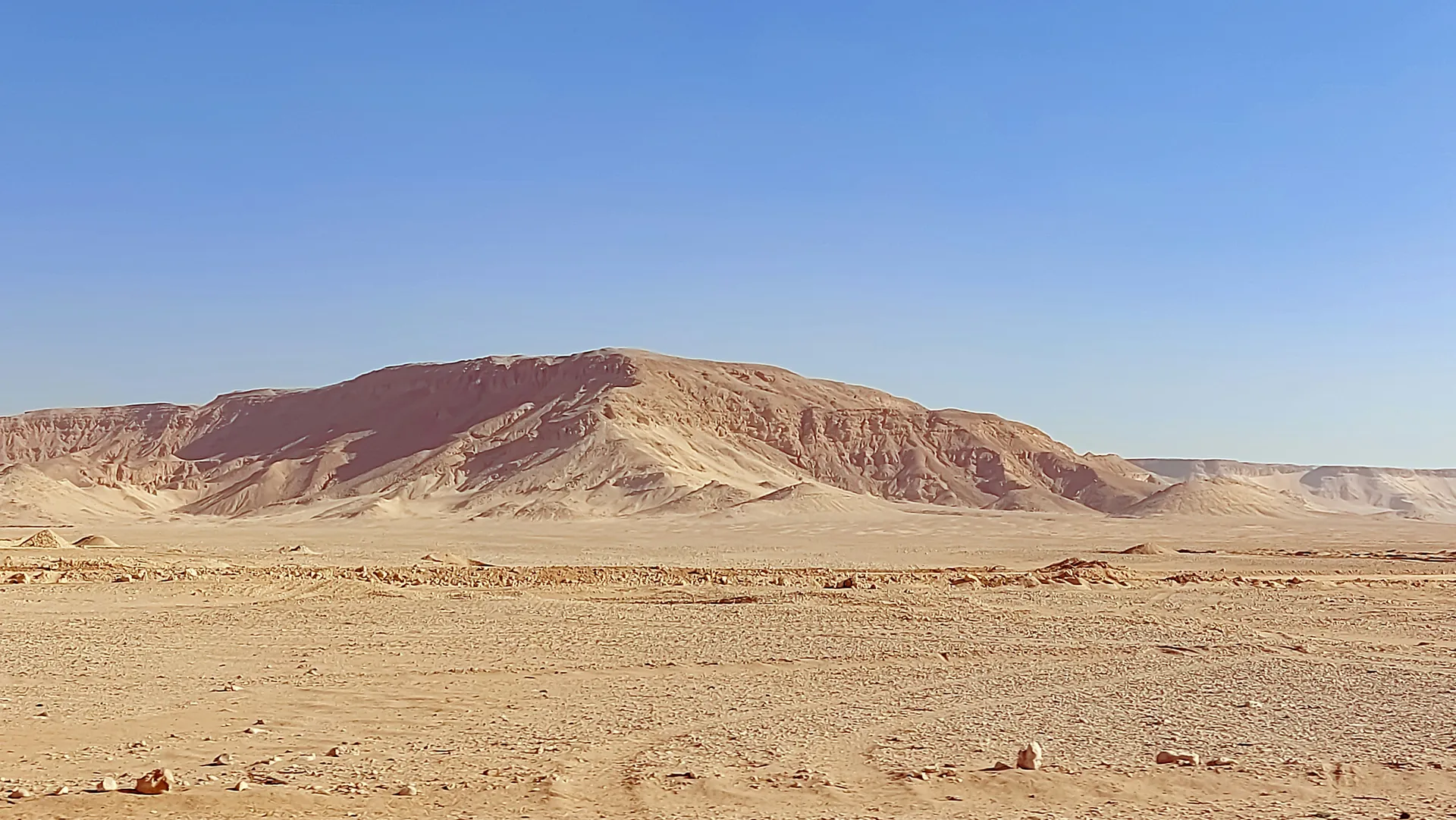
Qena occupies a commanding bend in the Nile River roughly 600 kilometres south of Cairo, at a point where the great river curves eastward toward the Red Sea in a geographic anomaly that ancient Egyptians considered sacred. The city's significance stretches back over 5,000 years — it served as the capital of the fifth Upper Egyptian nome (province) during the Pharaonic period, and the nearby Temple of Hathor at Dendera, one of the best-preserved temple complexes in all of Egypt, has drawn pilgrims and scholars since the Ptolemaic dynasty built its current form around 50 BC.
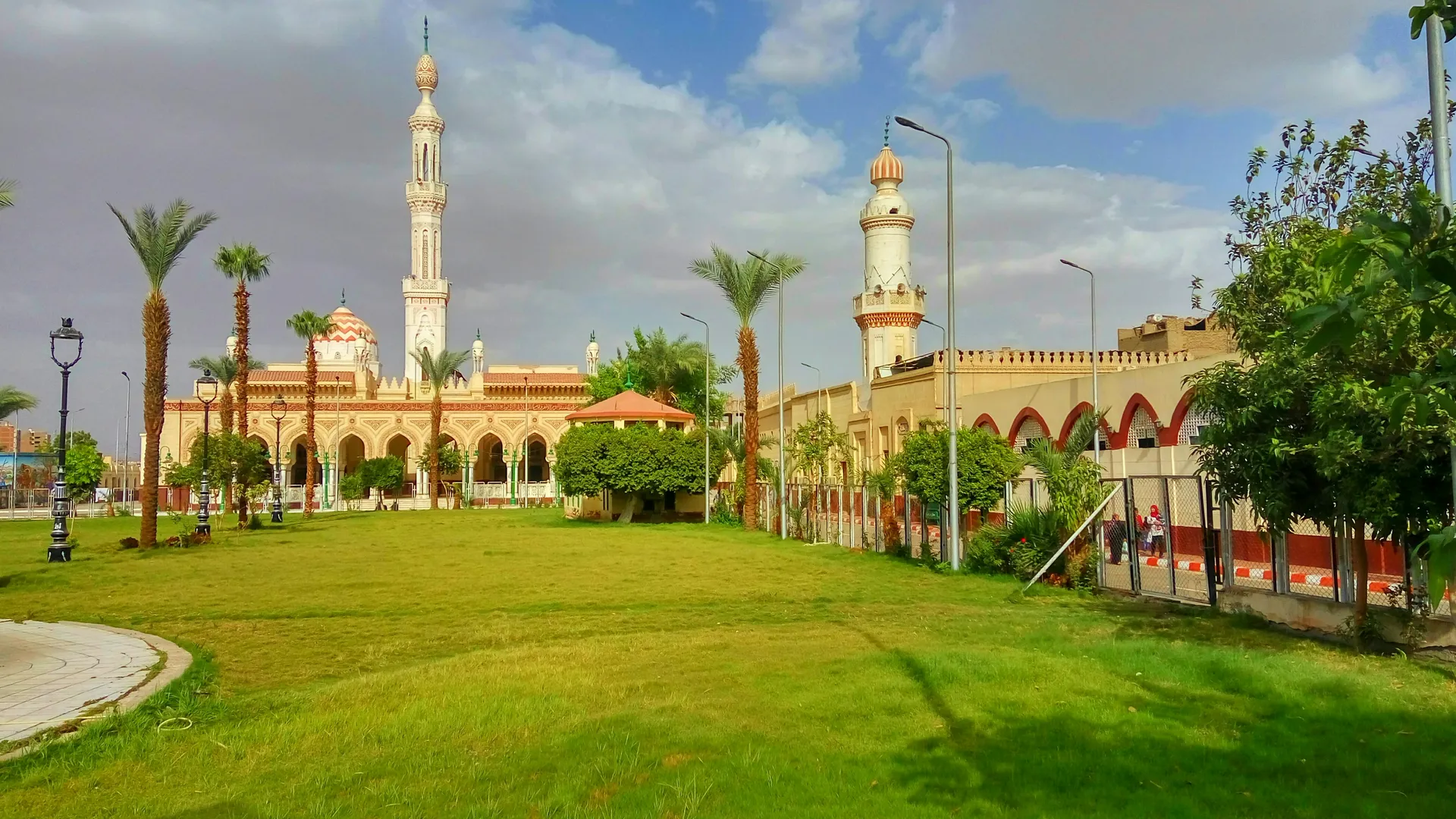
Modern Qena is a bustling Upper Egyptian city of roughly 250,000 people that serves as the commercial centre for the surrounding agricultural region, where sugarcane, wheat, and Egyptian cotton flourish in the rich Nile silt. The city's Islamic heritage is visible in its Ottoman-era mosques and the shrine of Abd el-Rahim el-Qenawi, a thirteenth-century Sufi saint whose annual moulid (festival) draws thousands of devotees in a celebration of music, dhikr chanting, and communal feasting. The waterfront corniche offers views across the palm-fringed Nile, while the souks pulse with the commerce of Upper Egypt — spices, handwoven textiles, and pottery crafted from local clay.
The culinary traditions of Qena are rooted in the hearty, flavourful cooking of Upper Egypt. Ful medames, the slow-simmered fava bean stew that has sustained Egyptians since pharaonic times, is served at breakfast with tahina, lemon, and fresh baladi bread. Molokhia, a thick soup of jute leaves simmered with garlic and coriander, appears alongside grilled pigeon — a delicacy stuffed with freekeh (green wheat) — and koshari, the beloved Egyptian street food combining rice, lentils, macaroni, and crispy fried onions under a spiced tomato sauce. Sugarcane juice, pressed fresh at streetside stalls, provides sweet refreshment against the Upper Egyptian heat.
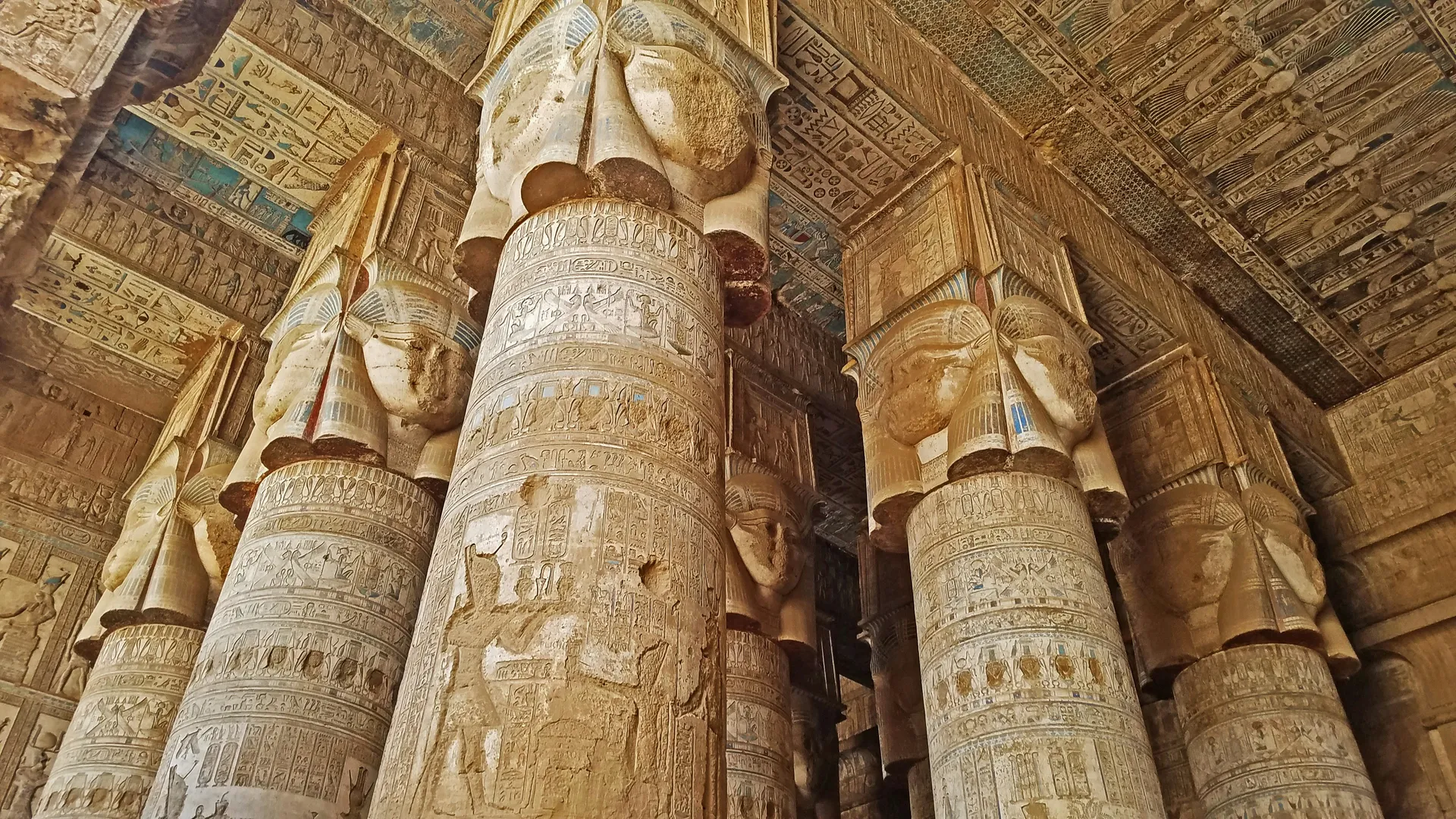
The Temple of Hathor at Dendera, the principal reason cruise ships stop at Qena, is one of antiquity's most awe-inspiring monuments. Its massive hypostyle hall, supported by 24 columns carved with the face of the goddess Hathor, retains vibrant original paintwork in blues, greens, and golds that give visitors a sense of how Egyptian temples once blazed with colour. The famous Dendera zodiac — an ancient astronomical ceiling depicting the constellations — was removed by Napoleon's expedition and now resides in the Louvre, but a cast replica marks its original position. From Qena, excursions to the Temple of Luxor and the Valley of the Kings at Thebes, roughly an hour south, complete an immersion into ancient Egyptian civilization.
Qena is a port of call on Nile river cruises, served by AmaWaterways and Viking. It typically features on itineraries between Luxor and Aswan, pairing with the great temple complexes at Karnak, Edfu, and Kom Ombo. The best season for visiting is from October through April, when temperatures are warm but manageable, and the quality of light transforms the desert temples into scenes of almost supernatural beauty. Summer months bring extreme heat that can exceed 45°C.