Safaga is a quiet Egyptian port on the Red Sea coast, 53 kilometers south of Hurghada, that serves as both a gateway to Upper Egypt's ancient monuments and a destination for some of the finest diving in the world. The town itself is modest—a collection of resort hotels, dive centers, and a commercial port that exports phosphates from the Eastern Desert mines—but its position, midway between the Red Sea's marine treasures and the Nile Valley's archaeological treasures, gives it a strategic importance that belies its size. The offshore reefs, fed by nutrient-rich currents and sheltered from the most aggressive wave action, support coral formations and marine life of extraordinary diversity.
The diving at Safaga is exceptional. The offshore reefs—Salem Express (a wreck dive on a ferry that sank in 1991, now a controversial but compelling underwater memorial), Panorama Reef, Abu Kafan, and the Seven Pillars—offer wall dives, drift dives, and reef explorations that rival anything in the Red Sea. The coral formations are in remarkably good condition, their tables, pillars, and fans providing habitat for over a thousand species of fish, including napoleon wrasses, barracuda schools, and the occasional dolphin pod. The visibility—often exceeding 30 meters—and the water temperature (22–28°C year-round) create diving conditions that are close to ideal.
The cuisine of Safaga's resort hotels blends Egyptian, Middle Eastern, and international influences. Ful medames (slow-cooked fava beans), koshari (rice, lentils, pasta, and tomato sauce), and grilled kofta are Egyptian staples. The fresh seafood from the Red Sea—grilled sea bass, prawns in garlic butter, and calamari—is excellent. The resort buffets, while varying in quality, generally offer a range that includes Egyptian meze (tahini, baba ghanoush, stuffed vine leaves), international dishes, and tropical fruits. Egyptian mint tea and fresh-squeezed mango and guava juices provide hydration in the desert heat.
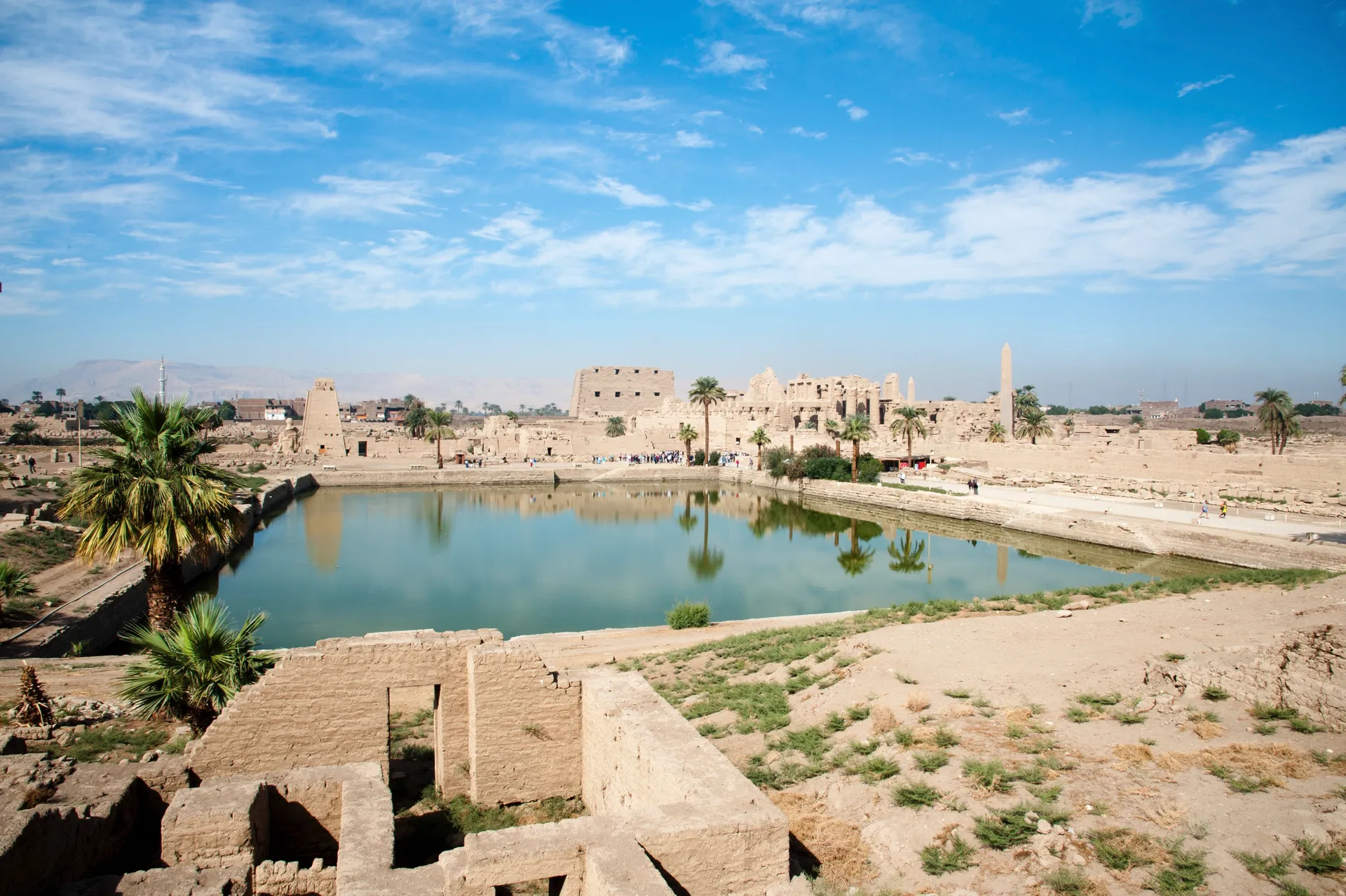
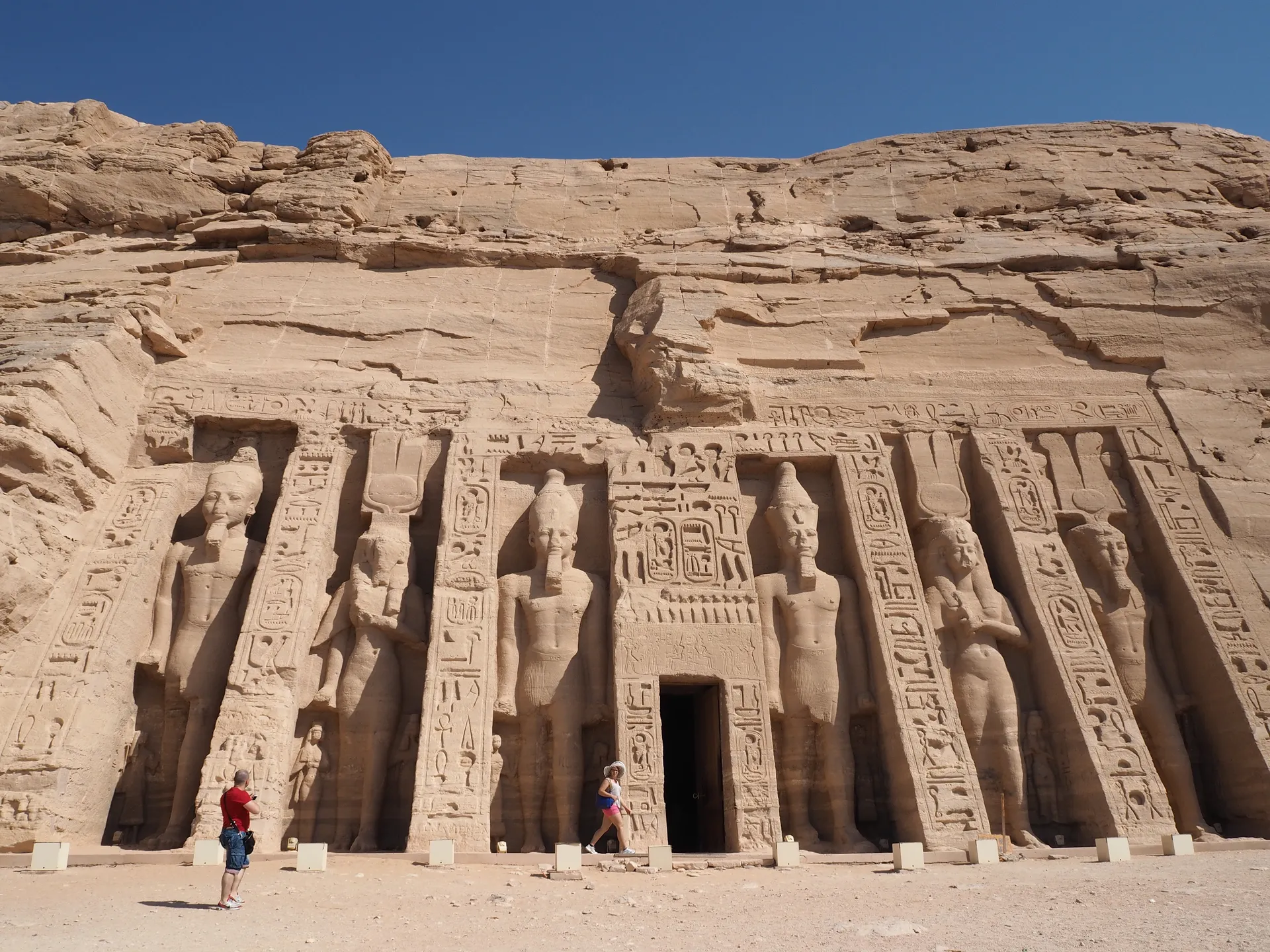
The excursion to Luxor—the ancient Thebes, capital of the New Kingdom pharaohs—is Safaga's primary cultural attraction. The three-hour drive through the Eastern Desert arrives at the Nile Valley, where the greatest concentration of ancient monuments in the world awaits: the Temple of Karnak, the Luxor Temple, the Valley of the Kings (including the tomb of Tutankhamun), the Temple of Hatshepsut at Deir el-Bahri, and the Colossi of Memnon. A day trip from Safaga to Luxor is demanding but transformative—the contrast between the Red Sea's marine beauty and the Nile Valley's archaeological grandeur captures the extraordinary range of Egypt's appeal.
Safaga is a regular port of call for Red Sea and Eastern Mediterranean cruise itineraries, with the port capable of receiving large vessels. The best time to visit is October through April, when temperatures are comfortable for both diving (the water remains warm year-round) and the Luxor excursion (summer temperatures in the Nile Valley can exceed 45°C). Spring and autumn offer the best balance of sea conditions, temperature, and visibility. The wind conditions that make Safaga one of Egypt's premier windsurfing and kitesurfing destinations are strongest from March through September.