Suez sits at the southern terminus of the Suez Canal—one of the most consequential waterways in human history—where the man-made channel meets the northern reaches of the Red Sea at the head of the Gulf of Suez. This city of approximately 750,000 people has been a nexus of global trade and military strategy since antiquity, its position at the intersection of Africa, Asia, and the Mediterranean world giving it a significance that far exceeds its modest touristic profile.
The Suez Canal, opened in 1869 after a decade of construction overseen by Ferdinand de Lesseps, transformed global maritime commerce by eliminating the need for the 9,000-kilometer journey around the Cape of Good Hope. The canal stretches 193 kilometers from Suez to Port Said on the Mediterranean, cutting through the Isthmus of Suez at sea level—unlike the Panama Canal, the Suez requires no locks, as the Red Sea and the Mediterranean share effectively the same water level. The waterway accommodates the largest cargo vessels and supertankers on Earth, and approximately 12 percent of global trade passes through it annually.
The city's history extends far beyond the modern canal. Ancient Egyptians constructed a precursor canal connecting the Nile to the Red Sea as early as the reign of Senusret III around 1850 BC, and various rulers—Ptolemaic, Roman, and Islamic—maintained and expanded this waterway over subsequent millennia. The sixteenth-century Ottoman port of Qulzum occupied the site, and the city played a pivotal role during the 1956 Suez Crisis, when Egypt's nationalization of the canal precipitated a brief but consequential military confrontation with Britain, France, and Israel that reshaped the post-colonial Middle East.
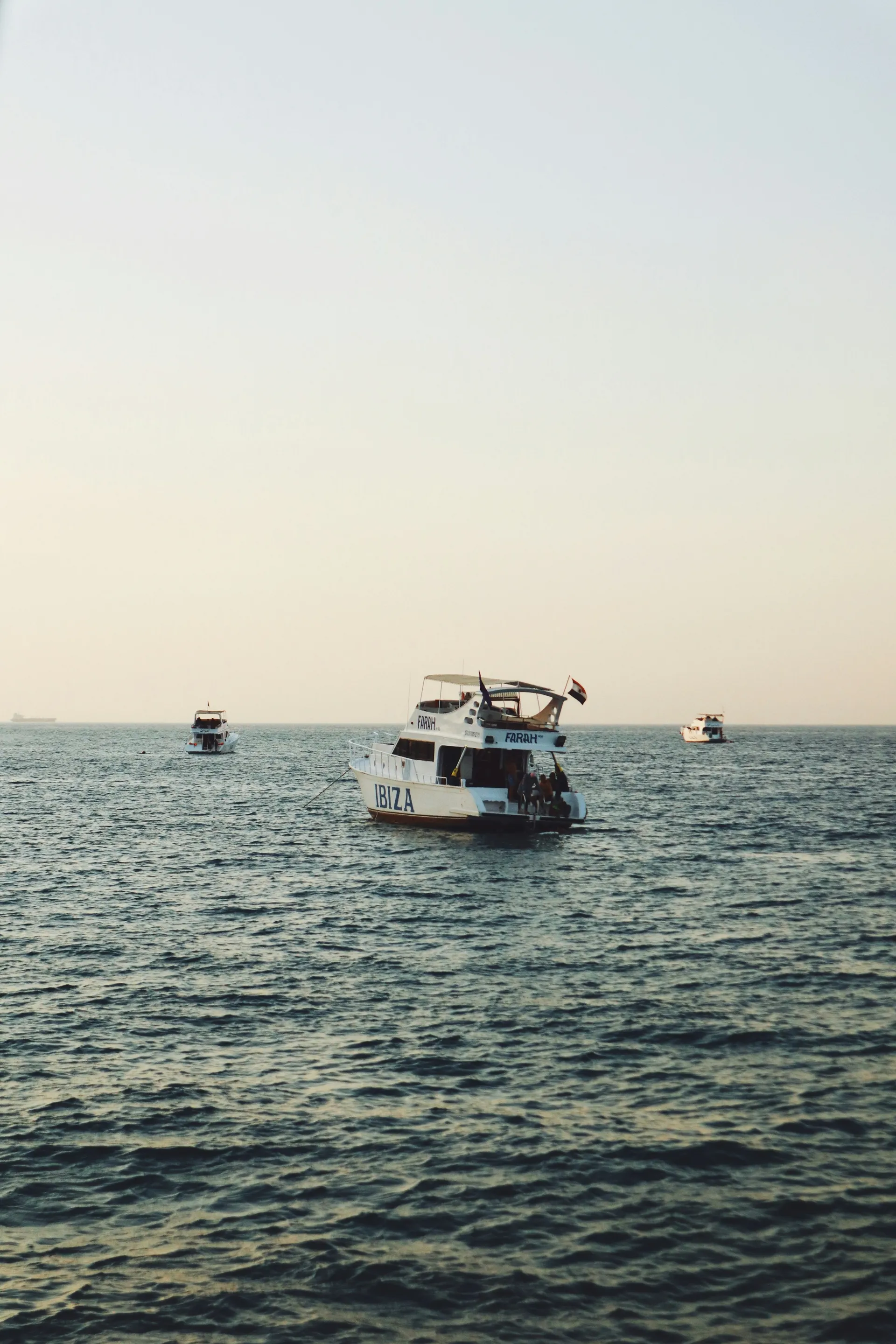
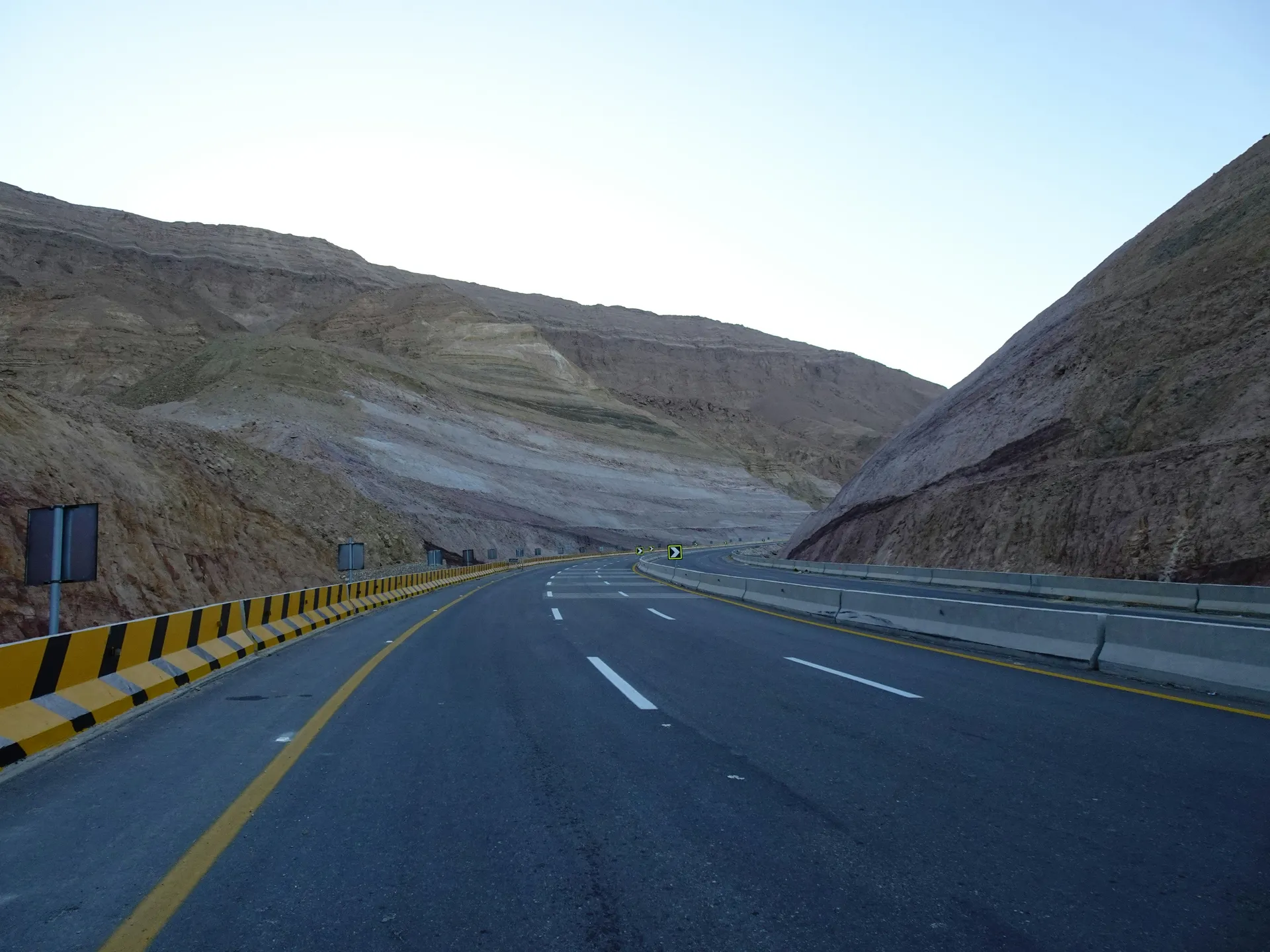
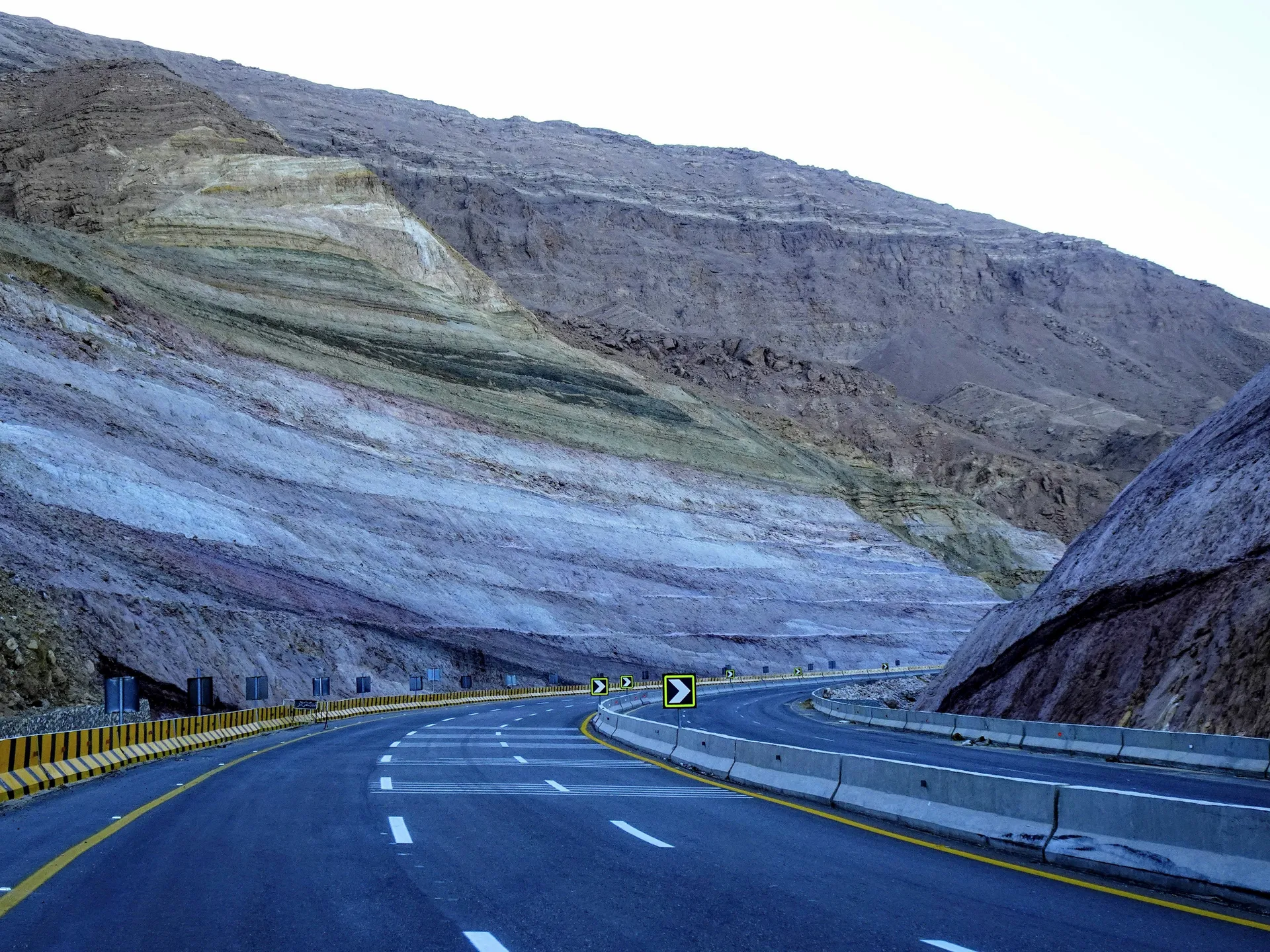
The Gulf of Suez, stretching south from the city, marks the beginning of one of the world's most fascinating marine environments. The Red Sea's extraordinary clarity, warm temperatures, and coral reef ecosystems begin here, though the diving and snorkeling improve dramatically further south along the Sinai and Egyptian Red Sea coasts. The gulf's waters are frequented by dolphins, and its shores—where the arid mountains of the Eastern Desert and Sinai Peninsula converge—present landscapes of stark, mineral beauty that inspired Lawrence of Arabia and continue to captivate travelers.
Cruise ships transit the Suez Canal or use the port of Suez as an embarkation point for Red Sea itineraries. Shore excursions typically focus on Cairo and the pyramids of Giza, approximately 130 kilometers to the northwest—a journey of approximately two hours through desert landscape that transitions into the Nile Valley's green agricultural plain. The climate is hot and arid year-round, with the most comfortable visiting conditions from October through April. Suez's significance lies less in its own attractions than in its extraordinary position—a gateway between oceans, between continents, and between the ancient and modern worlds.