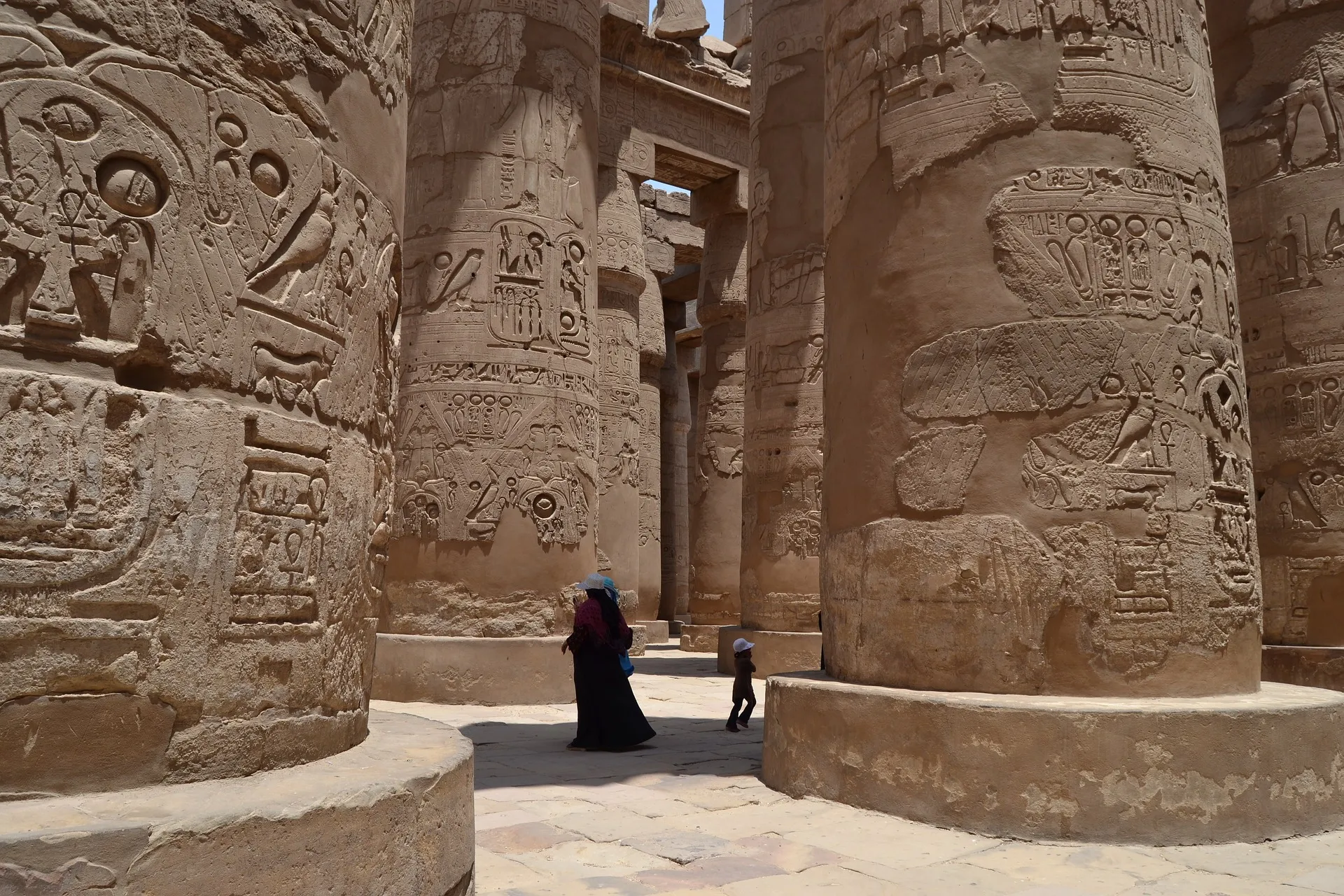
The West Bank of the Nile in the Luxor area encompasses one of the greatest concentrations of ancient monuments on Earth—a necropolis of extraordinary scale and artistry that served as the final resting place of pharaohs, queens, and nobles for over five centuries during ancient Egypt's New Kingdom period (1550-1070 BC). Quina, a small settlement on this west bank, provides access to a landscape where virtually every hillside conceals tombs, every valley holds temples, and the desert's dry heat has preserved treasures that have astonished visitors since the first modern explorers arrived in the early nineteenth century.
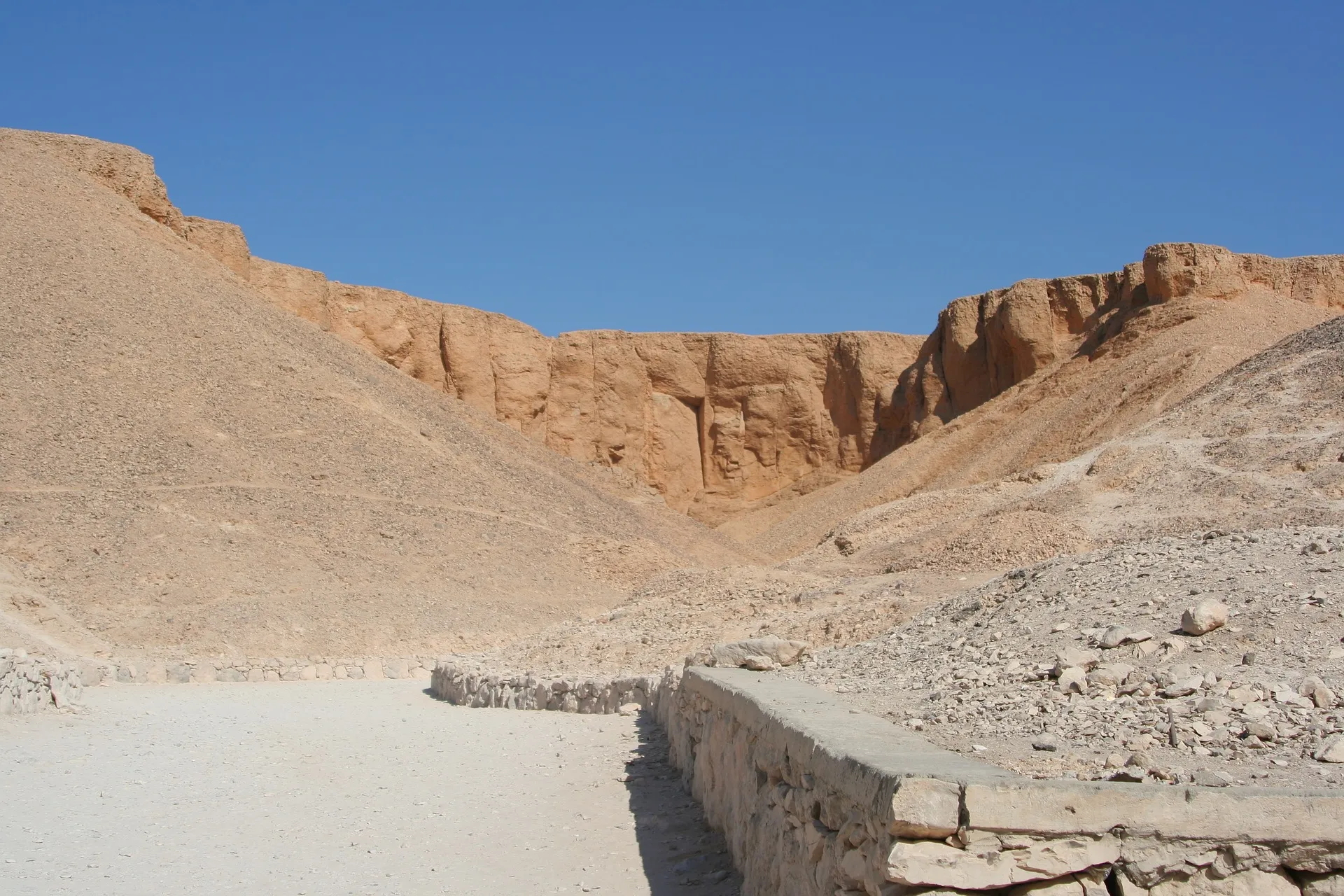
The Valley of the Kings, carved into the limestone hills behind Deir el-Bahari, contains sixty-three known tombs—including the celebrated tomb of Tutankhamun, discovered by Howard Carter in 1922 with its treasures intact, and the massive tomb of Seti I, whose corridors extend over 100 meters into the rock and whose painted walls represent the pinnacle of New Kingdom artistic achievement. The experience of descending into these tombs—passing through corridors decorated with scenes from the Book of the Dead, the Litany of Ra, and the Amduat—is one of the most powerful encounters with the ancient world available to the modern traveler.
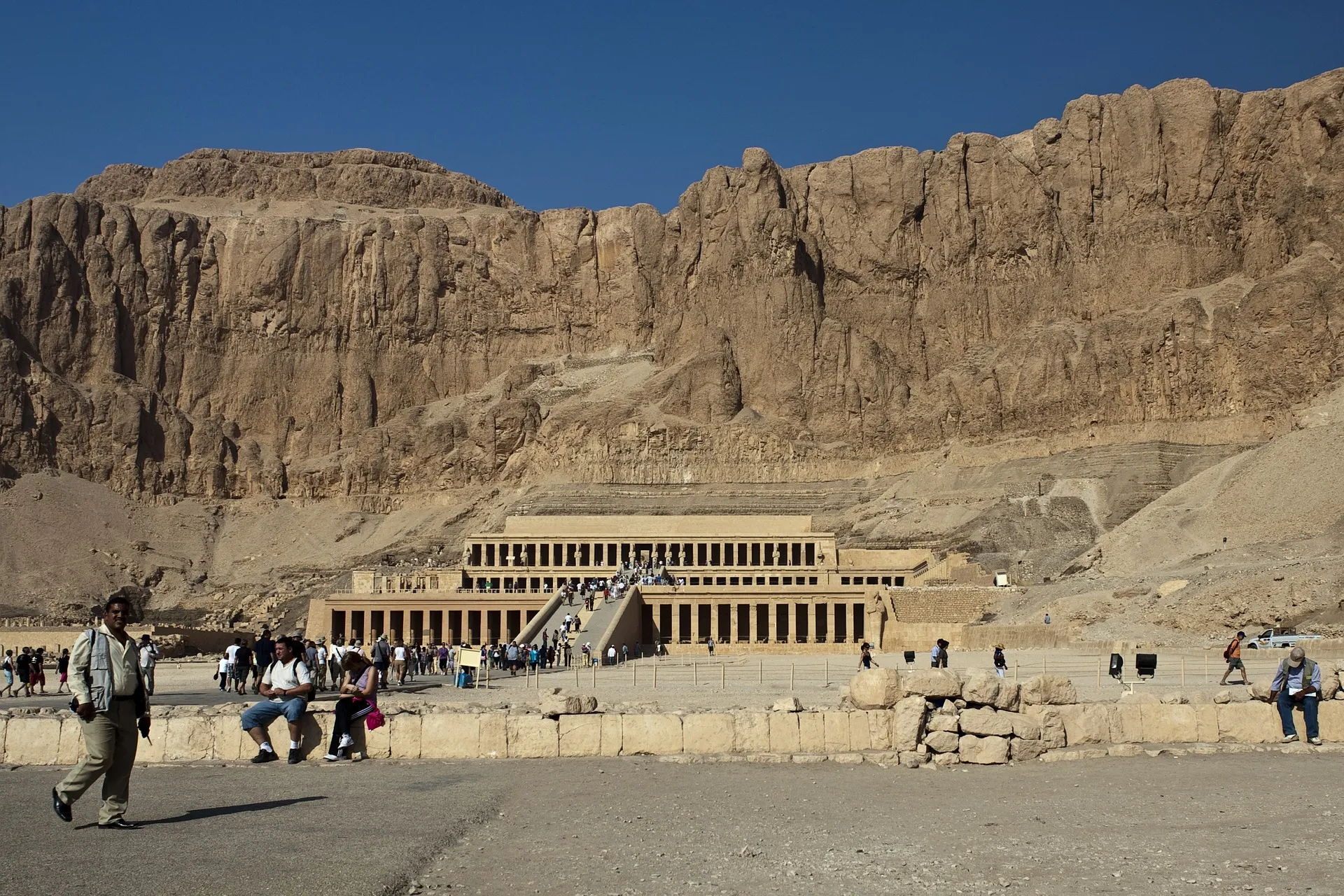
The Temple of Hatshepsut at Deir el-Bahari is perhaps the most architecturally ambitious monument on the west bank—a vast terraced structure built against the cliff face for Egypt's only female pharaoh, its colonnaded facades blending with the natural rock in a harmony of design that remains breathtaking 3,500 years after its construction. The Colossi of Memnon, two enormous seated statues of Amenhotep III that once guarded a vast mortuary temple now vanished, greet visitors at the edge of the cultivated land, their weathered faces gazing across the Nile with an equanimity that 3,400 years of exposure to the elements has not diminished.
The Valley of the Queens, less visited but equally rewarding, contains the tomb of Nefertari—wife of Ramesses II and regarded by the ancient Egyptians themselves as the most beautiful tomb in the necropolis. Its wall paintings, restored in the 1990s, display a sophistication of color, line, and composition that rivals any art produced before the Italian Renaissance. The Tombs of the Nobles, scattered across the hillside above the agricultural villages, offer an intimate counterpoint to the royal tombs—their painted scenes depicting everyday life (farming, fishing, feasting, music-making) with a warmth and naturalism that makes the ancient Egyptians feel startlingly present.
Cruise ships dock at Luxor's east bank, with organized excursions crossing the Nile to the west bank by bridge or ferry. The necropolis is vast and requires a full day—at minimum—to appreciate even a selection of its monuments. October through April is the optimal visiting season, when temperatures are manageable (20-30°C) and the light is clear and golden. Summer temperatures can exceed 45°C, making outdoor exploration genuinely dangerous during midday hours. Early morning visits—beginning at the tombs' opening time—are essential regardless of season, as the combination of cool temperatures and minimal crowds creates conditions that allow the monuments' power to be felt without distraction.