The Falkland Islands lie in the South Atlantic, roughly 500 kilometres east of the Patagonian coast, a wind-scoured archipelago of two main islands and some 776 smaller ones that support a permanent population of approximately 3,500 people — outnumbered several hundred to one by penguins, albatrosses, elephant seals, and the characterful Falkland steamer ducks that paddle through the kelp-fringed shallows with the dogged determination that seems to characterise everything about these islands. Discovered, disputed, and fought over by the British, Spanish, French, and Argentines, the Falklands remain a British Overseas Territory whose culture is unmistakably British — Land Rovers, cream teas, and red telephone boxes — transposed to a landscape that looks like the Scottish Highlands got lost on the way to Antarctica.
Stanley, the capital and only town, sits on the east coast of East Falkland, its brightly painted houses strung along the harbour like a row of colourful postage stamps. Christ Church Cathedral, the world's southernmost Anglican cathedral, is a charming stone building with a distinctive whalebone arch at its entrance. The Falkland Islands Museum tells the story of the islands' maritime heritage, from the days of sailing-ship wrecks (the hulks of several nineteenth-century vessels still rust photogenically in Stanley Harbour) to the 1982 conflict between Britain and Argentina, which remains the defining event in modern Falkland history. The Dockyard Museum and the 1982 War Memorial complete a compact but deeply informative circuit.
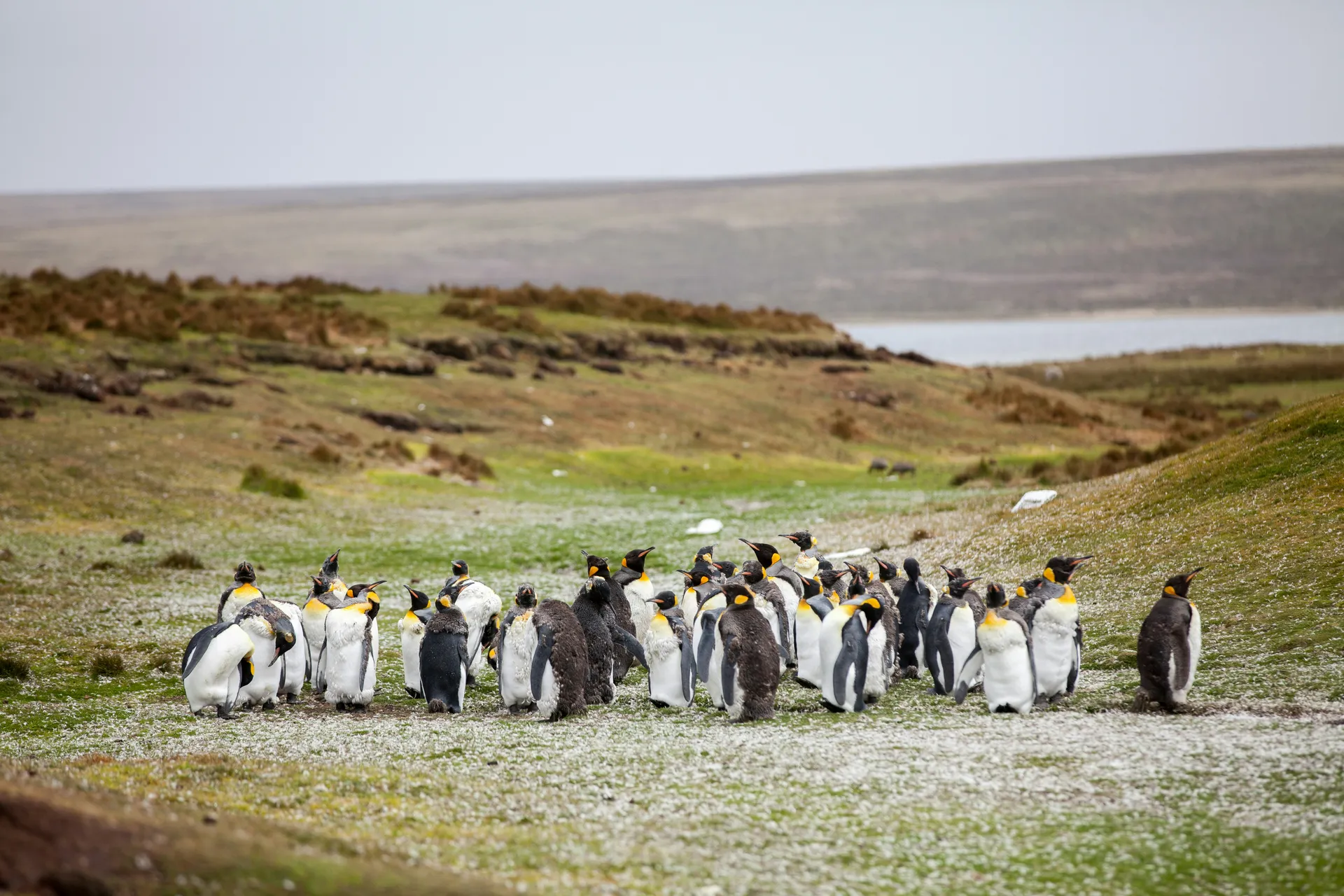
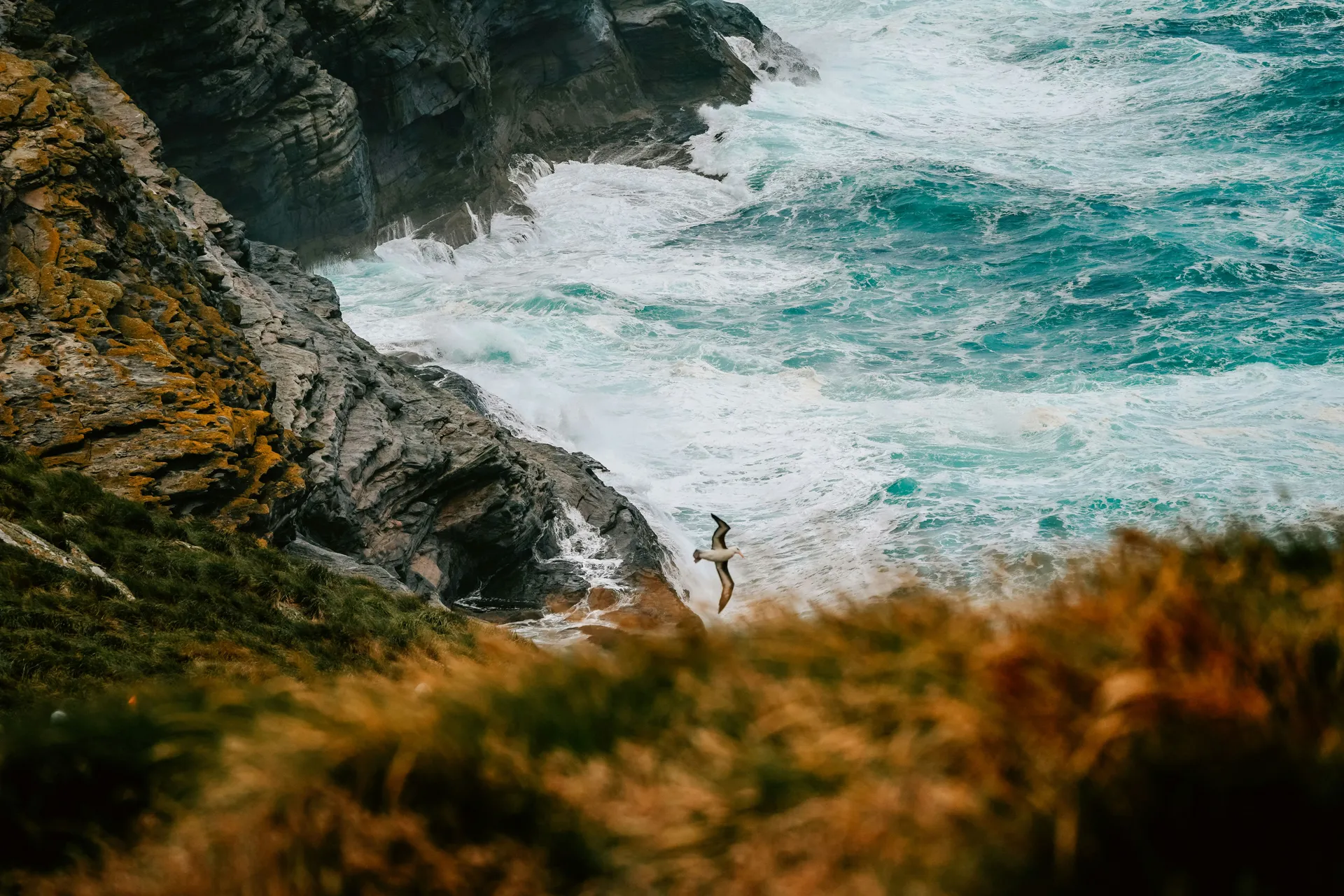
The wildlife of the Falkland Islands is the primary reason most visitors make the journey, and it does not disappoint. Five species of penguin breed on the islands — king, gentoo, Magellanic, rockhopper, and macaroni — and visiting a penguin colony is one of the purest wildlife encounters available anywhere. Volunteer Point, on East Falkland, hosts the largest king penguin colony outside South Georgia, with over a thousand pairs nesting on a broad, sandy beach. Saunders Island offers the extraordinary spectacle of four penguin species sharing the same stretch of coast with black-browed albatrosses nesting on cliff-top tussock grass. Southern elephant seals, fur seals, and sea lions haul out on beaches throughout the islands, while the waters support orcas, Peale's dolphins, and Commerson's dolphins.
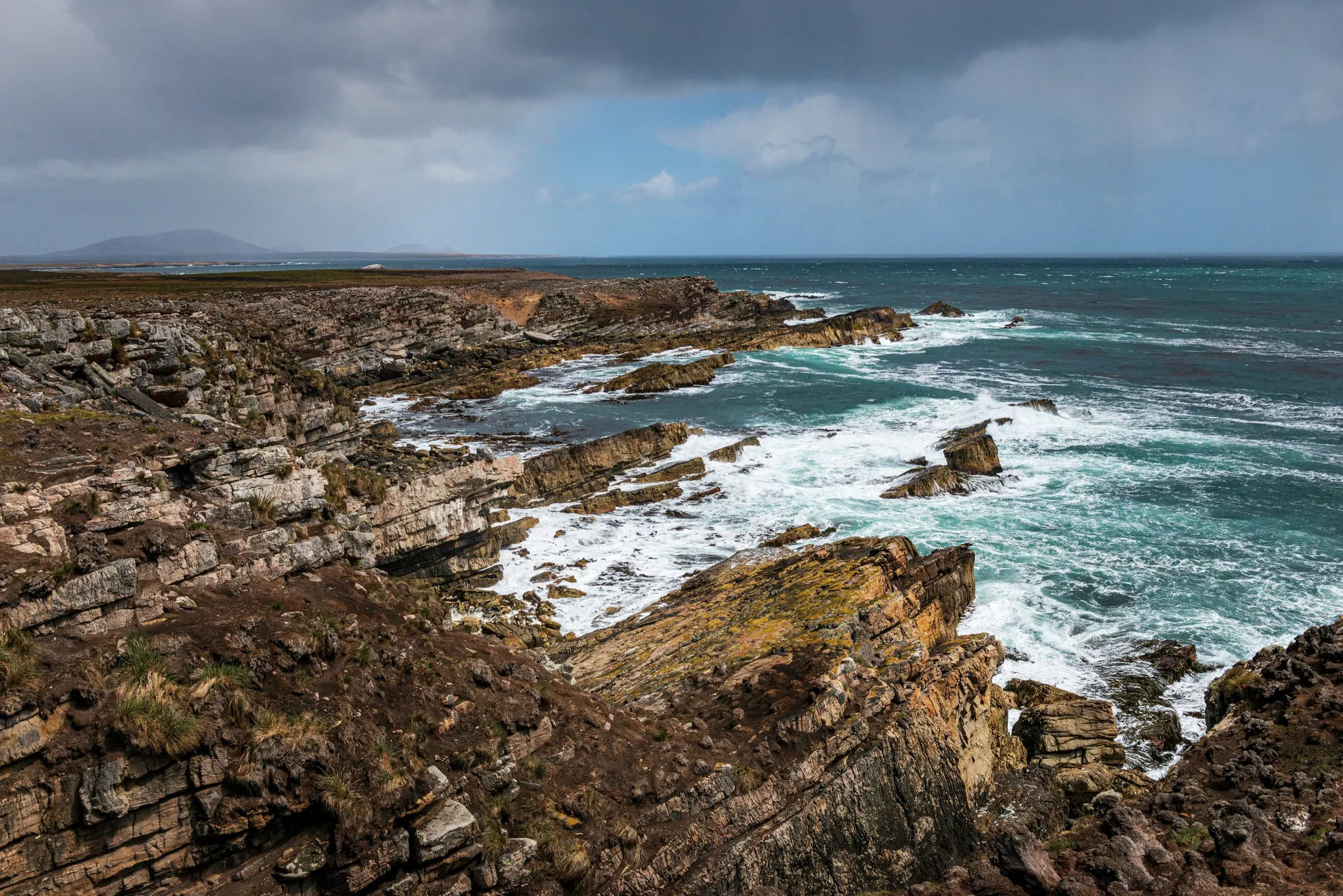
The Falkland landscape, while treeless and austere, possesses a stark beauty that grows on the visitor. The camp — the Falkland term for everything outside Stanley — is a rolling expanse of heath, grass, and stone runs (rivers of quartzite boulders that are one of the islands' most unusual geological features). The white-sand beaches of Bleaker Island, the dramatic cliffs of West Point Island, and the wild, wind-hammered coastline of Carcass Island offer hiking and wildlife encounters in settings of magnificent isolation. The clarity of the air, the vastness of the sky, and the extraordinary density of birdlife combine to create an atmosphere that is both humbling and exhilarating.
The Falkland Islands are visited by Aurora Expeditions, Hapag-Lloyd Cruises, Quark Expeditions, Scenic Ocean Cruises, and Seabourn, typically as part of longer Antarctic or South Atlantic expedition voyages. Stanley's cruise terminal can accommodate multiple vessels, with excursions departing for penguin colonies, battlefields, and wildlife sites. The best time to visit is October through March, the Southern Hemisphere spring and summer, with November through January offering the peak of breeding activity — penguin chicks, albatross courtship, and elephant seal harems in full, bellowing glory.