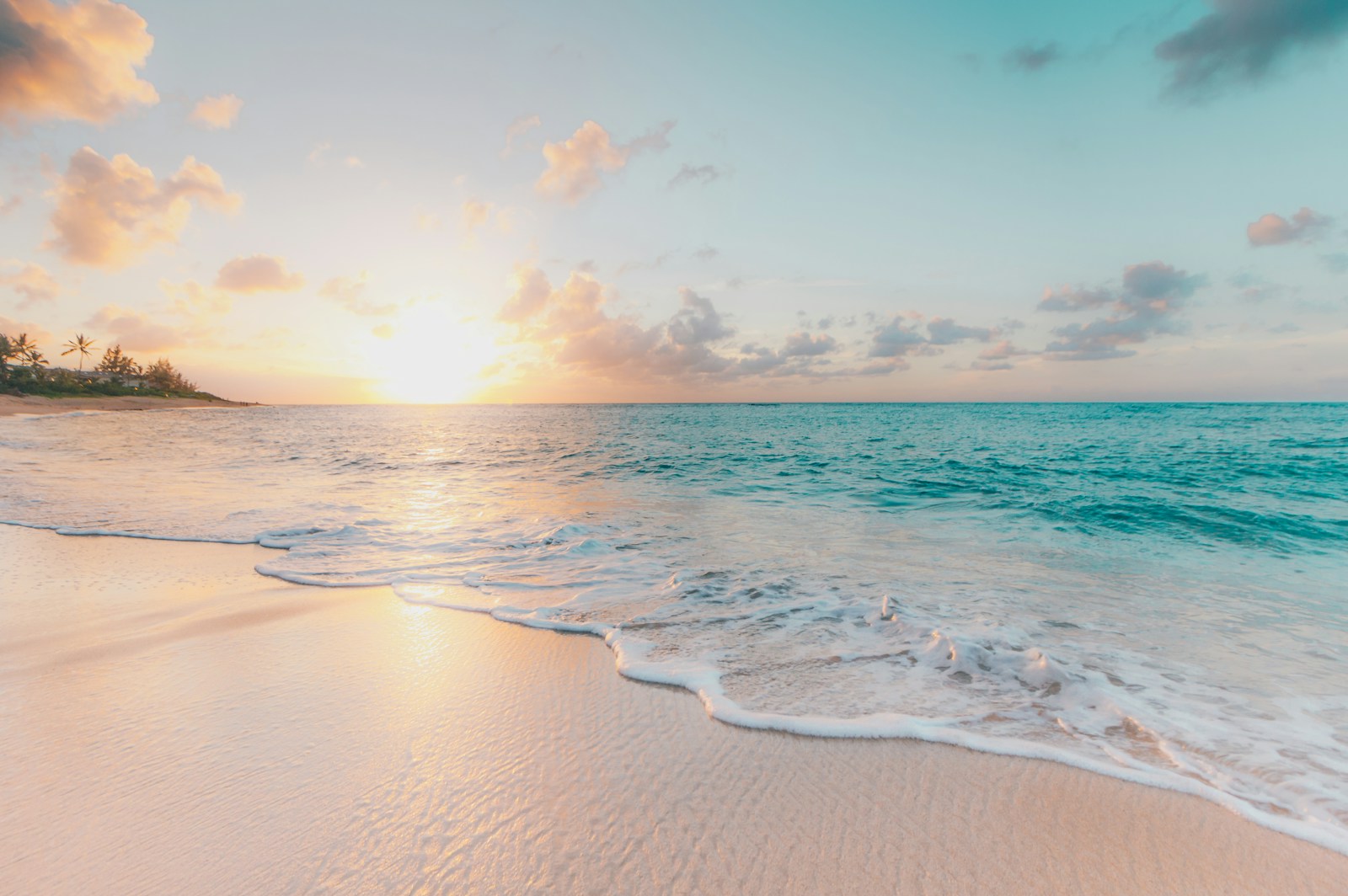
Fiji is not merely a destination — it is an entire emotional register, a place where the concept of paradise has been refined to its purest expression across 333 islands scattered like jade and turquoise confetti across the South Pacific. Straddling the 180th meridian where today becomes tomorrow, this archipelago nation has been shaped by over 3,500 years of Melanesian and Polynesian settlement, British colonial history, and Indian indentured labor — producing a culture of remarkable diversity unified by the single most disarming word in any language: "Bula."
The main islands of Viti Levu and Vanua Levu anchor the archipelago, but Fiji's soul resides in its outer islands. The Mamanuca chain, a necklace of palm-fringed coral islands off Nadi, offers the classic postcard Fiji — overwater bures, sunset cocktails, and reef snorkeling steps from the shore. The Yasawa group stretches further northwest into deeper blue water, its volcanic peaks and hidden lagoons harboring traditional villages where the kava ceremony — that solemn, slightly numbing ritual of communal welcome — opens doors to genuine cultural intimacy. The remote Lau group, far to the east, remains almost untouched by tourism.
Fijian cuisine bridges the Pacific and the subcontinent with delicious fluency. Kokoda — raw fish marinated in coconut cream and citrus — is the national appetizer, while lovo feasts bury whole pigs, chickens, taro, and cassava in underground ovens heated by volcanic stones, the smoky, earth-kissed results served on woven palm mats. Indian influence appears in fiery curries, roti, and the ubiquitous dhal soup that accompanies nearly every meal in Indo-Fijian households. The tropical fruit is extraordinary — papaya, mango, guava, and soursop appear at every breakfast.
Beneath the waterline, Fiji claims the title of "Soft Coral Capital of the World" with some justification. The Great Astrolabe Reef, the Somosomo Strait, and the Bligh Water passage host coral formations of staggering diversity and color, populated by over 1,500 species of fish, manta rays, and reef sharks. For divers and snorkelers, the underwater experience here rivals or exceeds the Great Barrier Reef, with the added advantage of warm water year-round and visibility often exceeding 30 meters.
Cruise ships visit Fiji via several ports, including Suva (the capital), Lautoka, Port Denarau, and various outer island anchorages accessible by tender. Fiji's tropical maritime climate divides into a dry season (May through October) and a wet season (November through April), with the dry months offering the most comfortable conditions for both above and below water exploration. Cyclone season runs from November through April, and cruise lines schedule accordingly. Whether you come for the reefs, the culture, or simply the warmth of a Fijian smile, this archipelago delivers a version of paradise that — remarkably — lives up to its reputation.

