In the southern Lau Group of Fiji, where the Pacific Ocean stretches unbroken eastward to Tonga and the nearest major settlement lies a full day's sail to the west, the raised limestone island of Kabara occupies a position of extraordinary cultural significance within the Fijian archipelago. This small island—roughly eight kilometers long and half as wide—has been the seat of the Tui Nayau, the paramount chief of the Lau province, and its people have maintained a tradition of oceanic voyaging, canoe-building, and wooden sculpture that connects them directly to the great Polynesian and Melanesian seafaring traditions of the deep Pacific. The island's raised limestone terrain, perforated with caves that served as burial sites for chiefs and as refuges during inter-island wars, creates a landscape that is both physically distinctive and culturally charged.
The character of Kabara is shaped by its remoteness and the self-sufficiency that remoteness demands. The island's three villages sustain themselves through fishing, subsistence farming, and the crafts that have made Kabara famous throughout Fiji. The woodcarvers of Kabara are regarded as the finest in the archipelago, producing the tanoa (kava bowls), war clubs, and canoe prows that are considered the highest expression of Fijian artistic achievement. The craft is hereditary, passed from father to son through lines that stretch back to the mythological past, and the best Kabara pieces are held in museums from Auckland to the Smithsonian.
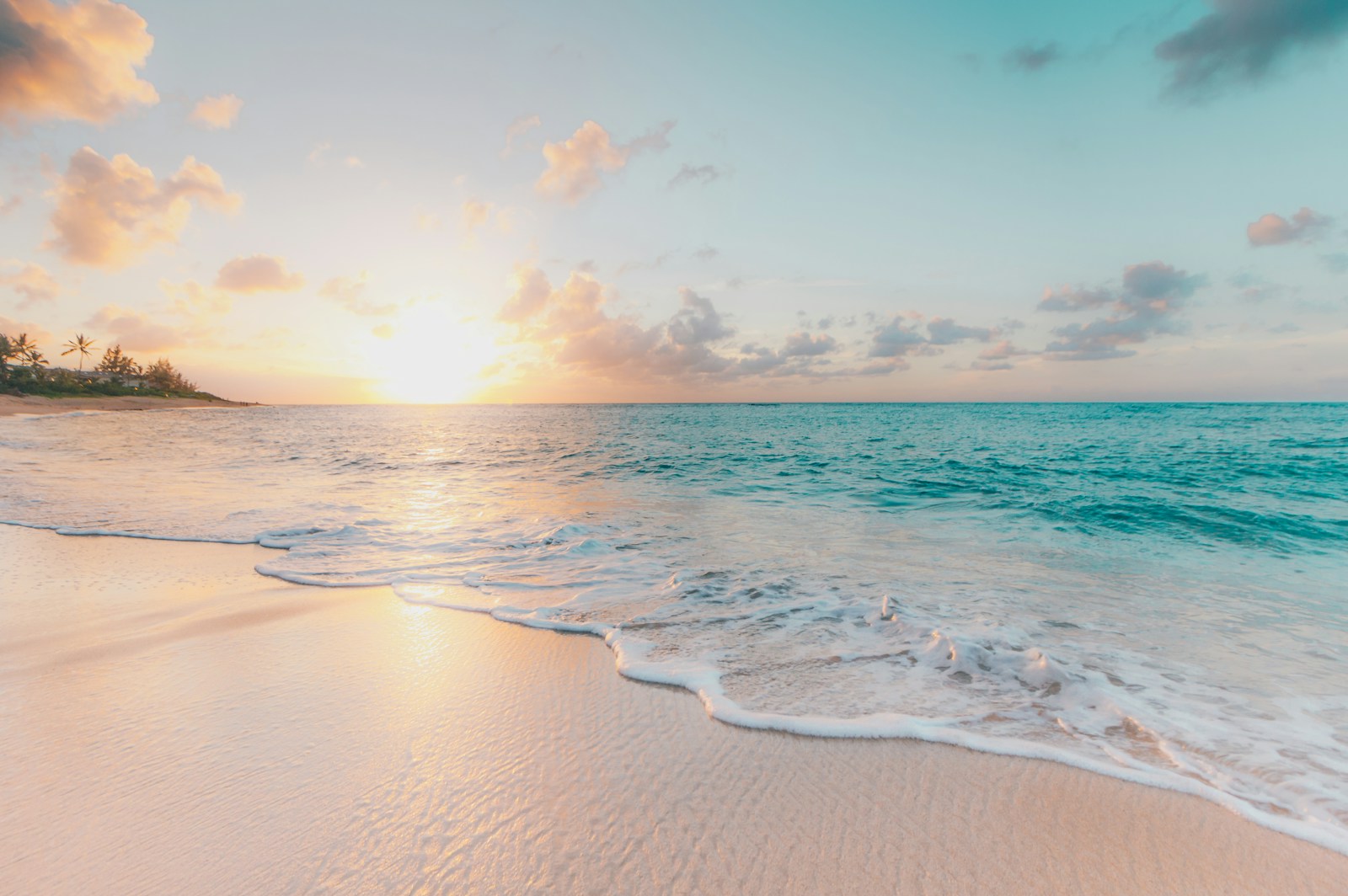
The marine environment surrounding Kabara is in pristine condition, benefiting from the island's isolation and the small population's sustainable fishing practices. The fringing reef drops away into deep oceanic water, creating conditions that attract pelagic species: sharks, tuna, and the occasional sailfish patrol the reef edge, while inside the lagoon, coral gardens of exceptional health support the reef fish populations that provide the community's primary protein source. The limestone coastline is carved into dramatic formations: blowholes that spout during heavy swells, sea caves accessible by kayak at low tide, and narrow channels that funnel the tidal water through passages of turquoise and jade.
Life on Kabara follows the rhythms of a traditional Fijian community that has adapted to modernity without surrendering its core identity. The sevusevu ceremony—the formal presentation of yaqona (kava) root to the village chief—opens every visit and establishes the protocol of hospitality that governs all interactions. Meals are communal events centered on lovo-cooked root vegetables, freshly caught reef fish, and the coconut preparations that feature in nearly every dish. Evening kava sessions, where the mildly narcotic root drink is shared in a circle with stories and songs, provide a window into a social fabric that is simultaneously ancient and entirely contemporary.
Kabara is reached by inter-island cargo vessel from Suva (approximately eighteen hours) or by expedition cruise vessel on itineraries exploring the Lau Group. There are no regular flights, no hotels, and no tourist infrastructure—visits must be arranged through connections with the island's community leaders. The driest months from May through October provide the most comfortable conditions and the calmest seas for the passage from Suva. Visitors should approach with genuine respect for the community's protocols, bring appropriate gifts for the sevusevu ceremony, and understand that a visit to Kabara is not a tourist transaction but a cultural exchange governed by traditions of hospitality that predate European contact by many centuries.

