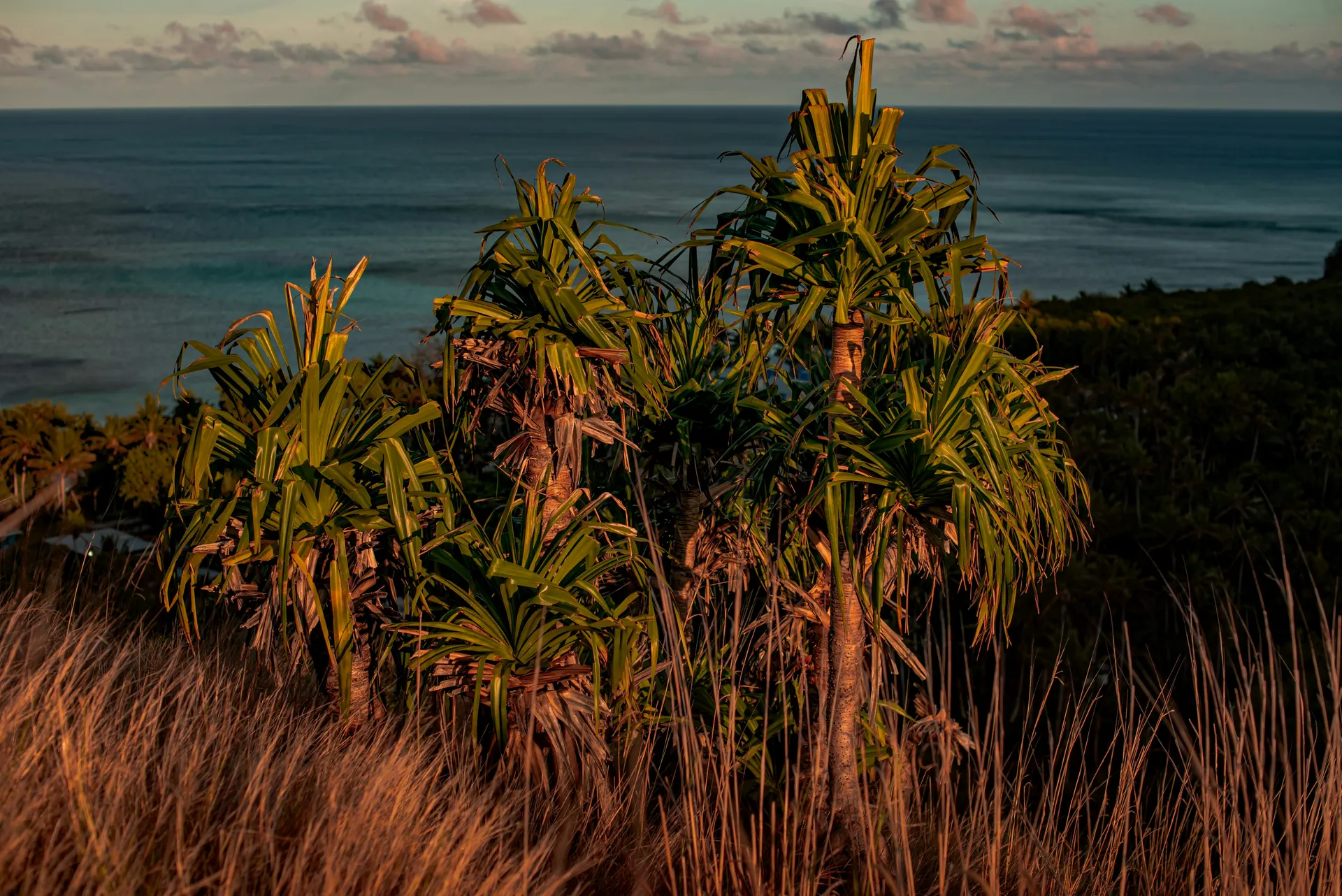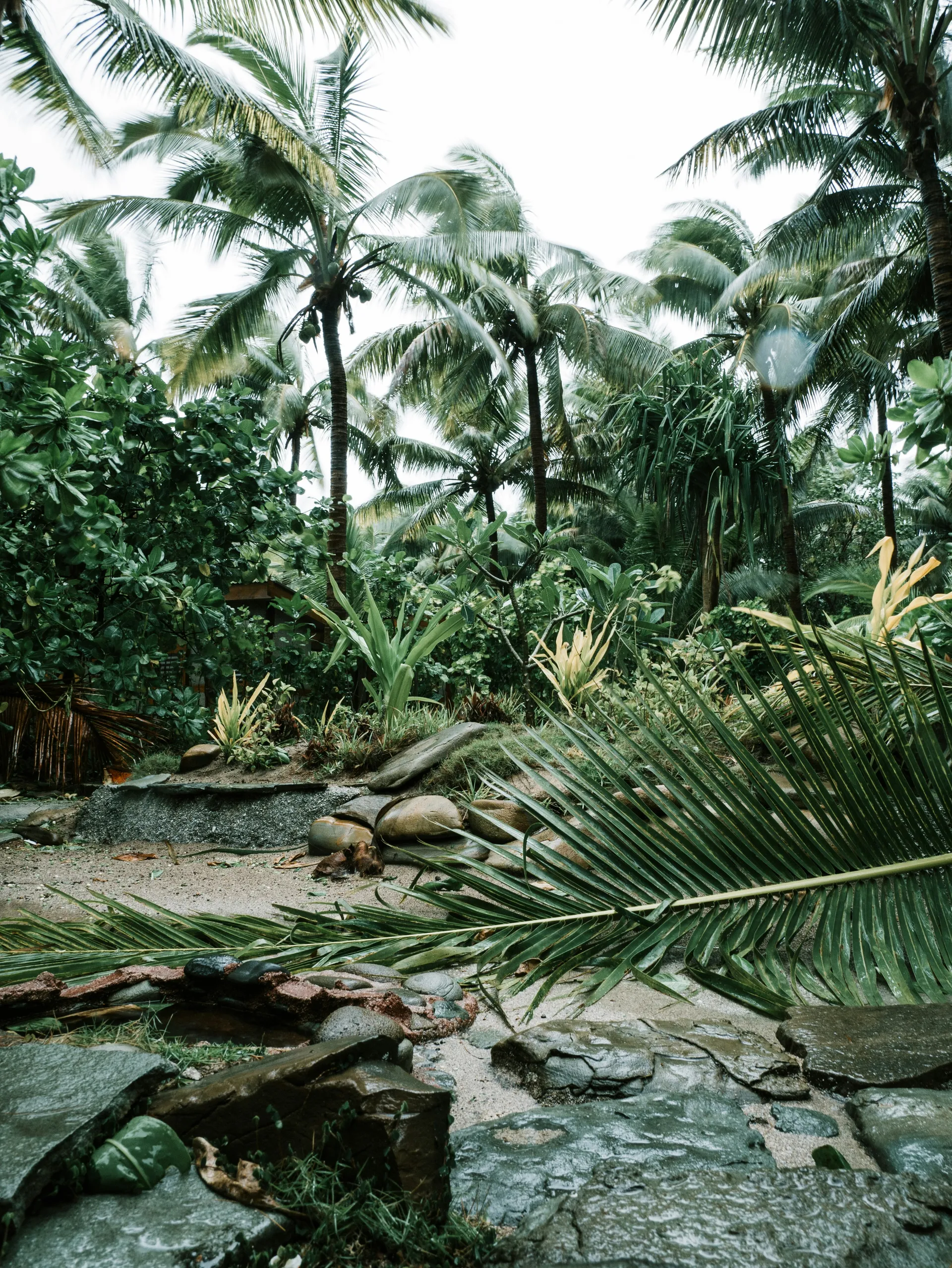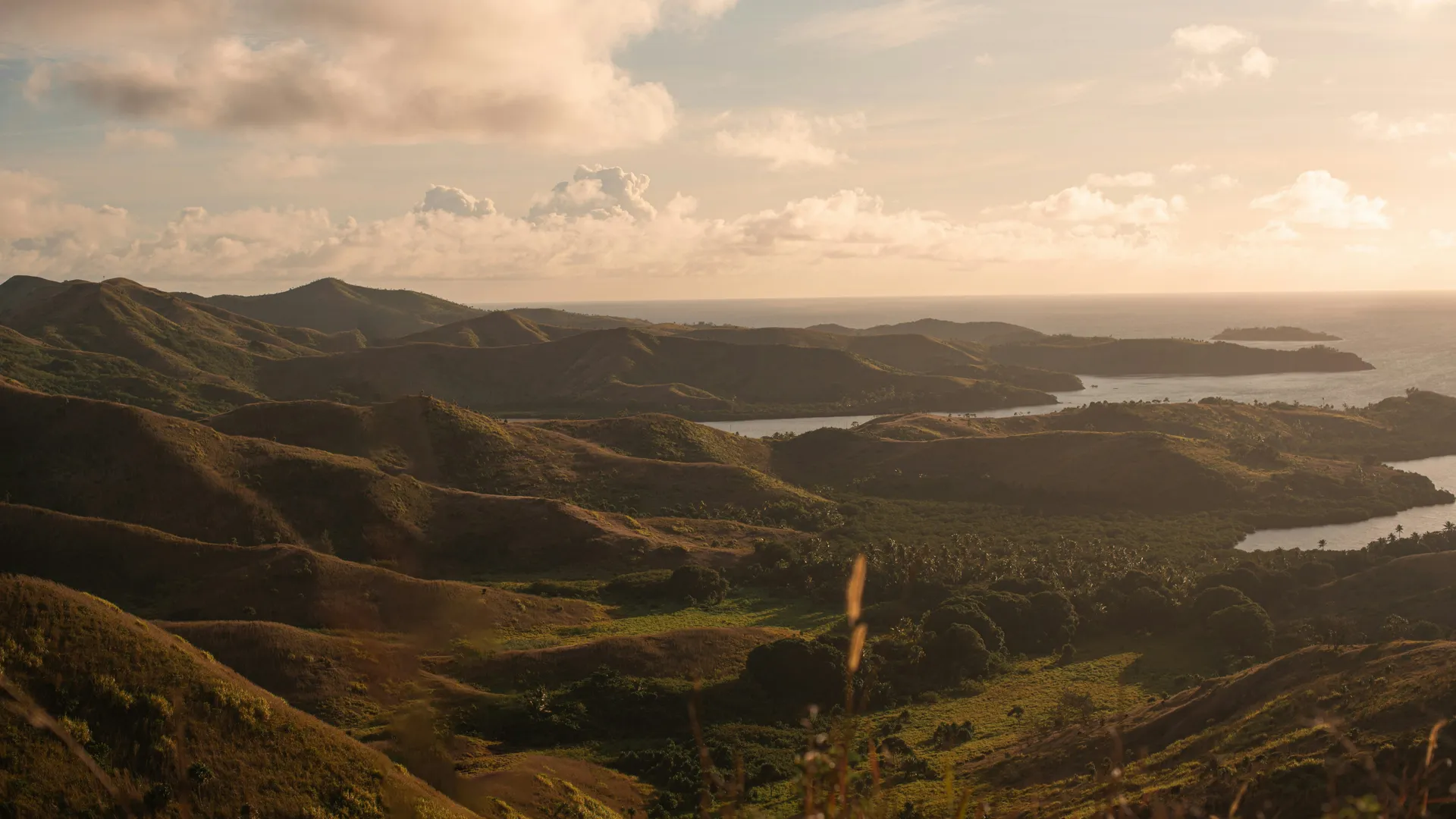
In the northwestern reaches of the Fijian archipelago, where the volcanic chain dissolves into a string of narrow, mountainous islands stretching toward the open Pacific, Yasawa Island presides as the most remote and exclusive of the group that bears its name. The Yasawa Islands — a chain of approximately twenty volcanic islands extending sixty-five kilometres through waters of extraordinary clarity — remained off-limits to tourists until 1987, and this long isolation preserved both the traditional Fijian village culture and the marine environment in a condition that more accessible islands lost decades ago. Yasawa Island itself, at the northern tip of the chain, combines dramatic volcanic topography with beaches of refined beauty.
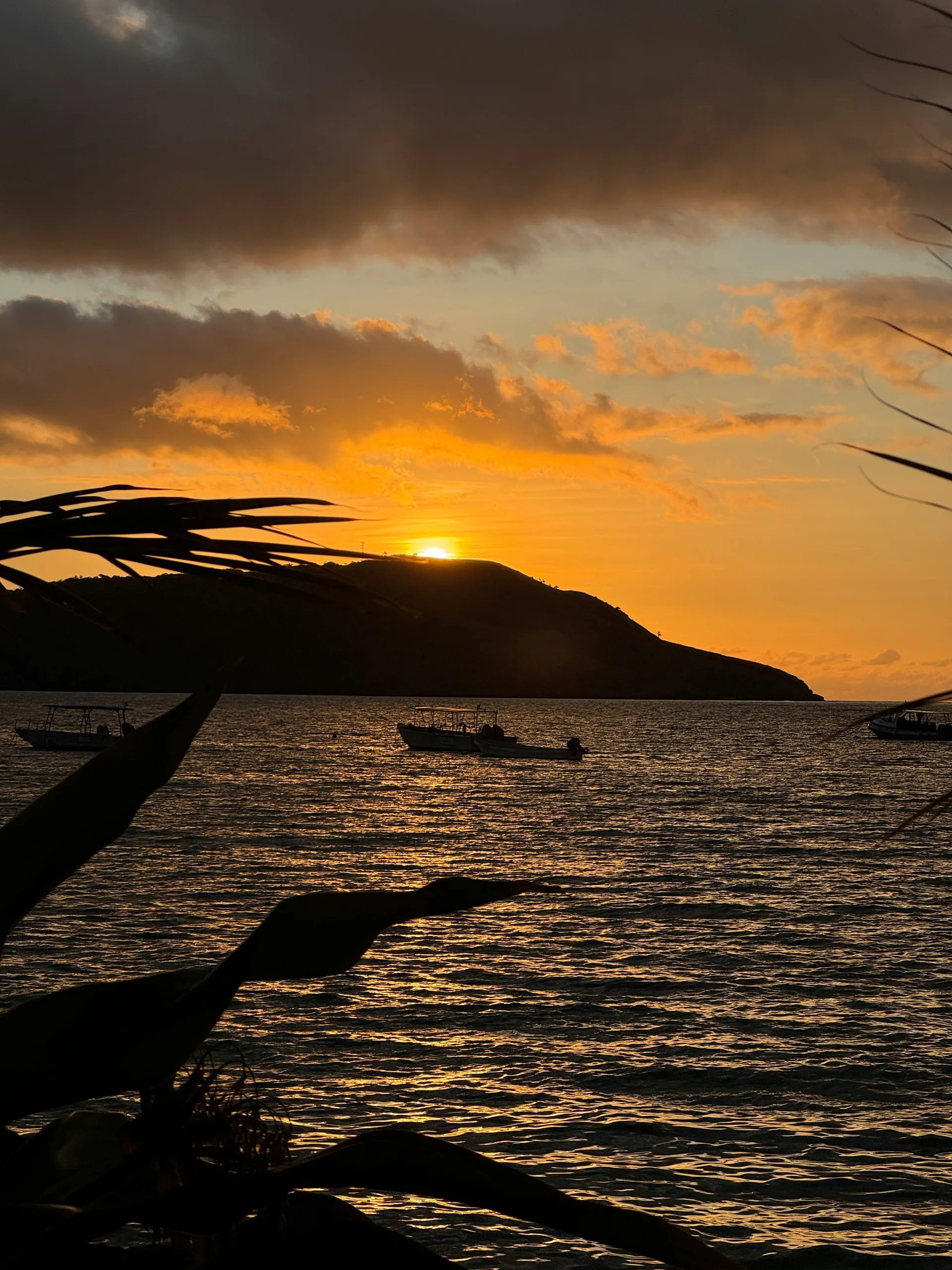
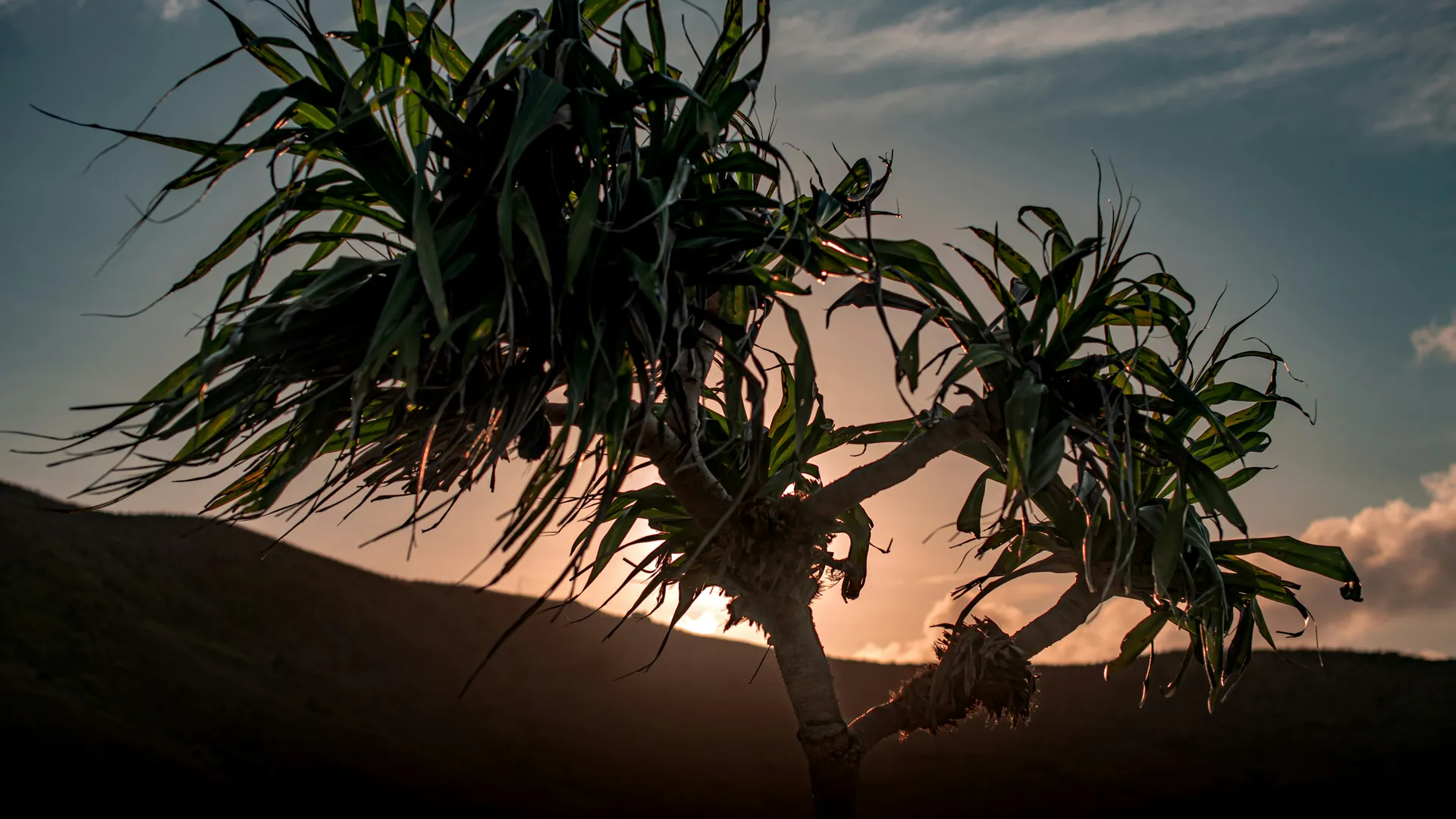
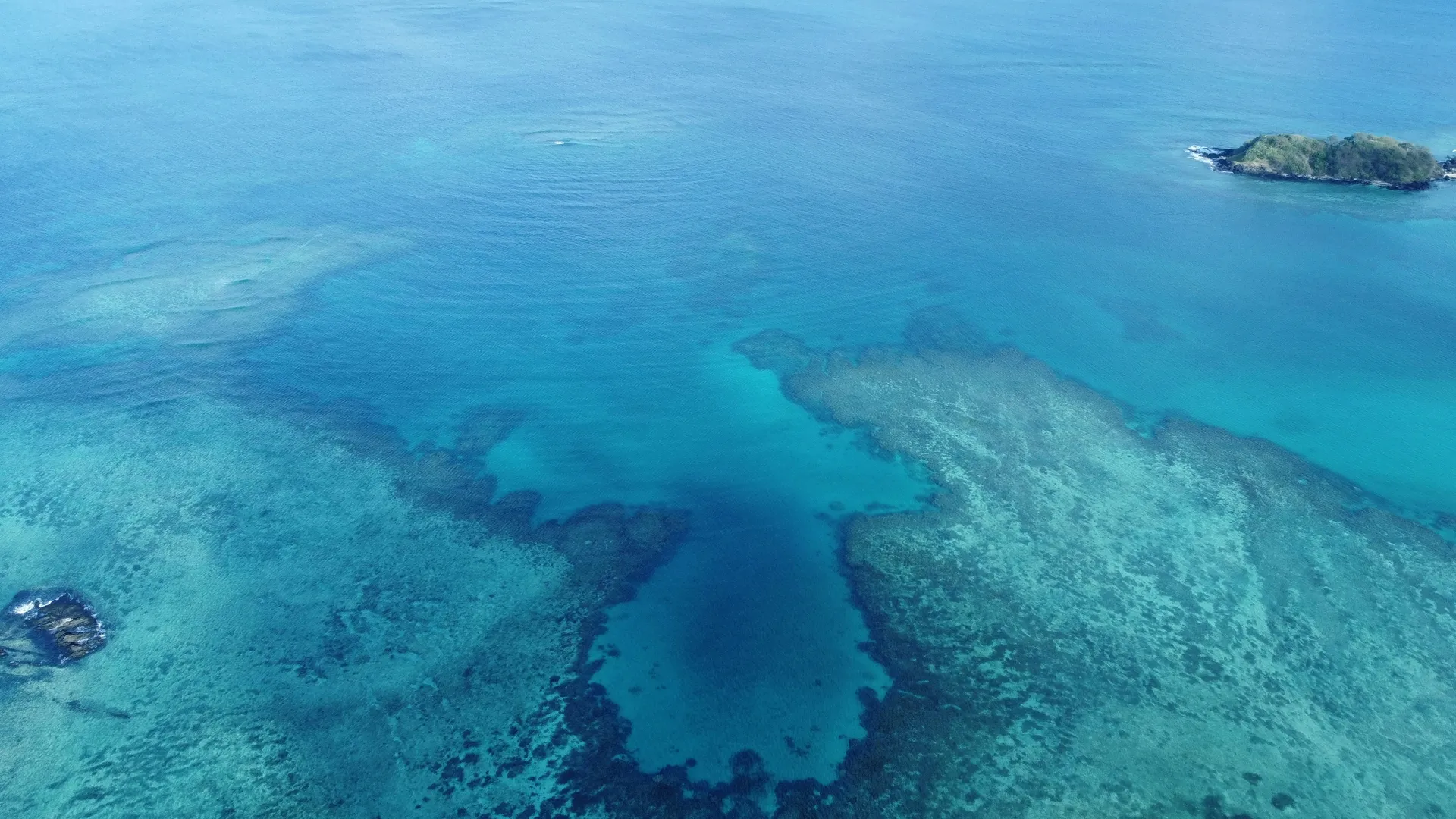
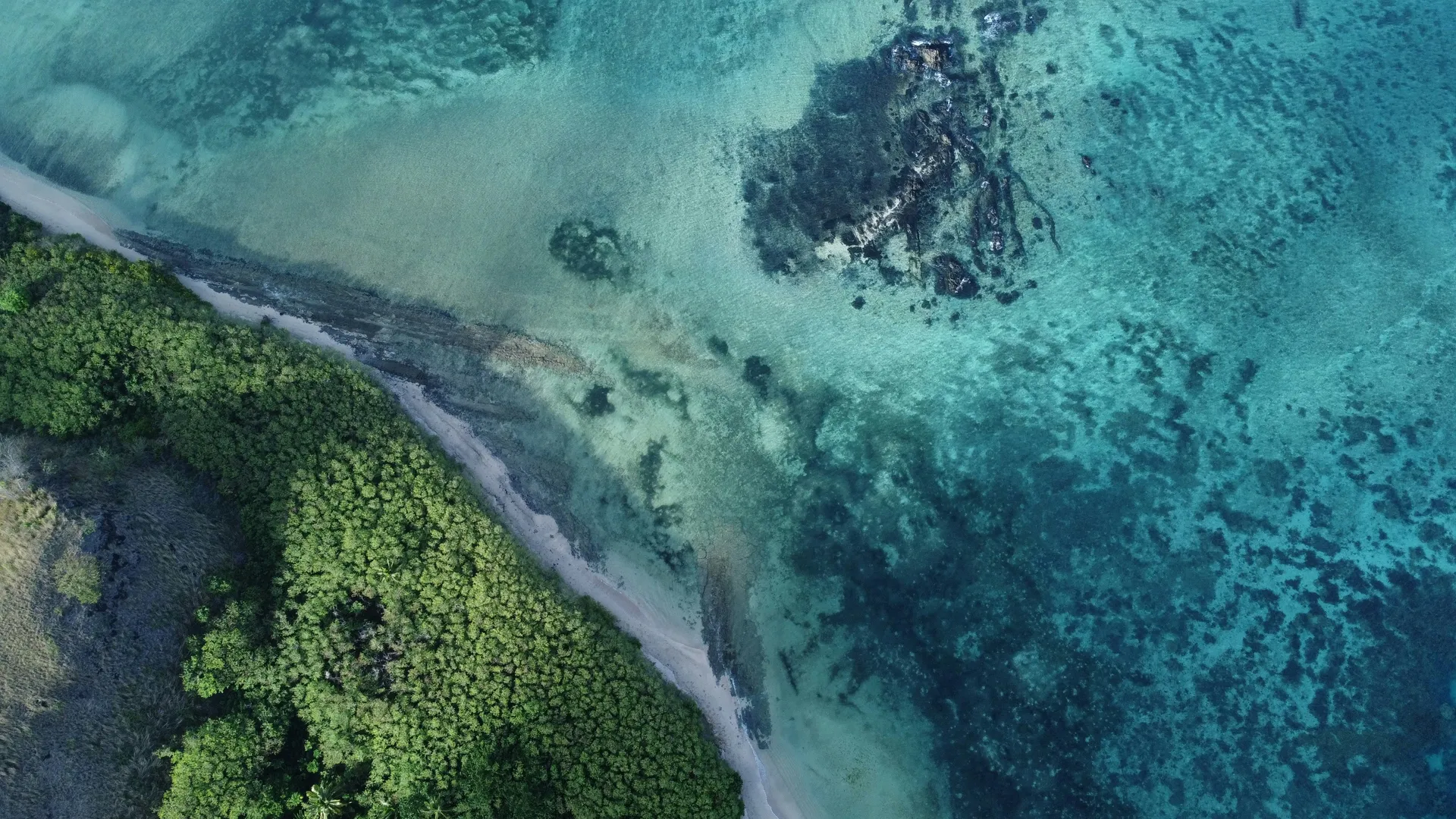
The character of Yasawa Island is one of carefully managed exclusivity. A single luxury resort occupies one of the island's eleven beaches, maintaining a guest-to-staff ratio that ensures personalized attention while the remainder of the island is home to traditional Fijian villages whose residents continue to fish, farm, and observe the customs that have governed island life for centuries. The beaches — long, white, and framed by volcanic headlands — face west toward the open Pacific, providing sunset views of almost painful beauty. The surrounding reef system supports a marine environment of exceptional health, with coral gardens beginning in waist-deep water and extending to a reef wall that drops into deep blue ocean.
Fijian cuisine on Yasawa reflects both traditional cooking methods and the fusion influences that characterize modern Pacific dining. The lovo — Fiji's version of the earth oven — produces feasts of whole fish, chicken, root vegetables, and palusami (taro leaves in coconut cream) cooked over hot stones in pits lined with banana leaves. Kokoda, the Fijian ceviche of raw fish marinated in lime juice and coconut cream, is served at virtually every meal. The resort cuisine elevates these traditional ingredients with contemporary technique, while village visits offer the chance to experience food prepared in its most authentic form — simple, communal, and accompanied by the kava ceremony that remains the cornerstone of Fijian social life.
The marine environment surrounding Yasawa Island offers some of Fiji's finest underwater experiences. Between May and October, manta rays gather at cleaning stations on the reef in numbers that can exceed a dozen at a time — an encounter that has made the Yasawas one of the world's premier manta ray destinations. The coral gardens support an extraordinary diversity of reef fish, sea turtles, and the reef sharks that indicate a healthy ecosystem. Snorkelling directly from the beach reveals a underwater world accessible to all abilities, while diving excursions to the outer reef and nearby sites offer encounters with larger pelagic species.
Yasawa Island is accessible by seaplane or catamaran from Nadi, on Fiji's main island of Viti Levu. The resort operates year-round, with the dry season from May through October offering the most comfortable conditions and the peak of manta ray activity. The Yasawa chain can also be explored by expedition cruise vessel, with many operators including village visits and snorkelling stops along the chain. The traditional Fijian hospitality — warm, genuine, and expressed through the sharing of food, kava, and song — makes any visit to the Yasawas as much a cultural experience as a beach holiday.