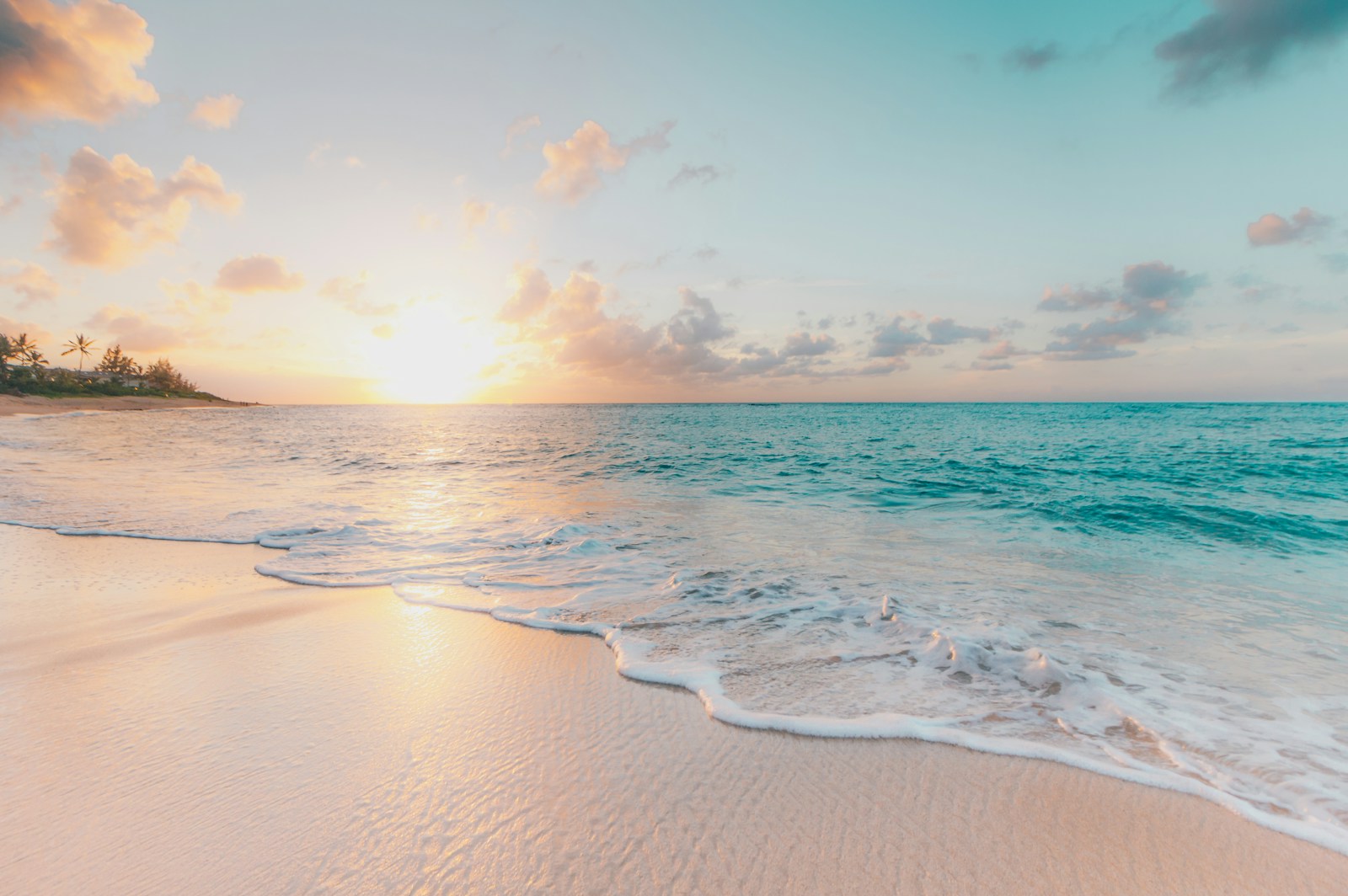
Between the cosmopolitan dazzle of Nice and the cinematic glamour of Cannes, Antibes occupies its own distinct territory on the French Riviera — a town where genuine Provencal character has survived the onslaught of Cote d'Azur tourism with remarkable grace. The Greeks founded it as Antipolis in the fourth century BC, the Romans fortified it, and the Grimaldi dynasty — yes, the same family that still rules Monaco — built the castle that now houses one of the world's most important Picasso collections. That trajectory, from ancient trading post to aristocratic stronghold to modern art sanctuary, captures the essence of a town that has always known how to reinvent itself without losing its soul.
The old town — Vieil Antibes — is a labyrinth of narrow streets, hidden squares, and honey-colored stone buildings that pulse with the rhythms of daily life. The Marche Provencal, housed under an iron-and-glass canopy on the Cours Massena, is one of the finest food markets on the Riviera: pyramids of lavender-scented peaches, silver sardines on beds of crushed ice, mountains of olives in every shade from jade to jet, and bouquets of cut flowers whose fragrance fills the surrounding streets. The ramparts — massive Vauban fortifications facing the sea — provide an elevated promenade with views across the Baie des Anges to Nice and, on clear days, to the snow-capped peaks of the Maritime Alps.
Antibes cuisine embodies the Provencal ideal: sun-ripened ingredients treated with respect rather than complication. Salade nicoise (the authentic version, with raw vegetables and no cooked potato), socca (chickpea-flour pancakes cooked on vast copper griddles), and pissaladiere (onion tart with anchovies and black olives) are the cornerstones of local eating. The port of Antibes is one of the Mediterranean's largest yacht harbors, and the waterfront restaurants that line the Quai des Milliardaires serve bouillabaisse and fresh grilled loup de mer to a clientele that ranges from deckhand to oligarch. For a more intimate experience, the tiny bistros tucked into the old town's back streets serve prix-fixe menus of seasonal, market-driven cooking that represent the Riviera at its most authentic.
Cap d'Antibes, the wooded headland extending south of town, is one of the most exclusive addresses in the world — its walled estates sheltering some of the grandest private villas on the Mediterranean. The coastal path that circles the cap (Sentier du Littoral) is, however, entirely public, offering a walk of staggering beauty past hidden coves, sea-carved rocks, and the legendary Hotel du Cap-Eden-Roc, whose poolside terrace has hosted Hemingway, Fitzgerald, and virtually every cultural luminary of the twentieth century. The Jardin Thuret, a botanical garden established in 1857, houses an extraordinary collection of exotic trees and plants from around the world.
Antibes has no dedicated cruise terminal; ships typically anchor in the Baie des Anges and tender to Port Vauban or the adjacent beach. The town is compact and walkable, with the old town, market, Picasso Museum, and ramparts all within a few minutes of the waterfront. The Riviera climate provides over three hundred days of sunshine per year, making Antibes a reliable port call in every season, though spring and early autumn offer the most comfortable temperatures and the most characterful atmosphere.

