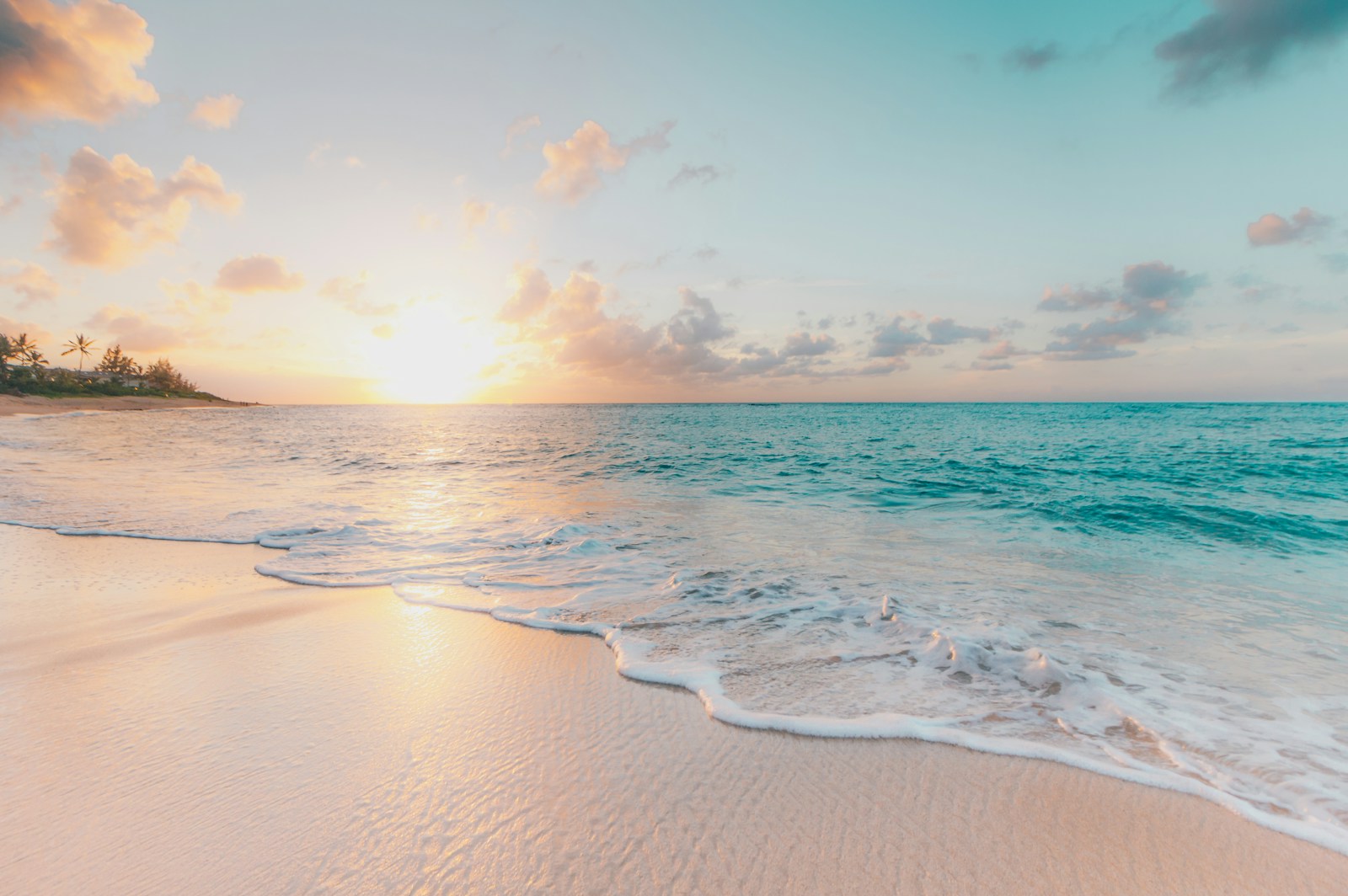
Arzon: Brittany's Jewel at the Mouth of the Gulf of Morbihan
Arzon occupies the tip of the Rhuys Peninsula in southern Brittany, guarding the narrow entrance to the Gulf of Morbihan — one of the most beautiful and historically significant inland seas in Europe. The Gulf's name comes from the Breton "mor bihan" (small sea), but this apparently modest body of water encompasses over forty islands, countless rocky islets, and a tidal ecosystem of extraordinary richness. The currents that race through the gulf's narrow entrance — reaching speeds of nine knots during spring tides — have shaped the peninsula's character for millennia, and the megalithic monuments that dot the landscape prove that this position attracted human settlement as far back as the Neolithic era.
The character of Arzon is that of a prosperous Breton coastal community that has navigated the transition from fishing village to sailing destination without losing its essential character. Port Navalo, the harbour at the peninsula's western tip, offers views directly across the gulf entrance to Locmariaquer, where the Grand Menhir Brisé — once the largest standing stone in Europe at over twenty metres — lies in four broken pieces, testament to forces both human and geological. The port is the departure point for boat tours of the gulf's islands, and the sight of the tidal current swirling through the passage — one of the strongest coastal currents in Europe — is mesmerising. Port du Crouesty, a modern marina on the peninsula's ocean-facing southern shore, provides a different atmosphere: yacht clubs, waterfront restaurants, and access to the open Atlantic.
Breton cuisine in the Rhuys Peninsula draws from both the gulf and the ocean. Oysters from the gulf's beds are among the finest in France — flat Belon-style oysters and the more common creuses, served raw on beds of seaweed with mignonette sauce and rye bread. Moules-frites, crêpes and galettes, and the buttery kouign-amann pastry from nearby Vannes represent the Breton culinary canon at its best. The gulf's fishermen land bar (sea bass), dorade (sea bream), and the prawns that appear in every seafood plateau. Cidre de Bretagne — the dry, sparkling cider that replaces wine at most traditional Breton meals — is the essential accompaniment, produced from orchards that have supplied the peninsula for centuries.
The megalithic heritage of the Morbihan region is among the most significant in the world. The Cairn de Gavrinis, on the island of Gavrinis in the centre of the gulf, is a Neolithic passage tomb whose interior stones are carved with elaborate spiral and chevron patterns of extraordinary sophistication — dating to approximately 3500 BC and representing some of the finest prehistoric art in Europe. The alignments of Carnac, just thirty minutes west of Arzon, comprise over three thousand standing stones arranged in parallel rows stretching for several kilometres — the largest collection of menhirs in the world, their purpose still debated but their visual impact beyond question.
Tauck includes Arzon on its Brittany and Atlantic France itineraries, recognising that the combination of the Gulf of Morbihan's natural beauty, the region's megalithic heritage, and Breton cuisine creates one of France's most rewarding coastal experiences. The peninsula is compact enough to explore by car or bicycle, and the gulf's sheltered waters make sailing and kayaking accessible even to beginners. May through September offers the warmest weather and longest days, with July and August bringing the liveliest atmosphere but also the most visitors. September, when the summer crowds have departed but the weather remains warm, may be the ideal month to experience the gulf's gentle, luminous beauty.

