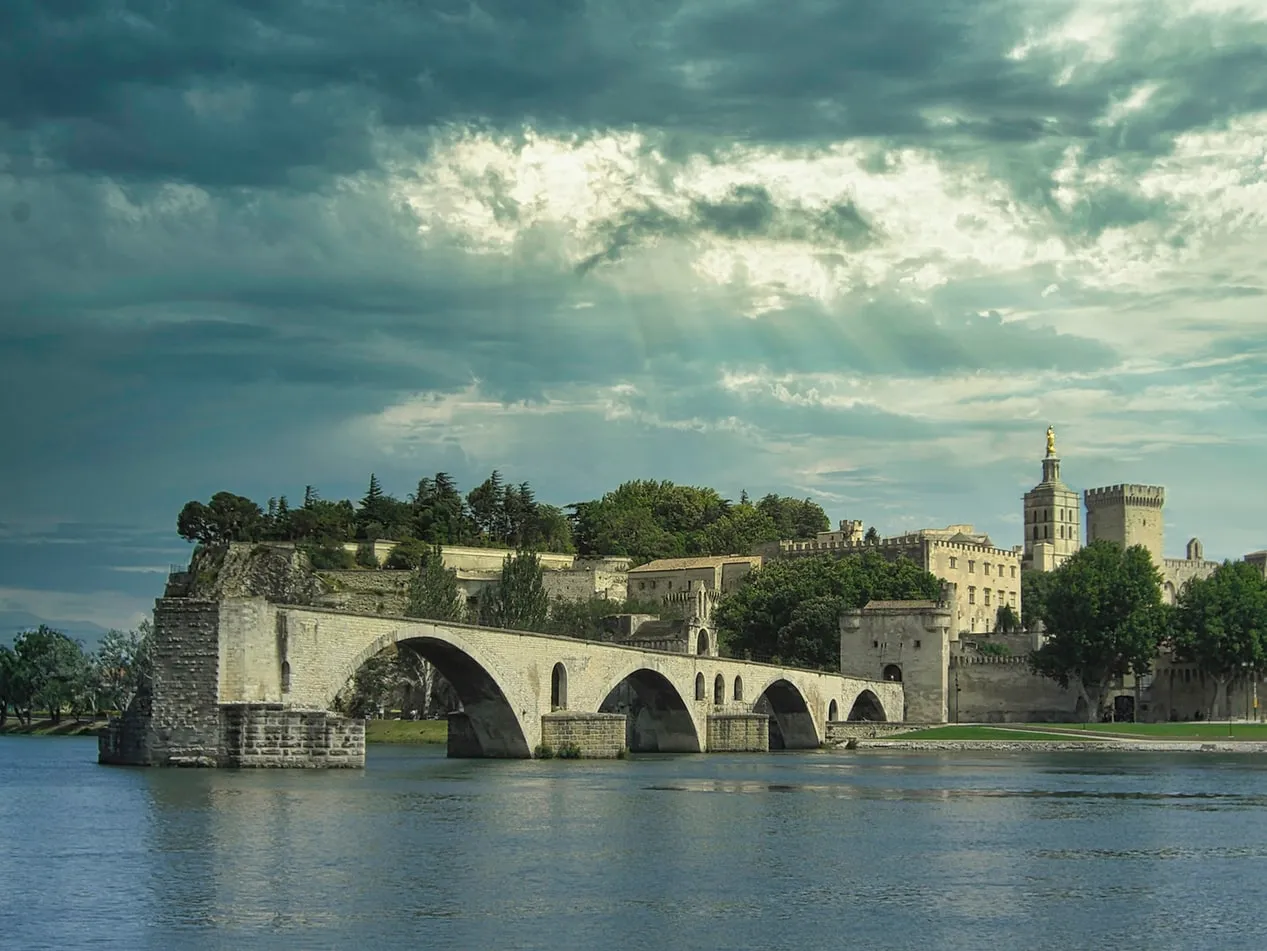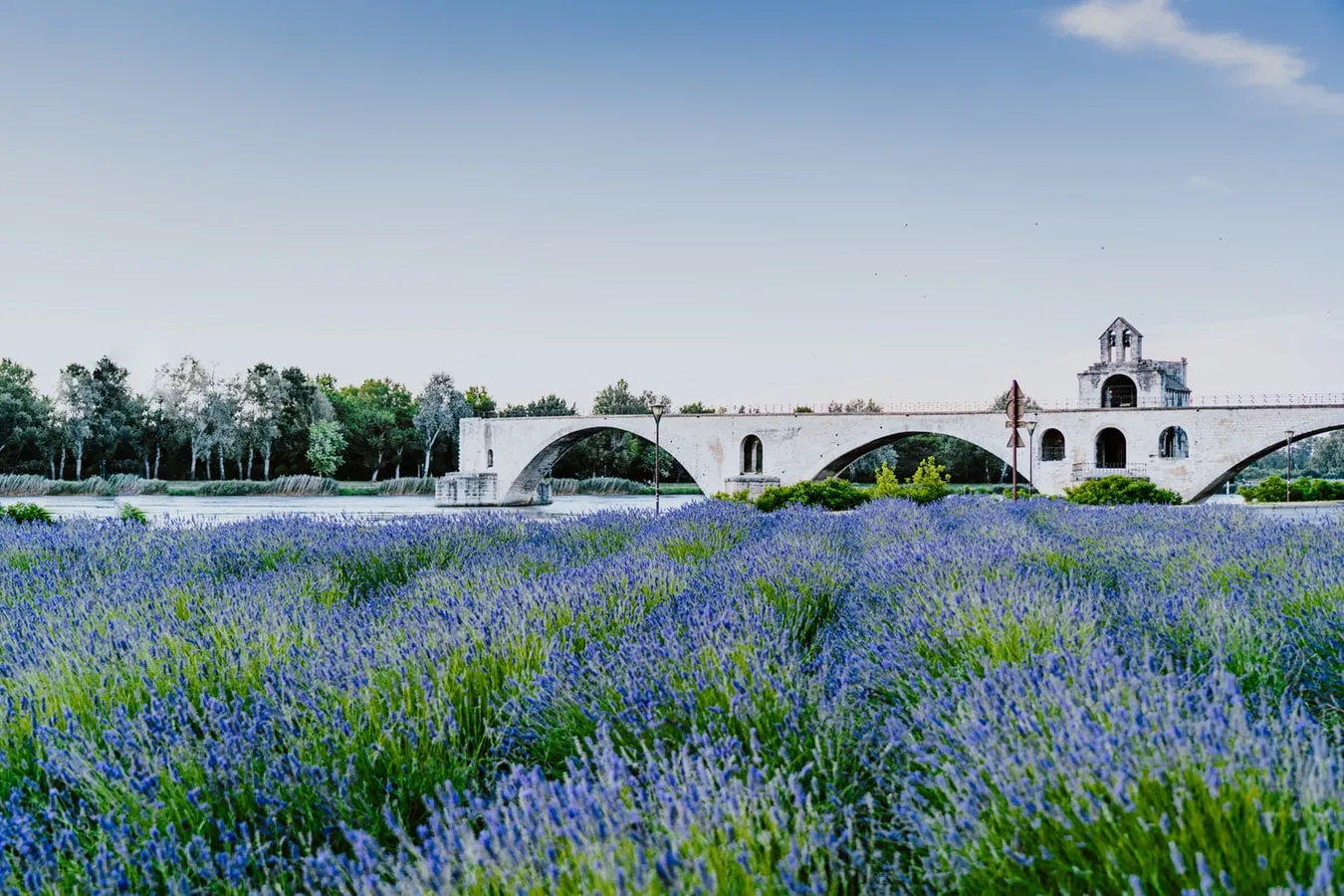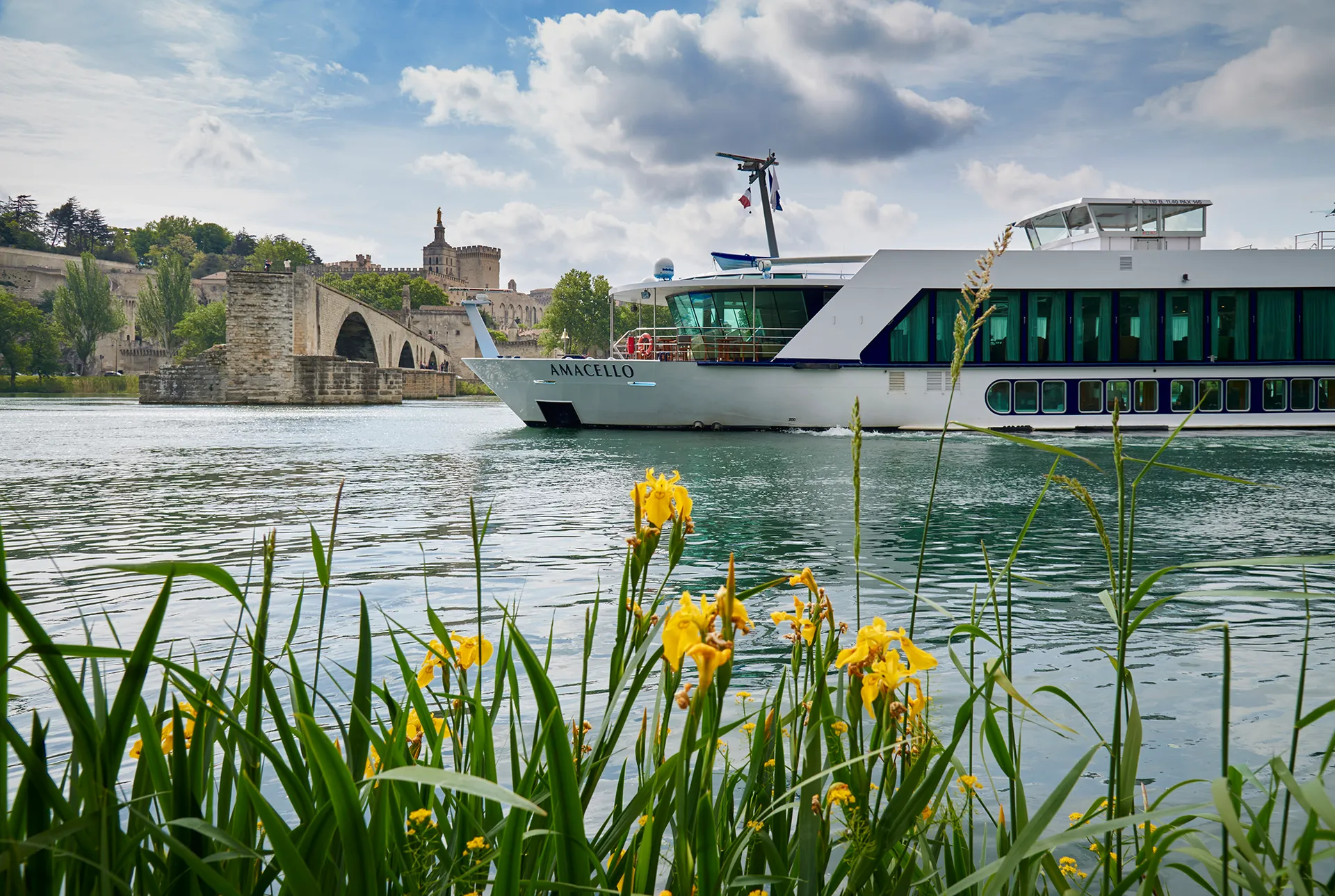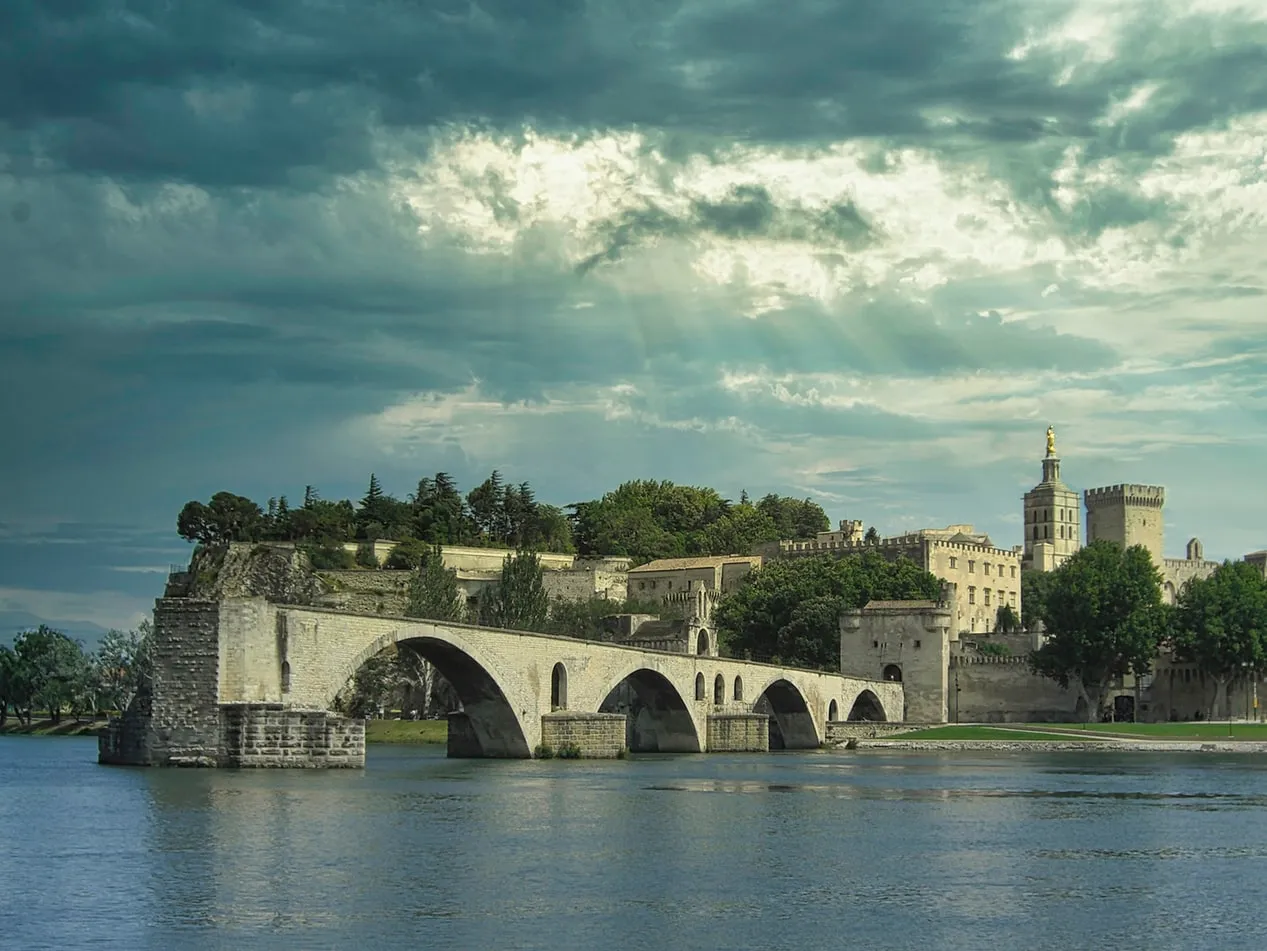
In 1309, Pope Clement V abandoned Rome and established his court in Avignon, inaugurating a seventy-year chapter of papal history that would reshape this Provençal city into one of medieval Europe's most powerful capitals. The Palais des Papes, a fortress-palace of staggering proportions, still dominates the skyline — its austere limestone walls enclosing frescoed chapels and vast ceremonial halls that once hosted the intrigues of seven successive pontiffs. The famous Pont d'Avignon, immortalised in the children's song "Sur le Pont d'Avignon," stretches partway across the Rhône, its four surviving arches a poignant reminder of the river's destructive floods.
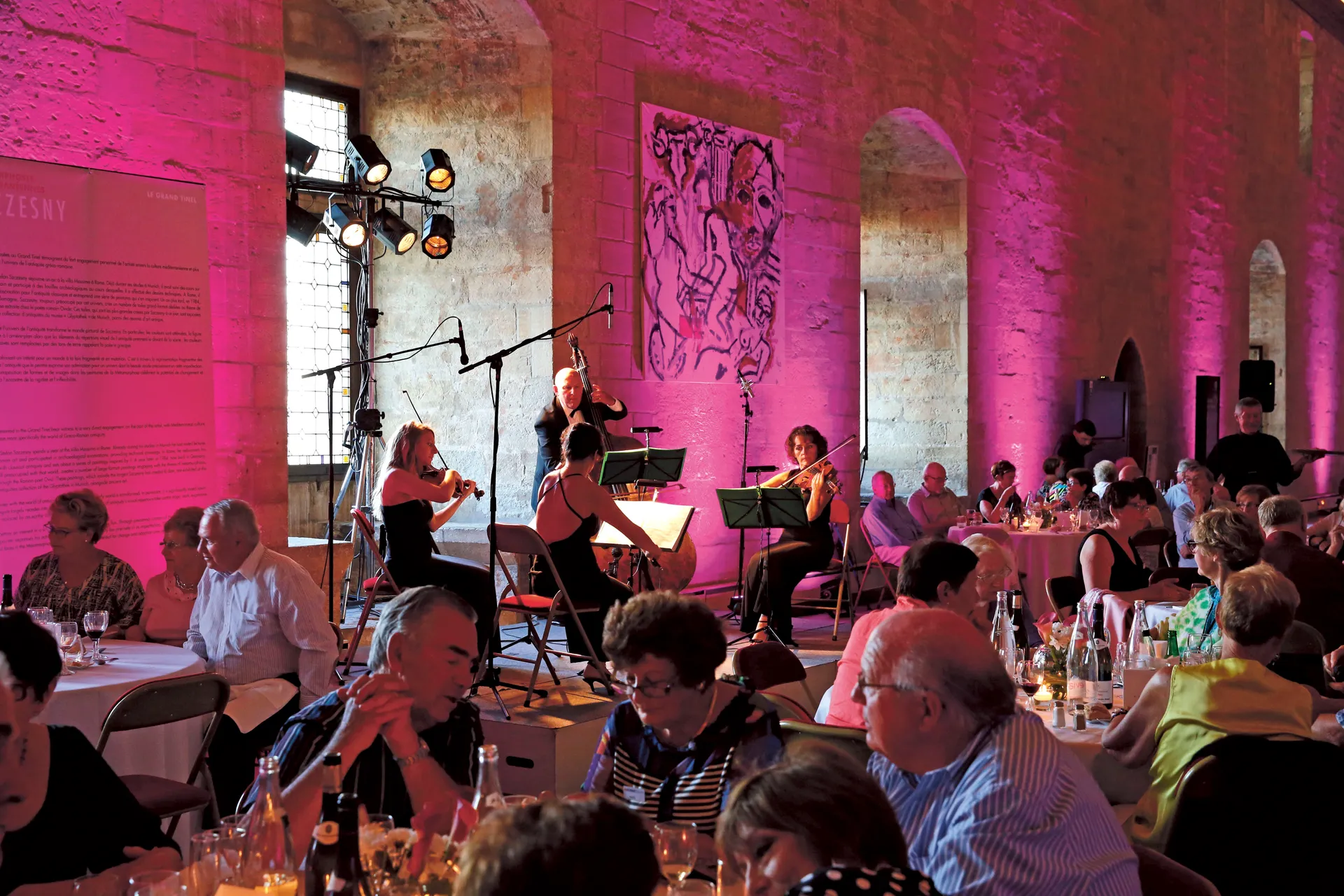
Avignon today is a city of refined pleasures, where medieval grandeur coexists with a vibrant contemporary arts scene. The annual Festival d'Avignon, founded in 1947 by Jean Vilar, transforms the city each July into an open-air theatre, with performances staged in cloisters, courtyards, and the palace itself. Beyond the ramparts — remarkably intact fourteenth-century walls that encircle the old town — lavender fields and vineyards stretch toward the Luberon hills. The light here, that particular golden luminosity that drew Cézanne and Van Gogh to Provence, bathes the ochre facades and plane-tree-lined boulevards in a warmth that feels almost tangible.
Provençal cuisine reaches its apogee in Avignon's restaurants and markets. Les Halles, the covered market on Place Pie, overflows with rotisserie chickens, tapenade, goat cheese from the Alpilles, and baskets of Cavaillon melons in summer. A proper Avignon lunch might begin with soupe au pistou — a Provençal minestrone swirled with basil, garlic, and olive oil paste — followed by daube provençale, beef braised for hours in red wine with orange peel and olives. The city sits at the heart of the Côtes du Rhône wine region; a tasting at one of the riverside wine bars, sipping a Châteauneuf-du-Pape while watching barges drift past, ranks among Provence's most civilised rituals.
The surrounding countryside offers excursions of extraordinary variety. The Pont du Gard, the magnificent Roman aqueduct spanning the Gardon River, stands just thirty minutes by car. The hilltop villages of Gordes and Roussillon — the latter famous for its dramatic ochre quarries — can be explored in a half-day loop through the Luberon. Arles, with its Roman amphitheatre and Van Gogh associations, lies forty-five minutes south. And the lavender fields of the Valensole Plateau, at their purple peak in late June and July, remain one of the most photographed landscapes in France.
Avignon is a premier stop on the Rhône and Saône river cruise circuit, served by A-ROSA, AmaWaterways, Avalon Waterways, CroisiEurope, Emerald Cruises, Riviera Travel, Scenic River Cruises, Tauck, Uniworld River Cruises, Viking, and VIVA Cruises. Nearby river ports include Viviers, Arles, and Lyon. The ideal season stretches from April through October, with June and September offering the perfect intersection of warm weather, manageable crowds, and the intoxicating perfume of Provençal herbs in bloom.