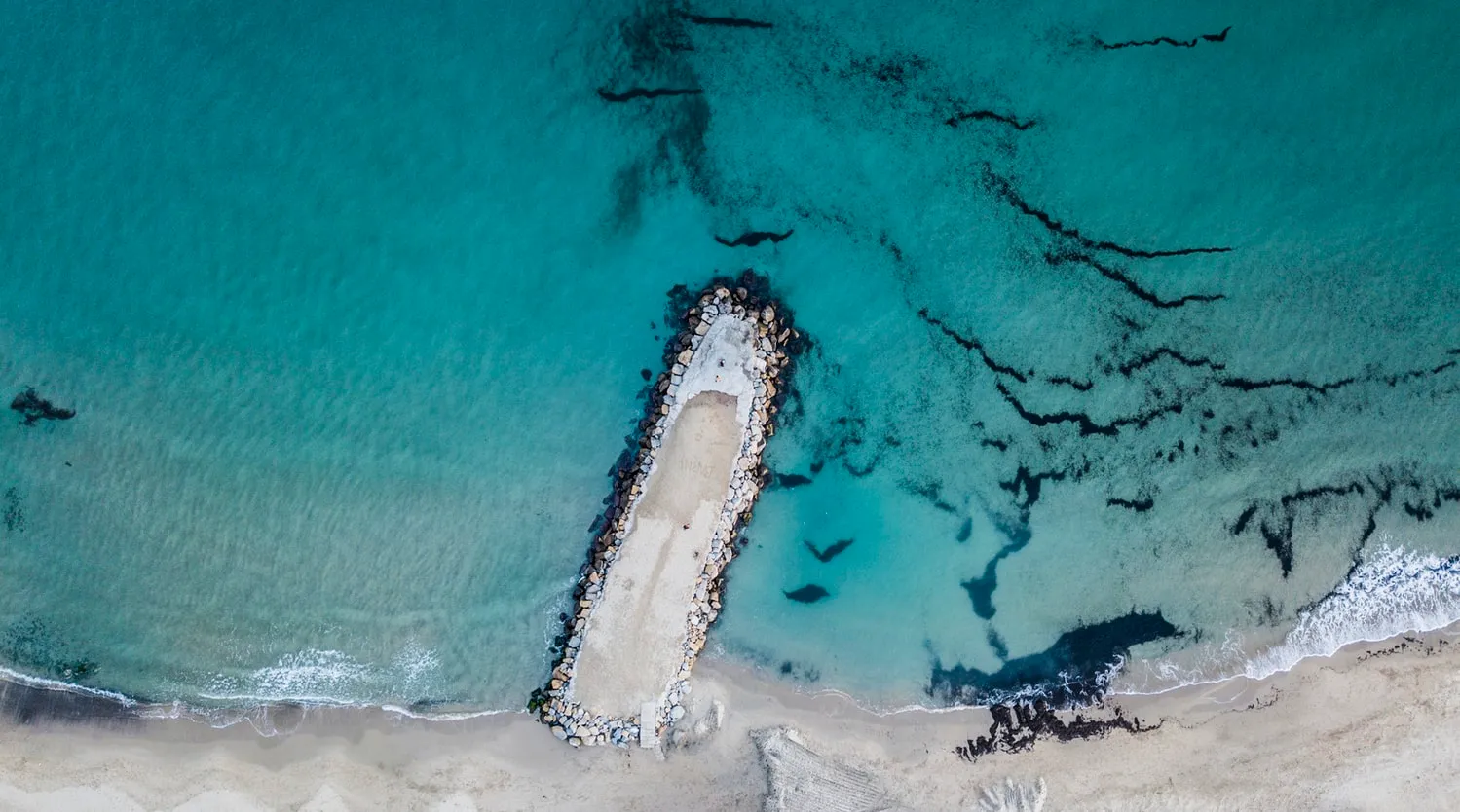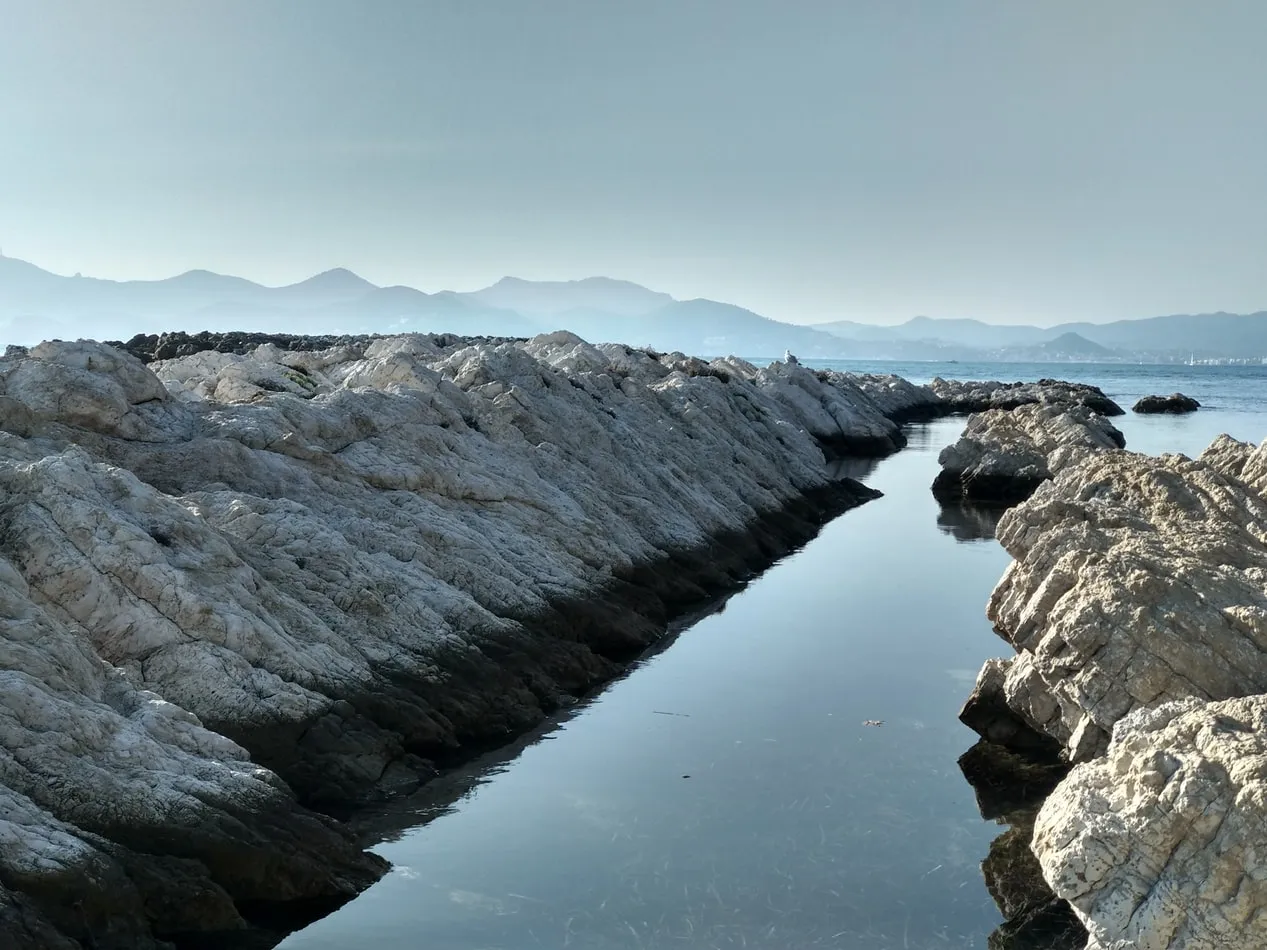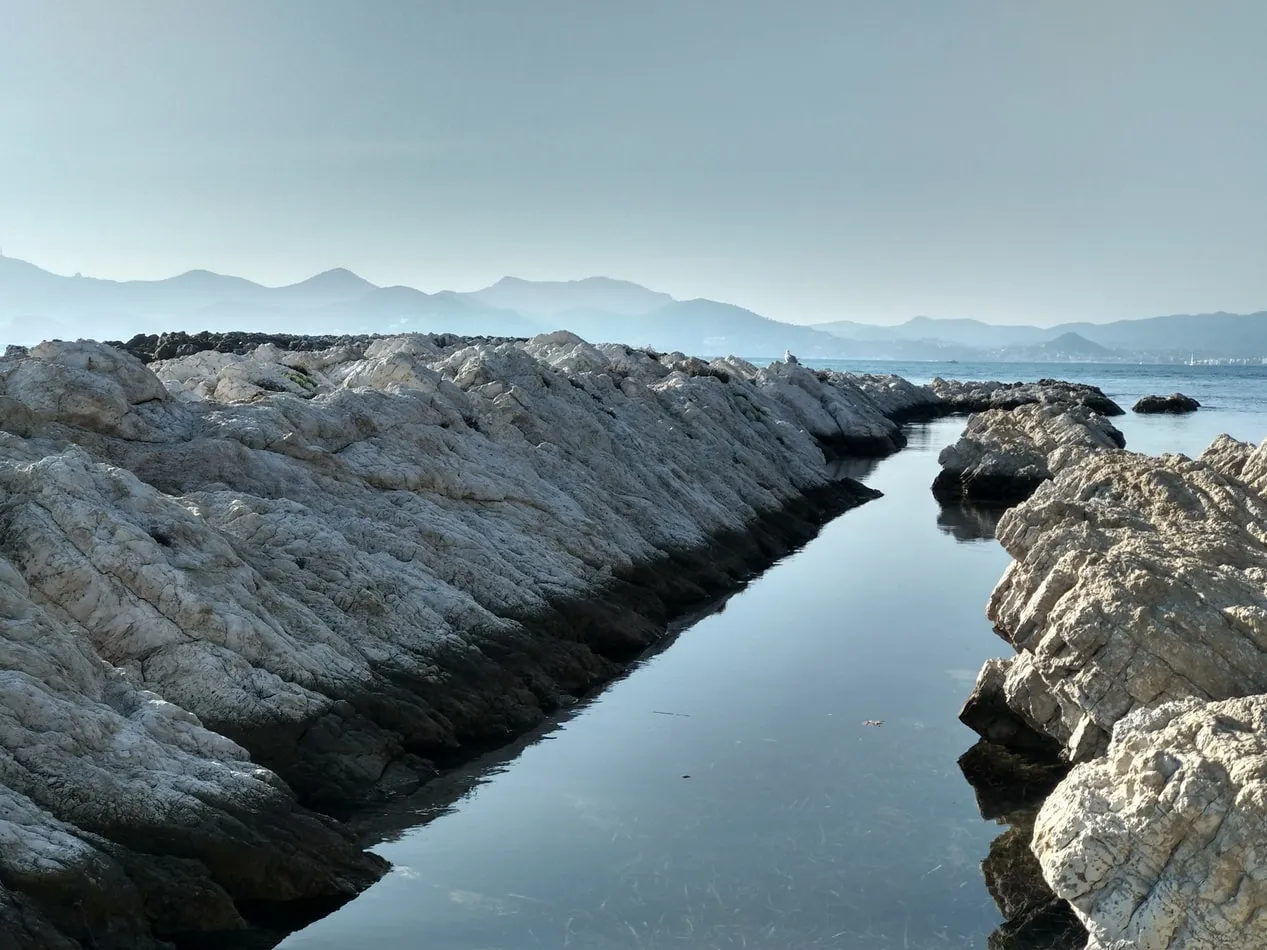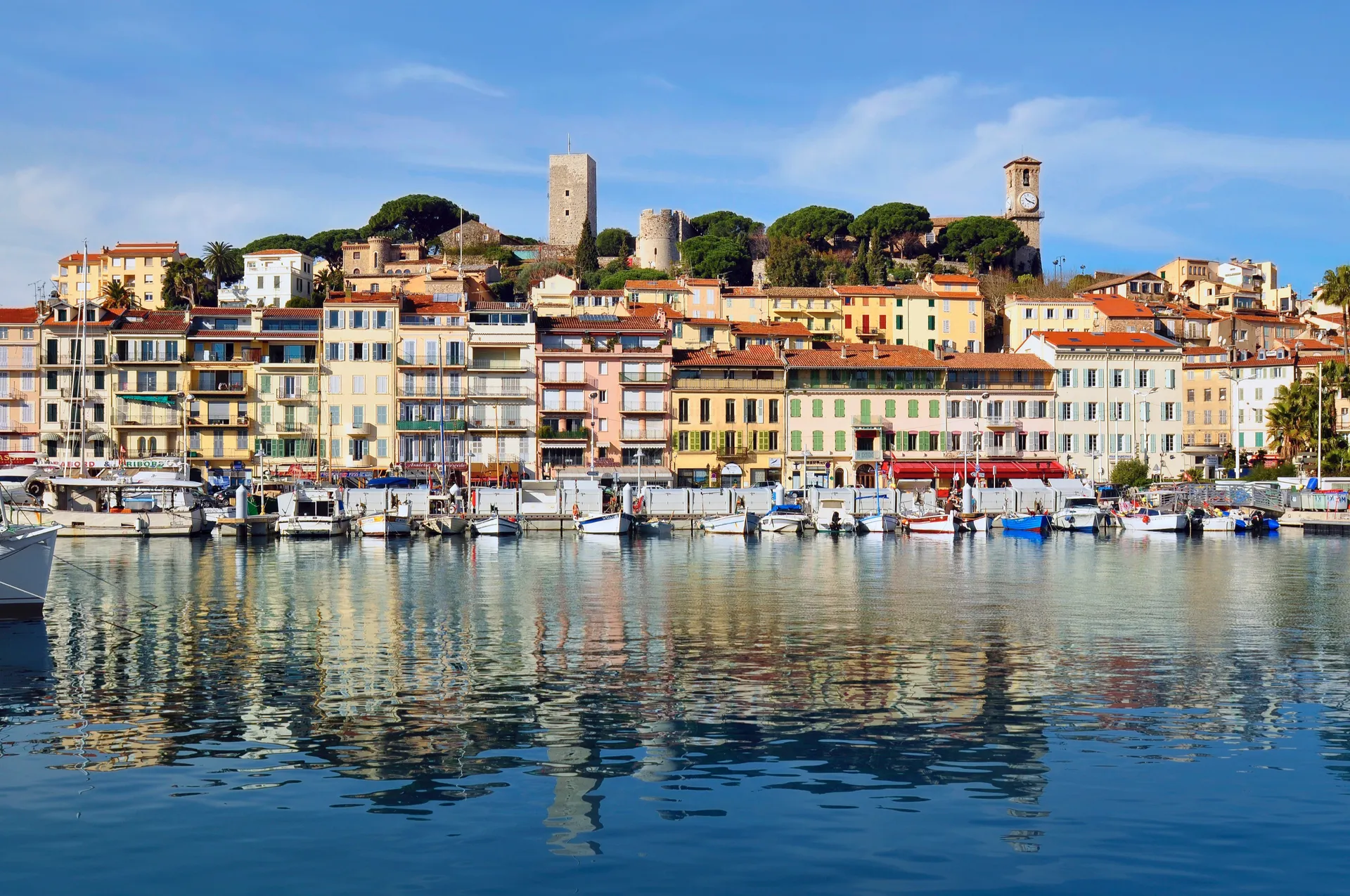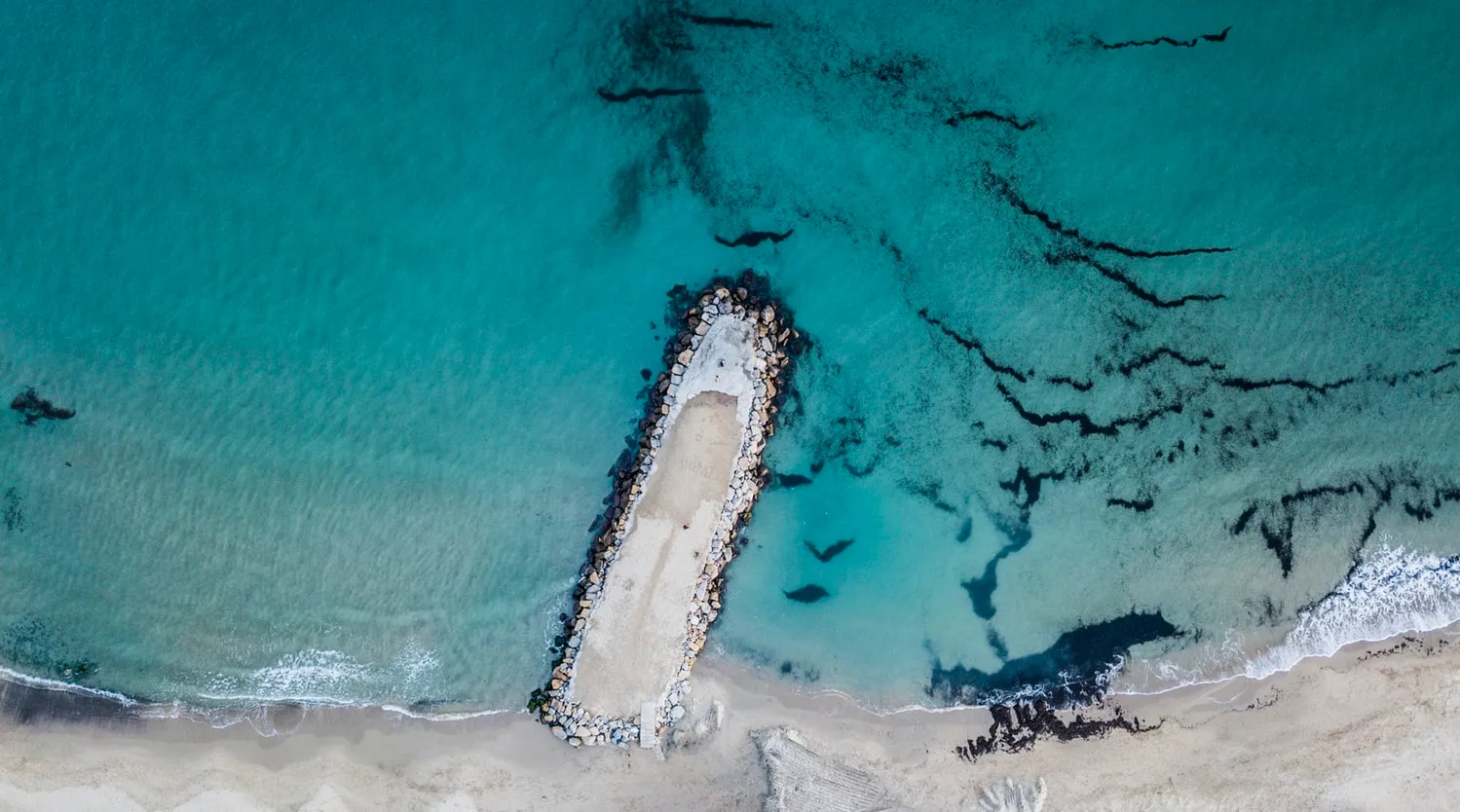
Cannes was a sleepy Provençal fishing village until 1834, when Lord Brougham, the former Lord Chancellor of England, was forced to stop here due to a cholera quarantine blocking his journey to Nice. He fell so deeply in love with the village's gentle climate and azure bay that he built a villa and returned every winter for the rest of his life, inadvertently launching Cannes as the Riviera's most glamorous resort. The Cannes Film Festival, inaugurated in 1946, cemented the city's global reputation as a playground of the arts and international celebrity.
The city's famous La Croisette boulevard curves along the bay in a palm-lined arc of Art Deco facades, luxury boutiques, and grand hotels — the Carlton, the Martinez, the Majestic — whose white facades and private beaches define the French Riviera aesthetic. Behind La Croisette, Le Suquet, the old town, climbs a hill crowned by the medieval castle and the twelfth-century church of Notre-Dame de l'Espérance, offering panoramic views across the bay to the Îles de Lérins. The Marché Forville, a lively covered market steps from the harbour, overflows with Provençal bounty: olives, socca flour, lavender honey, and the tiny violet artichokes that are a Côte d'Azur specialty.
Cannes' culinary scene is pure Provence refined by Riviera sophistication. Bouillabaisse, the legendary Provençal fish stew, is served with rouille and croutons at waterfront restaurants. Socca, a crispy chickpea-flour crêpe cooked on huge copper pans, is the essential street food. Pan bagnat, a tuna-and-olive oil sandwich that is essentially salade niçoise in bread form, fuels beach days. The restaurants along Rue Saint-Antoine in Le Suquet serve daube provençale and ratatouille alongside rosé wines from the nearby appellations of Bandol and Cassis.
The Îles de Lérins, a pair of forested islands fifteen minutes by ferry, provide a serene escape. The Île Sainte-Marguerite harbours the fortress where the mysterious Man in the Iron Mask was imprisoned, surrounded by Aleppo pines and eucalyptus-scented trails. Saint-Tropez lies an hour east by road, while the perfume capital of Grasse and the medieval art villages of Mougins, Saint-Paul-de-Vence, and Èze are all within forty-five minutes.
Cannes welcomes AIDA, Azamara, Celebrity Cruises, Crystal Cruises, Emerald Yacht Cruises, Explora Journeys, Explorations by Norwegian, Hapag-Lloyd Cruises, Marella Cruises, MSC Cruises, Norwegian Cruise Line, Oceania Cruises, P&O Cruises, Ponant, Regent Seven Seas Cruises, Royal Caribbean, Scenic Ocean Cruises, Silversea, Tauck, TUI Cruises Mein Schiff, Virgin Voyages, and Windstar Cruises. Nearby ports include Nice, Monaco, and Villefranche-sur-Mer. The Mediterranean climate makes Cannes appealing year-round, though May (during the Film Festival) and September offer the finest combination of weather and atmosphere.