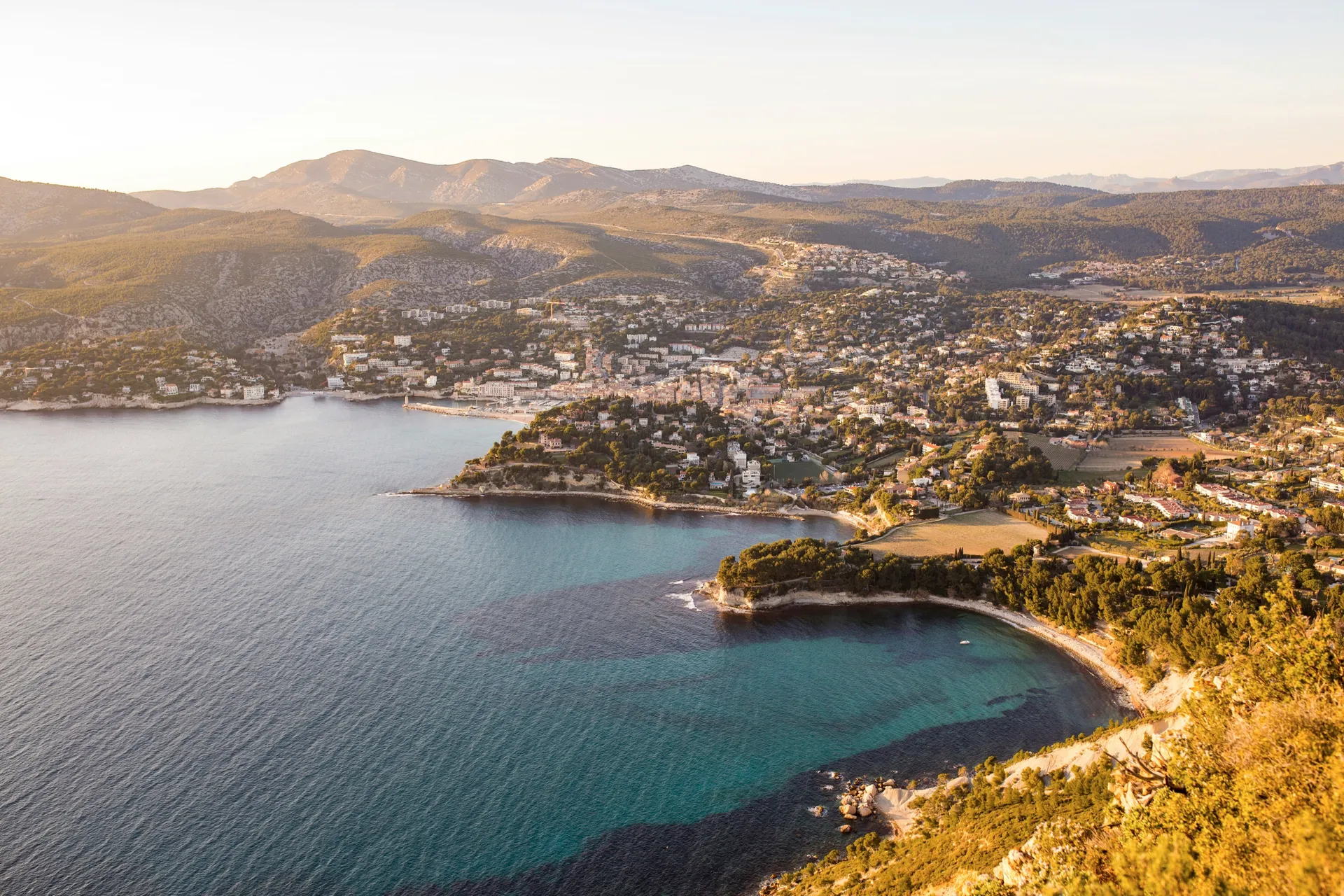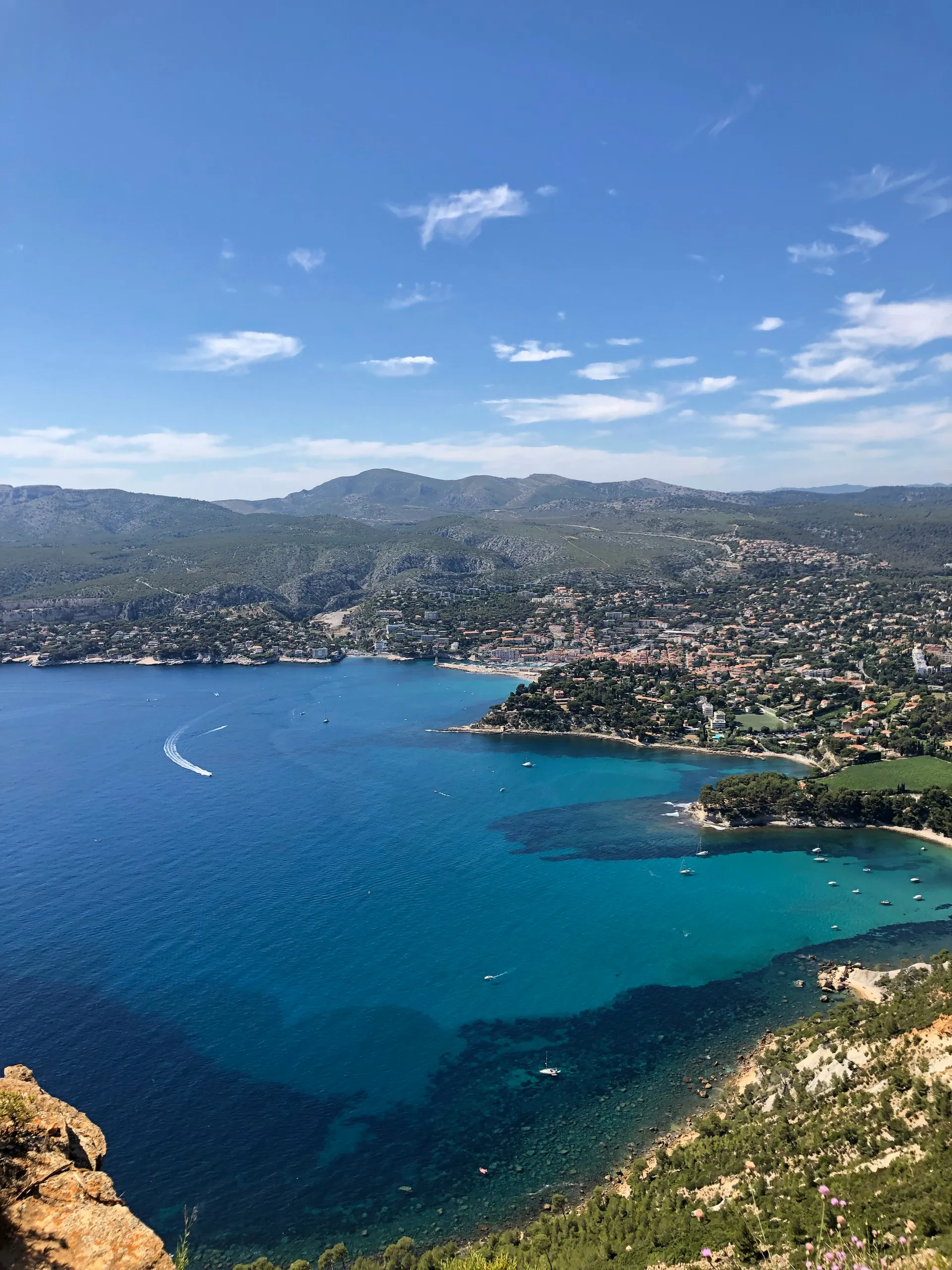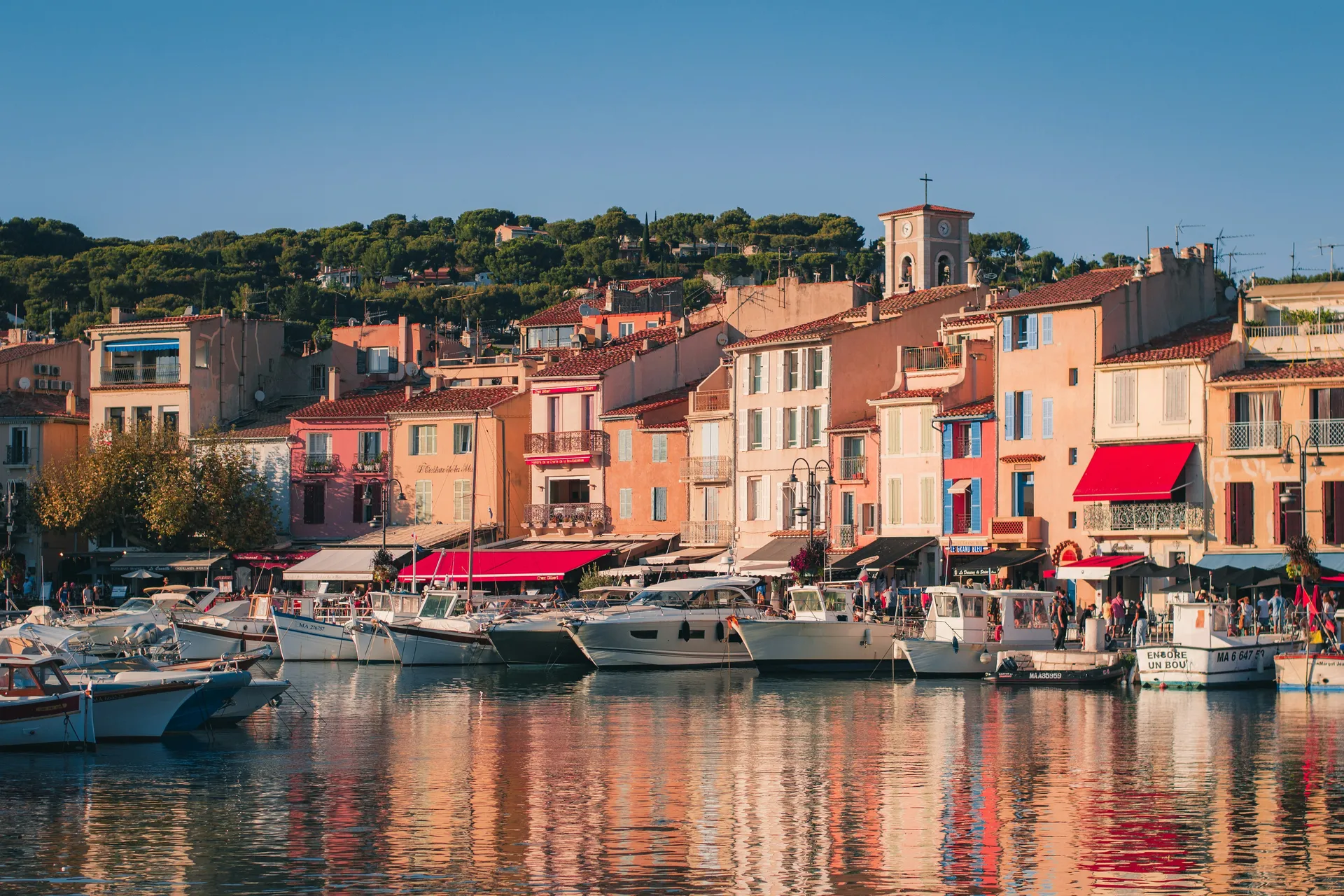
Wedged between towering white limestone cliffs on the Mediterranean coast east of Marseille, Cassis is the kind of Provençal fishing village that postcards were invented to depict. Its harbour — a tight crescent of pastel-painted buildings reflected in water so clear you can count the pebbles on the seabed — has been attracting artists since the Impressionists discovered its extraordinary light in the late nineteenth century. André Derain, one of the Fauvist painters, declared that Cassis offered the most beautiful light in France, and generations of visitors have found it difficult to disagree.
The village traces its history to ancient Greek and Roman settlers who recognized the natural harbour's strategic value. The Château de Cassis, a medieval fortress perching on the cliff above the port, has guarded the harbour entrance since the thirteenth century — now privately owned but providing a dramatic silhouette against the Mediterranean sky. The old town, with its narrow lanes, limestone facades, and shaded squares, retains a genuine village atmosphere despite its proximity to Marseille, particularly in the early morning when fishermen sort their catch on the quayside and the first cafés set out their chairs.
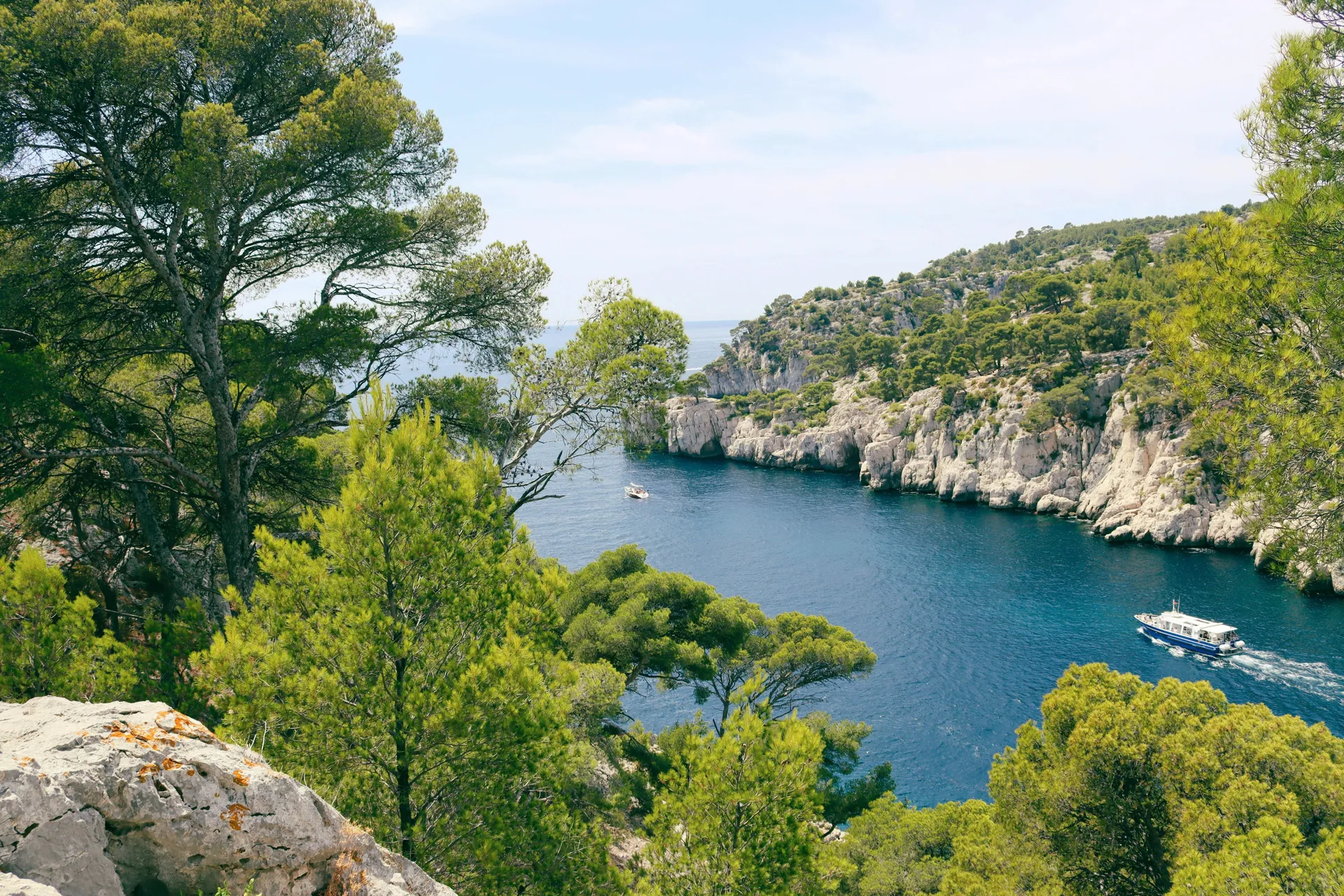
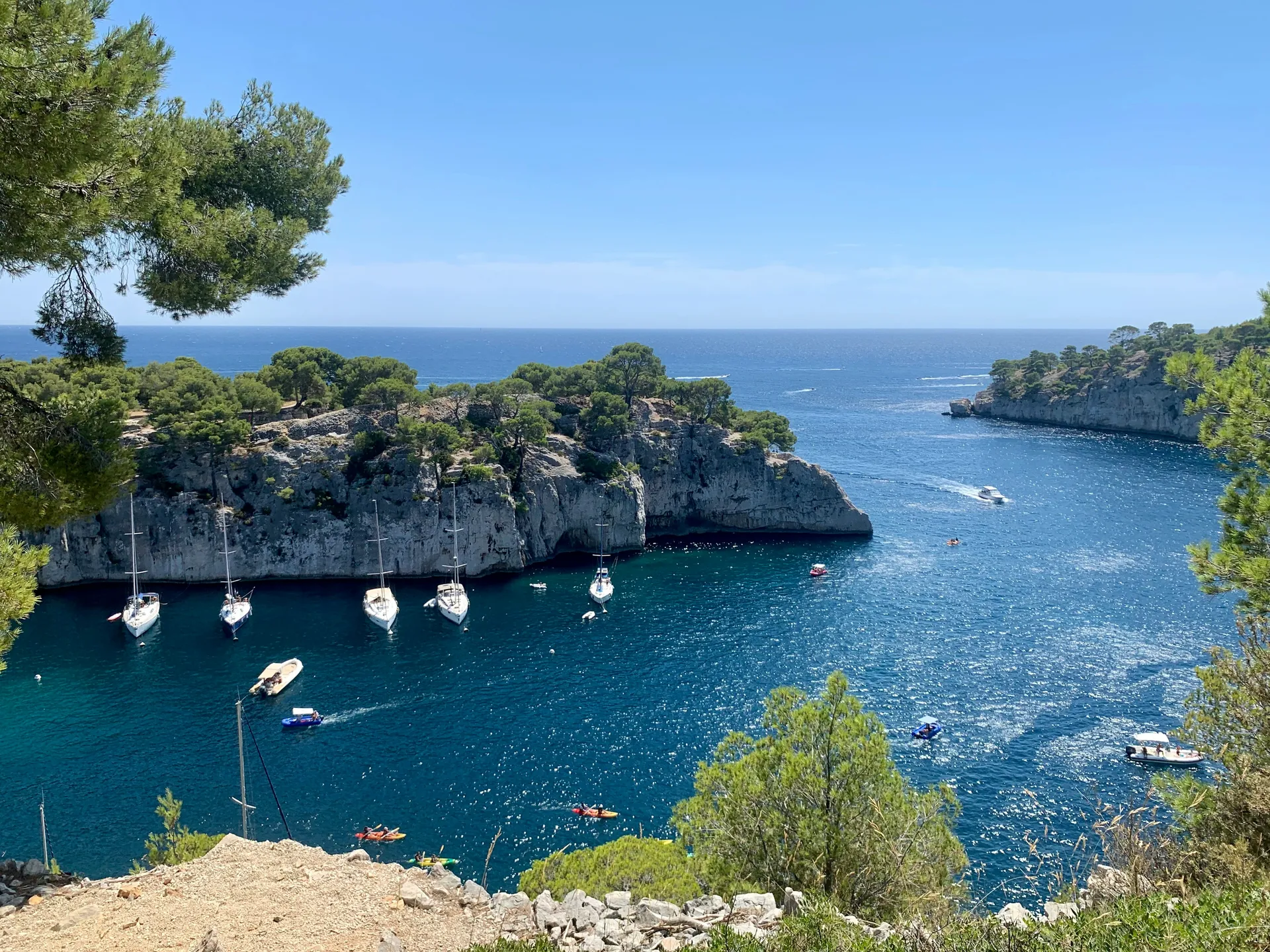
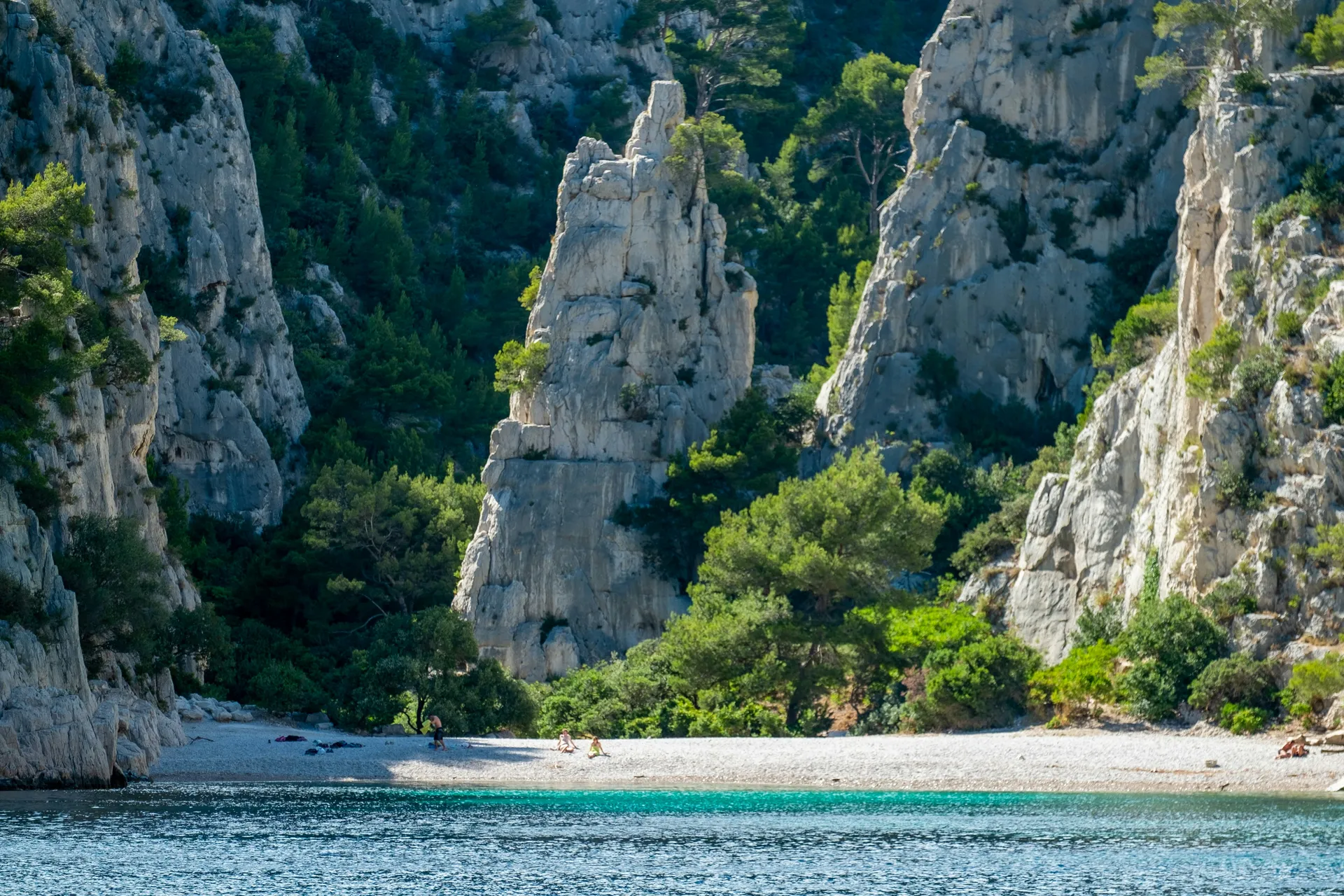
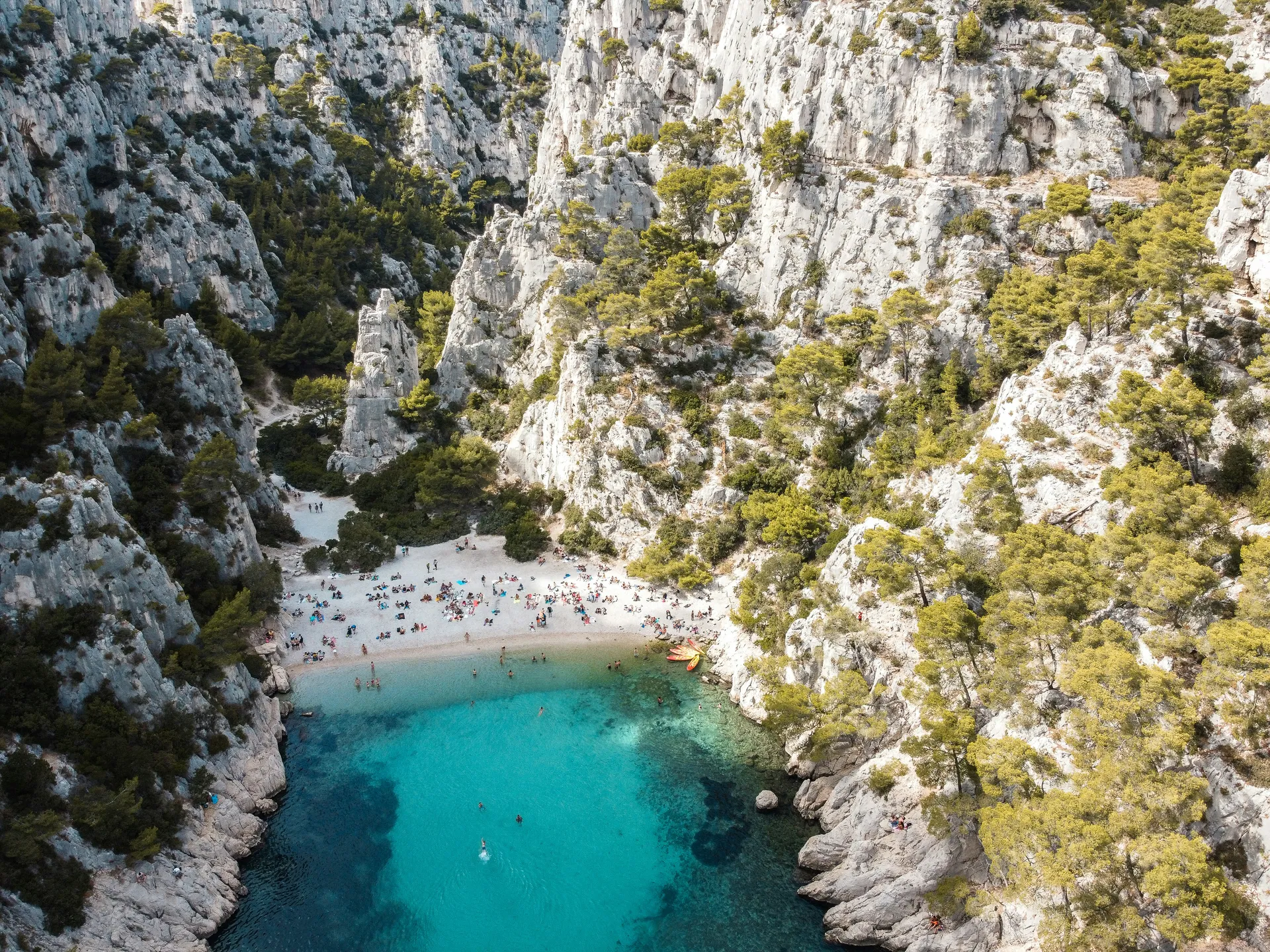
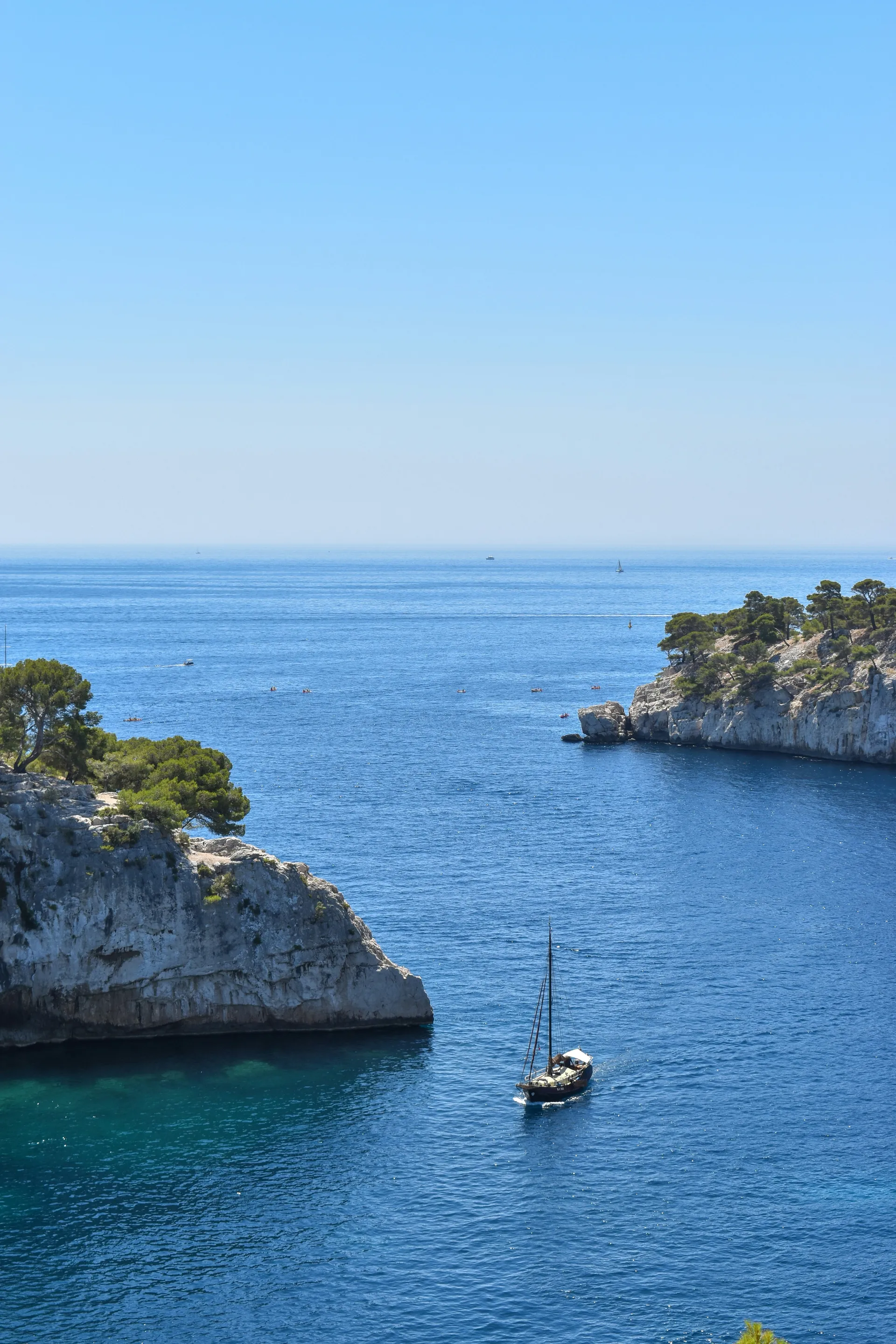
The Calanques are Cassis's supreme natural attraction — a series of narrow, steep-walled inlets carved into the white limestone coast between Cassis and Marseille, now protected as the Parc National des Calanques. These fjord-like formations, with their turquoise waters, white rock walls, and Aleppo pine forests, create a landscape of almost Caribbean beauty in the heart of the Mediterranean. En-Vau, Port-Miou, and Port-Pin are the most celebrated, accessible by hiking trail from the cliff tops or by boat from Cassis harbour. Swimming in the crystal waters of a calanque, surrounded by towering white cliffs and the scent of pine, is one of the defining experiences of the French Riviera.
Cassis produces one of Provence's most distinctive wines — a crisp, mineral white made primarily from Marsanne and Clairette grapes grown in vineyards that climb the steep hillsides above the village. The appellation is small and the production limited, meaning that Cassis wine is rarely exported and best enjoyed where it is made — ideally at a harbourside restaurant accompanied by the local bouillabaisse, sea urchins in season, or simply grilled fish with olive oil and herbs. The village's restaurants, ranging from simple quayside bistros to more refined establishments, showcase Provençal cuisine at its sun-kissed best.
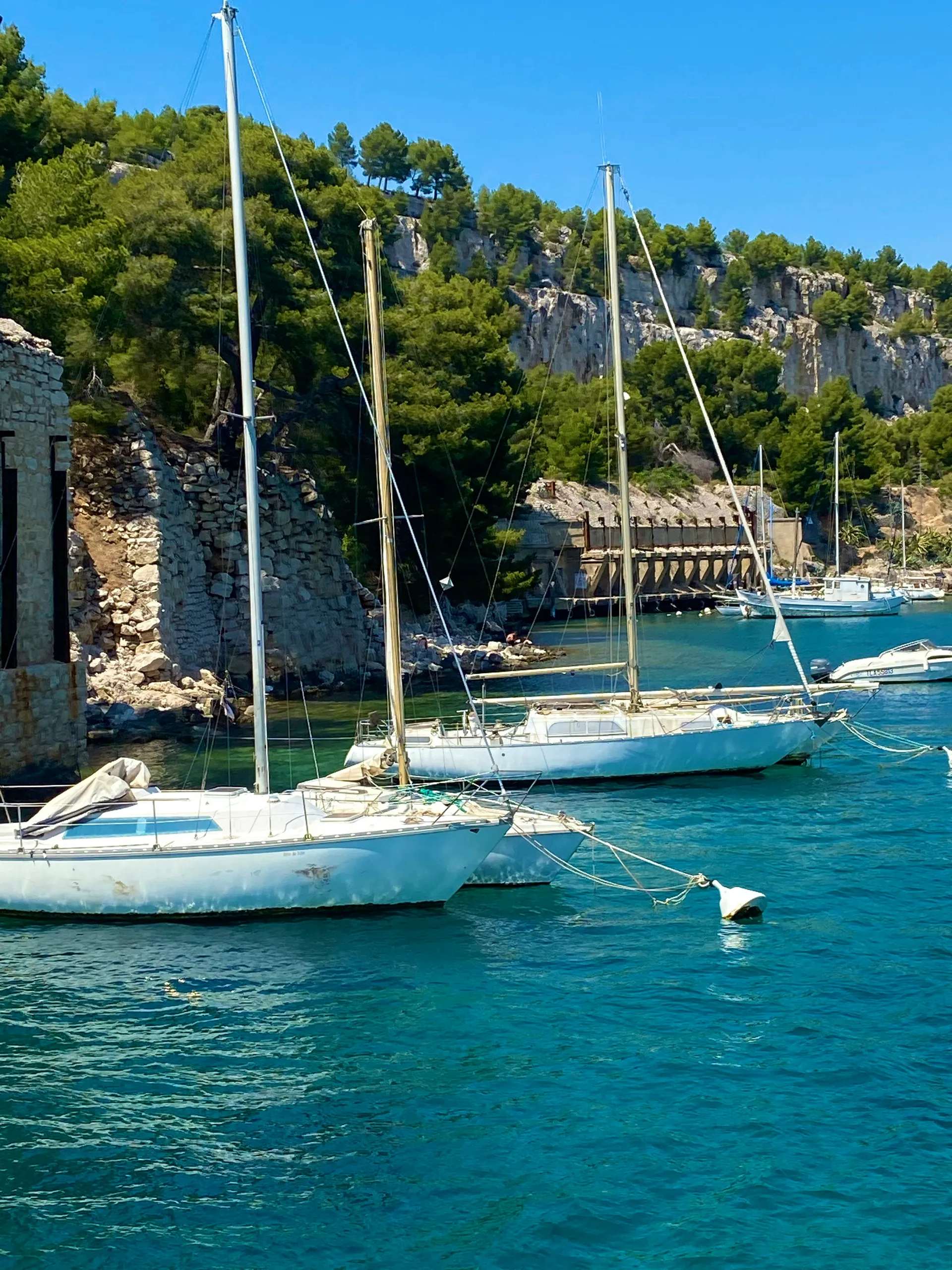
Cassis is a popular call for smaller cruise ships and sailing yachts, with anchorage in the bay and tender service to the harbour. The village is also easily reached from Marseille's cruise port, approximately thirty minutes by road. The best visiting season runs from April through October, with June and September offering warm weather without the intense crowds of July and August. The Calanques are subject to fire-risk closures during the hottest summer days, so spring and early autumn often provide the most rewarding hiking conditions.