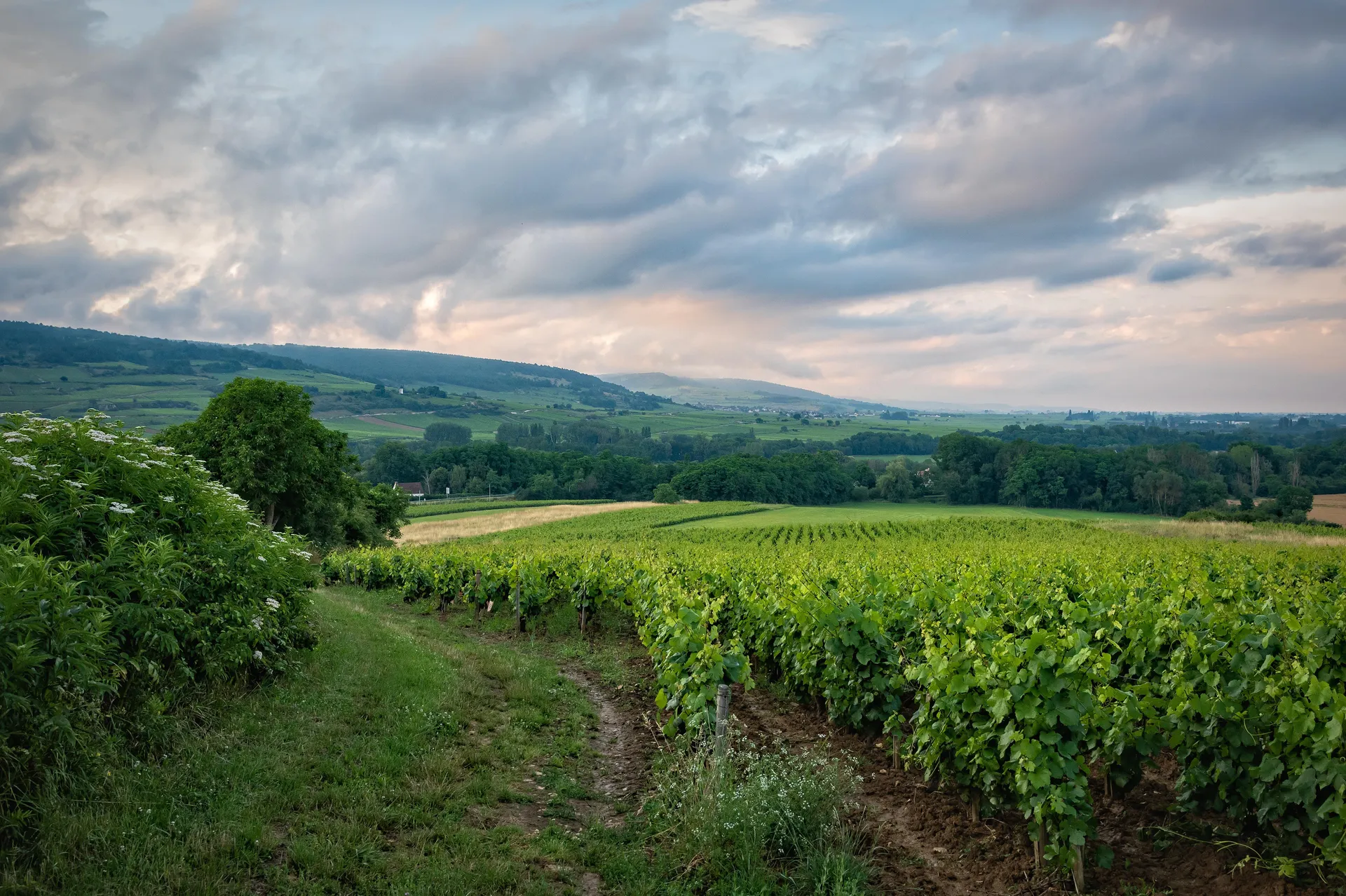
Châteauneuf-du-Pape: The Pope's Vineyard in the Rhône Valley
Châteauneuf-du-Pape is the most celebrated wine appellation in the southern Rhône and one of the most revered names in French winemaking — a sun-drenched hilltop village where the ruins of a fourteenth-century papal summer palace overlook vineyards that produce some of the most powerful, complex, and age-worthy red wines in the world. The name translates literally as "the Pope's new castle," a reference to the Avignon Papacy (1309-1377), when seven successive popes governed the Catholic Church from nearby Avignon rather than Rome. Pope John XXII built the castle that crowns the hill and planted the vineyards that began the village's association with winemaking — an association that has only deepened over seven centuries.
The character of Châteauneuf-du-Pape is inseparable from its terroir. The most distinctive feature of the vineyards is the galets roulés — large, smooth, rounded stones that cover the vineyard floor like a pebble beach. These stones, deposited by the ancient Rhône River, absorb heat during the day and radiate it back to the vines at night, accelerating ripening and contributing to the wines' characteristic richness and power. Thirteen grape varieties are permitted in the appellation — the most of any French AOC — though Grenache dominates the reds, blended with Mourvèdre, Syrah, and others to produce wines that are deep, spicy, and often exceed fifteen percent alcohol. The village's three hundred-odd producers range from single-family domaines to historic estates like Château Rayas, Château de Beaucastel, and Domaine du Vieux Télégraphe.
The culinary traditions of the southern Rhône complement its wines with the sun-drenched flavours of Provence. The Rhône Valley's markets — particularly the famous Friday market in nearby Uzès — overflow with the region's produce: olives and olive oil, goat cheese, ratatouille vegetables, lavender honey, and the black truffles that are hunted in the oak groves of the Vaucluse with trained dogs. The restaurants of Châteauneuf-du-Pape serve dishes designed to partner with local wines: daube provençale (a slow-braised beef stew), lamb from the Alpilles, and the tapenade, anchoïade, and brandade that constitute the Provençal appetiser tradition. La Mère Germaine, in the village centre, has been serving this cuisine to visiting wine lovers for decades.
The village itself, beyond its wines, rewards exploration. The ruins of the papal castle — largely destroyed during the Wars of Religion in the sixteenth century — still command the hilltop, offering panoramic views across the vineyards to the Dentelles de Montmirail, the Rhône River, and on clear days, the distant silhouette of Mont Ventoux. The Musée du Vin, in the caves beneath the castle, traces the history of winemaking in the appellation through tools, bottles, and a comprehensive collection of documents. The surrounding wine villages — Gigondas, Vacqueyras, Beaumes-de-Venise — are each worth visiting for their own distinctive wines and Provençal character.
Tauck includes Châteauneuf-du-Pape on its Rhône and Provence itineraries, typically as a half-day wine excursion combined with tastings at selected domaines. The combination of world-class wine, Provençal cuisine, papal history, and the luminous landscape of the southern Rhône makes Châteauneuf-du-Pape one of the most rewarding stops on any French wine journey. April through October offers the best visiting conditions, with September's harvest season — the vendange — providing the most atmospheric vineyard experience and the chance to witness the frenetic energy of a wine community gathering its annual crop.

