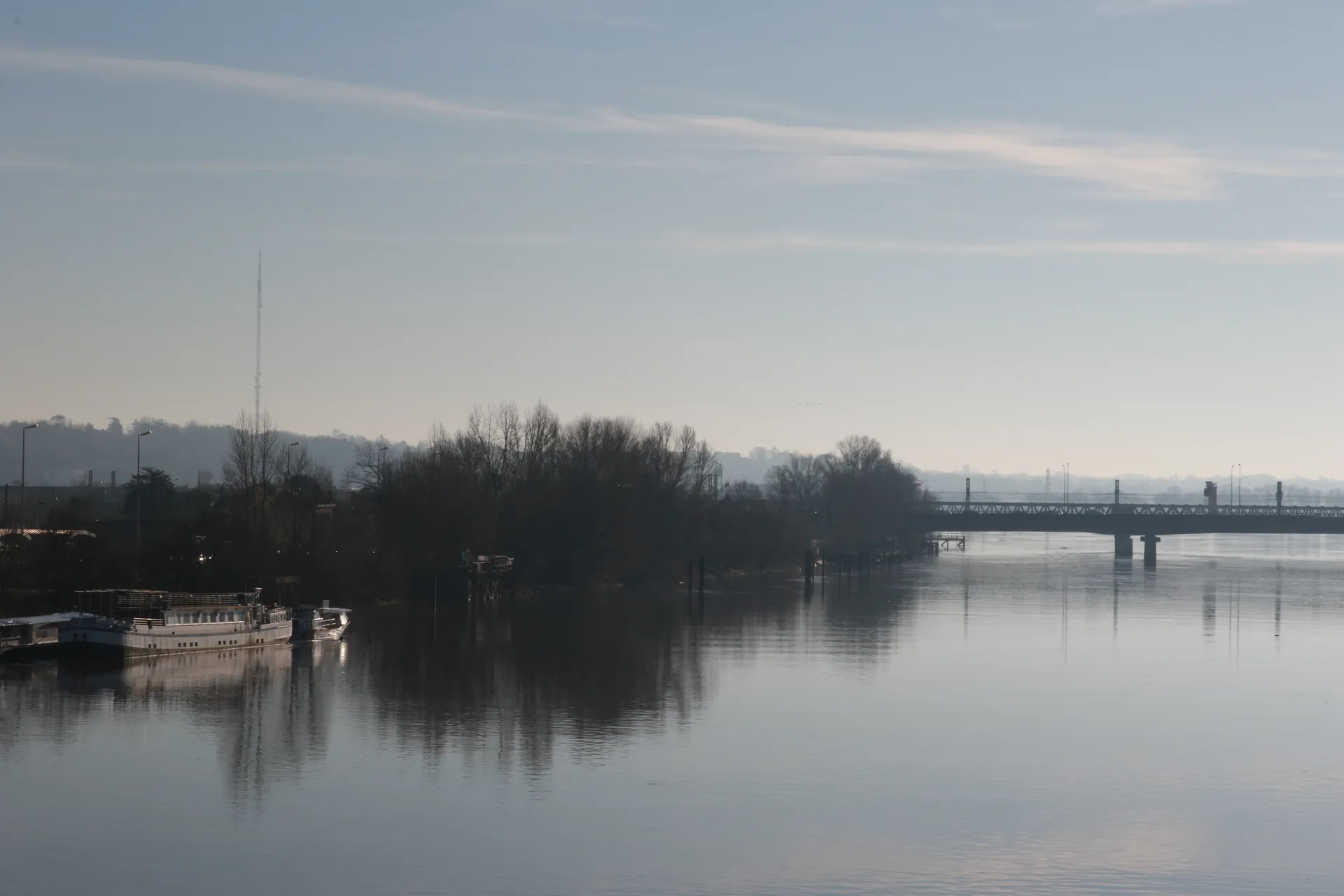
Where the Gironde estuary widens toward the Atlantic, the commune of Cussac-Fort-Médoc occupies a stretch of Bordeaux's fabled Left Bank that has been cultivating vines since Roman legions first planted them in the first century AD. The Fort Médoc itself, a star-shaped citadel designed by Sébastien Le Prestre de Vauban in 1689, was built to defend Bordeaux from English naval incursions — part of a trio of fortifications, alongside Fort Paté and the Citadelle de Blaye, that together form a UNESCO World Heritage Site known as the "Verrou de l'Estuaire," the bolt of the estuary.
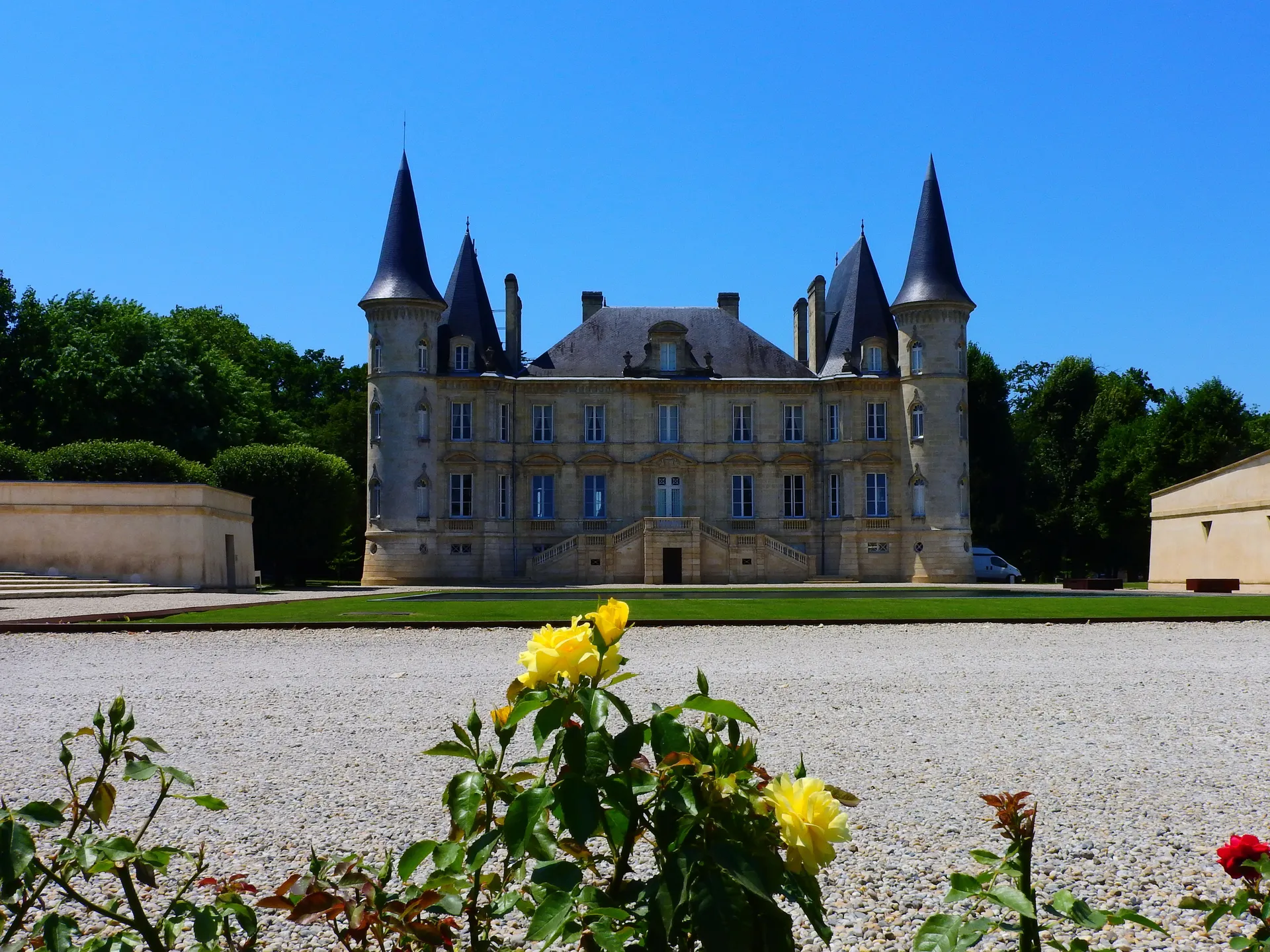
The landscape here is quintessential Médoc: flat, gravelly terroir stretching to the horizon, punctuated by stately châteaux whose names read like a sommelier's prayer book. Within a few kilometers of the port lie Château Lanessan, Château de Lamarque, and the legendary appellations of Saint-Julien, Pauillac, and Margaux — home to First Growths like Château Latour, Château Lafite Rothschild, and Château Margaux. The Médoc is a landscape of quiet grandeur, where the rhythm of life still follows the vine's calendar: pruning in winter, flowering in spring, véraison in summer, and the anxious anticipation of harvest each September.
Culinary life in the Médoc is inseparable from its wines. River shad (alose) grilled over vine cuttings is a springtime tradition, while entrecôte à la bordelaise — a thick-cut ribeye in a silky shallot and red wine reduction — is the region's defining dish. At the waterfront guinguettes of Lamarque, oysters from the nearby Arcachon Basin arrive by the dozen, best paired with a crisp white Bordeaux. Saturday morning markets in Pauillac brim with cèpe mushrooms, canelés — those caramelized, rum-scented custard cakes that are Bordeaux's signature pastry — and artisanal foie gras from the Landes.
The port provides effortless access to Bordeaux's finest attractions. The city of Bordeaux itself, a UNESCO-listed ensemble of eighteenth-century architecture, is forty-five minutes south, its Miroir d'Eau reflecting the Place de la Bourse in shimmering pools. The medieval village of Saint-Émilion, another World Heritage Site famed for its underground churches and Merlot-dominated wines, lies an hour and a half to the east. A ferry from Lamarque, just minutes from the port, crosses the estuary to Blaye, whose massive Vauban citadel commands panoramic views of the waterway.
River cruises calling at Cussac-Fort-Médoc are crafted for wine lovers and francophiles. AmaWaterways and Scenic River Cruises offer vineyard-intensive Bordeaux itineraries with onboard sommeliers and château visits woven into every day. Avalon Waterways provides spacious open-air balcony suites, while CroisiEurope, France's own river cruise specialist, brings deep local expertise to Gironde sailings. Uniworld River Cruises completes the lineup with its signature boutique-hotel-on-water approach. The Bordeaux cruising season peaks from April through October, with harvest time in September and October offering the most magical atmosphere.