Martigues straddles three canals at the point where the Étang de Berre—one of the largest saltwater lagoons in Europe—connects to the Mediterranean Sea, its waterfront houses and fishing boats reflected in canal waters that earned the town its enduring epithet: the "Venice of Provence." This comparison, while flattering, does Martigues a disservice, for this is a town with its own distinct identity—a place where Provençal fishing culture, twentieth-century painting, and Mediterranean waterside living converge in a setting of genuine, unpretentious charm.
The Quartier de l'Île, the historic center spanning the canal between the two arms of the town, is Martigues at its most picturesque. Here, brightly painted fishermen's houses line the Miroir aux Oiseaux (Bird Mirror)—a section of canal so perfectly still that reflections create doubled images of the facades, boats, and bridges that frame it. This scene has attracted painters since the nineteenth century, and the Félix Ziem Museum—named for the landscape artist who made Martigues famous—houses an excellent collection of works by artists drawn to the town's luminous waterscapes.
Martigues' fishing heritage remains active and visible. The traditional fishing method known as the "globe" uses a system of fixed nets in the canals to trap mullet, sea bass, and eels as they move between the lagoon and the sea—a technique documented since the Middle Ages. The annual Sardine Festival in July celebrates the town's deep connection to the Mediterranean fishery, with freshly grilled sardines served along the waterfront accompanied by local rosé wine. The daily fish market at the Quai des Girondins offers the morning catch to locals and visitors alike.
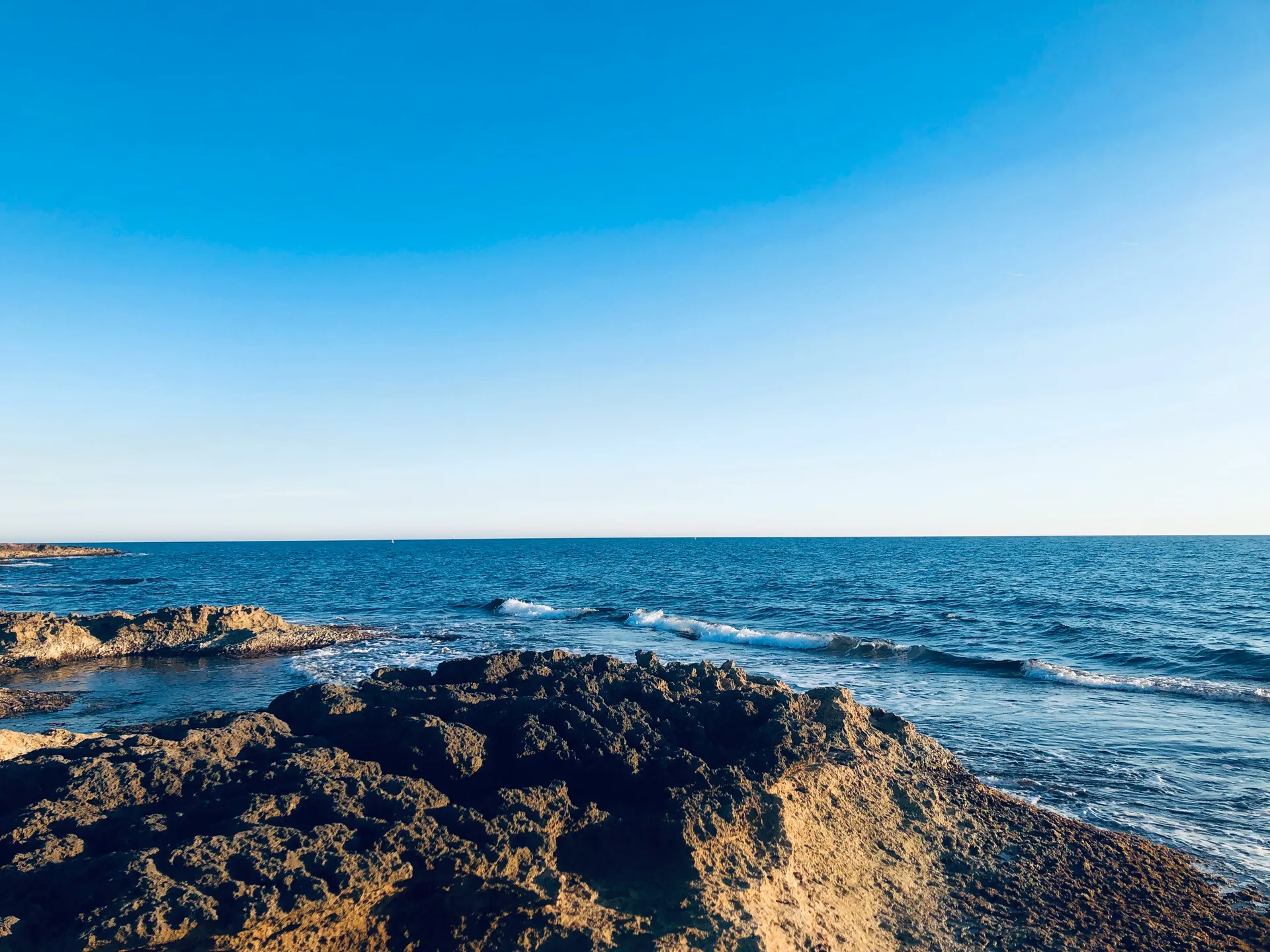
The surrounding landscape offers remarkable natural diversity. The Côte Bleue—the rocky coastline stretching west from Martigues toward Marseille—features intimate calanques (rocky inlets), hidden beaches, and a marine park that protects some of the healthiest Mediterranean reef ecosystems in the region. The Étang de Berre, despite its industrial surroundings, supports significant birdlife, particularly flamingos that feed in the shallow waters and salt pans. The chain of the Nerthe hills between Martigues and Marseille provides hiking trails with panoramic views across both the lagoon and the open Mediterranean.
Martigues is accessible by road from Marseille (thirty minutes) and serves as an excursion destination from Rhône or Mediterranean cruise itineraries. The town's compact center is entirely walkable, with bridges connecting its three distinct quarters across the canals. The Mediterranean climate provides over 300 days of sunshine annually, with spring and autumn offering the most comfortable temperatures. The Mistral wind, which can blow with considerable force through the Rhône corridor, occasionally reaches Martigues with enough intensity to create choppy conditions on the canals—adding meteorological drama to this inherently photogenic town.

