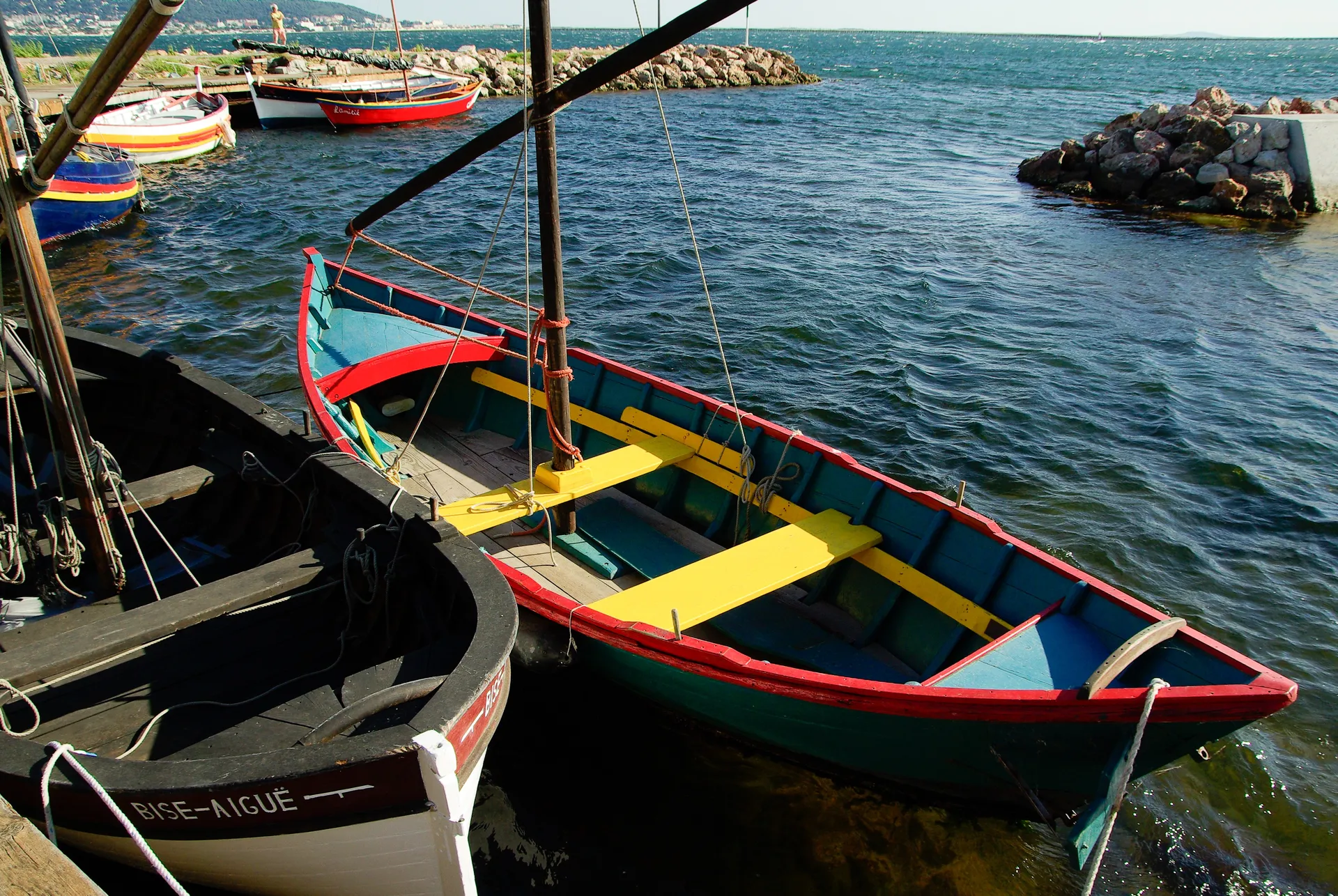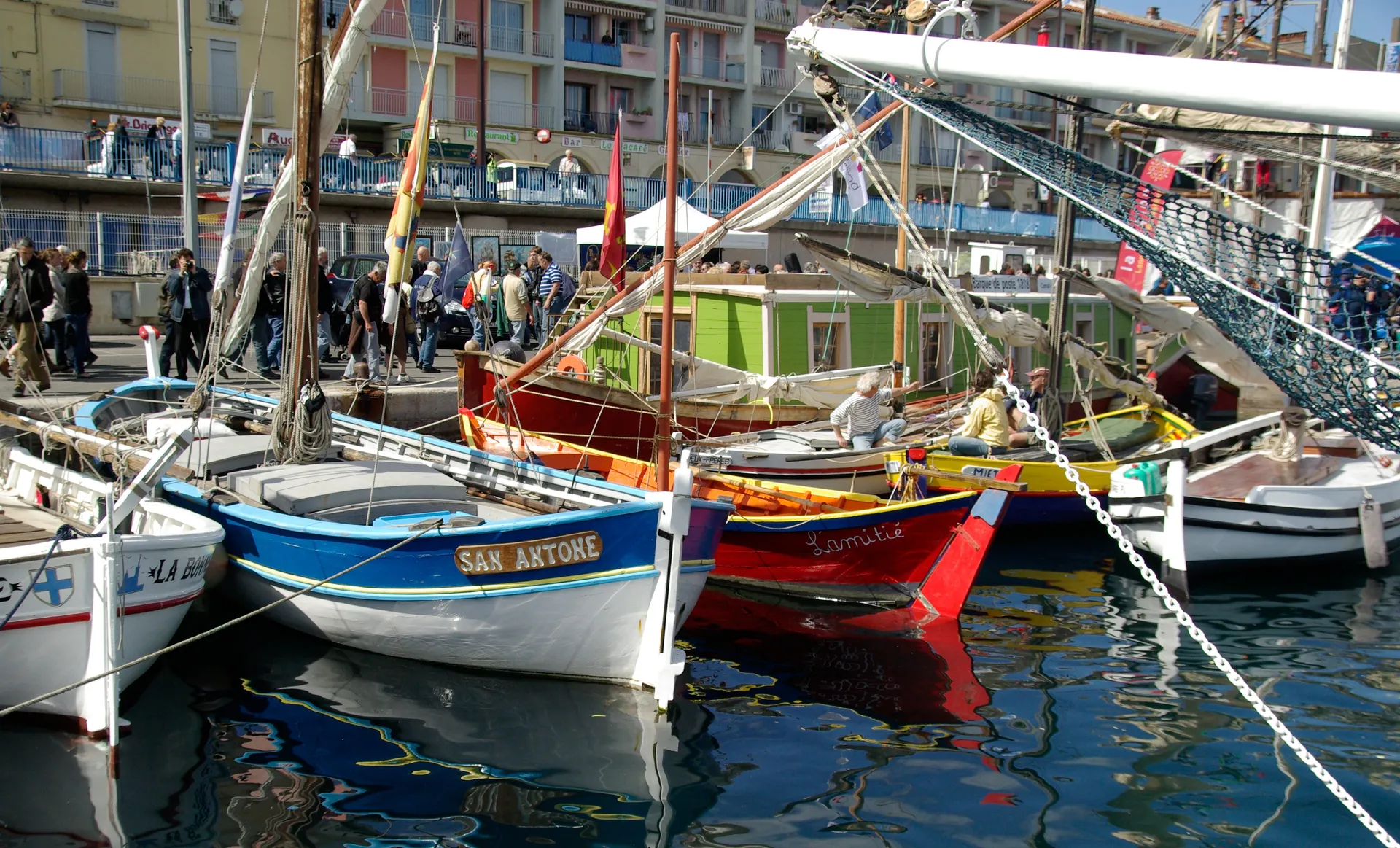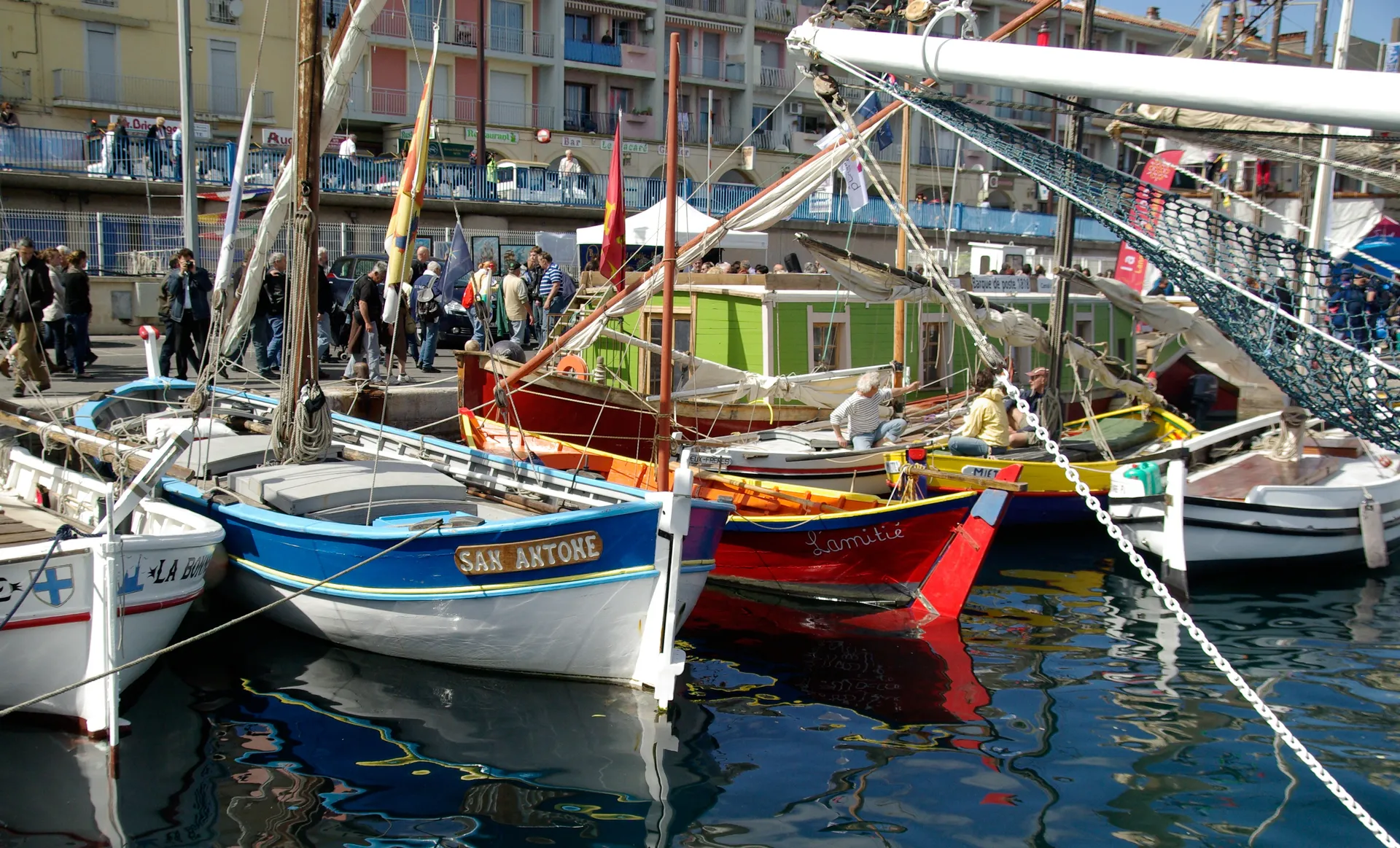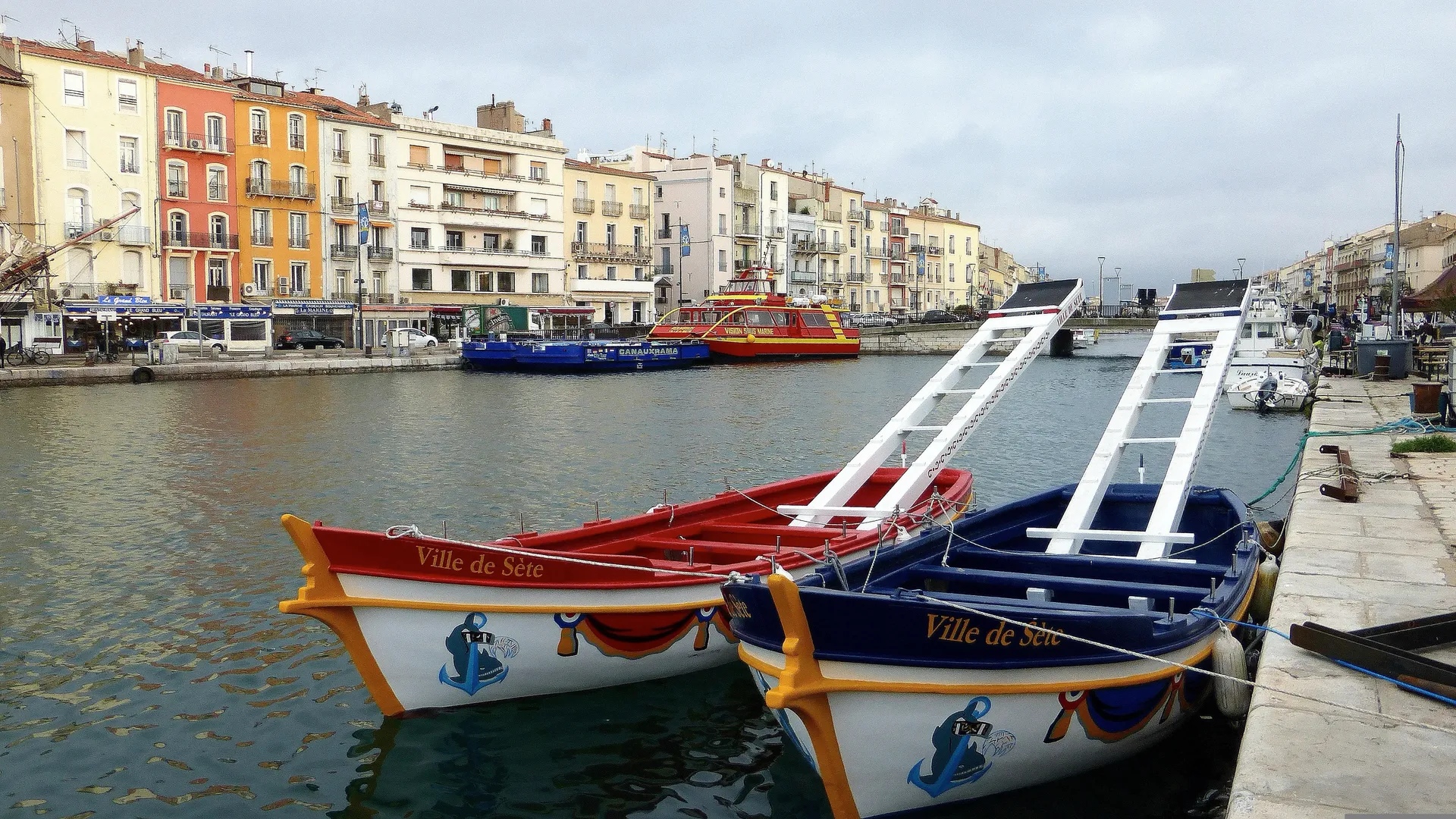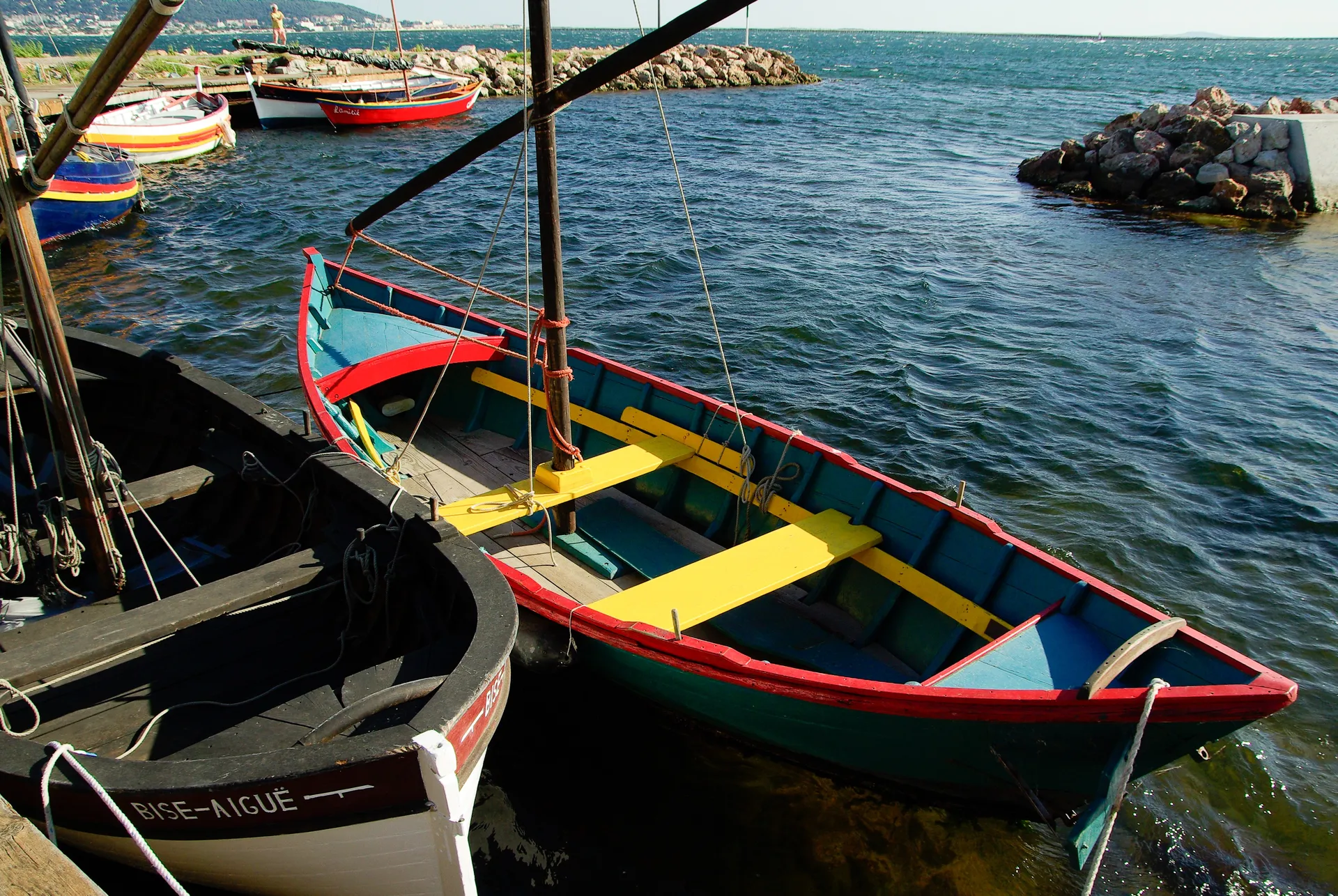
Long before the grand canal linked it to the Mediterranean, Sète existed as Ceta under Gallo-Roman rule — a modest settlement perched on the island of Mont Saint-Clair, where artisans perfected the ancient craft of preserving fish in brine and garum. The port's modern identity was forged in 1666, when Louis XIV commissioned the construction of the Canal du Midi's terminus here, transforming a quiet fishing village into one of France's most vital maritime gateways. That royal ambition still echoes through the town's labyrinth of canals, where painted trawlers bob alongside pleasure craft and the salt-kissed air carries three centuries of seafaring legacy.
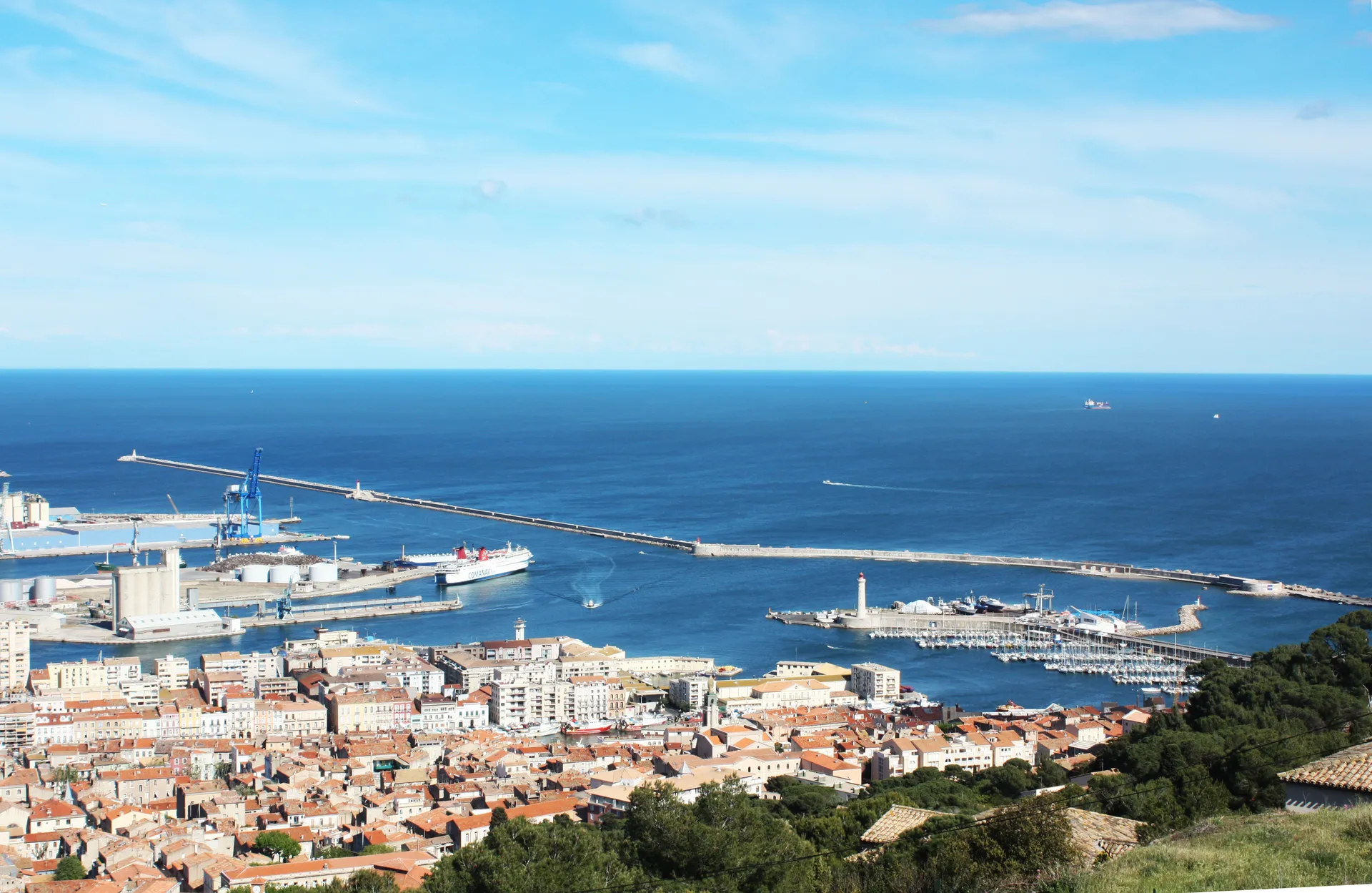
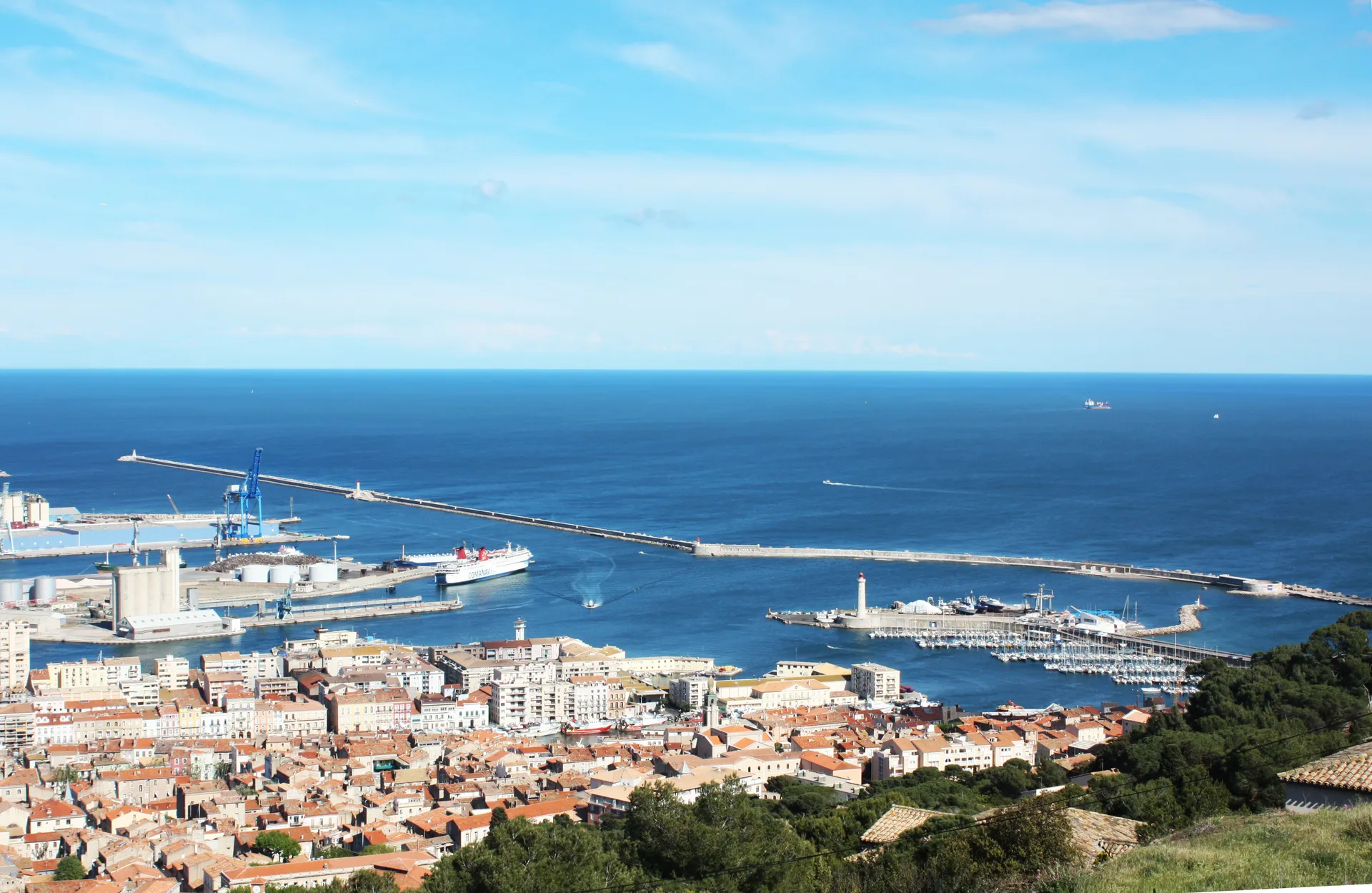
Sète possesses a quality rare among Mediterranean port towns: an authenticity that has resisted the gravitational pull of mass tourism. Known as the "Venice of Languedoc," its waterways slice through neighborhoods where fishermen still mend nets on stone quays and café terraces overhang canals streaked with turquoise and amber light. Mont Saint-Clair rises above it all, offering panoramic views that sweep from the Thau lagoon's oyster beds to the distant silhouette of the Pyrenees. The Cimetière Marin — the marine cemetery immortalized by native son Paul Valéry in his celebrated poem — crowns the hillside, a place of extraordinary stillness where white tombs face the open sea.
To dine in Sète is to understand why this town guards its culinary identity so fiercely. The *tielle sétoise*, a golden pastry shell encasing a slow-simmered filling of octopus, tomato, and warm spices, remains the undisputed signature — each family bakery claims its recipe as definitive. Along the Grand Canal, restaurants serve *bourride sétoise*, a refined fish stew thickened with aïoli and built from the morning's catch of monkfish and sea bass, while the Halles de Sète overflow with purple-lipped Bouzigues oysters harvested mere kilometers away in the Étang de Thau. Pair these with a chilled Picpoul de Pinet from the surrounding vineyards, and you have assembled a lunch that no starred establishment in Paris could replicate with equal honesty.
The Languedoc hinterland rewards those who venture beyond the waterfront. The medieval village of Viviers, perched above the Ardèche with its Romanesque cathedral and hushed episcopal quarter, offers a compelling journey into sacred architecture untouched by renovation. Montignac, gateway to the Lascaux caves and the Vézère Valley's prehistoric treasures, appeals to travelers drawn to humanity's earliest artistic impulses. Along the Normandy coast, Saint-Aubin-sur-Mer delivers understated seaside charm — windswept dunes and Belle Époque villas far removed from the Riviera's spectacle — while the Oise Valley village of Saint-Leu-d'Esserent harbors a magnificent twelfth-century priory church whose Gothic vaulting rivals that of cathedrals ten times its fame.
Sète's deep-water port and strategic position on the Gulf of Lion have made it a favored call for the world's most distinguished cruise lines. Ponant, France's own luxury expedition brand, treats Sète as a homecoming of sorts on its Mediterranean itineraries, while Silversea and Regent Seven Seas Cruises include the port on voyages that emphasize intimate cultural immersion over crowded marquee stops. Seabourn and Oceania Cruises route their Western Mediterranean sailings through Sète for precisely this reason — the chance to offer guests an unscripted encounter with a working French port town. Azamara and Celebrity Cruises bring their signature shore programming to bear on the Languedoc's wine country and canal heritage, and Viking, with its culturally enriched itineraries, uses Sète as a gateway to the region's Roman and medieval past. For travelers who measure a voyage not in ports ticked off a list but in the depth of each encounter, Sète delivers with quiet, uncompromising authority.