Where the Rhône bends through the sun-bleached plains of Provence, the medieval silhouette of Tarascon rises like a stone sentinel against an impossibly blue sky. The Château de Tarascon, begun by Louis II of Anjou in 1400 and completed by his son René I — the beloved "Good King René" — stands as one of the finest examples of late Gothic military architecture in France, its sheer limestone walls plunging directly into the river's currents. It was within these formidable ramparts that René held his legendary court of poets and troubadours, transforming a fortress into a cradle of Provençal arts, while across the water, the companion castle of Beaucaire gazed back in eternal dialogue.
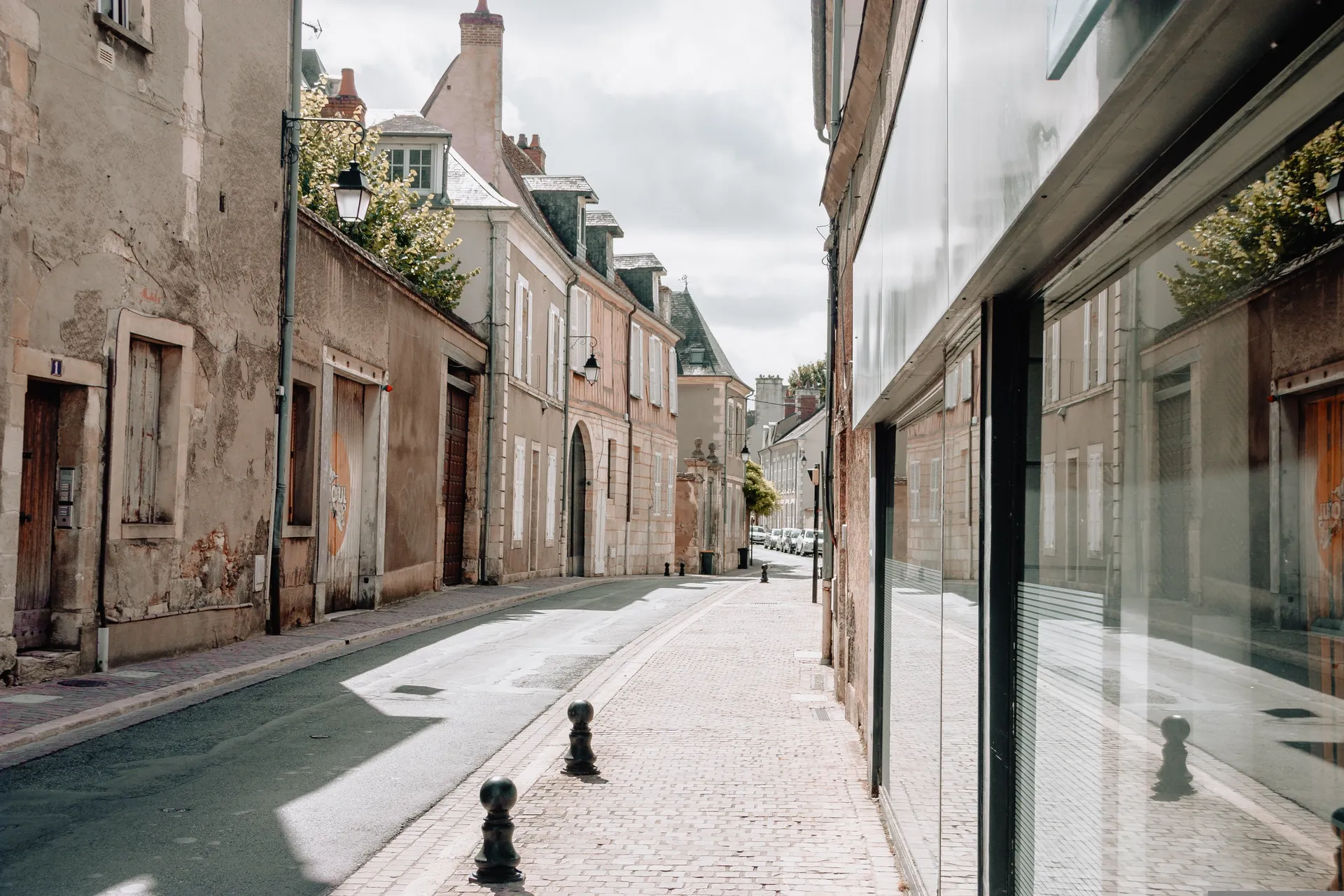
To arrive in Tarascon by river is to understand why this town has captivated travellers for centuries. The old quarter unfolds in a labyrinth of narrow lanes and honey-coloured facades, where iron balconies spill over with jasmine and the clatter of boules echoes from the Place de la Mairie. The collegiate church of Sainte-Marthe, dating to the twelfth century and rebuilt in the fourteenth, shelters the crypt of the town's patron saint, said to have tamed the legendary Tarasque — a fearsome river creature whose effigy still parades through the streets each June during the Fêtes de la Tarasque, a tradition inscribed on UNESCO's Intangible Cultural Heritage list since 2005. There is a pleasing unhurriedness here, a town that has never felt the need to perform for visitors yet rewards those who linger with quiet, layered beauty.
Provençal cuisine reaches a particular refinement in Tarascon, where the bounty of the Rhône valley meets centuries of culinary tradition. Begin at the morning market with a tapenade noire spread across slices of fougasse, the region's leaf-shaped olive oil bread, before settling into a long lunch of daube provençale — beef braised for hours in red wine, orange peel, and herbes de Provence until it yields at the mere suggestion of a fork. The local gardiane de taureau, a slow-cooked Camargue bull stew seasoned with black olives and served over nutty red rice from the nearby marshes, speaks to the town's proximity to that wild, windswept delta. Finish with a navette, the boat-shaped biscuit scented with orange blossom water that has been baked in Provence since the eighteenth century, paired with a glass of chilled rosé from the Coteaux d'Aix-en-Provence appellation just to the east.
The surrounding landscape offers a constellation of rewarding excursions for those inclined to venture beyond the quays. Viviers, upstream along the Rhône, is a remarkably intact medieval episcopal city crowned by the Cathédrale Saint-Vincent, its Romanesque nave a masterclass in austere elegance. To the north, the painted caves and prehistoric heritage near Montignac in the Dordogne beckon those with a taste for deeper time, while the Normandy coastline at Saint-Aubin-sur-Mer presents a compelling counterpoint — windswept Channel beaches steeped in the memory of the D-Day landings. Closer to Paris, the Gothic priory church of Saint-Leu-d'Esserent, perched above the Oise valley, demonstrates the reach of medieval French ecclesiastical ambition. Each destination, though distinct in character, shares with Tarascon a quality of authentic, unstudied grace.
River cruise itineraries along the Rhône have elevated Tarascon from a passing footnote to a destination in its own right. AmaWaterways features the town on its Provence and Burgundy sailings, with guided excursions to the château and the old quarter that capture the essence of small-town Provençal life. Scenic River Cruises brings its signature all-inclusive refinement to the Tarascon call, often pairing it with a visit to the Pont du Gard or the amphitheatre at Arles, while Uniworld River Cruises — with its boutique-hotel sensibility — offers curated shore experiences that might include a private tasting of Châteauneuf-du-Pape wines or a morning painting class inspired by Van Gogh's Provençal palette. Whichever vessel you choose, the approach by water remains the most evocative way to meet this town: the château growing ever larger against the lavender horizon, the plane trees leaning over the riverbank, and the unmistakable scent of wild thyme drifting across the deck.

