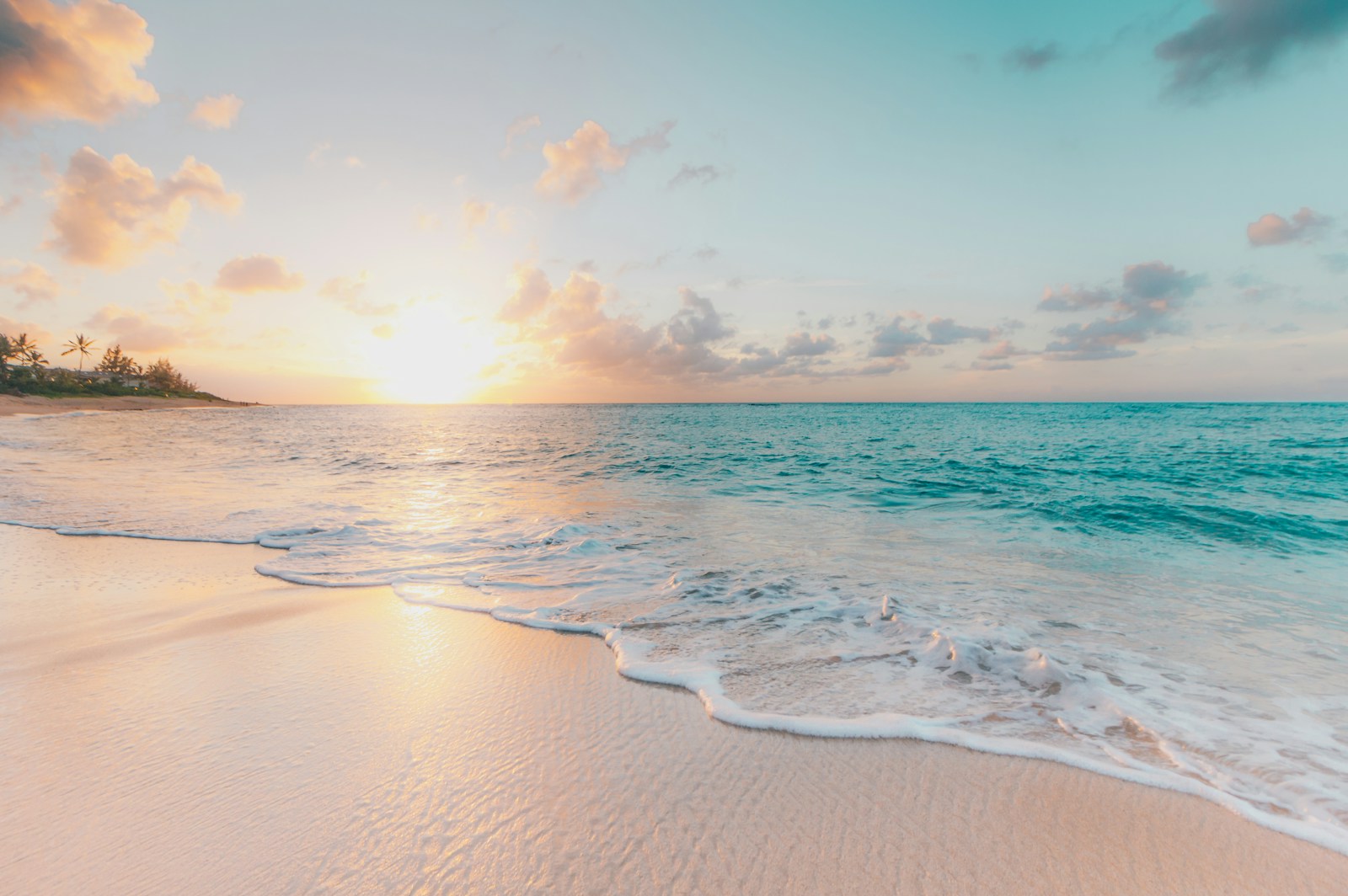
In the vast coral wilderness of the Tuamotu Islands, far from any continent and nearly invisible on all but the most detailed maps, the atoll of Amanu encircles a lagoon of such pristine beauty that it seems to exist in a state of geological perfection. This remote coral ring — approximately thirty kilometres long and ten kilometres wide — lies roughly seven hundred kilometres east of Tahiti, its position deep within the Tuamotu Archipelago placing it beyond the reach of conventional tourism and within the domain of expedition cruising. For those fortunate enough to visit, Amanu offers one of the South Pacific's most unspoiled atoll experiences.
The atoll's single village, Ikitake, occupies a stretch of the northern reef where coconut palms lean over a lagoon so clear that the coral bottom is visible to depths of twenty metres or more. Approximately two hundred residents maintain a way of life centered on copra production, fishing, and the cultivation of the black-lipped pearl oyster that provides the raw material for French Polynesia's pearl industry. The village's modest buildings — a combination of concrete-block structures and traditional pandanus-thatched shelters — cluster around a coral stone church whose whitewashed walls gleam against the infinite blue of the lagoon behind.
The lagoon of Amanu is its supreme natural asset. The water clarity, even by Tuamotu standards, is exceptional — the absence of rivers, agricultural runoff, and significant boat traffic preserves conditions that may represent the Pacific Ocean's purest expression. The coral formations within the lagoon support an ecosystem of vivid diversity: butterfly fish in electric yellows and blues, Napoleon wrasses of impressive size, blacktip reef sharks patrolling the shallows with relaxed authority, and the giant clams whose iridescent mantles — in shades of purple, green, and gold — create one of the reef's most dazzling visual effects. Snorkeling here, in water warm enough to remain comfortable indefinitely, produces a meditative immersion in marine beauty that redefines the concept of swimming.
The pass — the channel connecting the lagoon to the open ocean — concentrates marine life with the efficiency of a natural aquarium filter. As tidal currents push nutrient-rich ocean water into the lagoon, fish congregate in extraordinary numbers, attracting predators that create a food-chain spectacle visible from the surface. Grey reef sharks, eagle rays, and schools of trevally patrol the pass in numbers that would be remarkable at any dive site in the world and are staggering in this remote location. For snorkelers, drift excursions through the pass — carried by the incoming current over coral gardens alive with fish — rank among the Pacific's definitive marine experiences.
Amanu is accessible only by expedition cruise vessel or the infrequent inter-island flights operated by Air Tahiti. There are no hotels, no restaurants, and no tourist infrastructure — visits are arranged through community engagement and require the respectful approach that remote Pacific communities deserve. The atoll is visitable year-round, though the May-to-October dry season offers the most comfortable conditions with reduced humidity and calmer seas. For travelers who understand that the world's most extraordinary experiences often exist in its least accessible places, Amanu delivers a Pacific encounter of breathtaking purity.

