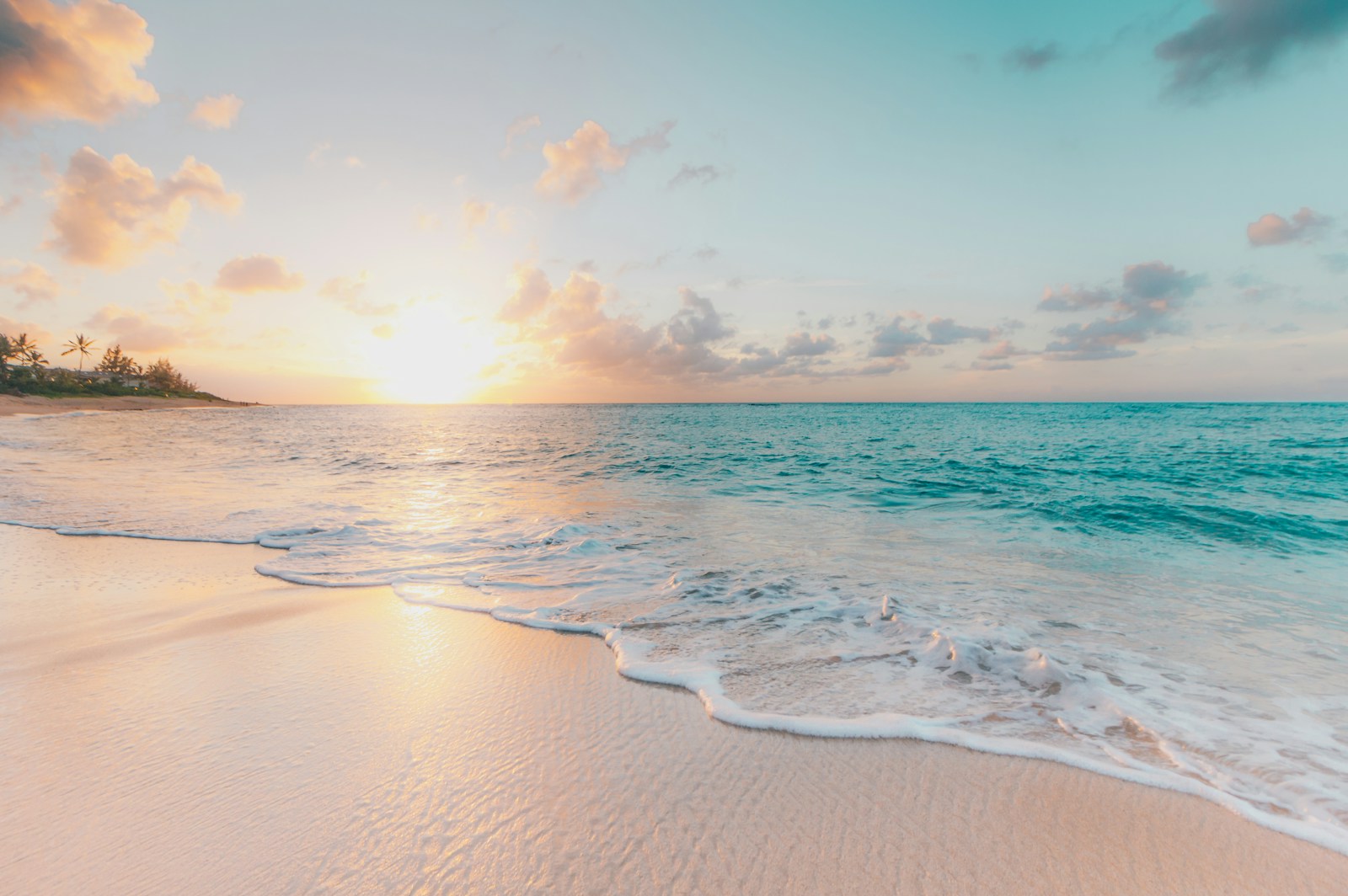
In the vast blue emptiness of the eastern Tuamotu Archipelago, roughly 700 kilometers northeast of Tahiti, the coral atoll of Hikueru forms a near-perfect ring of reef and islets enclosing a lagoon of extraordinary marine richness. This remote atoll—home to fewer than three hundred residents—was historically one of French Polynesia's most important pearl-diving centers, where Paumotu divers descended to astonishing depths without equipment to harvest the black-lipped oysters that produce Tahitian cultured pearls. The diving tradition shaped a community of exceptional physical courage, and the stories of pearl-diving feats—and tragedies—are woven into the oral history of every family on the atoll.
The character of Hikueru is defined by its extreme isolation and the intimate relationship between its inhabitants and the sea. The village occupies a single motu on the atoll's northern rim, its modest houses shaded by coconut palms and breadfruit trees. There are no hotels, no restaurants for visitors, and no paved roads—only coral tracks that connect the village to the copra-drying sheds and the pearl farms that have partially replaced the dangerous free-diving tradition. Life revolves around the passage of fishing seasons, the rhythm of the tides that fill and empty the lagoon through its single pass, and the inter-island supply ship that arrives with provisions on an irregular schedule.
The lagoon of Hikueru is a marine sanctuary of exceptional quality. The enclosed waters support dense populations of giant clams, coral formations in pristine condition, and schools of fish in quantities that recall pre-industrial abundance. Blacktip reef sharks patrol the shallows with the lazy confidence of apex predators in an undisturbed ecosystem. The single pass connecting the lagoon to the open ocean creates powerful tidal currents that attract grey reef sharks, manta rays, and schools of barracuda and tuna—a drift dive through the pass during an incoming tide ranks among the most thrilling underwater experiences in French Polynesia.
The broader Tuamotu Archipelago, of which Hikueru is a part, constitutes the largest chain of coral atolls in the world—77 atolls scattered across an ocean area larger than Western Europe. The atolls vary from tiny, uninhabited rings of sand to larger formations like Rangiroa and Fakarava, where the diving industry has developed more substantially. Hikueru's appeal lies precisely in what it lacks: the absence of tourism infrastructure means encounters with the marine environment feel genuinely wild, and interactions with the local community—should one be fortunate enough to visit—offer a window into a Polynesian way of life that the more accessible islands can only hint at.
Hikueru is accessible only by irregular inter-island cargo vessel from Papeete or by private yacht. There are no scheduled flights, no airport, and no tourist accommodation. Expedition cruise vessels occasionally include the atoll on extended Tuamotu itineraries, anchoring in the lagoon and deploying Zodiacs for shore access. The driest months from May through October offer the most comfortable conditions and the best underwater visibility. Visitors must be entirely self-sufficient and should coordinate with the village chief before any landing. This is not a destination for the casual traveler—it is a pilgrimage for those who seek the Pacific as it existed before the modern world arrived.

