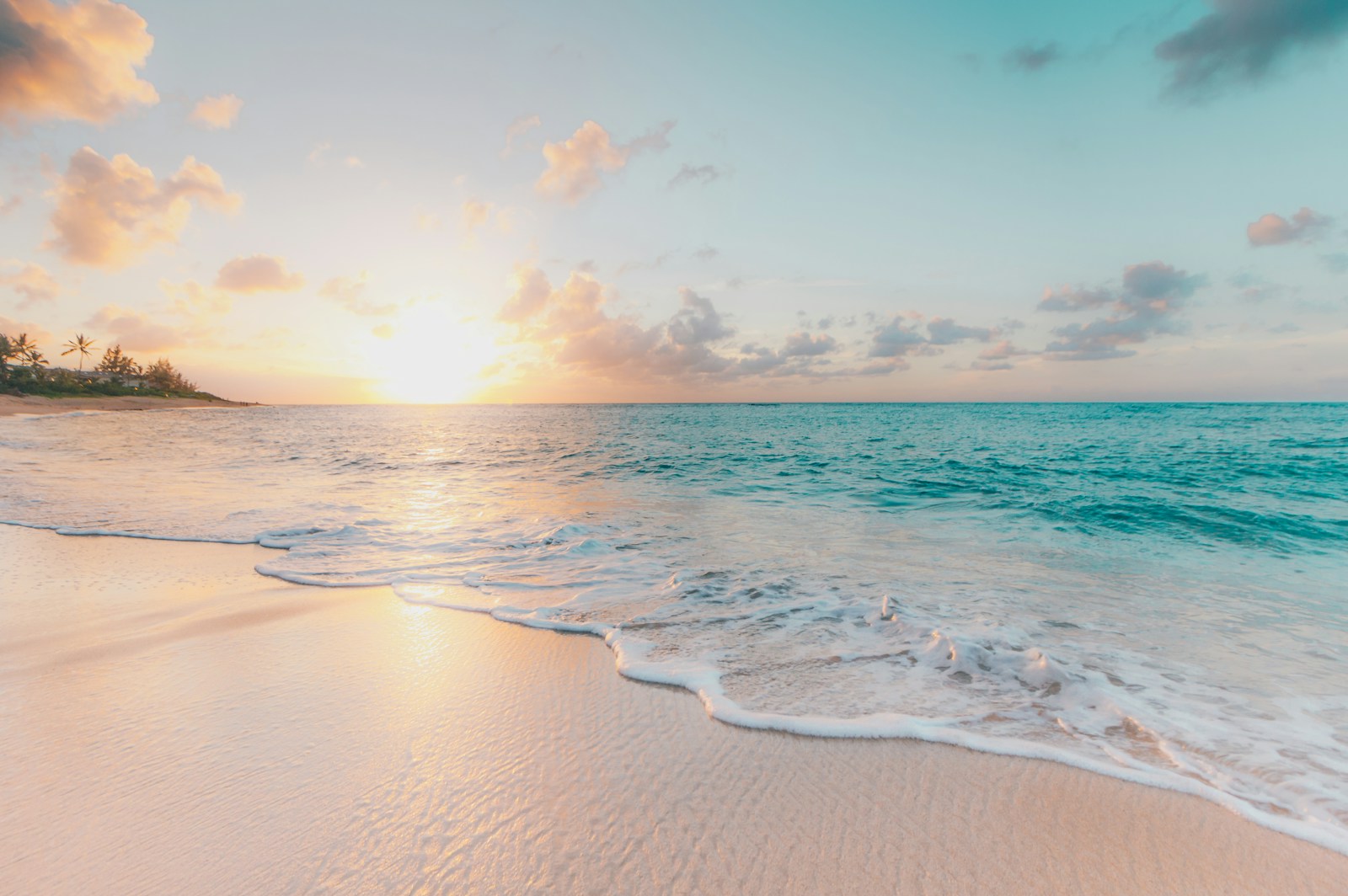
In the vast blue emptiness of the Tuamotu Archipelago, approximately three hundred kilometres northeast of Tahiti, Makatea rises from the Pacific like a geological anomaly — a raised atoll whose limestone cliffs tower over seventy metres above the sea, creating a profile utterly unlike the flat, lagoon-encircled atolls that characterise the rest of the Tuamotus. This dramatic elevation is the result of tectonic uplift that pushed what was once a submerged coral reef high above the ocean surface, creating an island of caves, fossil coral terraces, and tropical forest that has no visual equivalent in French Polynesia.
The character of Makatea is shaped by its extraordinary history of phosphate extraction and its more recent reinvention. Between 1908 and 1966, the Compagnie Française des Phosphates de l'Océanie mined the island's rich guano-derived phosphate deposits with an intensity that transformed the landscape and brought over three thousand workers to a place that had previously supported a few hundred Polynesian inhabitants. When the phosphate was exhausted, the company departed, the workers left, and Makatea became a near-ghost island — its population dropping to under fifty.
Today, the ruins of the phosphate era provide Makatea with a haunting, post-industrial atmosphere. The remains of the loading pier, the rusted machinery, the overgrown railway tracks, and the empty workers' quarters stand in stark contrast to the tropical vegetation that is rapidly reclaiming the mining sites. The interplay between industrial archaeology and natural regeneration creates a landscape that is simultaneously melancholy and hopeful — a place where nature is winning a slow but decisive victory over human extraction.
The cliffs of Makatea have more recently attracted attention from the international rock-climbing community. The exposed limestone walls, sculpted by millennia of rainfall into overhangs, caves, and razor-sharp features, offer world-class sport climbing in a setting of surreal tropical beauty. Routes range from moderate to extreme, and the climbing season is essentially year-round. The island's caves — some containing freshwater pools and prehistoric petroglyphs — add speleological interest to the climbing appeal.
Makatea is accessible by charter boat from Rangiroa (approximately five hours) or by infrequent cargo ship from Papeete. There are no hotels — accommodation is with local families in the single remaining village. The population has grown slightly in recent years as ecotourism and climbing tourism provide new economic opportunities, but the island remains profoundly remote and facilities are minimal. The best time to visit is May through October, when the driest weather and coolest temperatures make outdoor activities most comfortable.

