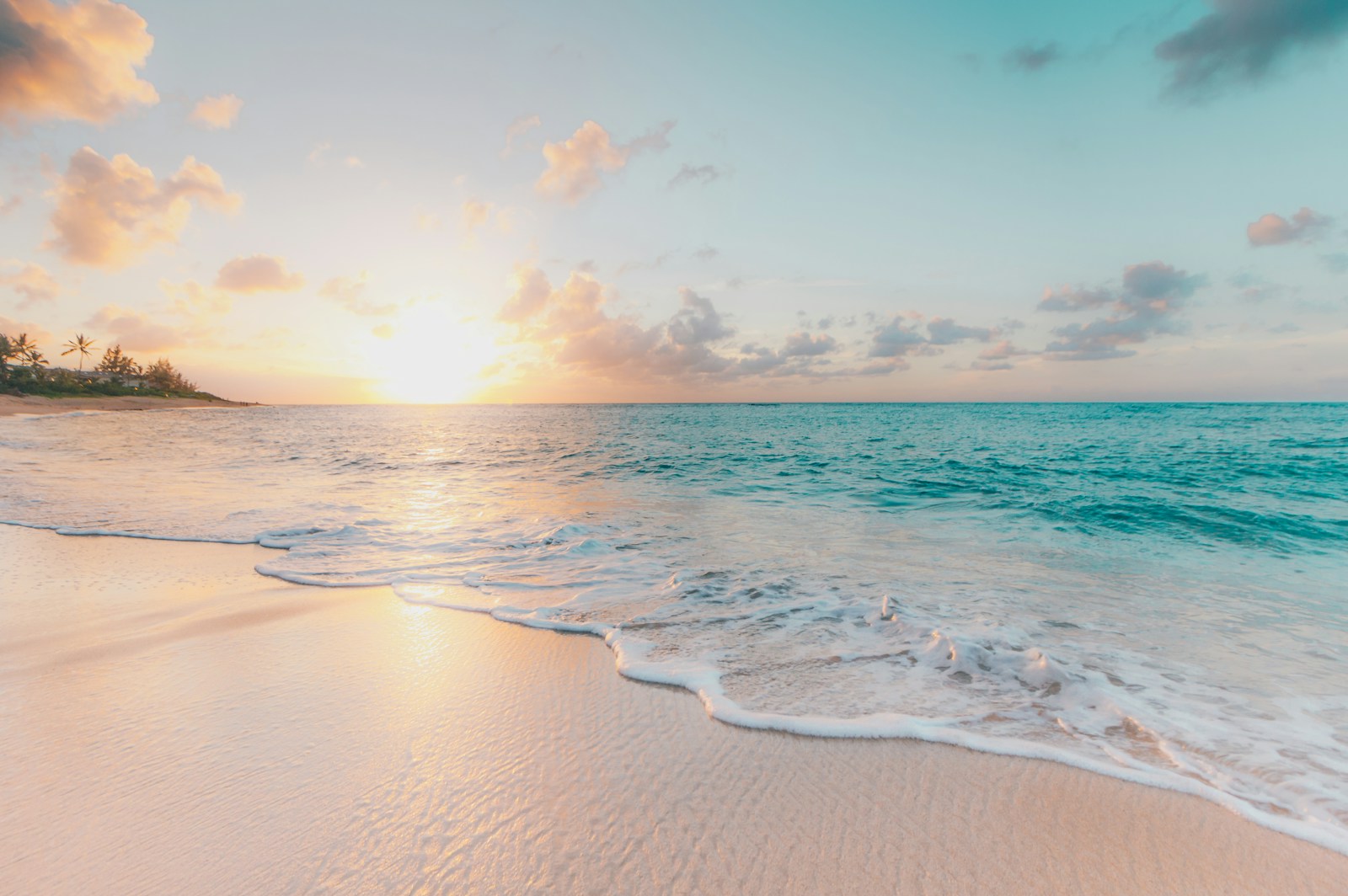
In the lagoon of Bora Bora—that storied expanse of turquoise water encircled by a barrier reef and overlooked by the dramatic peaks of Mount Otemanu and Mount Pahia—Motu Ceran occupies a quiet corner of the lagoon that offers a more intimate encounter with Polynesian marine life than the resort-developed motus on the island's more famous eastern shore. This small coral islet, fringed by coconut palms and surrounded by shallow reef where the water barely reaches waist depth, represents the essence of the South Pacific motu experience: white sand, transparent water, and a simplicity of natural beauty that renders all human embellishment superfluous.
The character of Motu Ceran is shaped by the extraordinary lagoon in which it sits. Bora Bora's lagoon, formed within the caldera of a dying volcano whose peaks still tower above the reef, is widely considered the most beautiful in the Pacific—a claim supported by the otherworldly gradients of blue and green that shift with the depth of the sandy bottom and the angle of the tropical sun. From Motu Ceran, the view across the lagoon to Mount Otemanu—a 727-meter basaltic plug whose jagged profile has graced ten thousand travel magazine covers—provides a backdrop of such visual perfection that first-time visitors frequently report a sense of disbelief.
The marine environment accessible from Motu Ceran offers snorkeling of exceptional quality in conditions of complete safety. The shallow reef flat surrounding the motu supports coral gardens where blacktip reef sharks glide through ankle-deep water with the nonchalance of creatures that have never known a threat. Giant clams in vivid blues and greens are embedded in the coral, their mantles pulsing gently in the current. Rays—both eagle rays and the larger manta rays during certain seasons—pass through the deeper channels between motus. The coral itself, while showing some effects of warming events that have affected reefs globally, retains sufficient diversity to provide snorkelers with a kaleidoscopic display of tropical marine life.
Bora Bora's broader lagoon experience extends the pleasures of Motu Ceran into a full day of Pacific indulgence. Lagoon tours by outrigger canoe or motorboat typically include stops for ray and shark feeding in the shallow sandy areas, snorkeling at the coral gardens along the barrier reef, and a motu picnic where grilled fish, poisson cru, and fresh tropical fruit are served on a beach with no other guests in sight. The island's food culture draws on both Polynesian traditions and the French culinary influence that two centuries of colonial association have embedded in the territory's DNA—the result is a cuisine where raw fish in coconut milk coexists with French wine and pâtisserie in delicious contradiction.
Motu Ceran is accessed by boat from Bora Bora's main island, typically as part of a lagoon excursion arranged through the island's resorts or local tour operators. Bora Bora is reached by Air Tahiti flights from Papeete on Tahiti (approximately fifty minutes) or by inter-island cruise vessel. The dry season from May through October offers the most comfortable conditions, with lower humidity and reduced rainfall. Water temperatures remain warm year-round (26-28 degrees Celsius), making the lagoon swimmable in every season. The peak tourist season from June through August coincides with the European and North American summer holidays, and accommodation throughout Bora Bora should be booked well in advance during this period.

