In the remote southern reaches of the Marquesas Islands, far from the tourist circuits of Tahiti and Bora Bora, Tahuata is the smallest inhabited island in the archipelago — and arguably the most beautiful, its volcanic peaks and hidden bays preserving a Polynesian authenticity that few places in French Polynesia can still claim. With barely seven hundred residents scattered across four villages, Tahuata maintains a way of life shaped more by the rhythms of ocean and garden than by the demands of modernity. The island is just twelve kilometers long and nine wide, yet within this compact geography it concentrates some of the finest beaches in the Marquesas, a living tradition of Polynesian woodcarving and tattooing, and a landscape of such dramatic beauty that Herman Melville, Robert Louis Stevenson, and Thor Heyerdahl all fell under its spell.
Tahuata holds a singular place in the history of European contact with Polynesia. The Spanish explorer Álvaro de Mendaña de Neira landed here in 1595, making it one of the first islands in the eastern Pacific to be visited by Europeans — and one of the sites of the earliest violent encounters between Pacific islanders and European colonizers. The Bay of Vaitahu, where Mendaña anchored and where confrontation led to the deaths of some two hundred Marquesans, now presents a scene of gentle beauty — a deep blue harbor backed by steep green mountains, with a church, a small museum, and the unhurried activity of village life proceeding as it has for generations since the trauma of first contact.
The artistic traditions of Tahuata represent the living heart of Marquesan culture. The island's woodcarvers are renowned throughout French Polynesia for their skill, producing tikis, ceremonial clubs, and decorative bowls from local tamanu, rosewood, and toa hardwoods using techniques passed down through generations. Marquesan tattooing — the art form that gave the English language the word "tattoo" — maintains its strongest traditional practice in the Marquesas, with designs that encode personal history, genealogy, and spiritual identity in geometric patterns of extraordinary complexity. The community cultural center in Vaitahu preserves and displays both traditional and contemporary Marquesan art, providing context for understanding how these practices connect to the broader Polynesian cultural continuum.
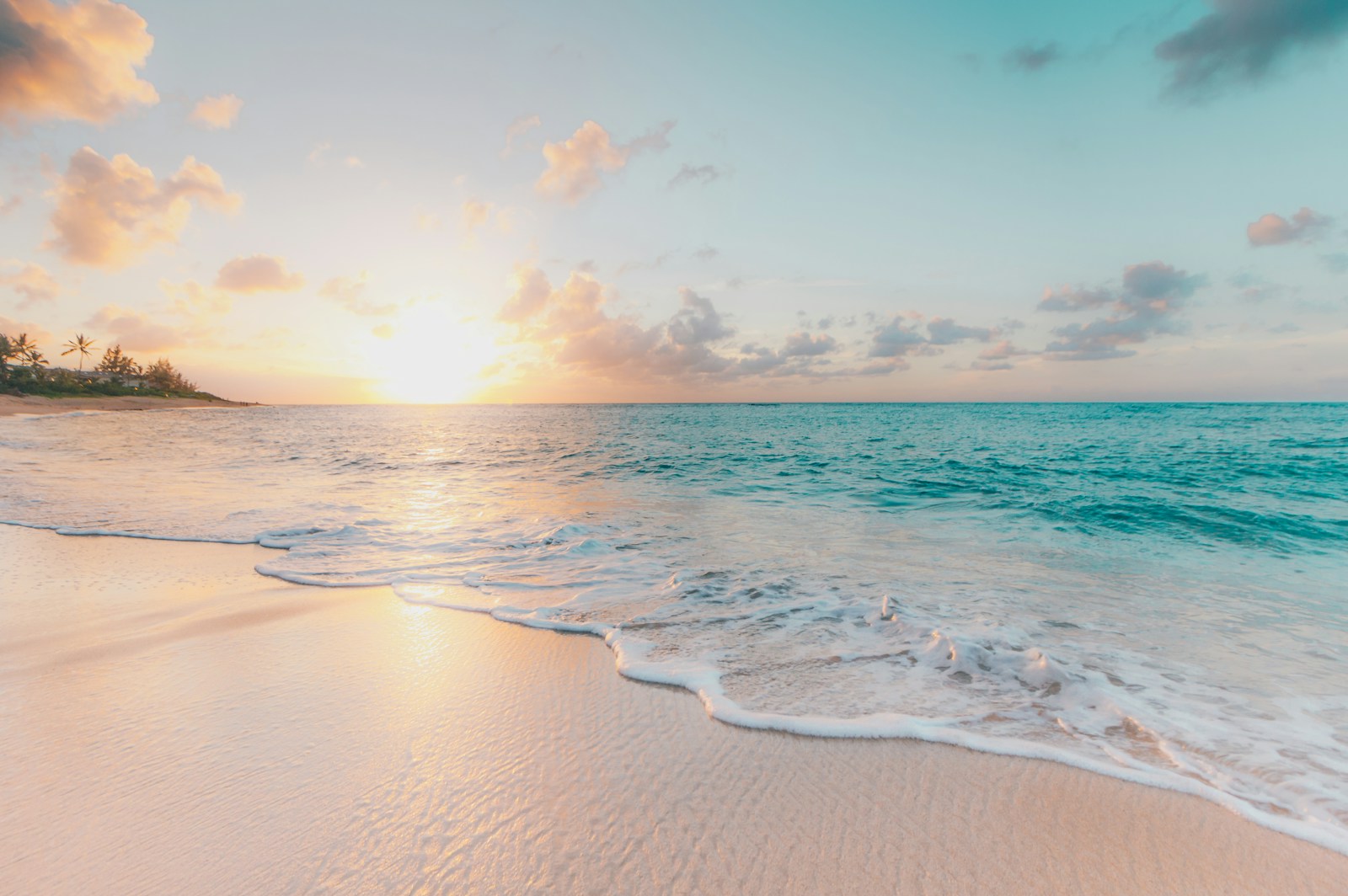
The natural beauty of Tahuata centers on its western coast, where a series of bays and beaches present some of the most spectacular swimming and snorkeling in the Marquesas. Hanamoenoa Bay, with its crescent of white sand and crystal-clear water protected by rocky headlands, is frequently cited as the most beautiful beach in the archipelago. Manta rays frequent the bays with remarkable regularity, their graceful movements through the clear water providing snorkeling encounters that rank among the most magical in the Pacific. The interior of the island, accessible by rough tracks, reveals a landscape of tropical forest, volcanic ridges, and archaeological sites — stone platforms, petroglyphs, and ceremonial grounds — that trace the island's Polynesian heritage back over a thousand years.
Silversea includes Tahuata in its French Polynesia and Marquesas expedition itineraries, with vessels anchoring in Vaitahu Bay or Hanamoenoa and tendering to shore. The season runs year-round, though the dry season from May through October offers the most comfortable conditions and the best visibility for snorkeling with manta rays. Nearby Hiva Oa — where Paul Gauguin and Jacques Brel both chose to spend their final years — and the broader Marquesas archipelago provide further dimensions of Polynesian exploration. Tahuata rewards visitors who appreciate the distinction between tourism and genuine cultural encounter — here, in one of the most remote inhabited places on earth, that encounter remains authentic, unhurried, and profoundly moving.

