Rostock, the historic Hanseatic port on Germany's Baltic coast, serves as the maritime gateway to Berlin — the nation's capital lying two hundred kilometres to the south. But Rostock itself deserves more than a passing glance on the way to the train. This city of over two hundred thousand inhabitants carries eight centuries of maritime heritage in its Gothic brick churches, its medieval harbour, and its university — founded in 1419, the oldest in Northern Europe — while its seaside district of Warnemünde offers one of the finest Baltic beach experiences in Germany.
Warnemünde, where cruise ships berth at the modern terminal, is a village-turned-resort at the mouth of the River Warnow. Its lighthouse, dating to 1898, guards a harbour still busy with fishing boats that land the daily catch — herring, cod, and the renowned Warnemünder fischbrötchen (fish sandwiches) that are sold from stalls along the pier. The beach stretches for three kilometres of fine white sand, backed by a promenade of elegant villas from the Wilhelmine era when Warnemünde became fashionable with the Prussian bourgeoisie. In summer, striped Strandkörbe (beach chairs) march in orderly rows across the sand — a uniquely German beach tradition.
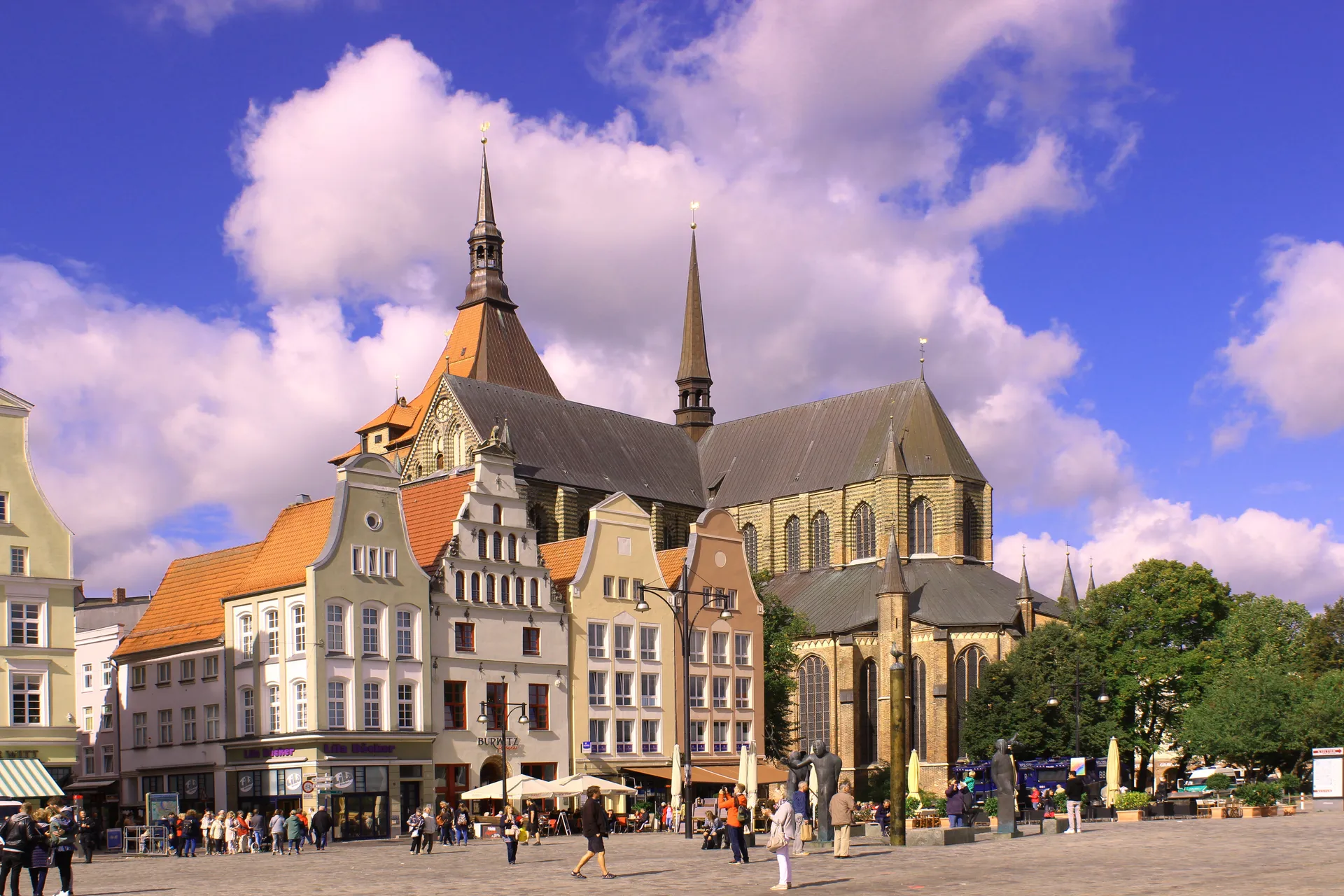
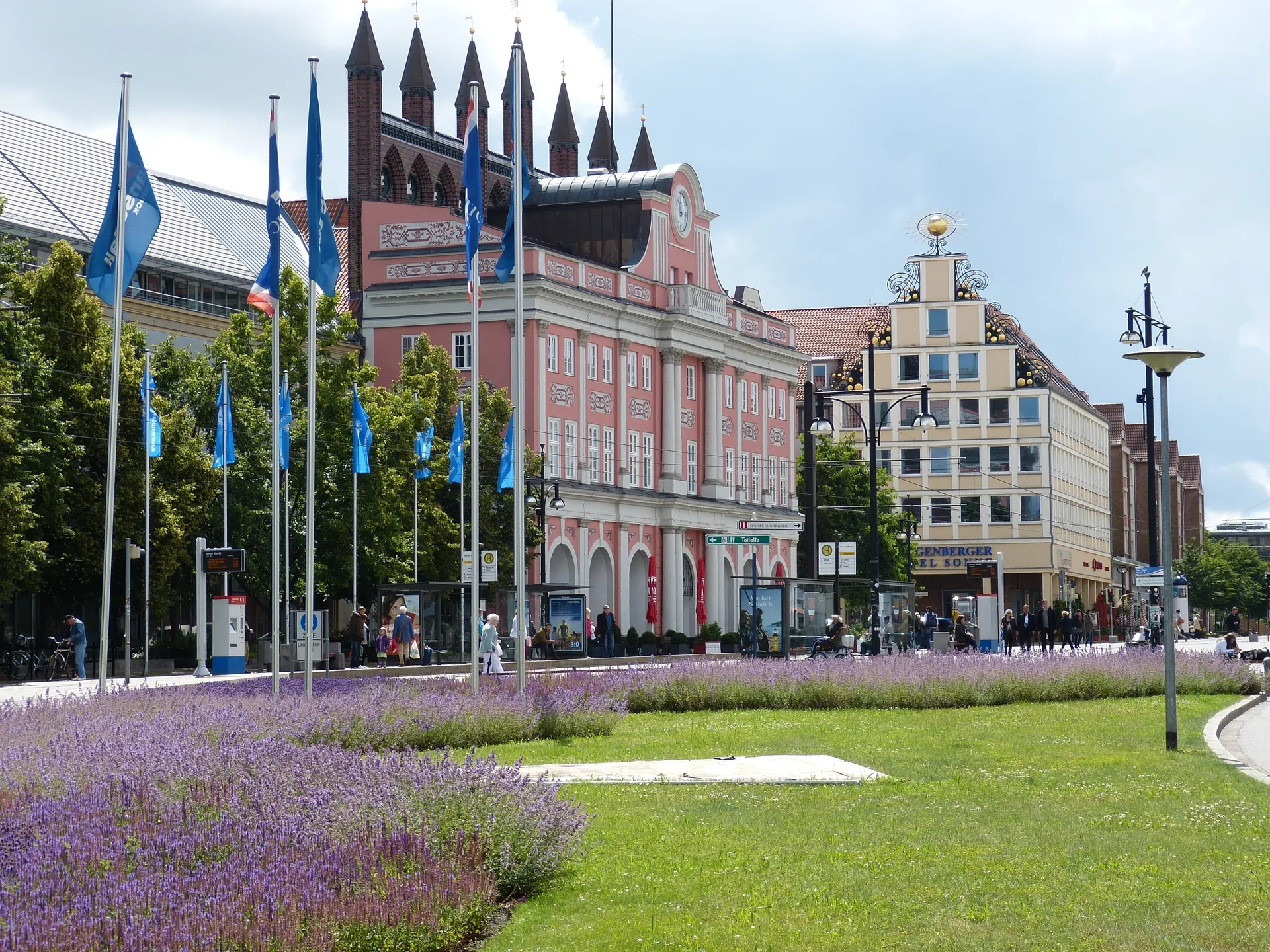
Rostock's Altstadt (Old Town) was heavily damaged during World War II but has been substantially restored. The Marienkirche, a masterpiece of North German Gothic brick architecture, dominates the skyline with its massive tower and houses a remarkable astronomical clock dating to 1472. The Kröpeliner Straße, the main pedestrian thoroughfare, is lined with restored gabled houses, shops, and cafes. The harbour area around the Stadthafen has been revitalized into a promenade of restaurants, bars, and cultural venues, while the city's shipbuilding heritage is celebrated at the Schiffbau- und Schifffahrtsmuseum.
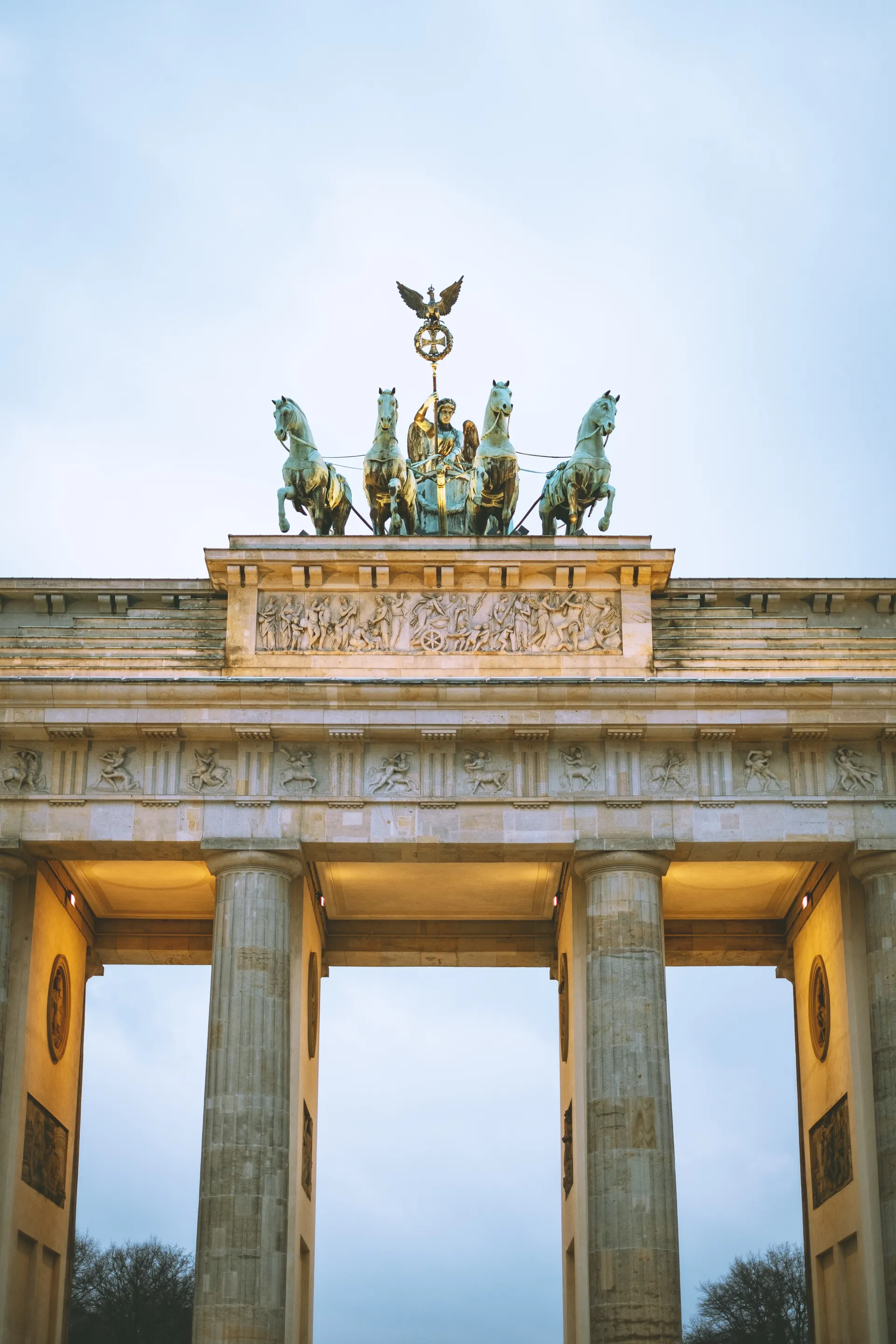
Berlin, accessible by train from Rostock in approximately two and a half hours, needs little introduction. The city's density of world-class museums — Museum Island alone houses the Pergamon Altar, the Ishtar Gate, and the Bust of Nefertiti — is matched only by its vibrant contemporary culture. The Brandenburg Gate, the East Side Gallery (the longest surviving section of the Berlin Wall), and the sobering Holocaust Memorial chart the city's complex twentieth-century history. Berlin's food scene ranges from traditional Currywurst stands to Michelin-starred restaurants, and its nightlife remains legendary.
Rostock-Warnemünde's cruise terminal is one of the most modern on the Baltic, with direct rail connections to both Rostock city centre and Berlin. The Baltic coast is at its best from May through September, with July and August offering the warmest beach weather. Spring and autumn provide more comfortable temperatures for city exploration. Whether you spend your day in Warnemünde's seaside charm, Rostock's Hanseatic heritage, or Berlin's inexhaustible cultural riches, this port offers a remarkable range of experiences from a single berth.