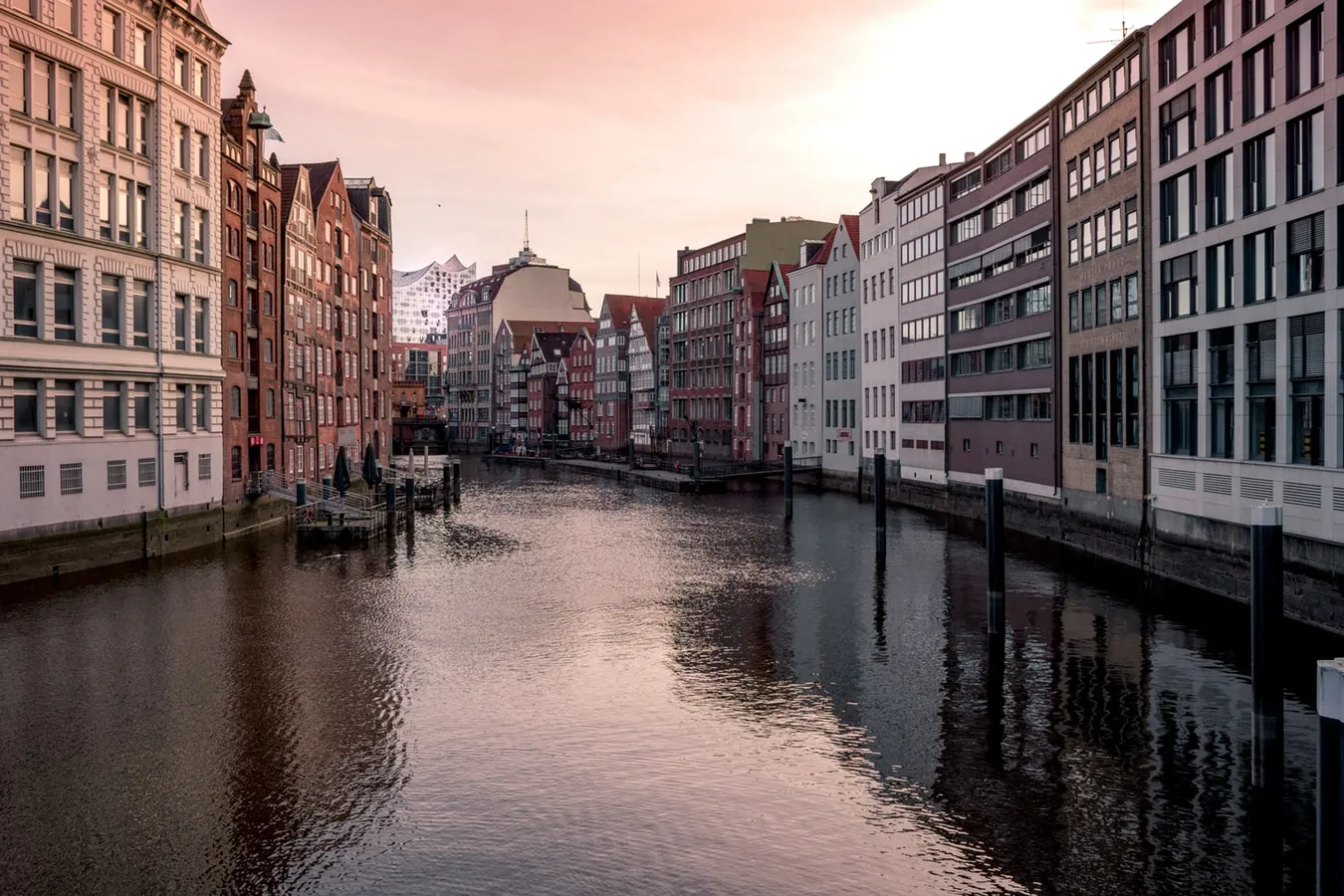
Hamburg's story begins with Charlemagne's construction of the Hammaburg fortress in the ninth century, establishing a bridgehead for Christianity's advance into Scandinavia and the Slavic east. By the thirteenth century, the city had become a founding member of the Hanseatic League, the powerful trading confederation that dominated northern European commerce for three hundred years. Though Allied firebombing devastated much of the city in 1943, Hamburg rebuilt with characteristic pragmatism and flair, and today Germany's second-largest city is a maritime metropolis where red-brick warehouses, cutting-edge architecture, and the ceaseless activity of Europe's third-busiest port compose a restlessly creative urban symphony.
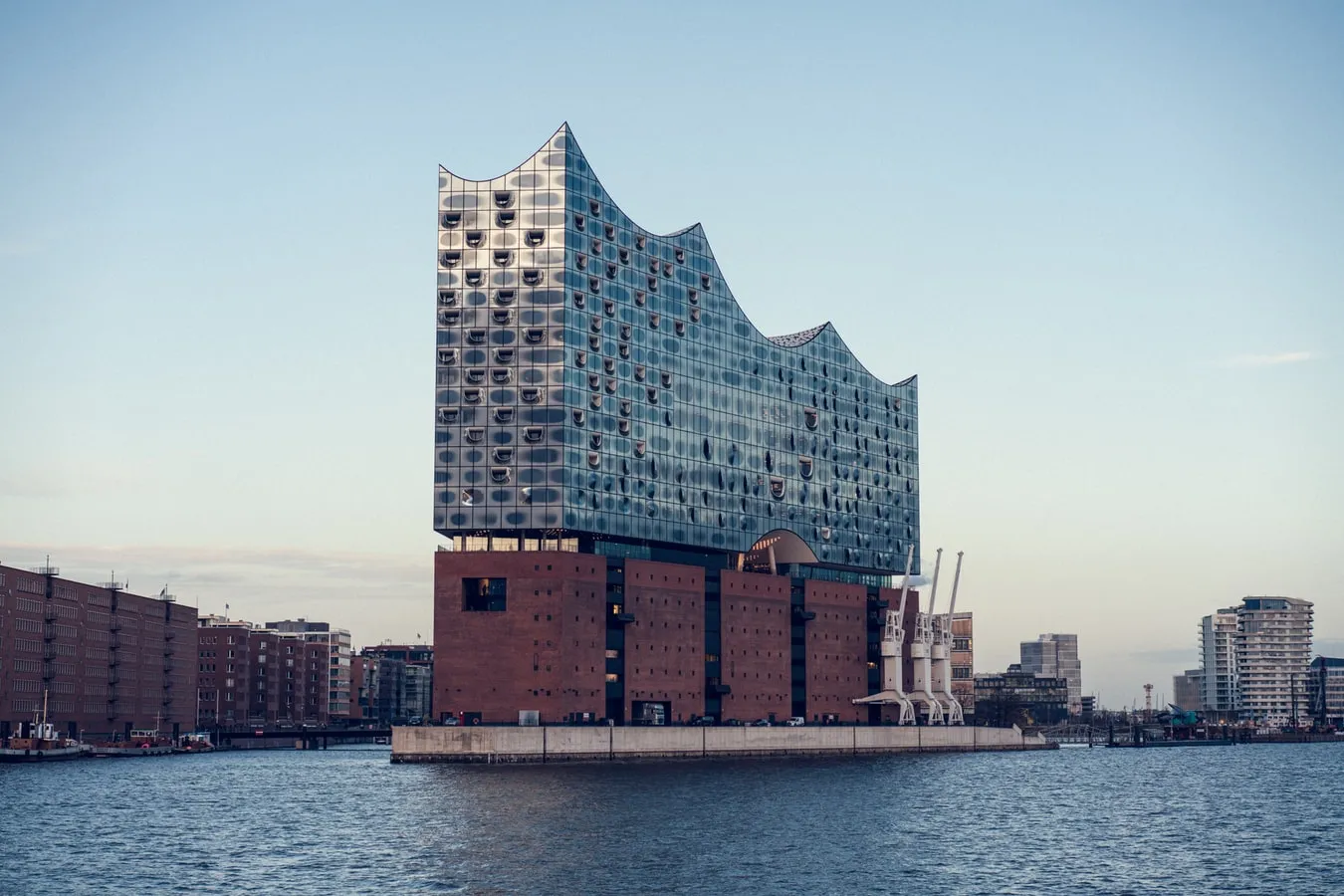
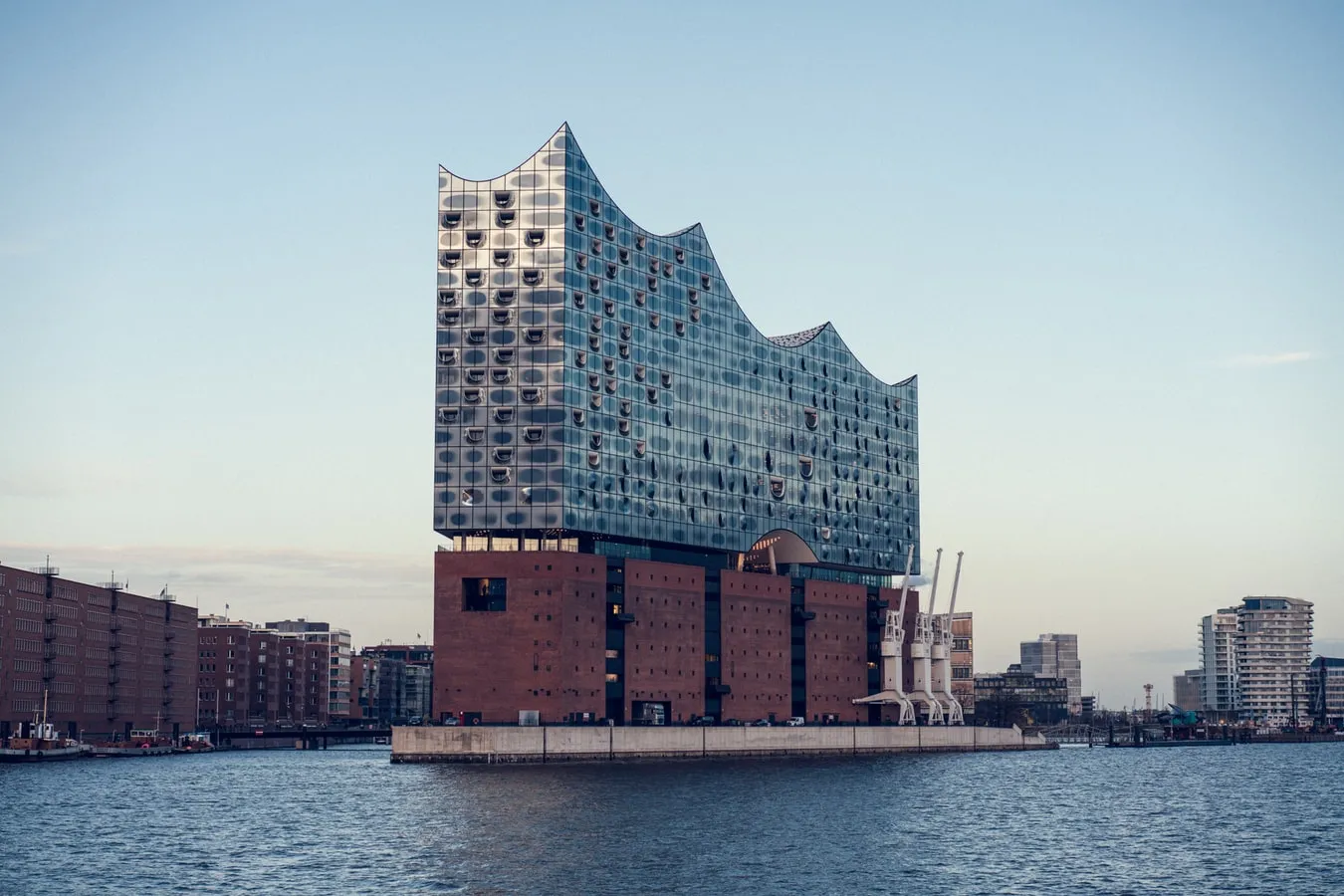
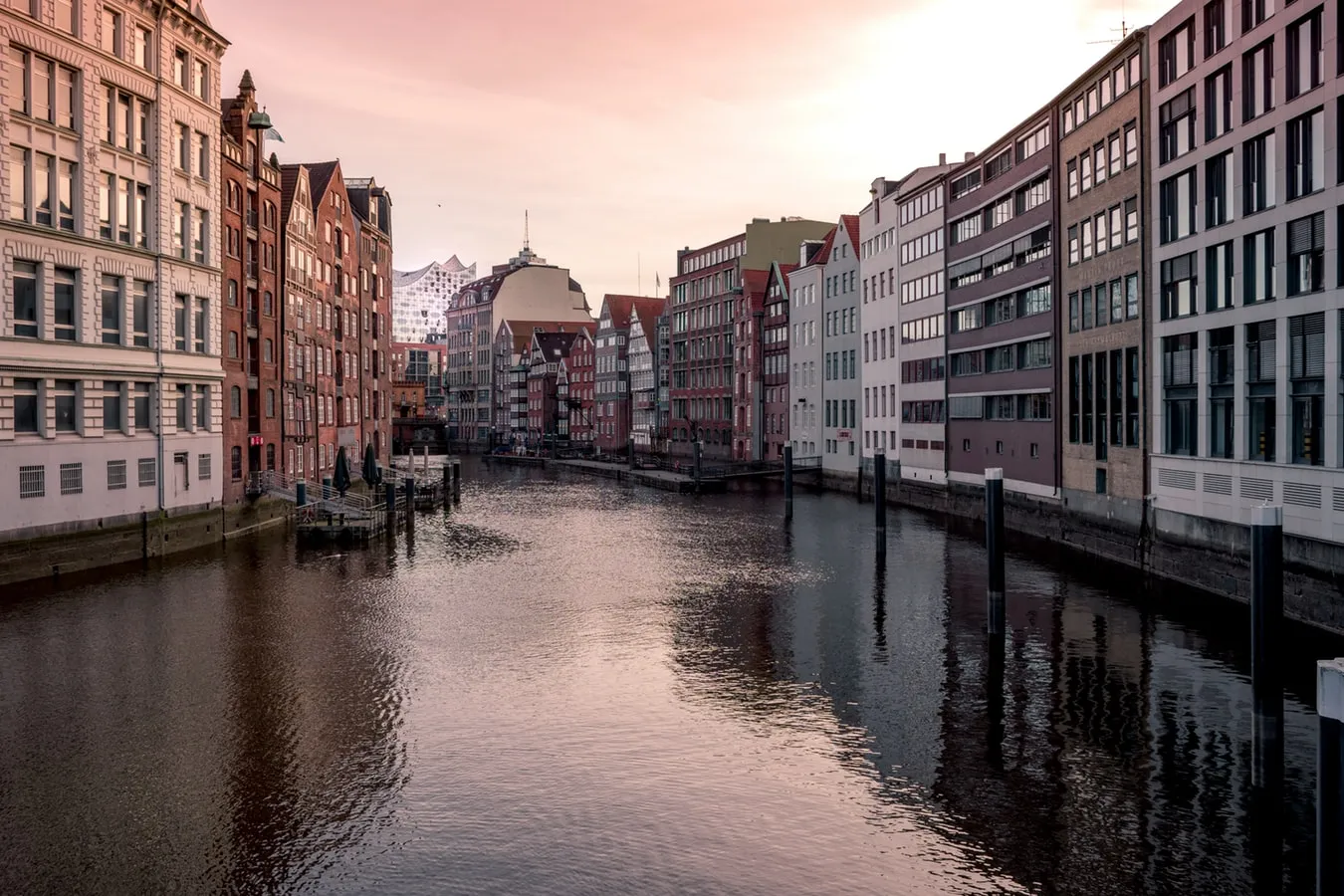
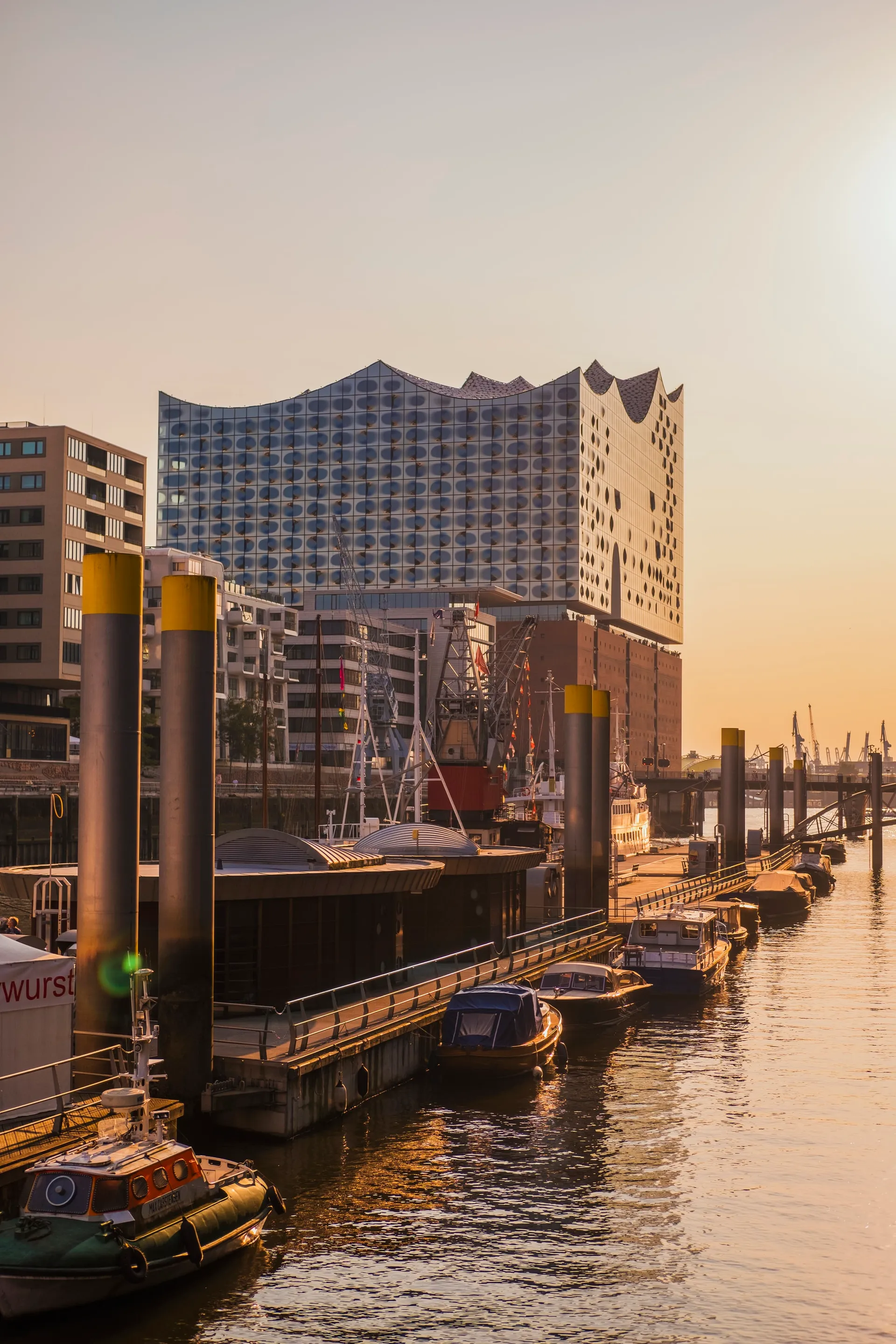
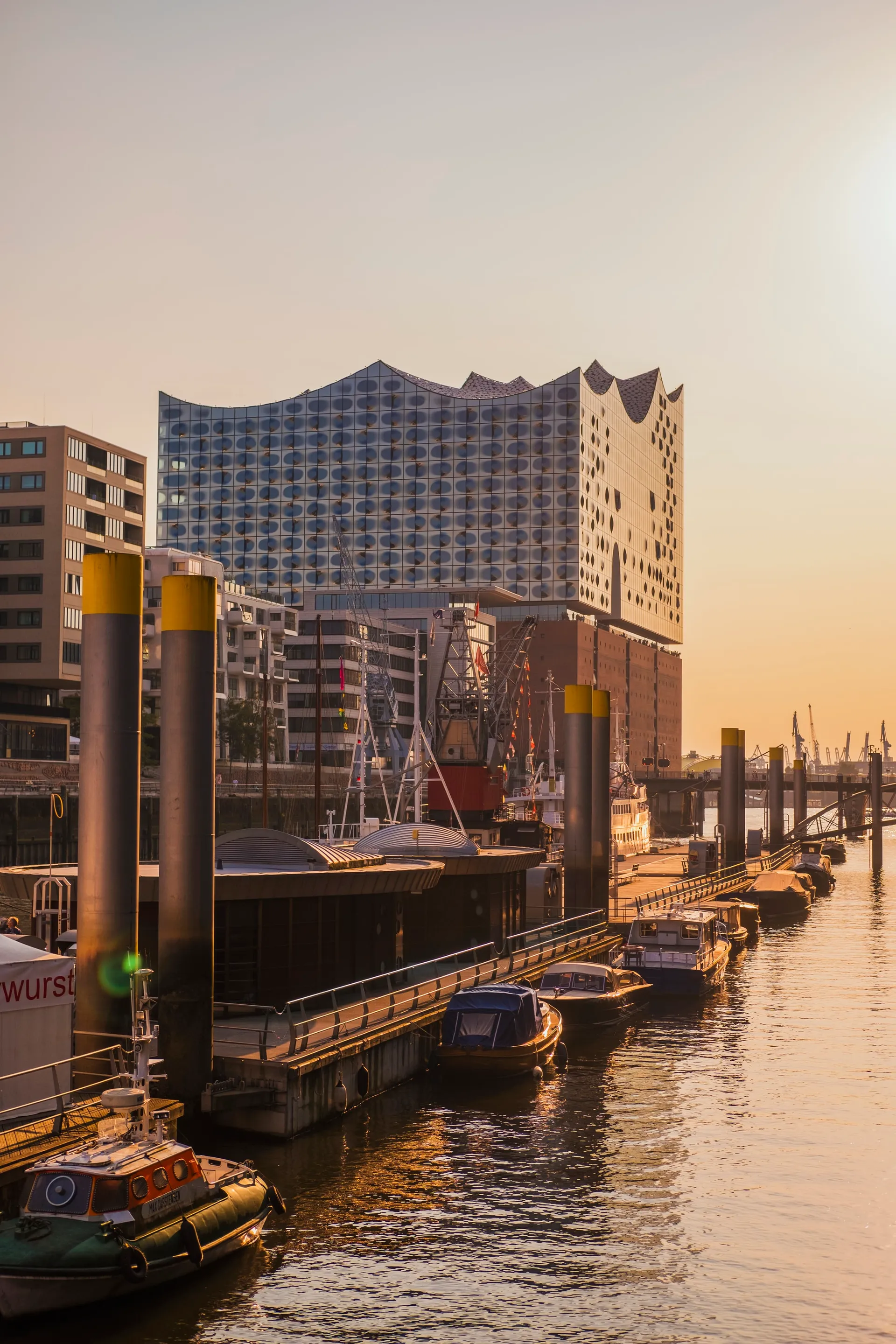
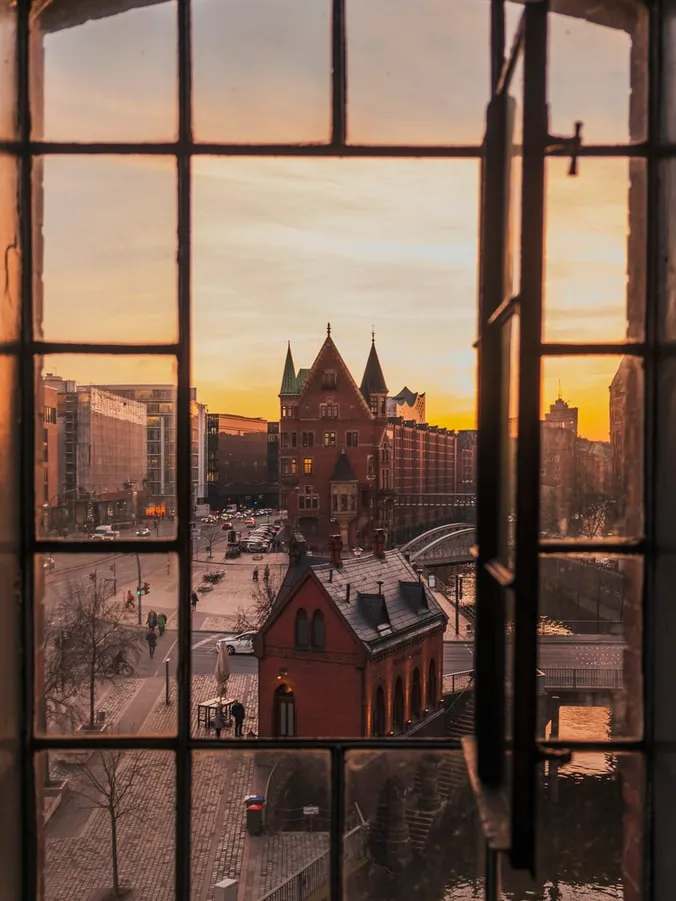
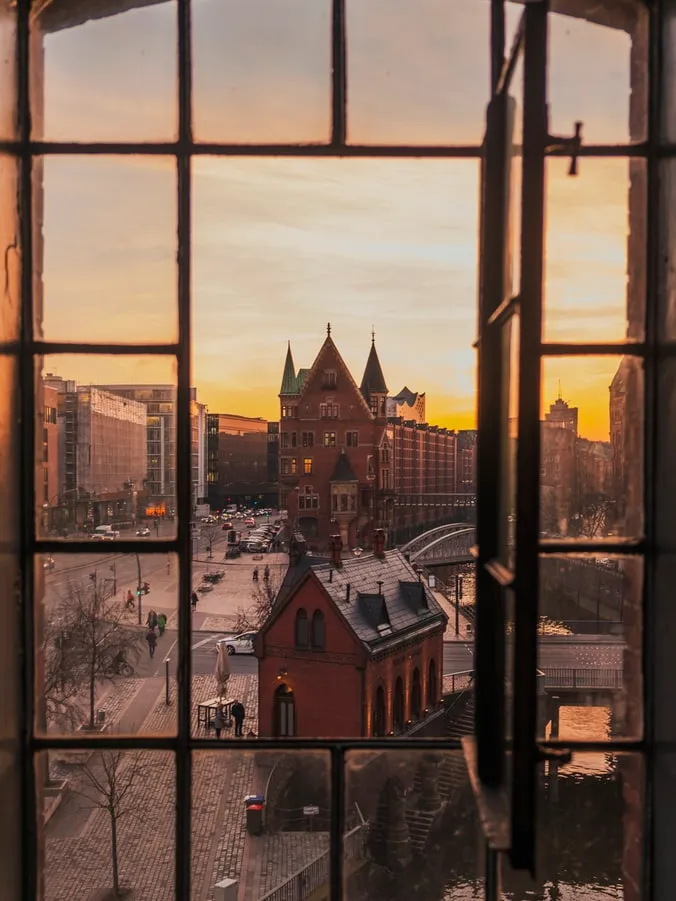
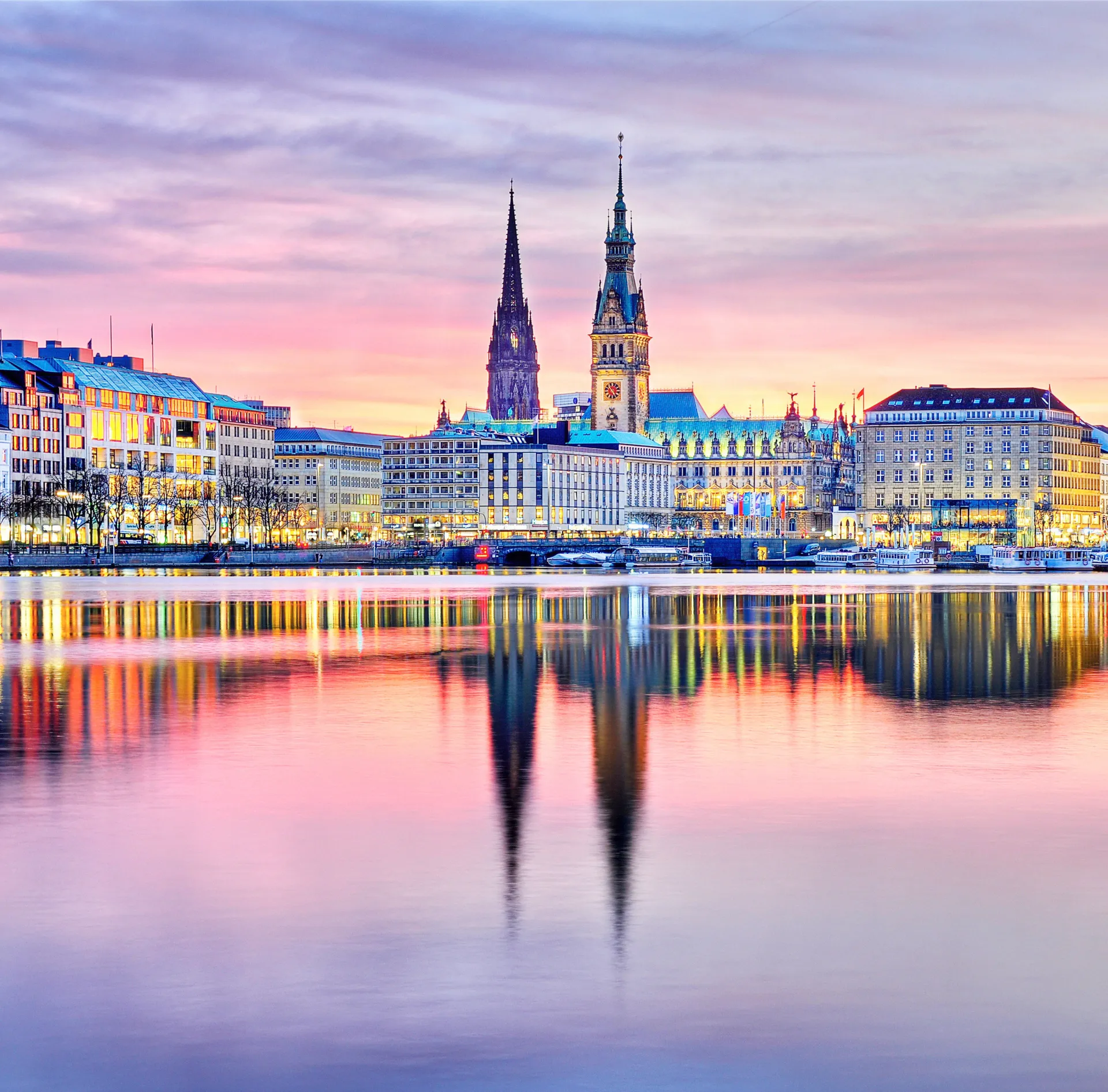
The Speicherstadt, the world's largest warehouse district built on timber-pile foundations, is a UNESCO World Heritage Site of neo-Gothic red-brick grandeur stretching along narrow canals. Immediately adjacent, the HafenCity development — Europe's largest inner-city urban renewal project — culminates in the Elbphilharmonie, a concert hall designed by Herzog & de Meuron whose undulating glass crown atop a 1960s warehouse has become Hamburg's defining landmark. The Alster Lakes, twin bodies of water at the city's heart, lend an almost Scandinavian serenity, their banks lined with grand villas, sailing clubs, and café terraces.
Hamburg's culinary identity is anchored in the harbor. The Fischmarkt, held every Sunday morning since 1703, is a raucous celebration where fishmongers auction their wares in theatrical German, and where Aalsuppe (eel soup), Labskaus (a mariner's hash of corned beef, beetroot, and potatoes topped with rollmops and a fried egg), and Finkenwerder Scholle (plaice baked with bacon and shrimp) represent centuries of North Sea culinary tradition. The Portugiesenviertel along Ditmar-Koel-Strasse hums with Portuguese restaurants — a legacy of the Iberian sailors who settled here — serving bacalhau and grilled sardines. For something sweeter, Franzbrötchen, Hamburg's signature cinnamon pastry, is available at bakeries citywide.
Day trips from Hamburg reveal northern Germany's diversity. Lübeck, the former queen of the Hanseatic League, lies just an hour northeast, its medieval old town of gabled merchant houses a UNESCO World Heritage gem famous for Niederegger marzipan. The North Sea island of Sylt, reachable by train in three hours, offers dune-backed beaches, Michelin-starred restaurants, and bracing winds. Closer to home, the Altes Land — Europe's largest contiguous fruit-growing region — spreads along the Elbe's southern bank with cherry and apple orchards that blaze white with blossoms each May.
Hamburg is both a turnaround port and a major port of call for northern European and transatlantic itineraries. AIDA, Ambassador Cruise Line, Azamara, Costa Cruises, Crystal Cruises, Cunard, Explora Journeys, Fred Olsen Cruise Lines, Hapag-Lloyd Cruises, Hurtigruten, HX Expeditions, MSC Cruises, Norwegian Cruise Line, Oceania Cruises, P&O Cruises, Princess Cruises, Regent Seven Seas Cruises, Royal Caribbean, Seabourn, TUI Cruises Mein Schiff, Virgin Voyages, and VIVA Cruises all operate from or call at the city's cruise terminals. The season stretches from April through October, with the longest and warmest days in June and July — ideal for strolling the Speicherstadt canals and catching an open-air concert at the Elbphilharmonie Plaza.