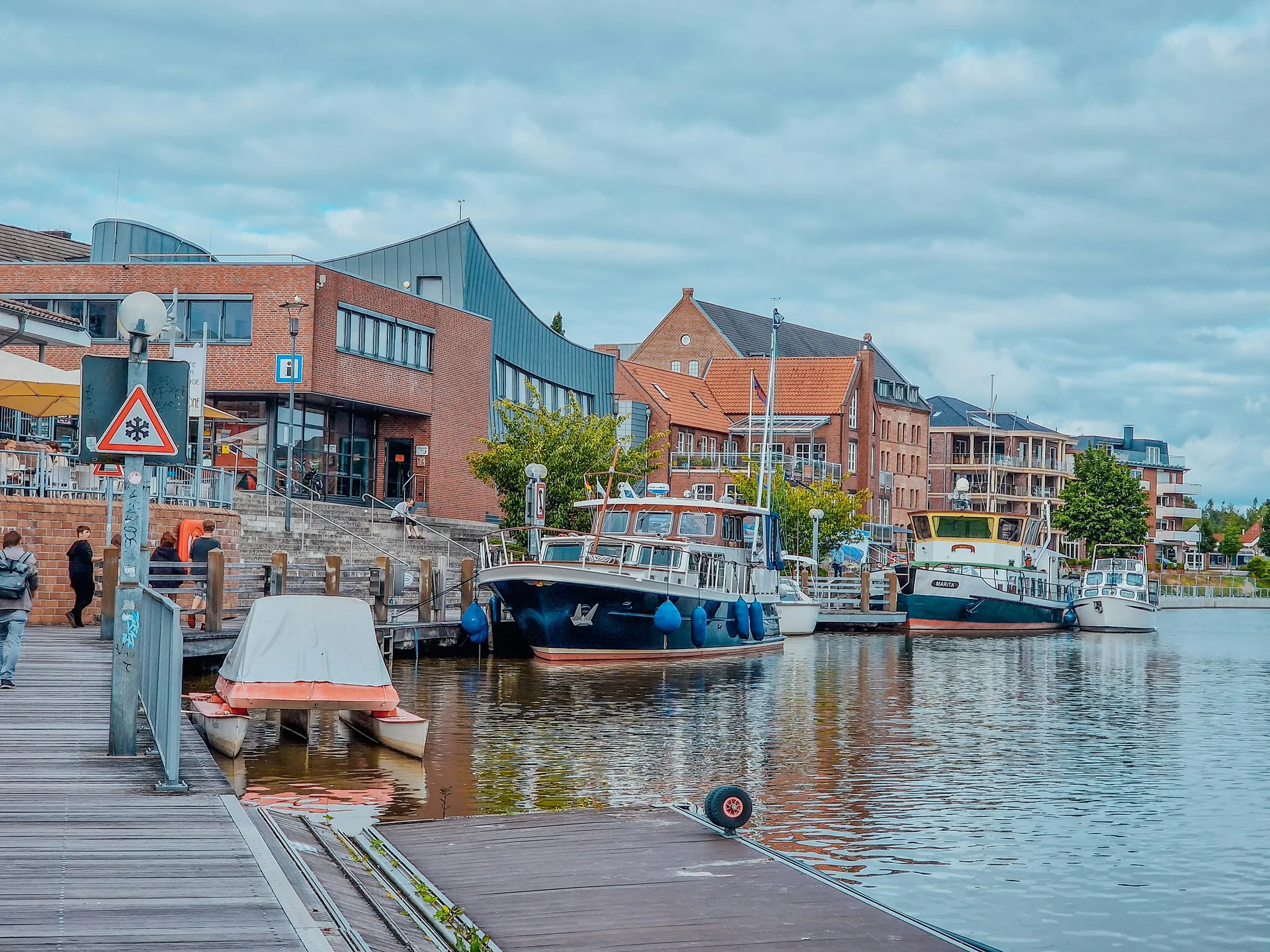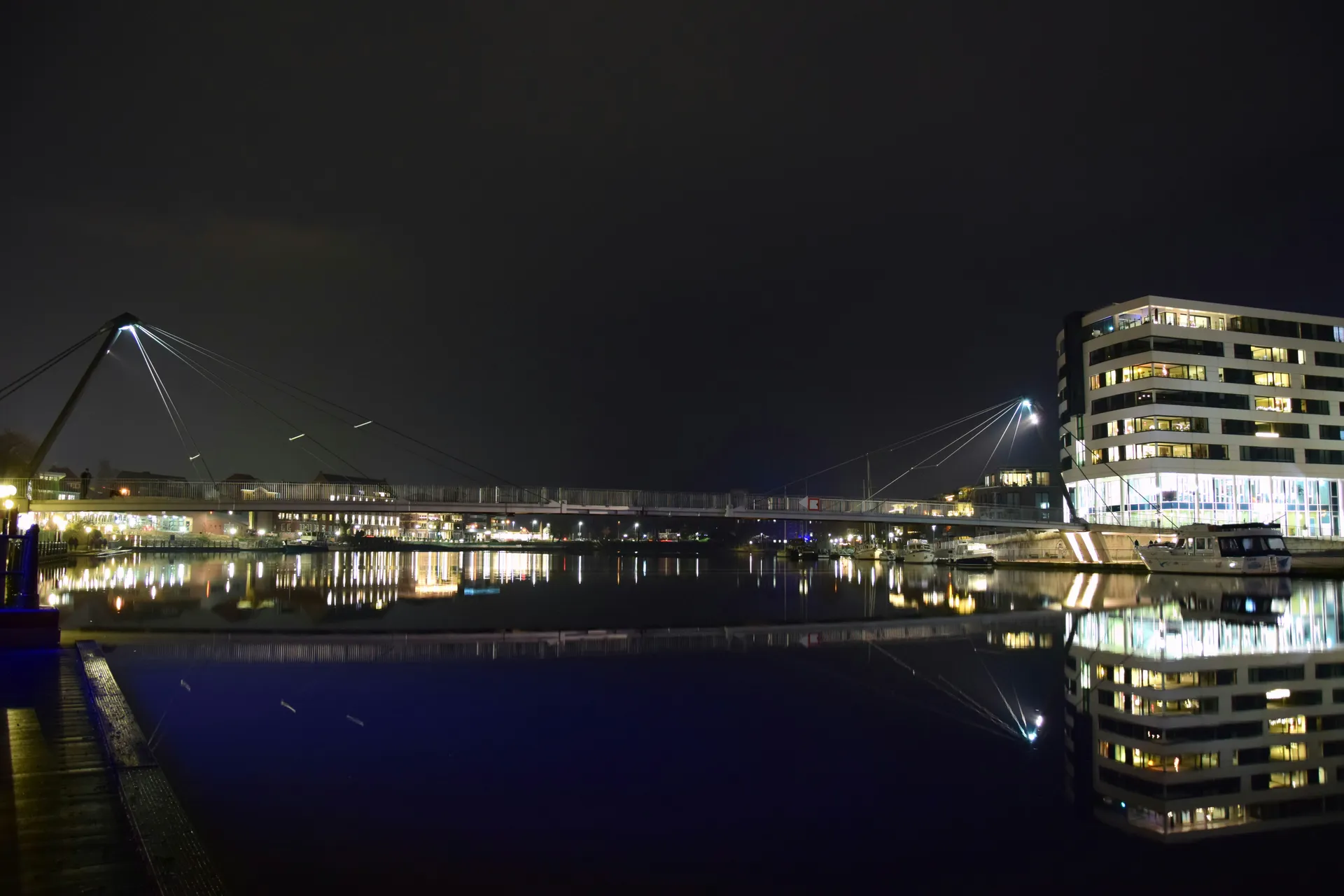
At the confluence of the Leda and Ems rivers in the far northwest corner of Germany, barely twenty kilometres from the Dutch border, the harbour town of Leer has been welcoming seafarers, traders, and travellers for the better part of a millennium. Known as the gateway to East Frisia, this town of thirty-five thousand residents possesses one of the most atmospheric old harbours in Northern Germany — a crescent of Dutch-influenced gabled houses reflected in the still waters of the Leda, their facades painted in the earthy reds, ochres, and creams that characterize the architectural palette of the Frisian coast. Leer's prosperity was built on trade, shipping, and the tea that East Frisians consume in greater quantities per capita than any other people on Earth.
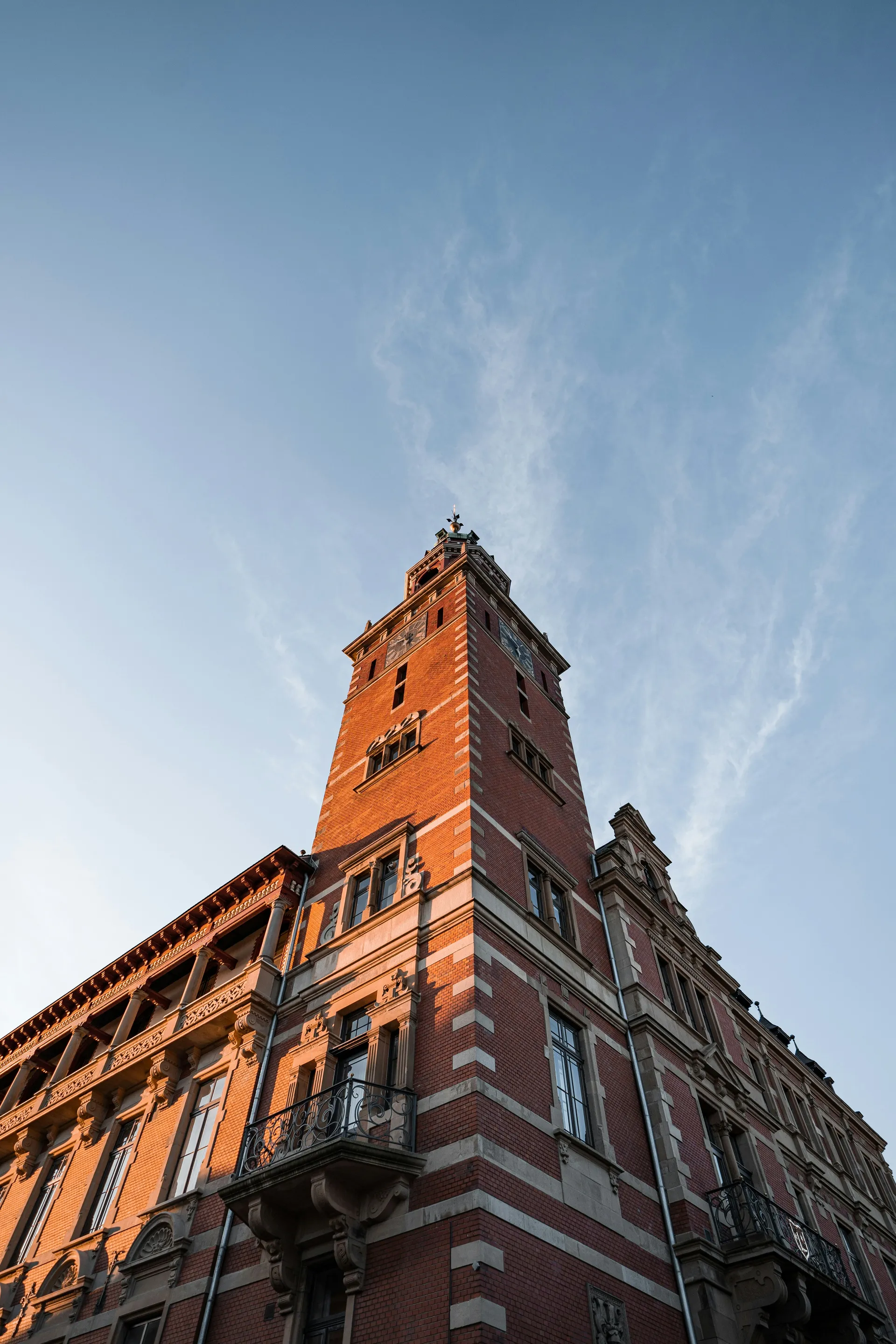
Leer's character is unmistakably Frisian — a cultural identity that sits at the crossroads of German and Dutch influence, maritime tradition, and a fierce attachment to local customs. The Altstadt clusters around the Waage, the historic weigh house where goods were measured for tax, and the Rathaus with its elegant Renaissance facade. The harbour itself, lined with beautifully restored merchants' houses and converted warehouses, serves as both marina and living museum of North Sea trading culture. The Heimatmuseum traces the region's maritime history, while the Teemuseum — one of a kind in Germany — celebrates East Frisia's extraordinary tea culture, a UNESCO-recognized intangible heritage.
East Frisian tea culture is central to understanding Leer and its region. The people of East Frisia drink more tea per person than any other population in the world — over three hundred litres per year, a figure that dwarfs even the British. The ritual is precise and unchanging: strong Assam-based black tea is poured over a chunk of rock sugar placed in a delicate porcelain cup, then topped with a spoonful of cream that is never stirred, creating three layers of flavour meant to be sipped from the top. Beyond tea, the local cuisine features smoked eel from the rivers, fresh North Sea shrimp, and Grunkohl mit Pinkel — curly kale with smoked sausage, the definitive winter dish of the North German coast.
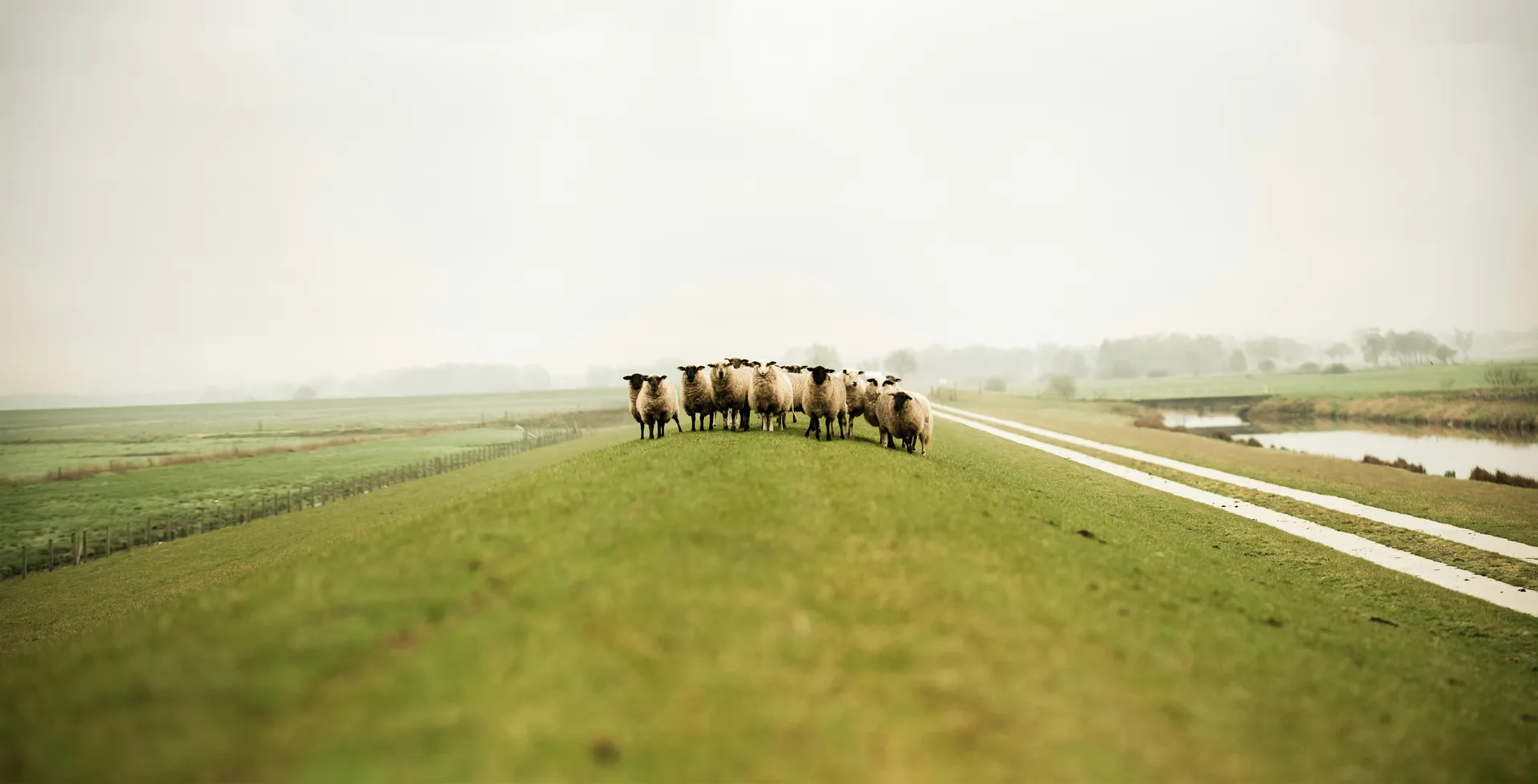
From Leer, the East Frisian landscape unfolds with the understated beauty typical of Northern Europe's coastal lowlands. The East Frisian Islands — Borkum, Juist, Norderney, and their siblings — arc along the coast, their long sandy beaches and dune systems accessible by ferry. The Dollart, a large bay at the Ems estuary, offers birdwatching of international significance. The city of Emden lies minutes to the north, while the Dutch city of Groningen is less than an hour's drive across the border.
Leer is accessible by river cruise along the Ems, by train from Bremen and Hamburg, or by road. The town's compact centre is easily explored on foot in a few hours. The best months to visit are May through September, when the harbour terraces are open, though the East Frisian tea ritual is arguably most satisfying on a grey autumn afternoon when the wind blows in from the North Sea.