Ludwigshafen am Rhein owes its existence to a Bavarian king's ambition: Ludwig I of Bavaria established the settlement in 1843 as a Rhine trading post opposite the prosperous city of Mannheim, and within decades it had grown into one of Germany's principal industrial centers. BASF, the world's largest chemical company, was founded here in 1865 and remains the city's defining presence — its sprawling complex on the Rhine's west bank is the largest integrated chemical site on earth. Yet the story of Ludwigshafen is older than industry: the Palatinate region surrounding the city was the heartland of the Electors Palatine, whose Renaissance court at Heidelberg Castle, just twenty minutes upriver, was among the most cultured in Europe.
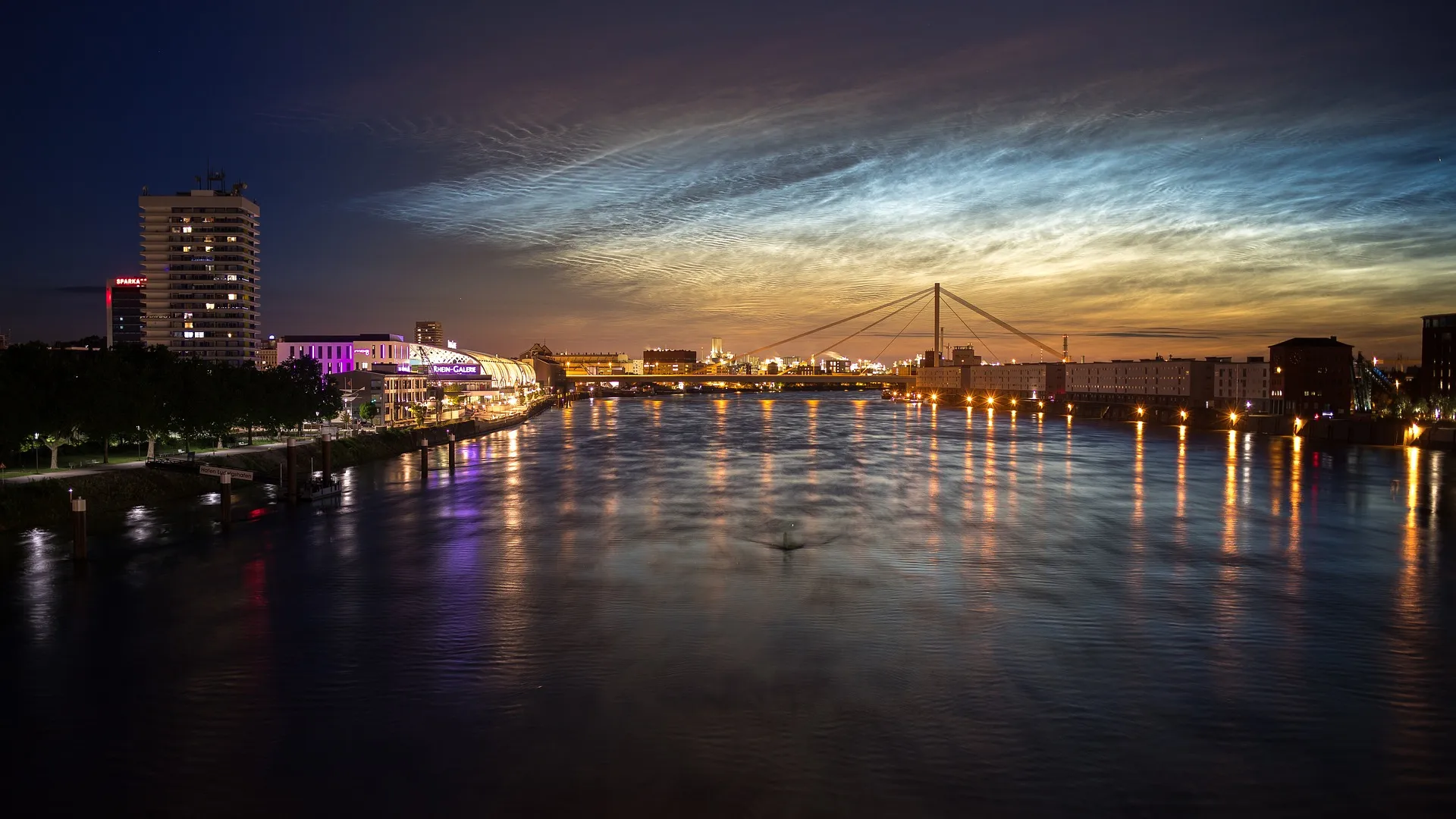
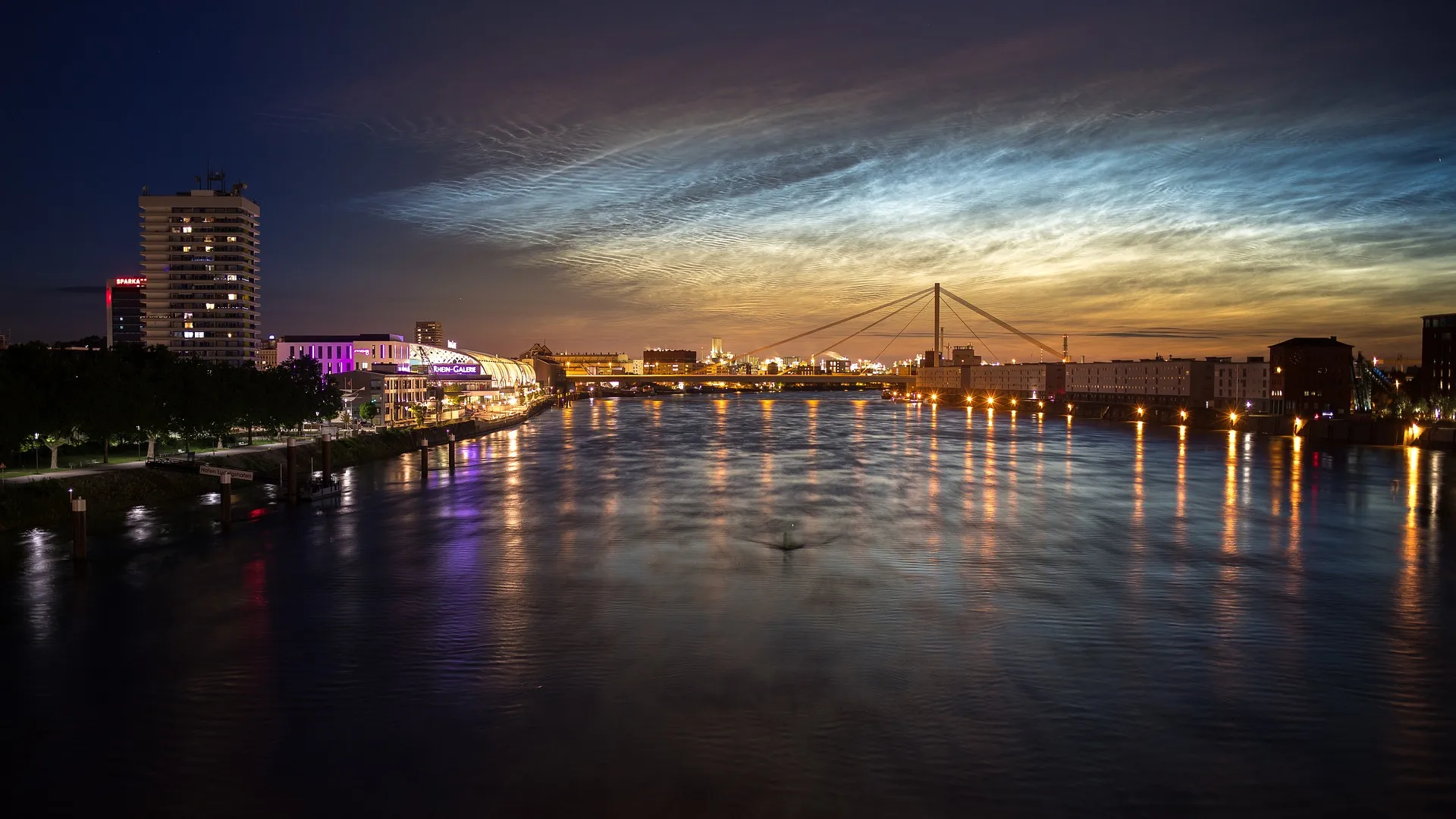
Though Ludwigshafen was heavily bombed during World War II and rebuilt in utilitarian postwar fashion, it has pockets of genuine charm. The Rhein-Galerie, a modern shopping and leisure complex on the waterfront, offers sweeping views across the river to Mannheim's baroque palace — one of the largest in Europe. The Wilhelm-Hack-Museum houses an important collection of modern art, its façade adorned with a monumental ceramic mural by Joan Miró. The Ebertpark, a landscaped garden created for the 1925 South German Horticultural Exhibition, provides a green refuge with a tower offering panoramic views of the Rhine Valley and the Palatinate hills beyond.
The Palatinate is one of Germany's premier wine and food regions. Saumagen, the region's signature dish — pig's stomach stuffed with potatoes, pork, and spices — was famously the favorite dish of Chancellor Helmut Kohl, a Ludwigshafen native who served it to world leaders. Pfälzer Leberwurst (liver sausage), Dampfnudeln (steamed yeast dumplings served with vanilla sauce or potato soup), and Flammkuchen (Alsatian-style flatbread with crème fraîche, onions, and bacon) define the region's hearty palate. The Deutsche Weinstraße (German Wine Route), the world's oldest wine route, begins just south of the city, winding through eighty kilometers of Riesling, Dornfelder, and Spätburgunder vineyards.
Heidelberg, one of Germany's most romantic cities, lies a short thirty-minute journey upstream. The ruined castle overlooking the Neckar River, the baroque old town, and the country's oldest university (founded in 1386) make it an essential day trip. Mannheim, directly across the Rhine and connected by bridge, offers the Technoseum science museum, the Luisenpark (one of Germany's finest urban parks), and a vibrant multicultural dining scene. Speyer, thirty minutes south, boasts a Romanesque cathedral — a UNESCO World Heritage Site — that houses the tombs of eight Holy Roman Emperors.
Ludwigshafen is served by river cruise lines navigating the Rhine. AmaWaterways, Avalon Waterways, Emerald Cruises, and VIVA Cruises include this port on itineraries between Basel and Amsterdam. Nearby stops include Rüdesheim, Strasbourg, and Mainz. The Rhine cruise season runs from April through October, with late spring and early autumn offering the most pleasant weather for exploring the Palatinate's vineyards and the storybook university town of Heidelberg.