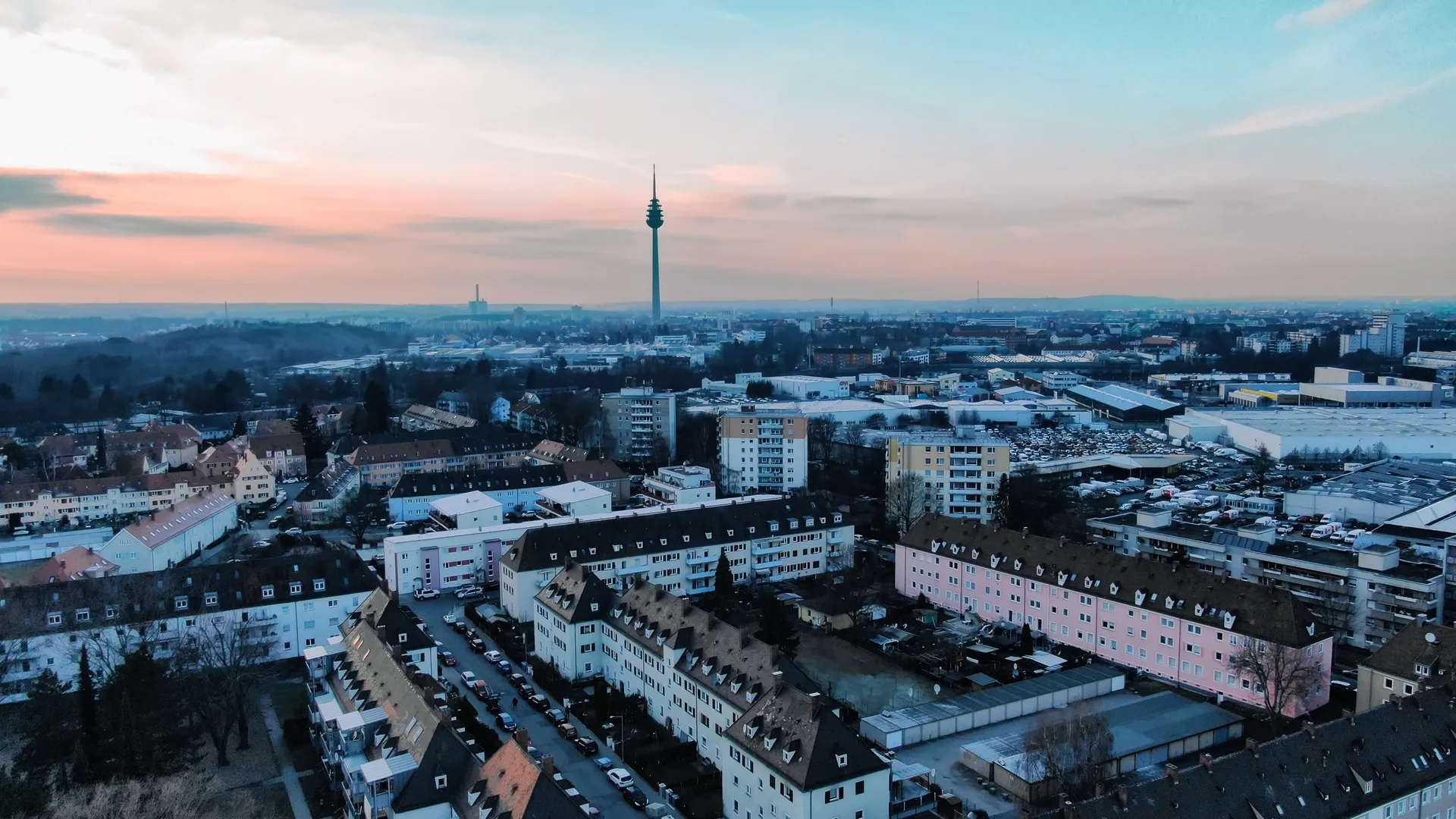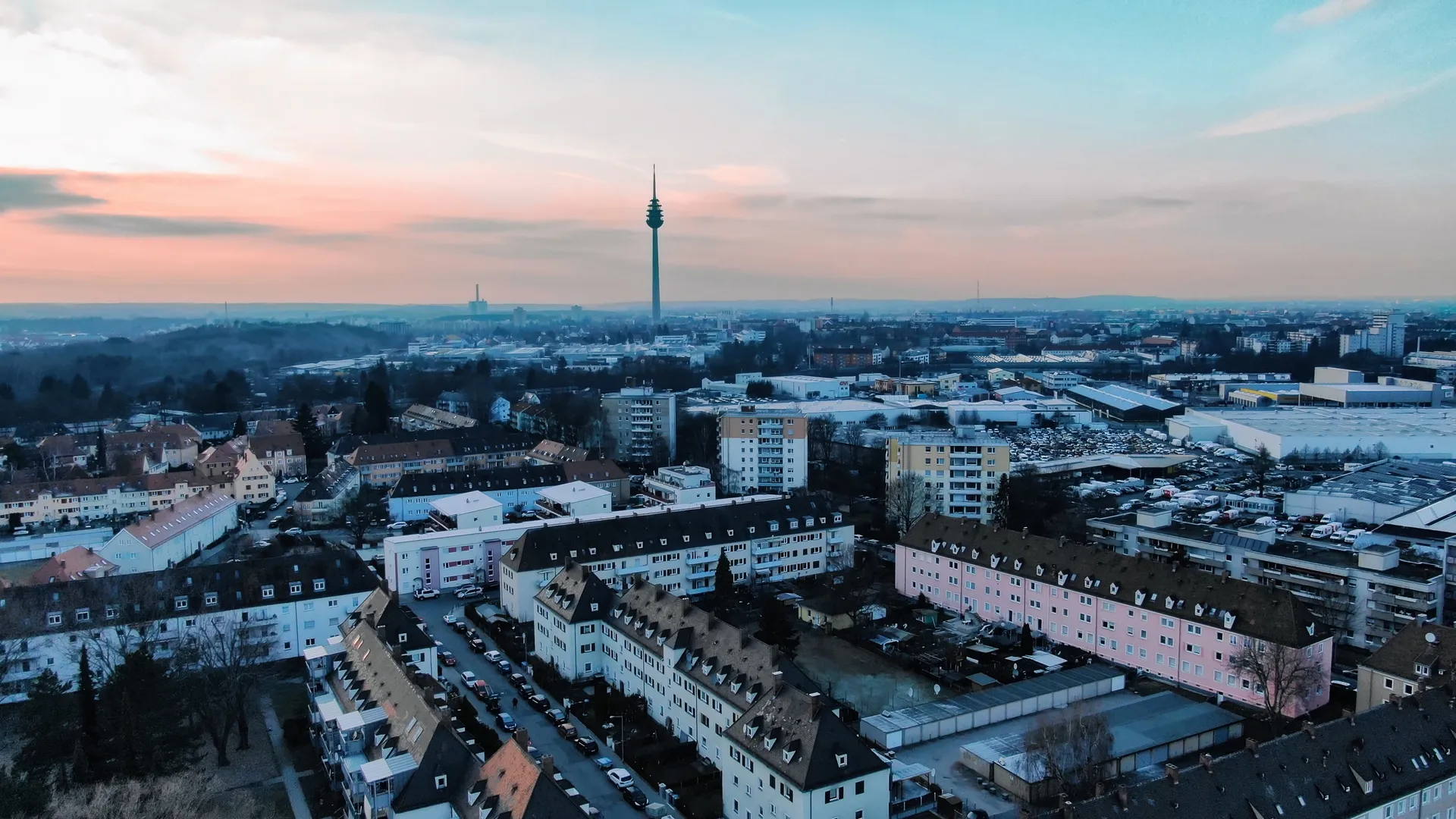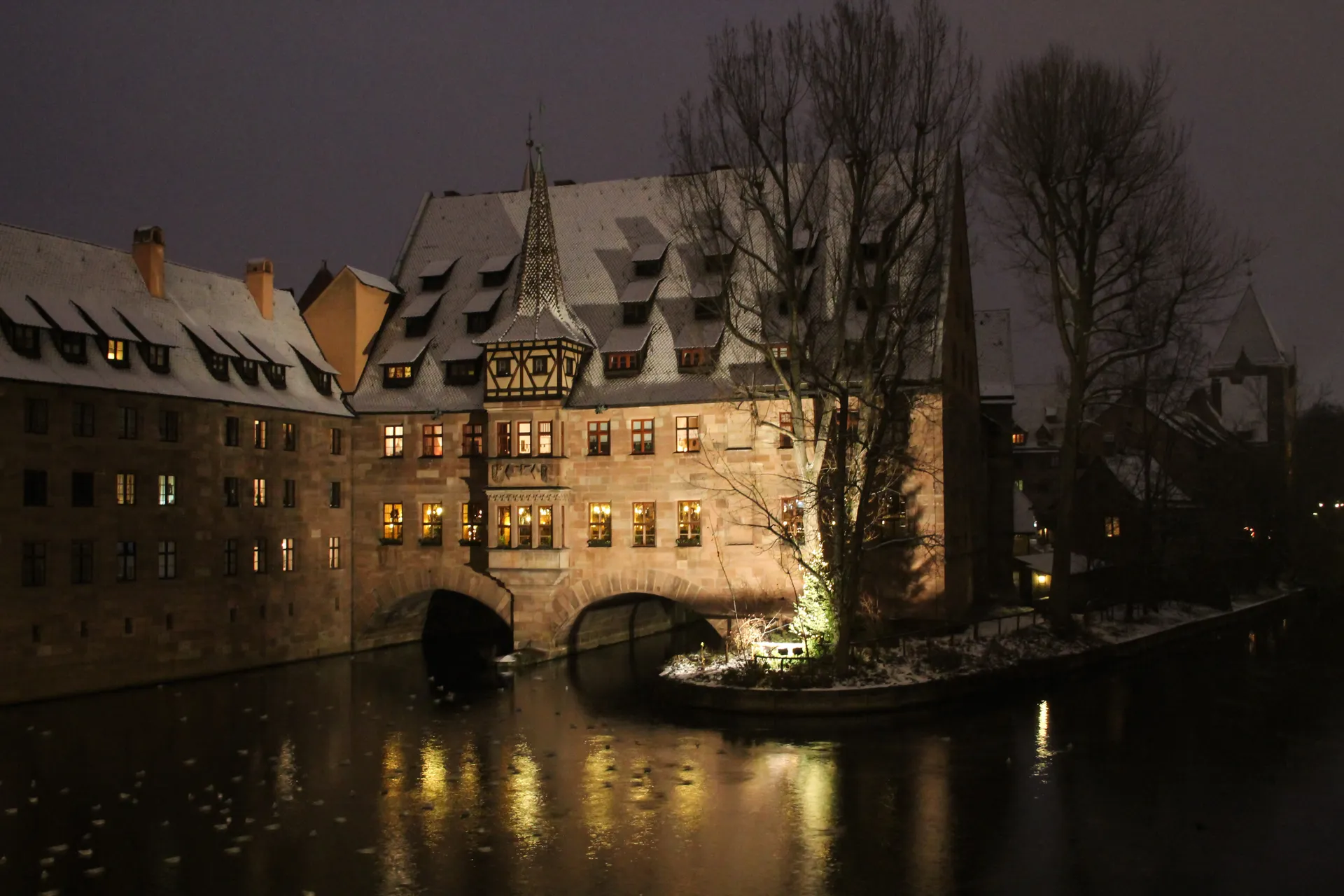
Nuremberg — Nürnberg in German — was the unofficial capital of the Holy Roman Empire, the city where every newly elected emperor was required to hold his first Imperial Diet. From the medieval period through the Renaissance, it was one of Europe's wealthiest and most inventive cities: Albrecht Dürer was born here in 1471, the first pocket watch (the "Nuremberg Egg") was created here, and the city's craftsmen produced everything from armour to scientific instruments. Its darker twentieth-century chapter — as the site of Nazi party rallies and the post-war Nuremberg Trials — adds a layer of historical gravity that the city confronts with unflinching honesty.
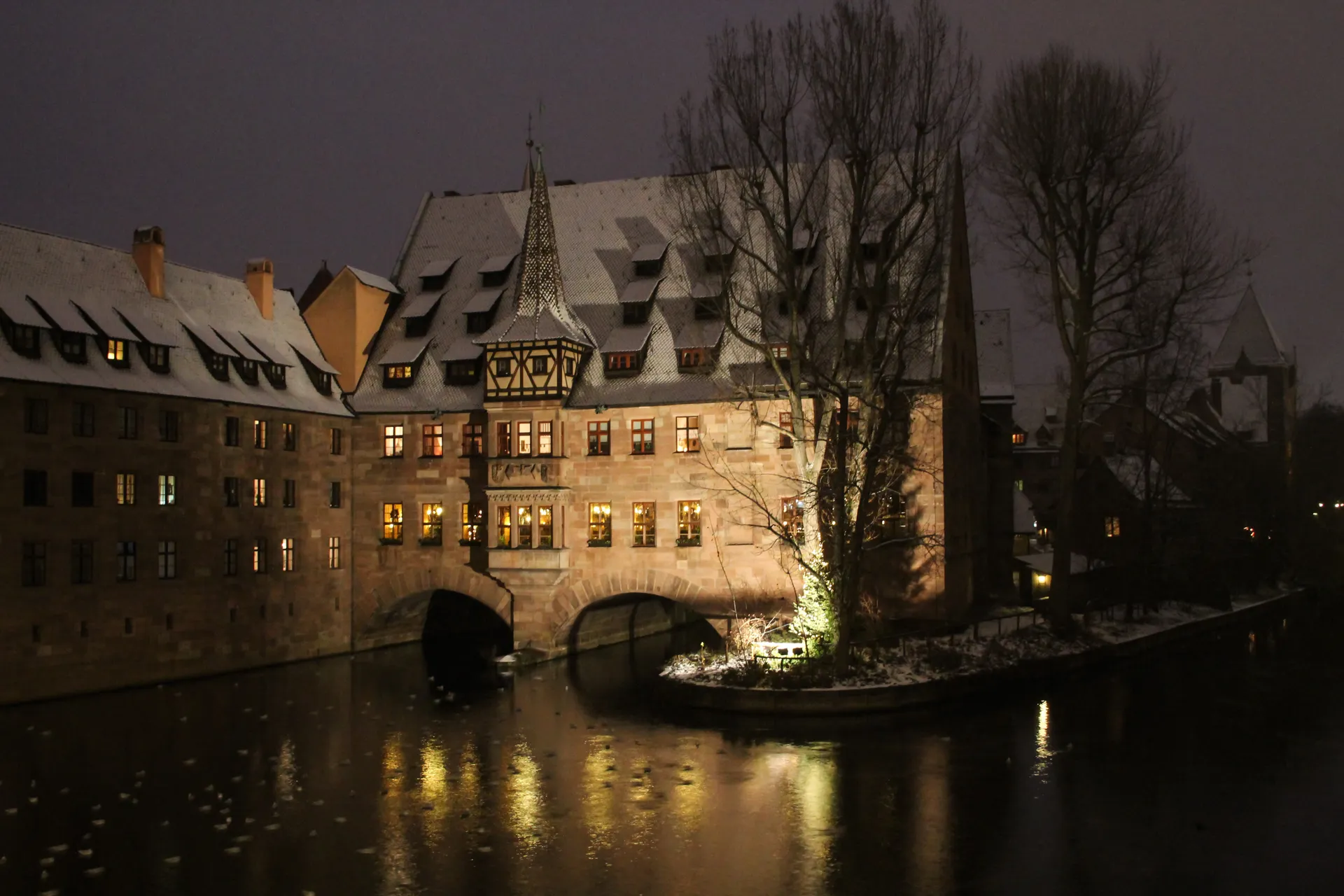
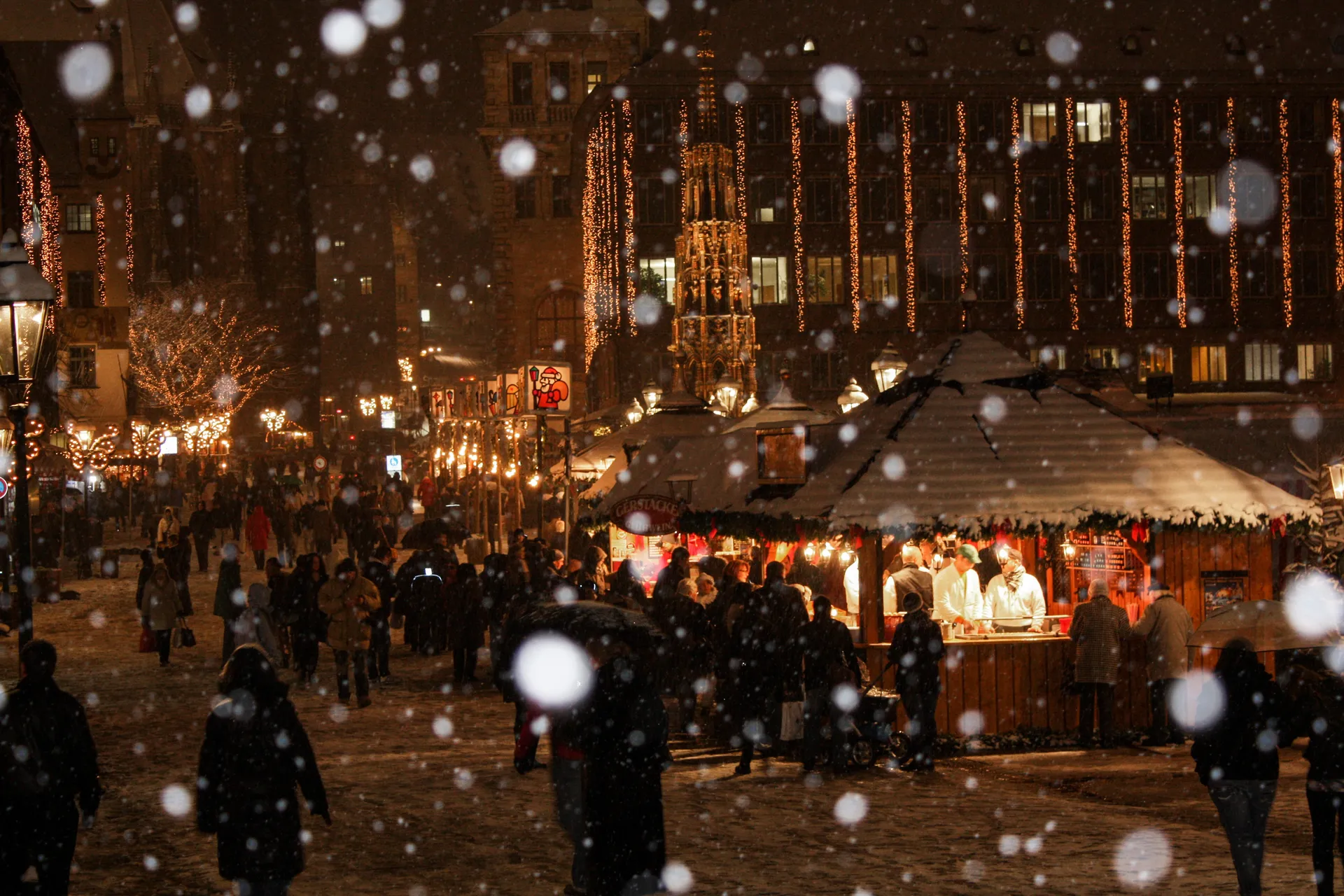
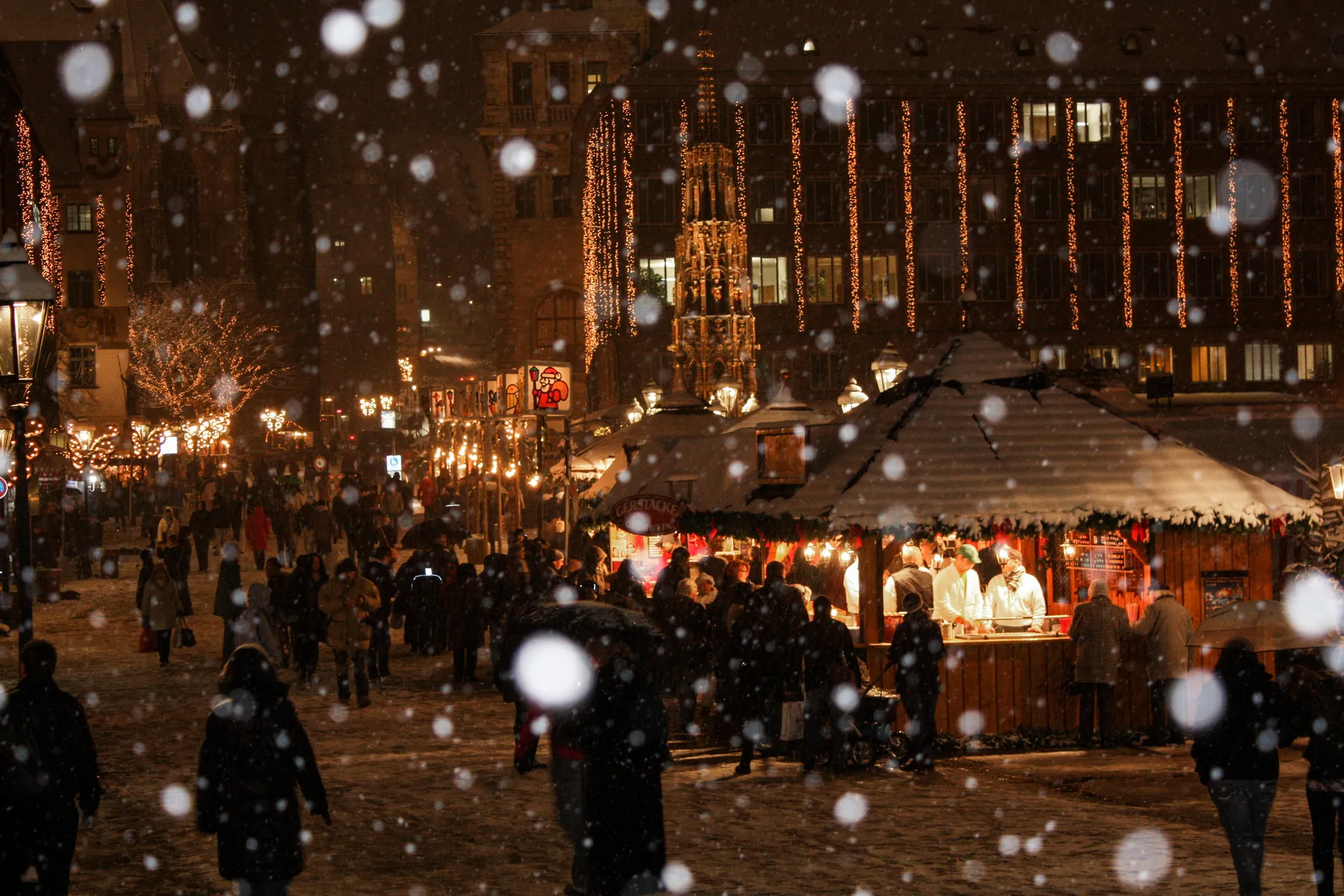
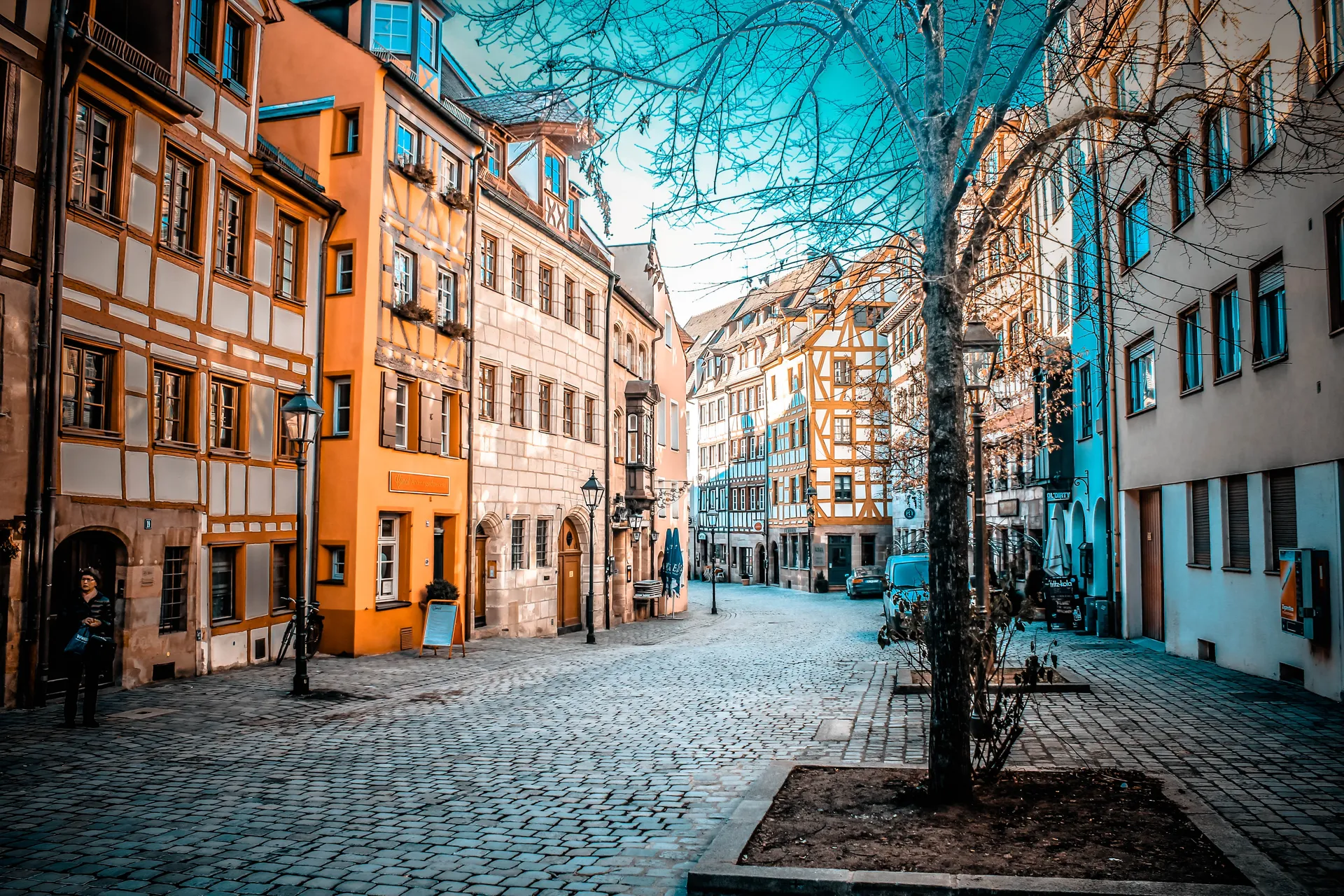
The old town, enclosed within five kilometres of medieval walls complete with towers and a moat, was meticulously reconstructed after severe bombing in 1945. The Kaiserburg (Imperial Castle), perched on a sandstone ridge at the old town's northern edge, has dominated the skyline since the eleventh century. The Hauptmarkt, the central market square, is home to the ornate Gothic Schöner Brunnen (Beautiful Fountain) and the Frauenkirche, whose mechanical clock performs the Männleinlaufen — a procession of electors paying homage to the emperor — daily at noon. Dürer's house, where the artist lived and worked for nearly twenty years, is now a museum furnished in period style.
Nuremberg's culinary identity centres on the Nürnberger Rostbratwurst — small, thin pork sausages grilled over beechwood and served by the dozen with sauerkraut and horseradish. Three tucked into a round bread roll (Drei im Weggla) is the city's quintessential street snack. Lebkuchen, the spiced gingerbread that has been baked here since the fourteenth century, is so integral to the city's identity that it carries a protected geographical indication. The Schäufele (roast pork shoulder with crispy crackling) and Fränkische Sauerbraten are heartier options, accompanied by the local Rotbier (red beer).
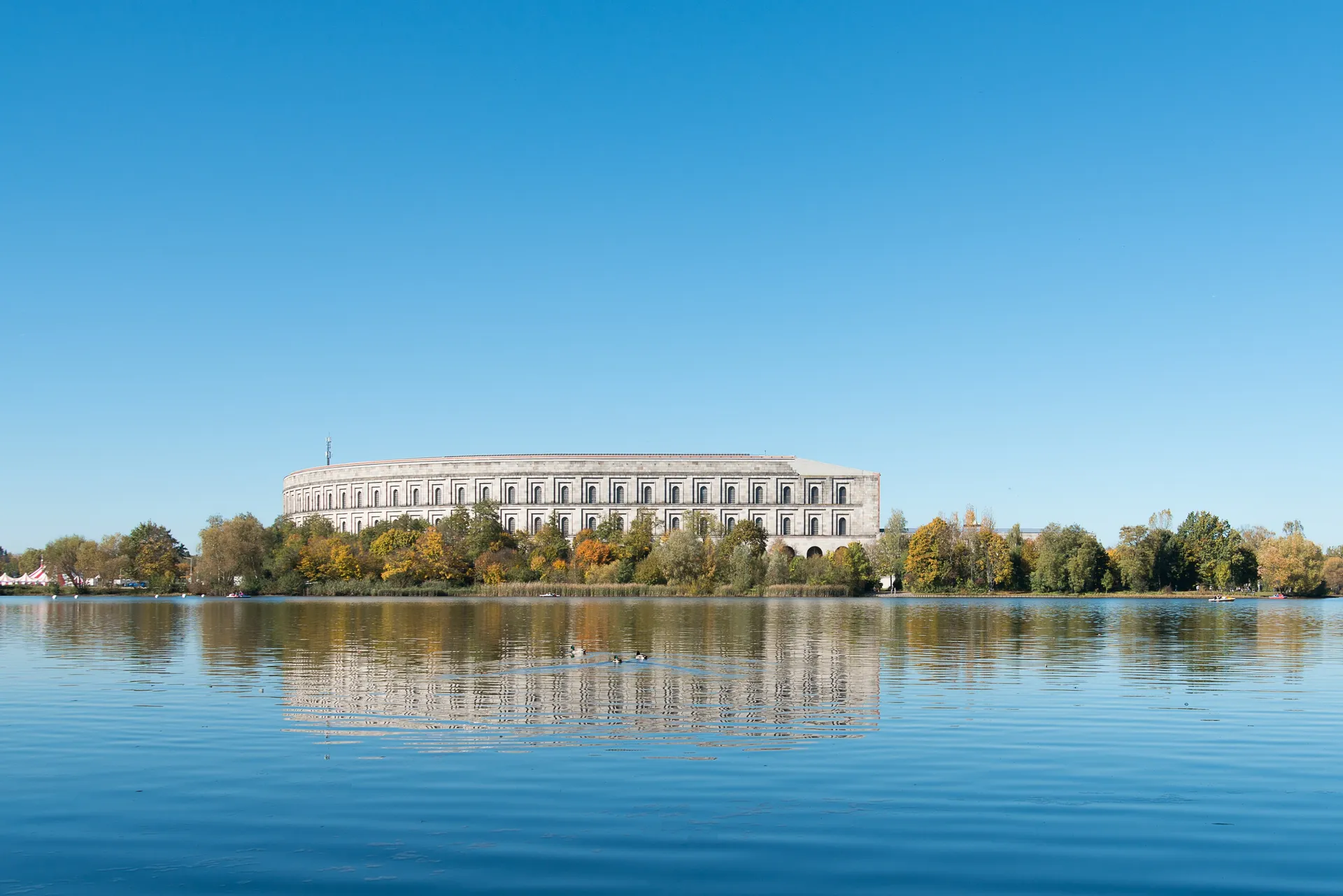
The Documentation Centre at the Nazi Party Rally Grounds, housed in an unfinished Congress Hall modelled on the Colosseum, provides a thorough and sobering examination of the rise and fall of National Socialism. Courtroom 600 at the Palace of Justice, where the Nuremberg Trials were held, is open to visitors. For lighter excursions, the Franconian Switzerland region north of the city offers castle-dotted limestone hills and excellent hiking.
Nuremberg is the western terminus for many Danube river cruise itineraries, linked to the river by the Main-Danube Canal. Lines serving Nuremberg include AmaWaterways, APT Cruising, Avalon Waterways, Emerald Cruises, Holland America Line, Riviera Travel, Scenic River Cruises, Tauck, Uniworld River Cruises, Viking, and VIVA Cruises. The Christkindlesmarkt, Germany's most famous Christmas market dating back to 1628, transforms the Hauptmarkt into a winter wonderland of mulled wine, gingerbread, and handcrafted ornaments, but summer months offer the best weather for canal and river cruising.