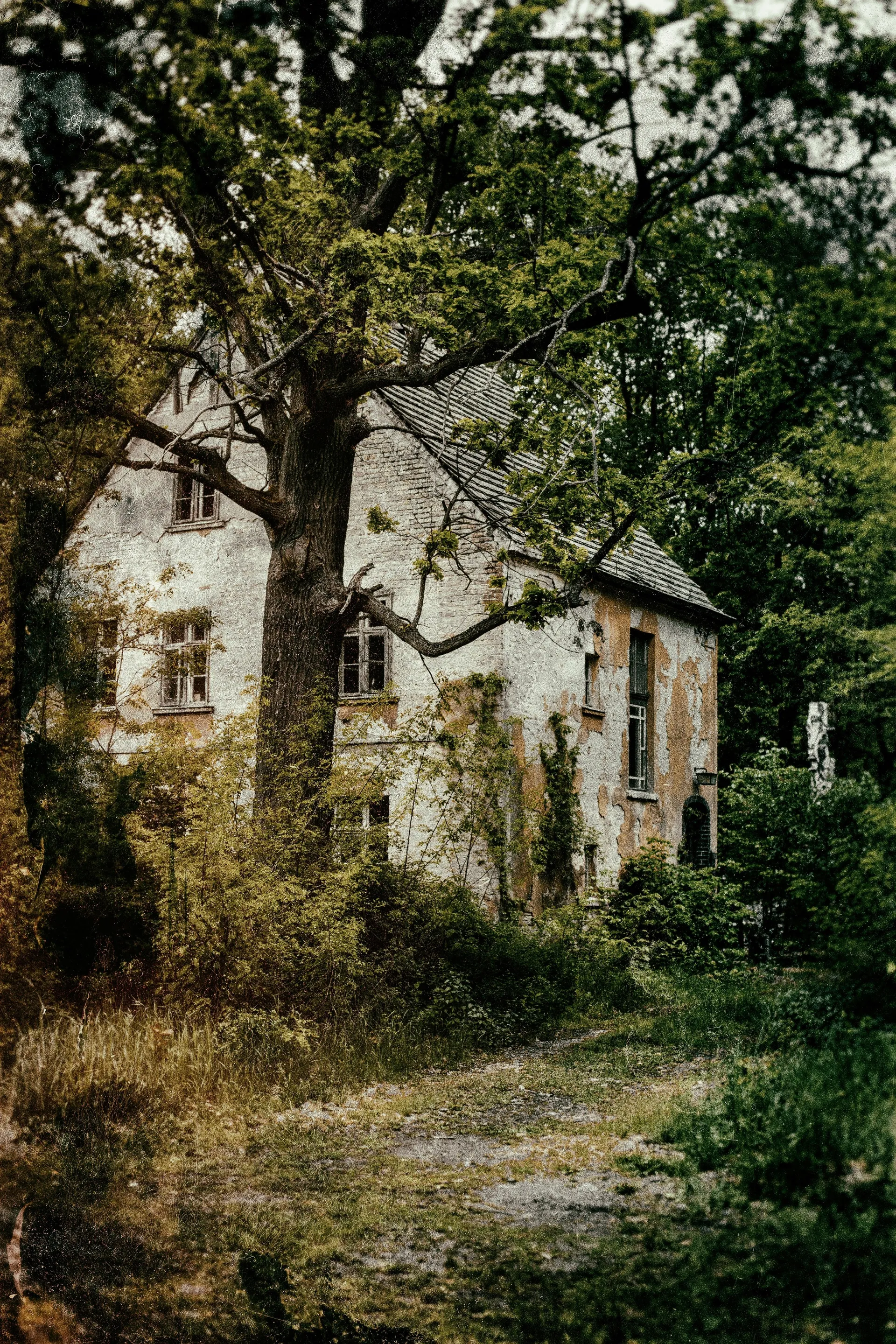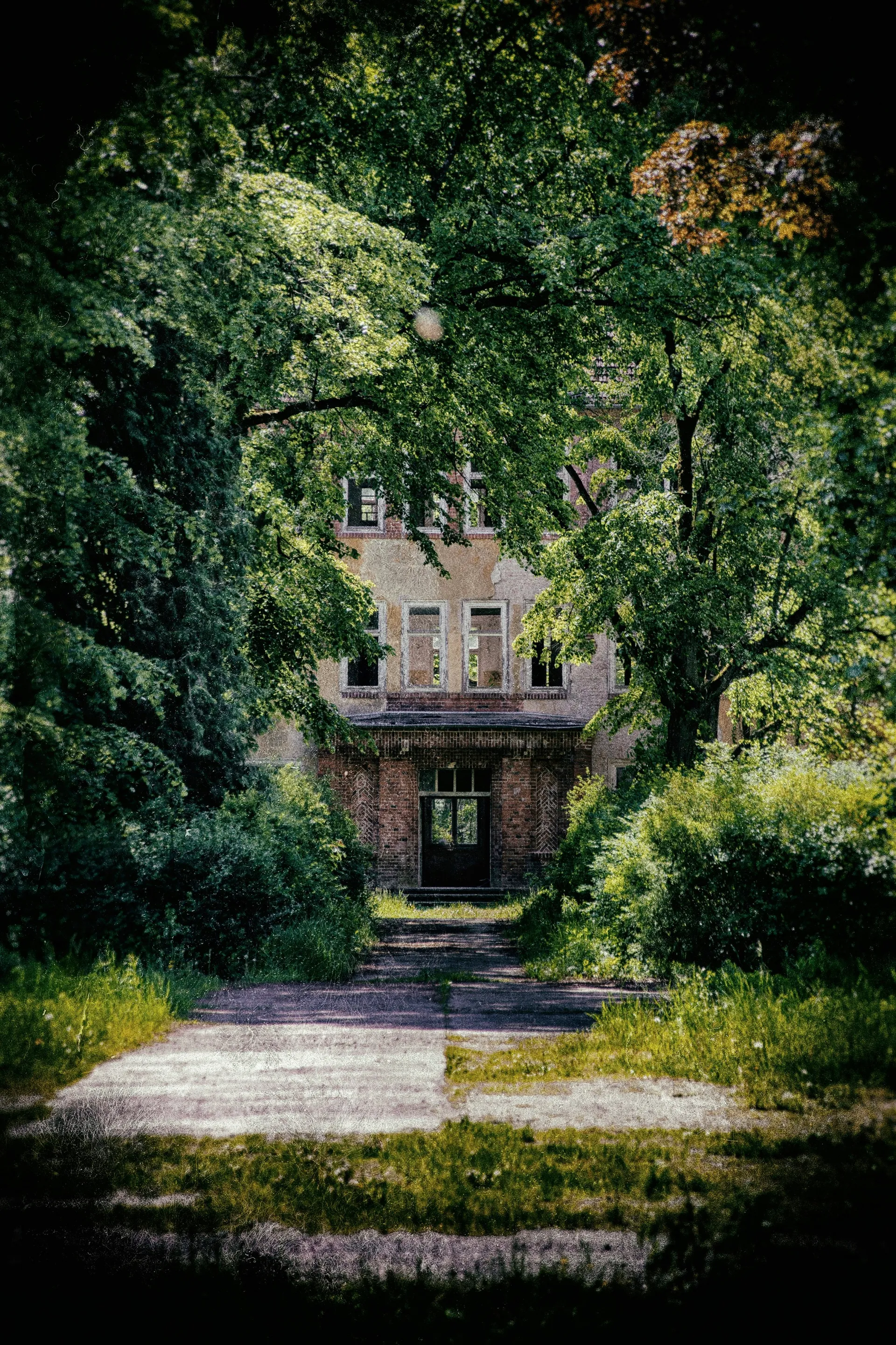
Oranienburg is a town of 45,000 on the Havel River north of Berlin, whose name — "Orange's City," after the Dutch House of Orange — evokes the Baroque aspirations of the Prussian court that built a grand palace here in the seventeenth century. But Oranienburg's historical significance extends far beyond architectural ambition: the town is the site of Sachsenhausen, one of the first concentration camps established by the Nazi regime in 1936, which served as a model for the entire concentration camp system and today operates as a memorial and museum of profound importance.
The Sachsenhausen Memorial and Museum occupies the original camp site, its entrance through the notorious gate inscribed with the words "Arbeit macht frei" — a phrase that was later replicated at Auschwitz and other camps. Over 200,000 people were imprisoned here between 1936 and 1945: political opponents, Jews, Roma, Sinti, homosexuals, Jehovah's Witnesses, and prisoners of war. Tens of thousands died from execution, medical experiments, disease, and exhaustion. The memorial preserves the remaining camp structures, guard towers, and punishment cells, while exhibitions document the camp's history with meticulous, unflinching detail. After the war, the Soviet secret police operated a special camp on the same site until 1950, adding another layer of tragedy to the grounds.
Oranienburg's other significant historic site is the Schloss Oranienburg, the palace that Louise Henriette of Orange-Nassau, wife of the Great Elector Friedrich Wilhelm, commissioned in 1651. This was the first Baroque palace in Brandenburg-Prussia, and its construction marked the beginning of the Hohenzollern dynasty's architectural ambitions that would eventually produce Sanssouci and the other palaces of Potsdam. The palace, restored after wartime damage, now houses a regional museum with exhibits on the town's history and Baroque art.
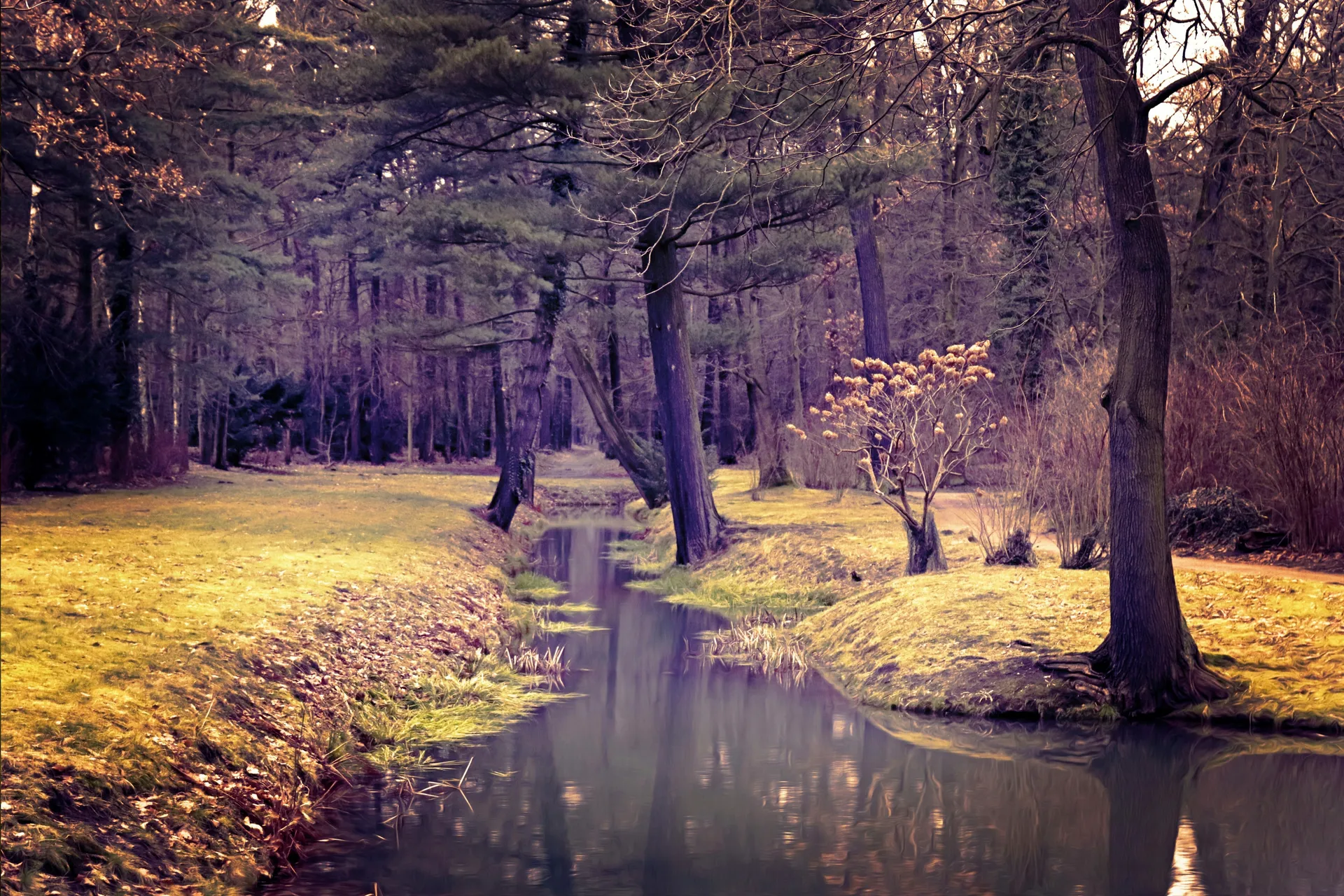
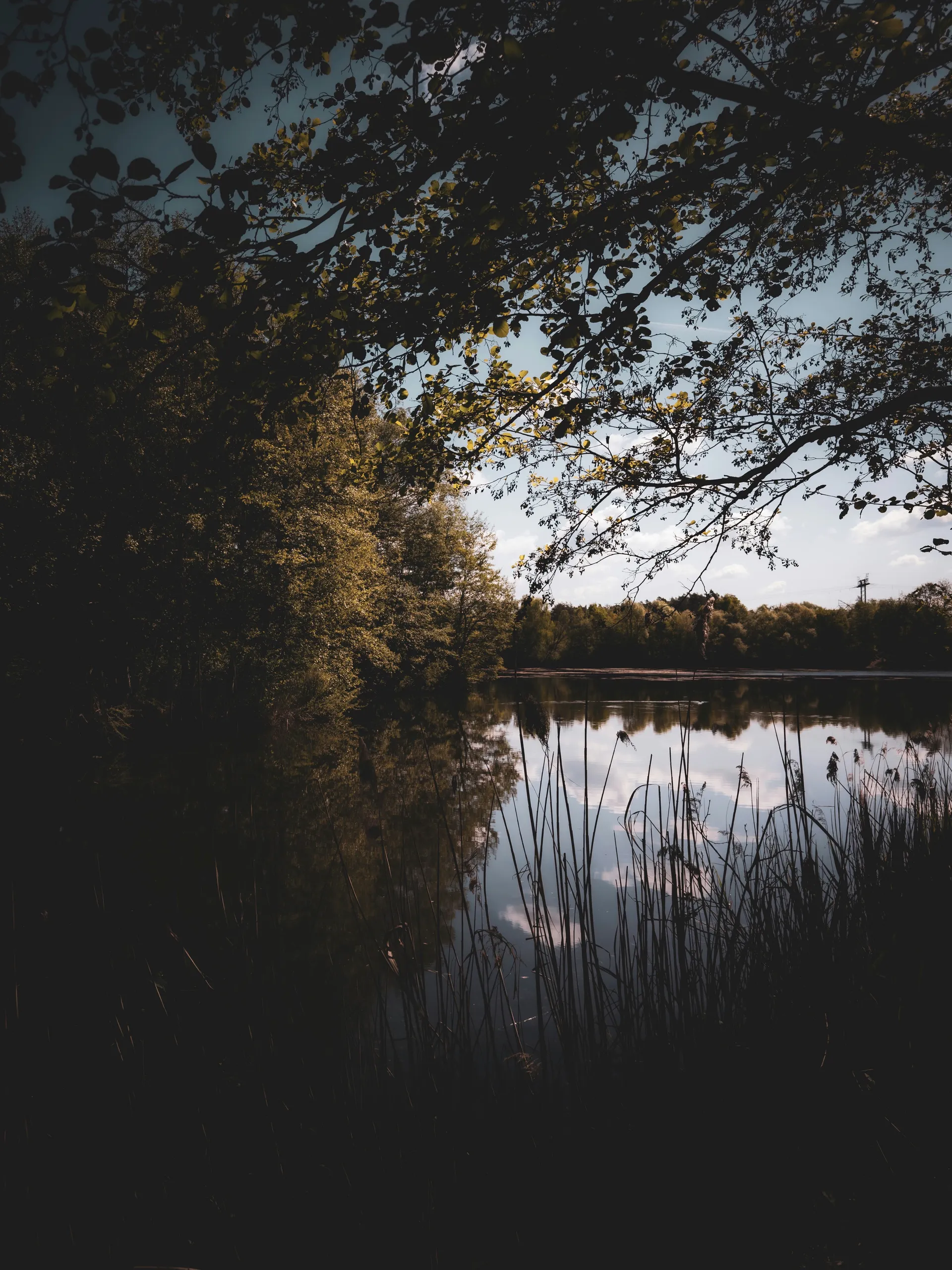
The Havel River and its surrounding lakes provide Oranienburg with a gentle natural landscape that offers welcome contrast to the weight of its history. The Lehnitzsee and Grabowsee lakes, north of town, are popular swimming and recreational destinations, their forested shores offering hiking and cycling paths. The canal system that connects the Havel to Berlin was an important industrial waterway, and river cruise boats still navigate these waters on itineraries connecting Berlin with the broader Brandenburg waterway network.
River cruise ships dock at Oranienburg's riverside quay as part of Havel and Brandenburg waterway itineraries. The town is also easily accessible from Berlin by S-Bahn train (approximately 45 minutes). The best visiting season is April through October, when the memorial grounds and palace gardens are most accessible. The Sachsenhausen memorial is open year-round. Oranienburg asks visitors to hold two realities simultaneously: the beauty of Brandenburg's lake landscape and the horror of what was perpetrated within it. This dual nature is not a contradiction but a reminder that civilization and barbarism can coexist in the same place — and that the responsibility of remembrance falls to every generation.