Peenemunde occupies a place in history that is simultaneously fascinating, terrifying, and morally complex. This small settlement on the northern tip of the island of Usedom, on Germany's Baltic coast, was the site where the world's first long-range ballistic missile — the V-2 rocket — was developed and tested during World War II. The technology born here would eventually launch humanity into space; it was also responsible for the deaths of thousands of civilians in London, Antwerp, and other cities, and thousands more among the forced laborers who built the rockets under appalling conditions.
The Historisch-Technisches Museum Peenemunde, housed in the former power station that supplied the research facility, is one of Germany's most important museums of twentieth-century history. The exhibition walks visitors through the full story: the brilliant engineering of Wernher von Braun and his team, the Nazi regime's weaponization of their research, the use of concentration camp labor in the underground Mittelbau-Dora factory, and the post-war race between American and Soviet intelligence agencies to capture German rocket scientists. The museum treats its subject with the moral seriousness it demands, neither glorifying the technology nor simplifying the ethical questions it raises.
The island of Usedom, beyond its historical weight, is one of the most popular beach destinations on the German Baltic coast. Long stretches of white sand beach extend along the island's northern shore, backed by dunes and pine forest, attracting German families during the summer months. The seaside resort architecture of the Kaiserbader (Imperial Spas) — Ahlbeck, Heringsdorf, and Bansin — preserves magnificent nineteenth-century bathing pavilions and promenade hotels that recall the era when the Baltic coast was the summer playground of the Prussian aristocracy.
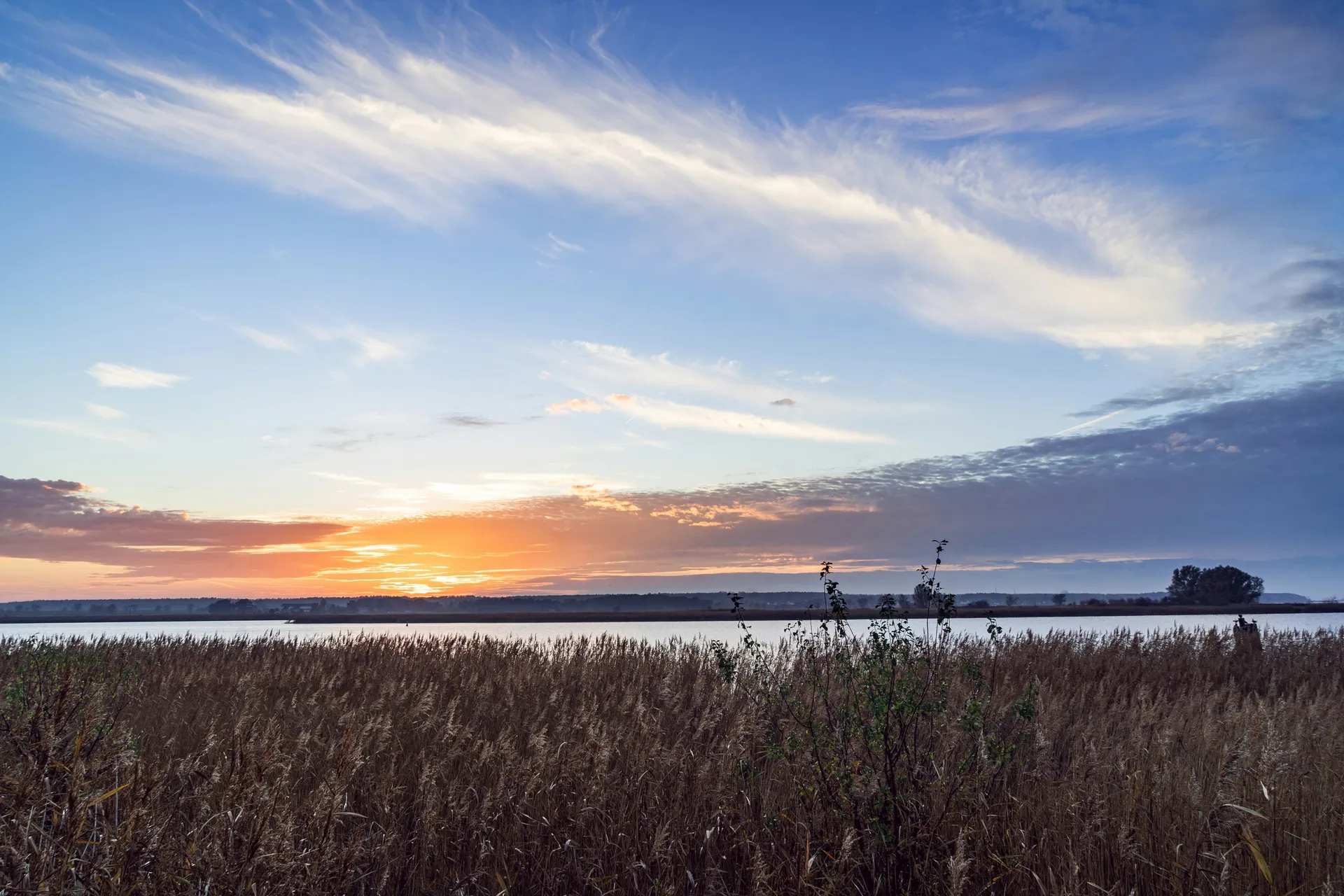
Peenemunde's immediate surroundings offer nature experiences that provide welcome contrast to the museum's heavy subject matter. The Peenemunder Haken, Struck und Ruden nature reserve protects coastal wetlands, dunes, and shallow lagoons that serve as important habitat for migrating and breeding birds. White-tailed eagles, cranes, and vast flocks of geese pass through during autumn migration, and the reserve's quiet trails offer meditative walks through a landscape that has recovered from its wartime past.
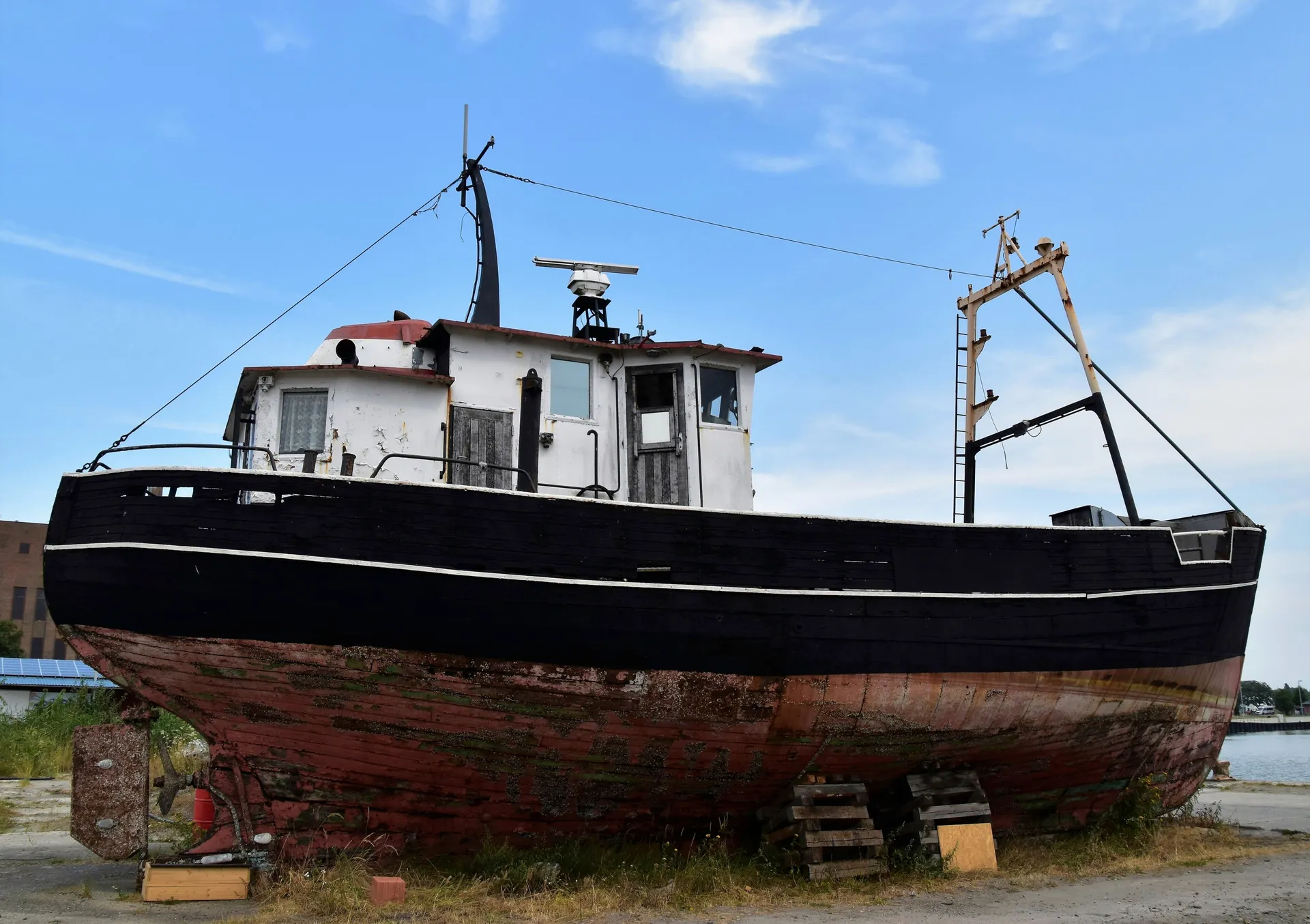
Small cruise ships and expedition vessels can dock at Peenemunde's harbor, which is modest but functional. The museum is a short walk from the waterfront. The best visiting season is May through September, when the Baltic weather is at its most cooperative and the beach resorts are in full operation. Peenemunde is a destination that demands reflection — a place where the human capacity for invention and the human capacity for destruction are revealed as inseparable twins, and where the question of technology's moral neutrality is answered, conclusively, in the negative.