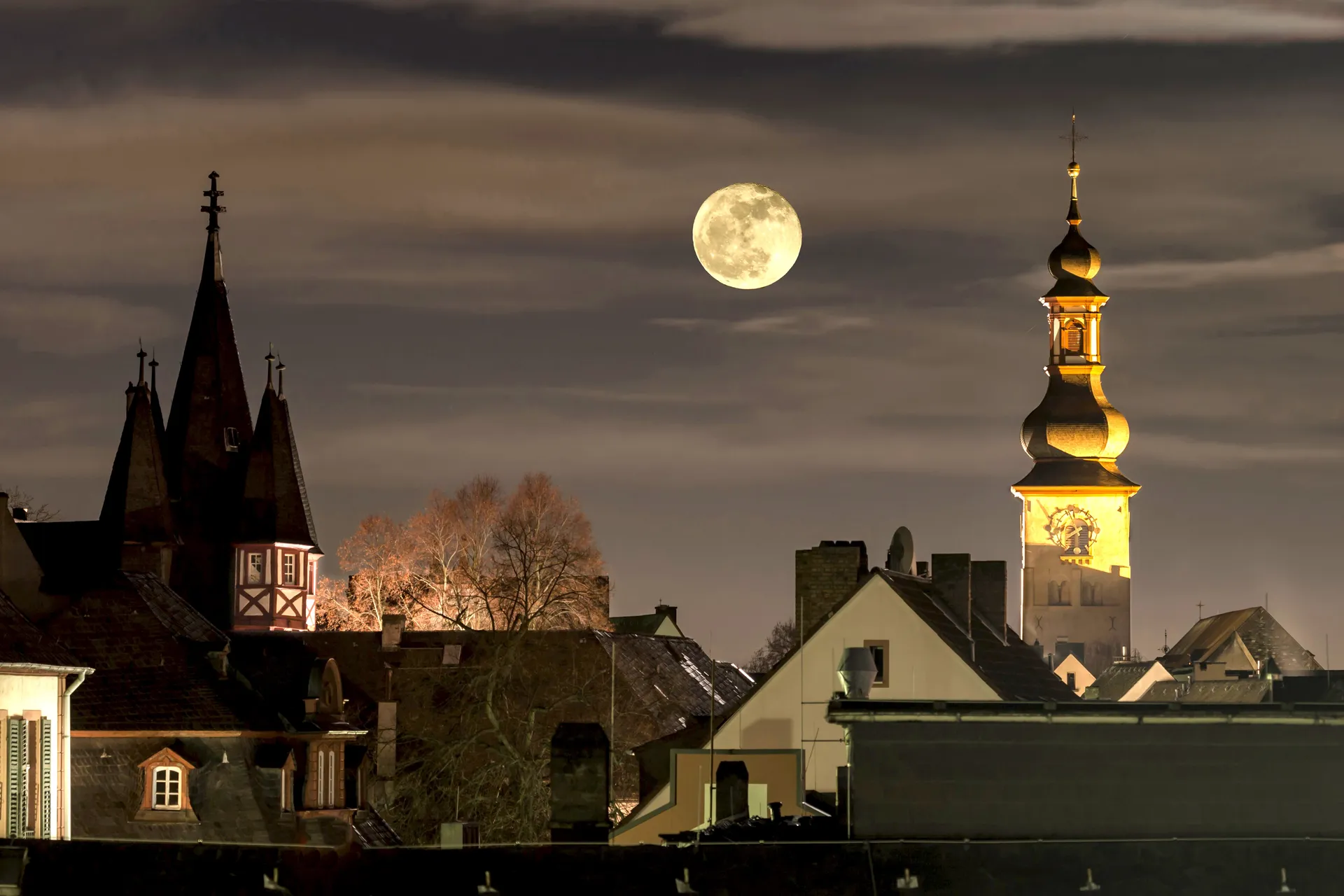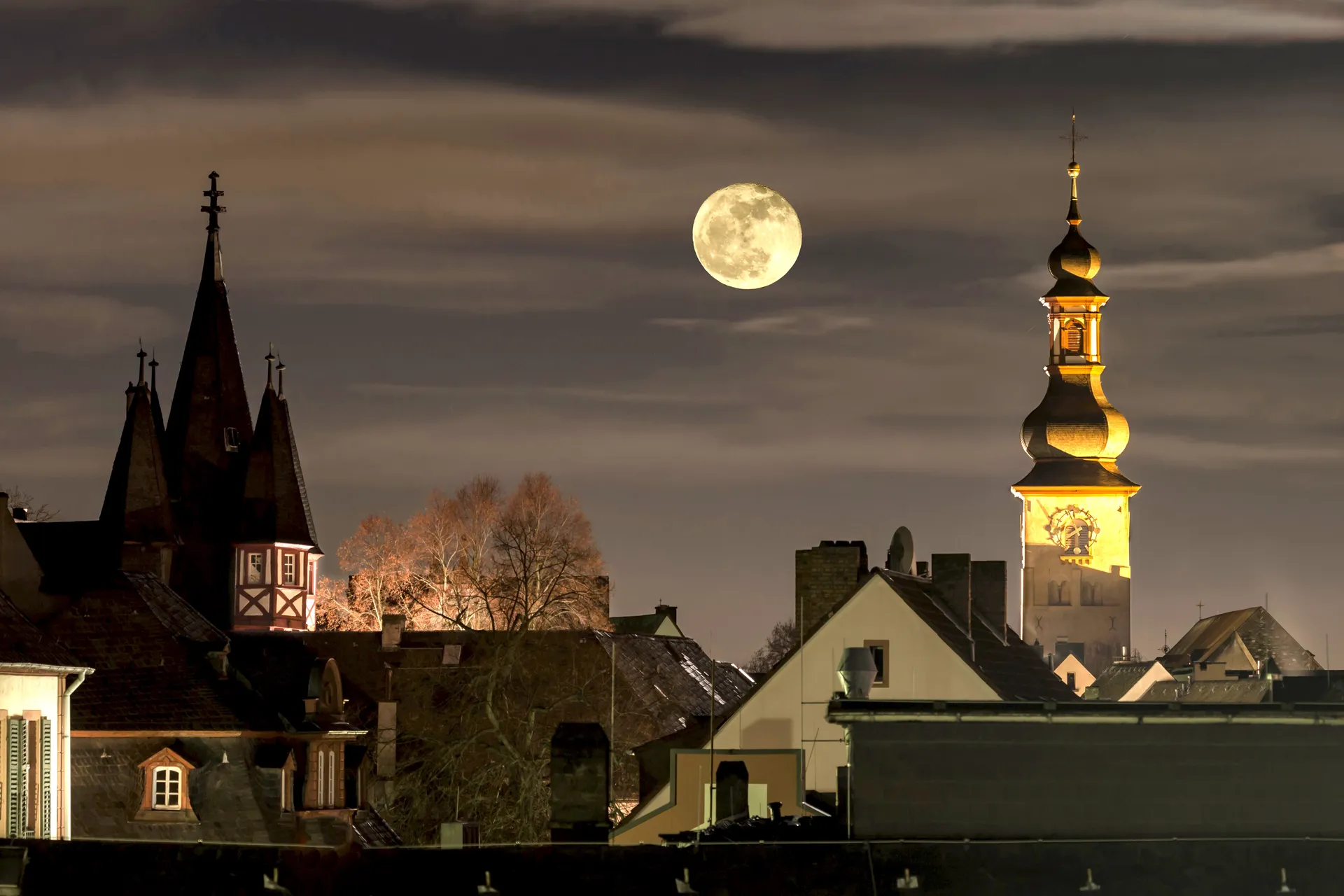
Rüdesheim am Rhein sits at the southern gateway to the Rhine Gorge, the sixty-five-kilometer stretch of river between Koblenz and Bingen that UNESCO has designated a World Heritage Site for its extraordinary concentration of castles, vineyards, and medieval towns. The Romans planted the first vines on these steep, sun-drenched slopes nearly two thousand years ago, and Rüdesheim has been at the center of Rhine winemaking ever since. The town's most famous asset is the Drosselgasse, a 144-meter-long cobblestone alley of wine taverns and live music that has drawn visitors since the nineteenth century — a concentration of Gemütlichkeit (cozy conviviality) that is both utterly touristy and irresistibly fun.
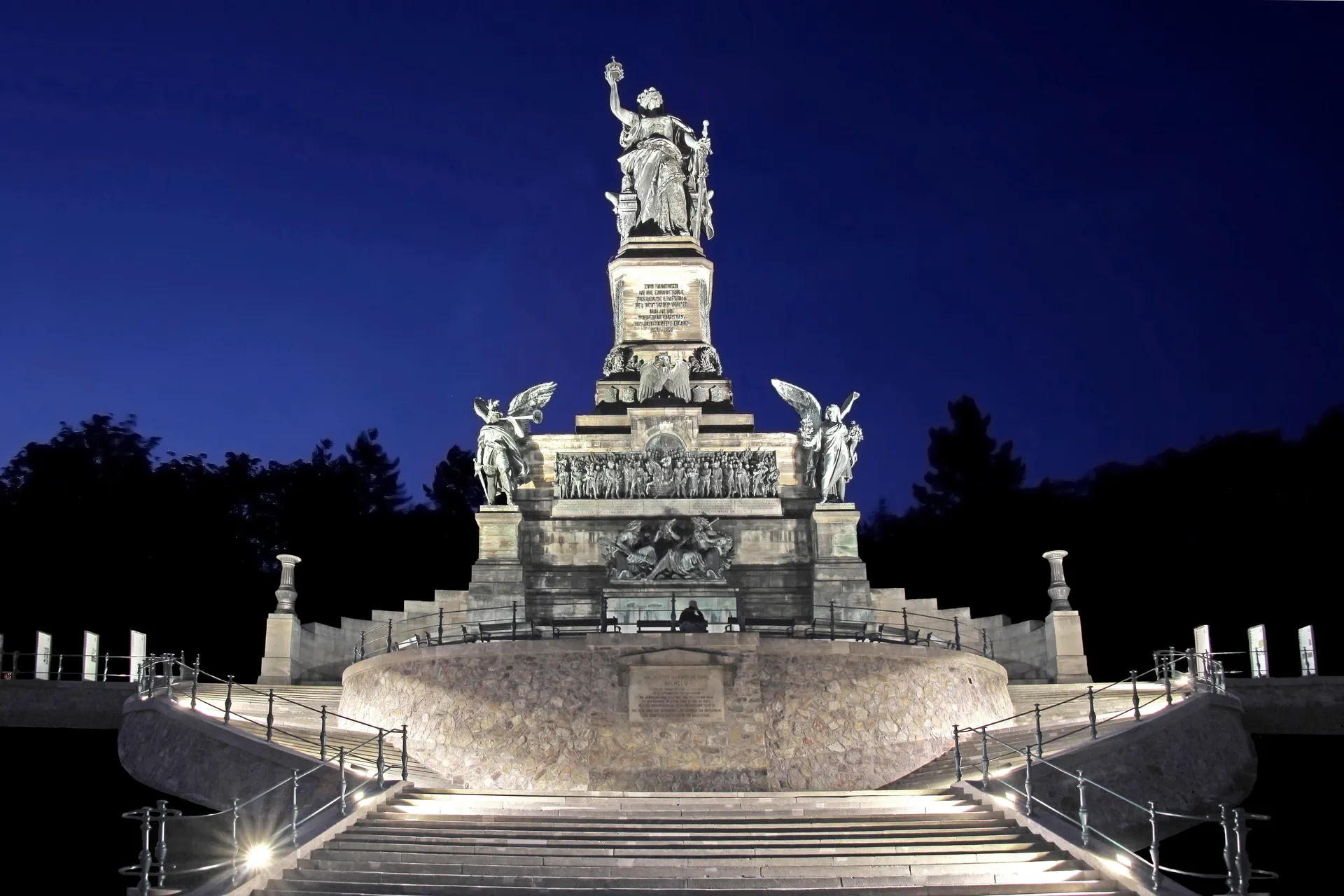
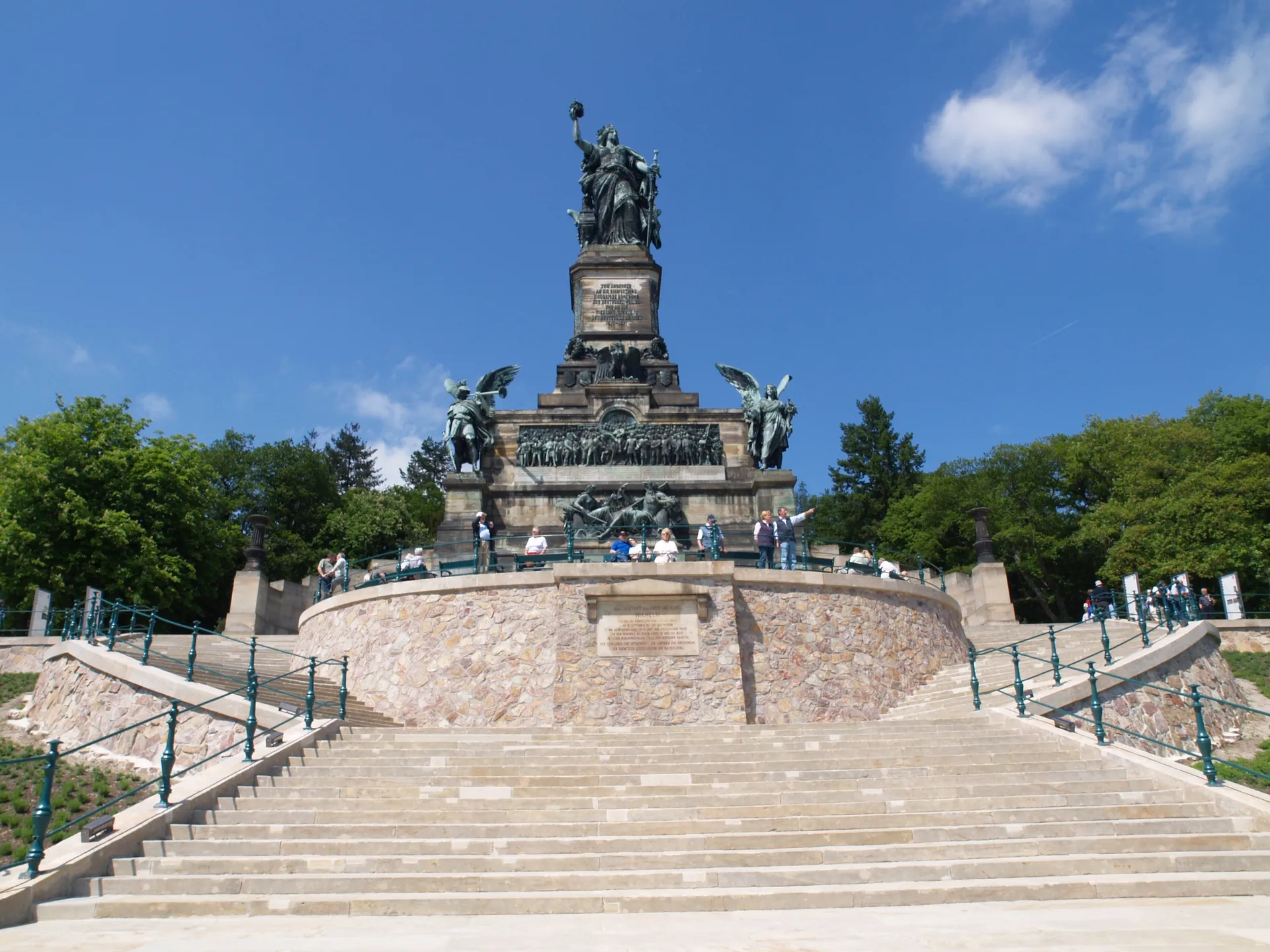
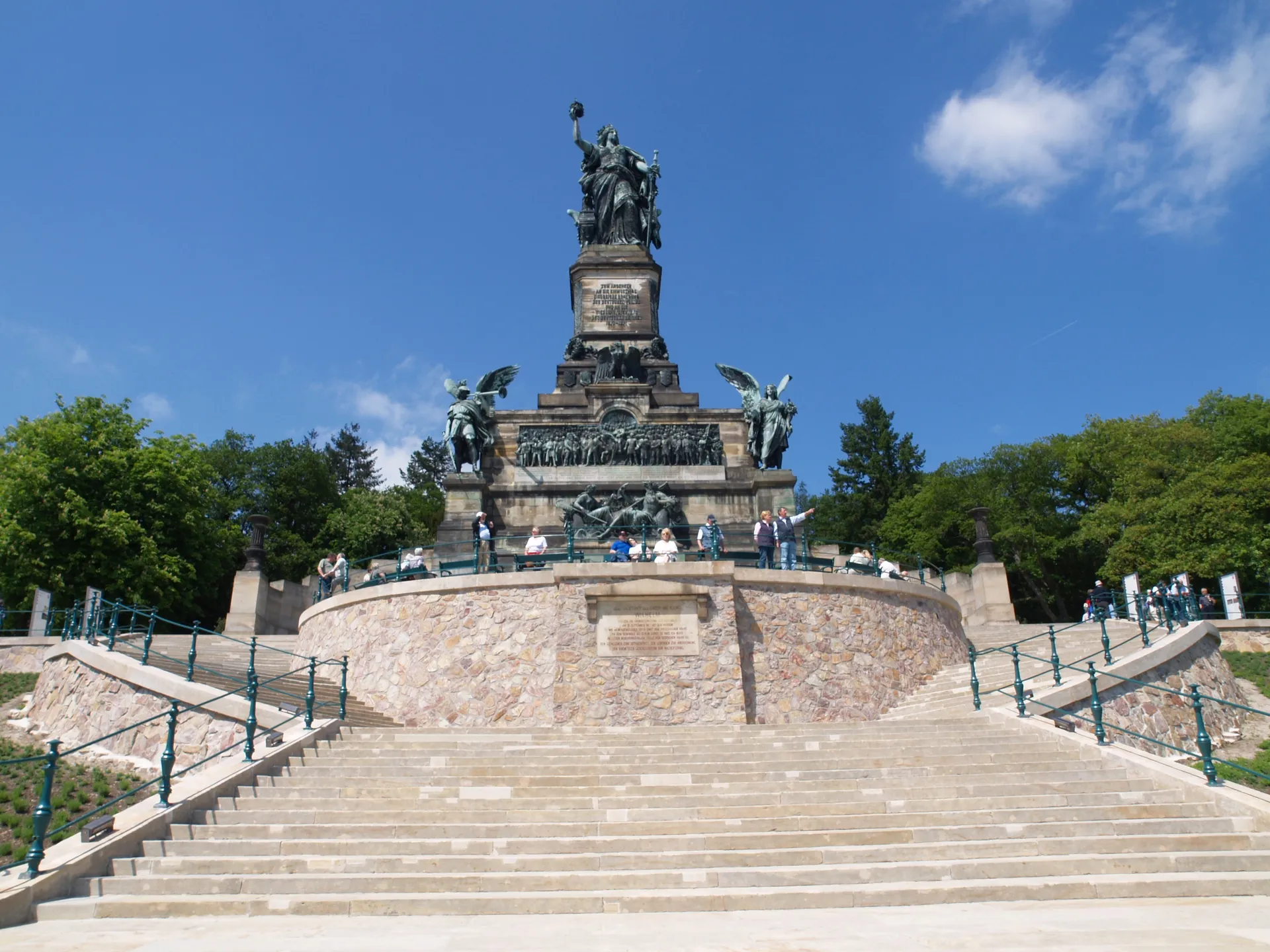
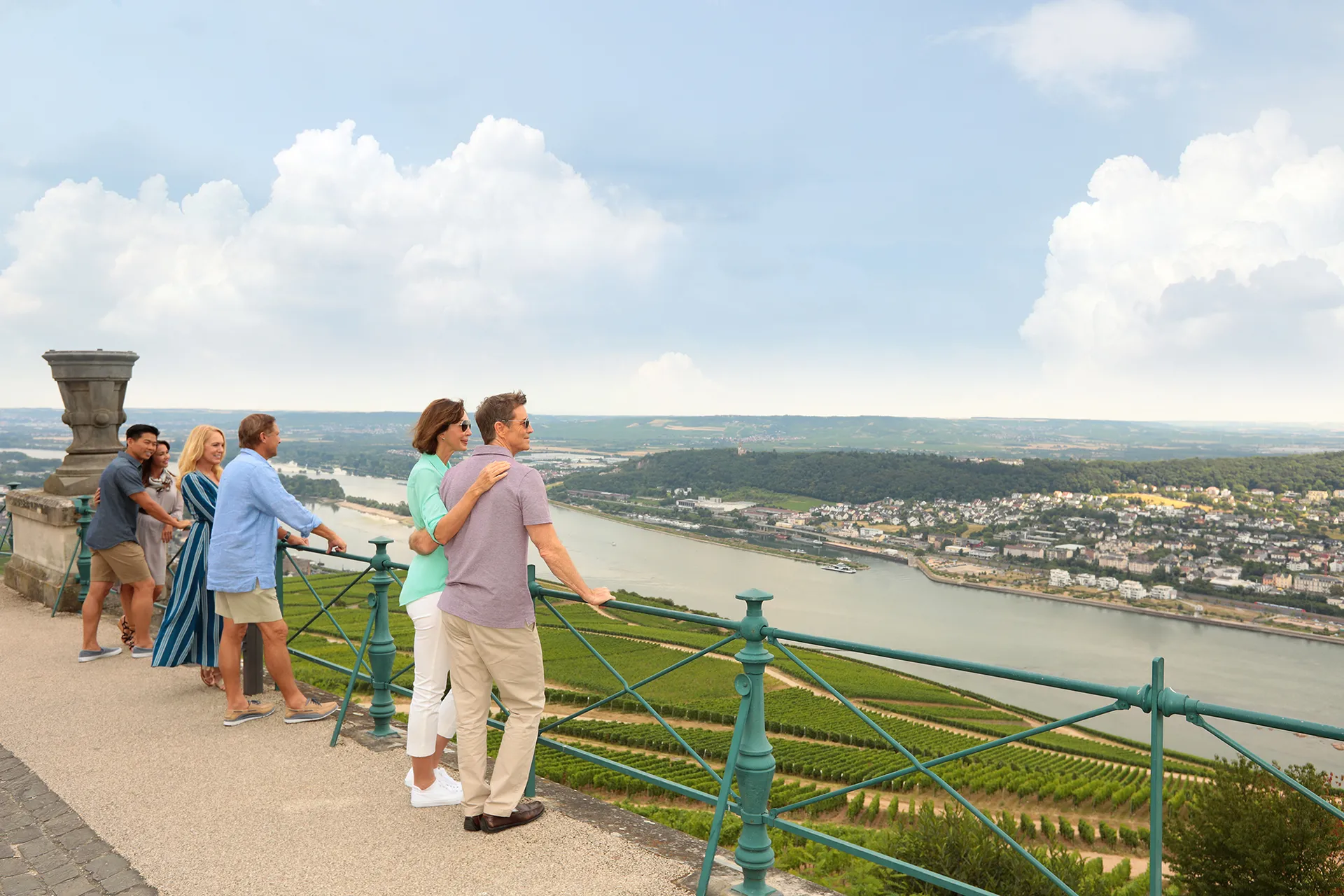
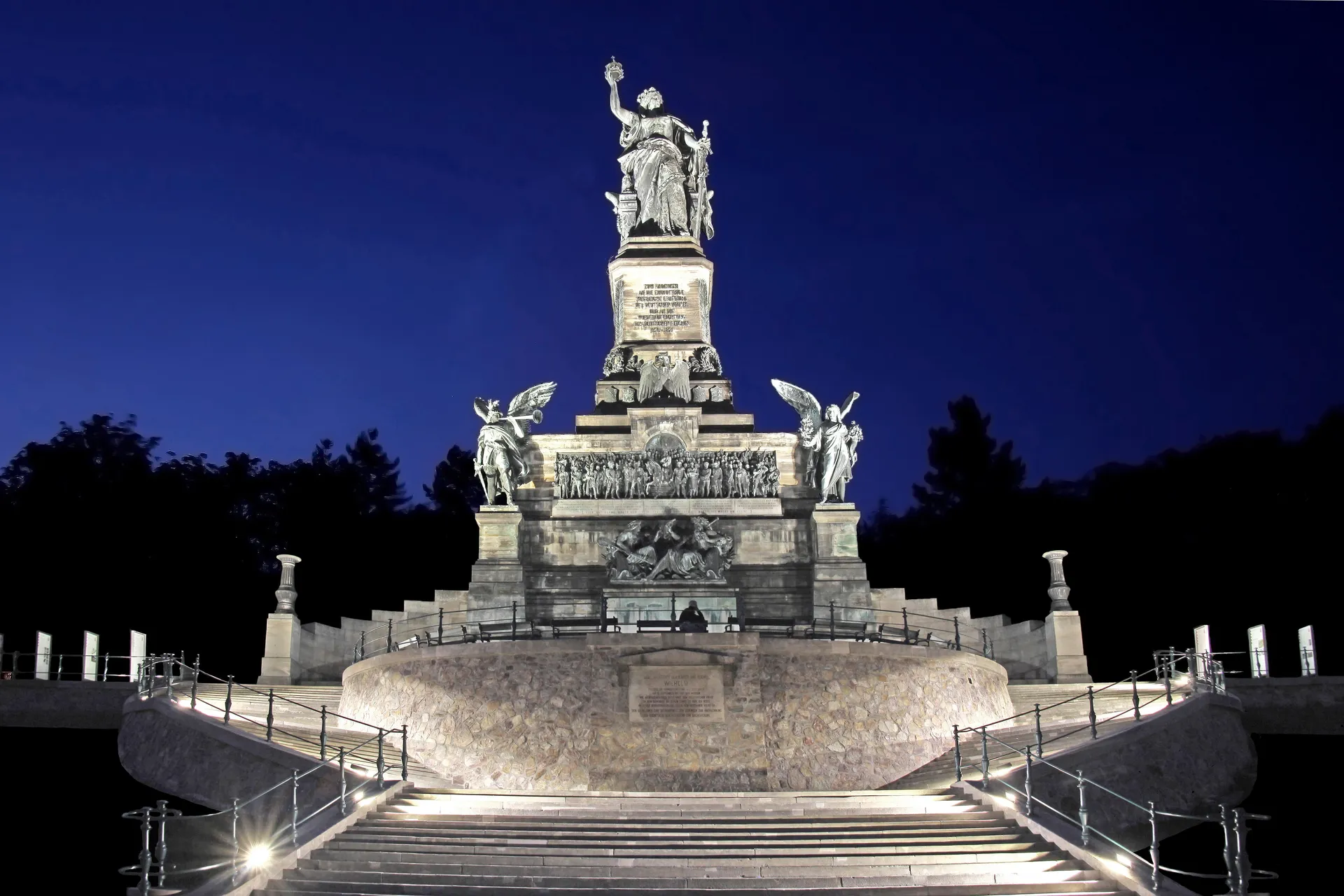
Above the town, the Niederwald Monument — a colossal bronze statue of Germania erected in 1883 to commemorate German unification — presides over the Rhine from a forested hilltop. The cable car ascending to the monument offers sweeping views of vineyards cascading toward the river, the green island of Niederwerth, and the confluence of the Rhine and Nahe rivers at Bingen. Below the monument, the Niederwald Nature Reserve harbors deer, wild boar, and one of the Rhine Valley's finest hiking networks. In town, Siegfried's Mechanical Music Cabinet — a museum of self-playing instruments from the eighteenth to twentieth centuries — is a whimsical surprise: barrel organs, pianolas, and orchestrions perform automated concerts that delight visitors of all ages.
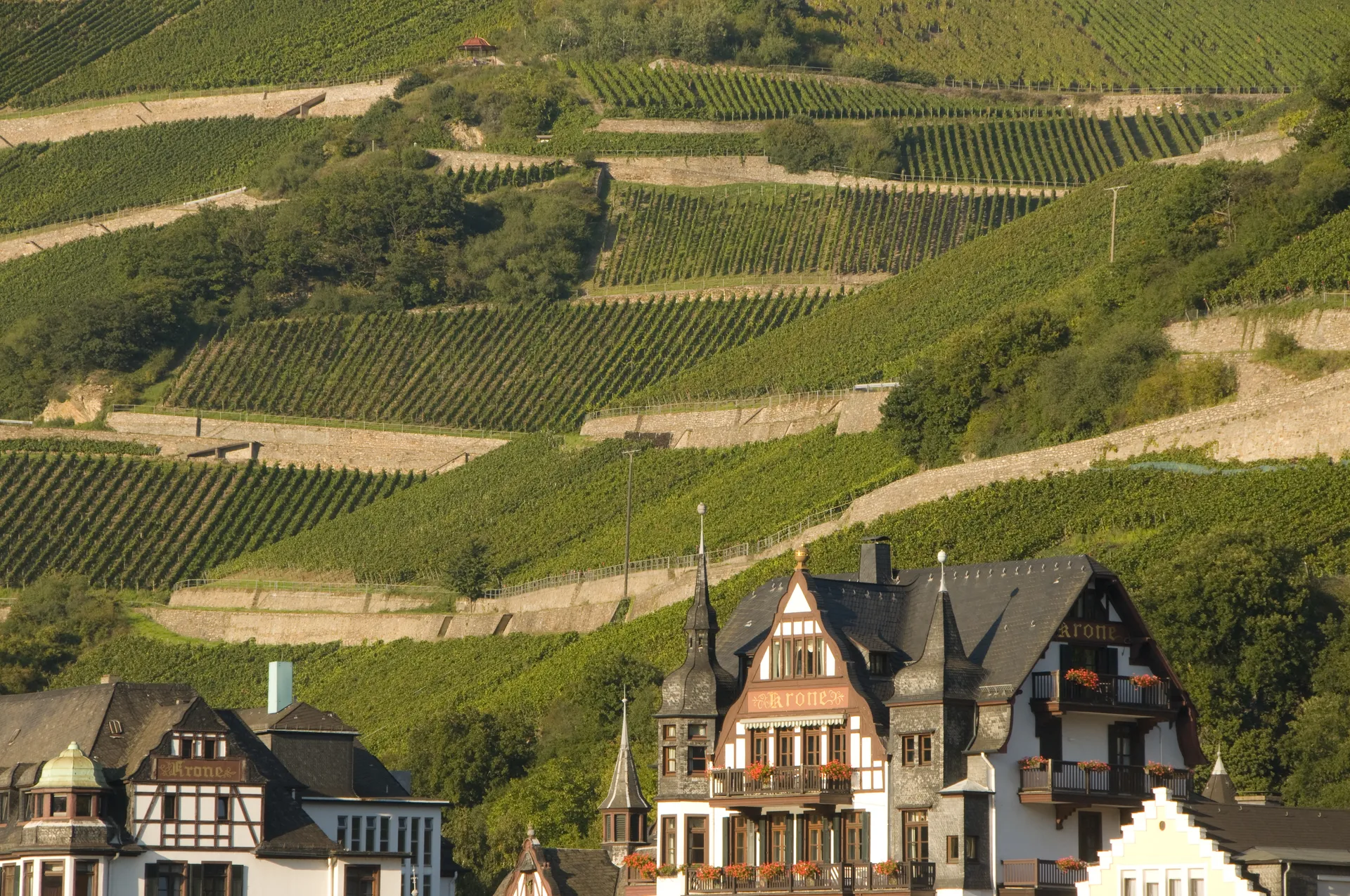
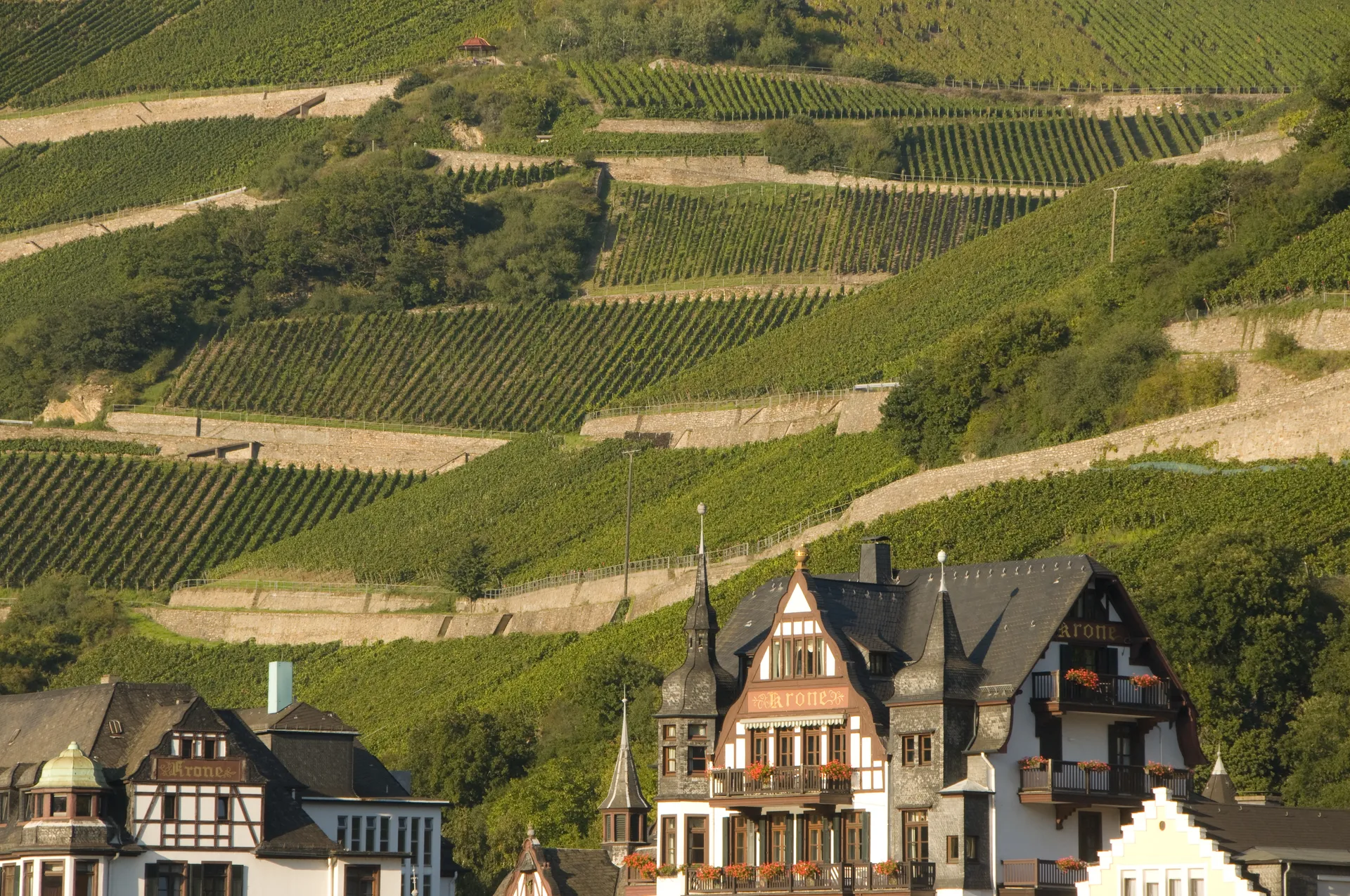
Rüdesheim's identity is inseparable from wine. The town lies within the Rheingau wine region, one of Germany's most prestigious, producing Rieslings of crystalline purity from steep slate slopes. The Rüdesheimer Schloss, a historic wine estate in the heart of town, offers tastings in cellars dating to the twelfth century. Rüdesheimer Kaffee — a theatrical preparation of Asbach brandy flambéed with sugar cubes and topped with coffee and whipped cream — is the town's signature drink. Paired with a plate of Winzersteaks or a bowl of Rheingau Handkäse (sour-milk cheese marinated in vinegar and onions), it captures the spirit of Rhine wine culture.
River excursions from Rüdesheim traverse the most dramatic section of the Rhine. The Lorelei Rock, a steep slate cliff rising 120 meters above the river where legend says a siren lured sailors to their doom, lies forty minutes downstream by boat. Between Rüdesheim and the Lorelei, over forty castles — including the island fortress of Pfalzgrafenstein and the hilltop ruin of Burg Rheinfels — punctuate the gorge. Across the river, the town of Assmannshausen is celebrated for its Spätburgunder (Pinot Noir), a rarity in a region dominated by white wines. The Eberbach Monastery, thirty minutes inland, served as a filming location for "The Name of the Rose" and houses a remarkable collection of medieval wine presses.
Rüdesheim is served by AmaWaterways on Rhine river itineraries, with vessels including the AmaCerto, AmaLucia, and AmaPrima calling here as part of journeys between Basel and Amsterdam. Nearby stops include Koblenz, Mainz, and the Moselle confluence. The season runs from April through October, with the grape harvest in October and the atmospheric Christmas market in December offering particular highlights — the Rheingau's golden autumn light is reason enough to visit.